«Ardhi Hii ni Yangu»: Msimamizi Jeuri wa Maegesho — Ulipishaji wa Mabavu Unapogeuka «Huduma ya Lazima»
Anasimama katika mtaa ambao hamiliki hata jiwe lake moja, anagawa nafasi za kuegesha kana kwamba ni shamba lake, anapanga bei kwa hisia zake — na anayepinga, ufunguo mkali unakwaruza ubavu wa gari lake au anatupiwa neno la kumdhalilisha mbele ya familia yake. Msimamizi wa maegesho asiye na leseni anayejilazimisha kwa vitisho si mtoa huduma, bali ni mtoza ushuru wa mabavu. Hii si sawa: barabara ni mali ya umma, na sheria imeshaipangilia kazi hii — hakuna kisingizio kwa ujambazi unaovaa vazi lake.
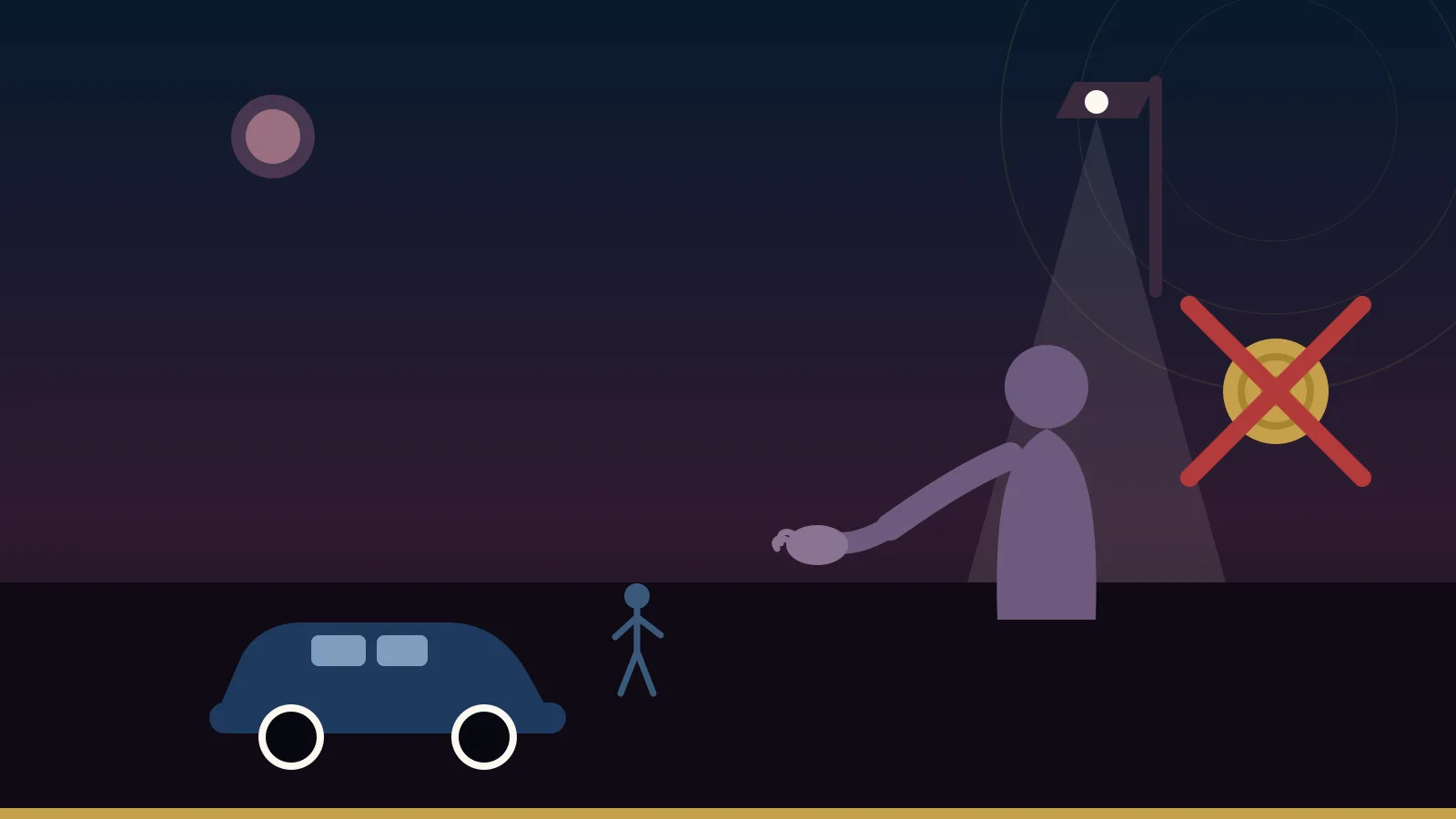
Unaijua hadithi hii kabla haijakamilika: unaingia katika mtaa wa pembeni ukitafuta pahali pa kuegesha gari lako, kisha ghafla anajitokeza mtu anayekuashiria kwa ujasiri wa mtu anayemiliki lami: “Hapa bwana.” Hukuomba huduma yake, wala hakukuuliza kama unaihitaji, lakini tangu dakika hiyo amekuwa mshirika wa lazima katika kuegesha kwako, na utakaporudi utalipa kiasi anachokiamua yeye. Ole wako ukibishania kiasi hicho au ukipuuza mkono uliokunjuliwa.
Kwanza tuweke mstari wazi, kwa sababu haki ndiyo kaulimbiu ya sehemu hii: yupo mlinzi wa magari mwaminifu anayejulikana na wakazi wa kila mtaa. Anafanya kazi kwa bidii, analinda magari kwa kweli, anasaidia kuegesha katika nafasi finyu, na anaridhika na kile anachopewa kwa hiari. Hiyo ni riziki halali ambayo hatutaigusa hata kwa neno moja, na sheria imeiratibu na kuifungulia mlango wa halali. Tunaozungumzia ni aina tofauti kabisa: yule aliyeuteka mtaa wa umma na kugeuza haki ya kupita na kuegesha, ambayo ni ya kila mtu, kuwa bidhaa anayoiuza kwa nguvu.
Msingi wa jambo hili ni wa kimaadili kabla ya lolote jingine: mtu huyu anakuuzia kile ambacho si mali yake. Barabara ni mali ya umma; nafasi ya kuegesha ndani yake ni haki ya wote au ni huduma inayoratibiwa na serikali kwa ada inayojulikana. Yeye, kwa uhalisia, anatoa kitu kimoja tu: kuondoa madhara ambayo chanzo chake ni yeye mwenyewe. Humlipi ujira wa huduma, bali unalipia usalama wa gari lako dhidi yake yeye hasa, na hiyo ndiyo maana halisi ya kodi ya kinguvu.
Na kinachouma hapa si zile pauni chache. Ni hisia ya mwananchi kwamba anaporwa kwa nguvu katika mtaa wa nchi yake mwenyewe, mbele ya mke na watoto wake, akilazimika kuchagua kati ya kulipa kwa unyonge au kuingia katika mzozo asiyejua utafikia wapi: mkwaruzo mrefu wa msumari, kioo kilichovunjwa, tairi lililotolewa hewa, au katika hali mbaya zaidi vitisho vya wazi vya kudhuriwa. Ni mara ngapi tumemwona dereva akimeza hasira yake na kulipa, si kwa kuridhika bali kwa kuepuka shari, kisha akaondoka na uchungu mwingine ukirundikana juu ya uchungu wa zamani.
Hatari zaidi ni kwamba baadhi yao wamepanda kutoka ngazi ya mtu mmoja hadi ya kundi lililopangwa: vikundi vinavyogawana mitaa kama nyara, vinavyohifadhi nafasi kwa viti na madumu ya maji, vinavyokodisha haki ya kuegesha kwa saa na kwa mwezi, na kumfukuza mtaani yeyote asiyelipa. Hapo hatuko tena mbele ya kosa la mtu mmoja, bali mbele ya mamlaka ndogo sambamba inayolazimisha sheria yake yenyewe katika eneo la umma, na kila mamlaka sambamba huanza ikiwa ndogo.
Sheria ya Misri haikuliacha eneo hili likiwa la kijivu: Sheria Namba 150 ya mwaka 2020 inayoratibu kazi ya waratibu wa maegesho ya magari iliifanya kazi hiyo kuwa taaluma yenye leseni, yenye masharti, kanuni na ada iliyodhibitiwa, na ikaifanya kuwa kosa kuifanya bila leseni. Yaani tofauti leo iko wazi kisheria kama ilivyo wazi kimaadili: upande mmoja mratibu wa maegesho mwenye leseni anayefanya kazi ndani ya kanuni, na upande mwingine mlaghai anayetoza kodi ya kinguvu kwa jina la taaluma. Na yeyote anayetumia vitisho au kuharibu gari la aliyepinga, tayari ameingia katika makosa yanayoadhibiwa na Sheria ya Adhabu.
Wala hatutapuuza chanzo cha kijamii: wengi wanaojishughulisha na kazi hii walisukumwa huko na milango ya riziki iliyofungwa, na baadhi yao wanalisha familia nzima kwa pauni hizo. Jambo hili linastahili kushughulikiwa kwa uzito katika sera za ajira, lakini haliwezi kuwa kisingizio cha vitisho: uhitaji humtetea anayefanya kazi kwa uadilifu, haumtetei anayewapora watu kwa nguvu. Na sheria iliyoratibu taaluma hii imefungua mlango halali kwa yeyote anayetaka kuupitia.
Linalotakiwa kwa mwananchi: usiyalipe mabavu kwa unyenyekevu wa kudumu kana kwamba ni majaliwa. Msaidie mlinzi wa magari mwaminifu mwenye leseni na umpe kwa ridhaa, lakini andika ushahidi wa uonevu ukitokea na uripoti, kwa sababu kila tukio linalopita bila kuripotiwa huimarisha imani ya kila mtu kwamba mtaa ni wa yule anayejilazimisha. Nawe pia usinunue “nafasi zilizohifadhiwa” kwa simu kutoka kwa vikundi vinavyoteka mitaa: anayekodi kilichoibwa anafadhili wizi.
Na linalotakiwa kwa serikali: kutekeleza sheria ya kuratibu kazi ya walinzi wa magari kwa pande zake zote mbili, yaani kurahisisha utoaji wa leseni kwa dhati kwa anayetaka kufanya kazi kwa uadilifu, na kuchukua hatua kali dhidi ya anayefanya kazi bila leseni au anayelazimisha malipo kwa nguvu, sambamba na mbadala wa kimfumo unaokausha chanzo: maegesho yaliyopangwa yenye alama, bei iliyotangazwa na njia za malipo zilizo wazi katika mitaa yenye msongamano. Panapokuwa na kanuni iliyotangazwa, nafasi humbana yule anayebuni kanuni zake mwenyewe.
Hadithi ya mlinzi wa magari mwenye mabavu ni kubwa kuliko kuegesha gari: ni swali la nani anayetawala mtaa, ni kanuni ya jumla au ni mkono wenye nguvu zaidi uliosimama kwenye kona? Kila mara mwananchi anapolipa kodi ya kinguvu huku akitabasamu kwa kulazimishwa, jibu lisilo sahihi hupiga hatua mbele. Hivyo si sahihi. Sahihi ni mwananchi kuegesha gari lake katika mtaa wa nchi yake akiwa amenyanyua kichwa, bila kulipa chochote isipokuwa ada inayojulikana kwa huduma halisi aliyoichagua kwa hiari yake.
Habari Zinazohusiana
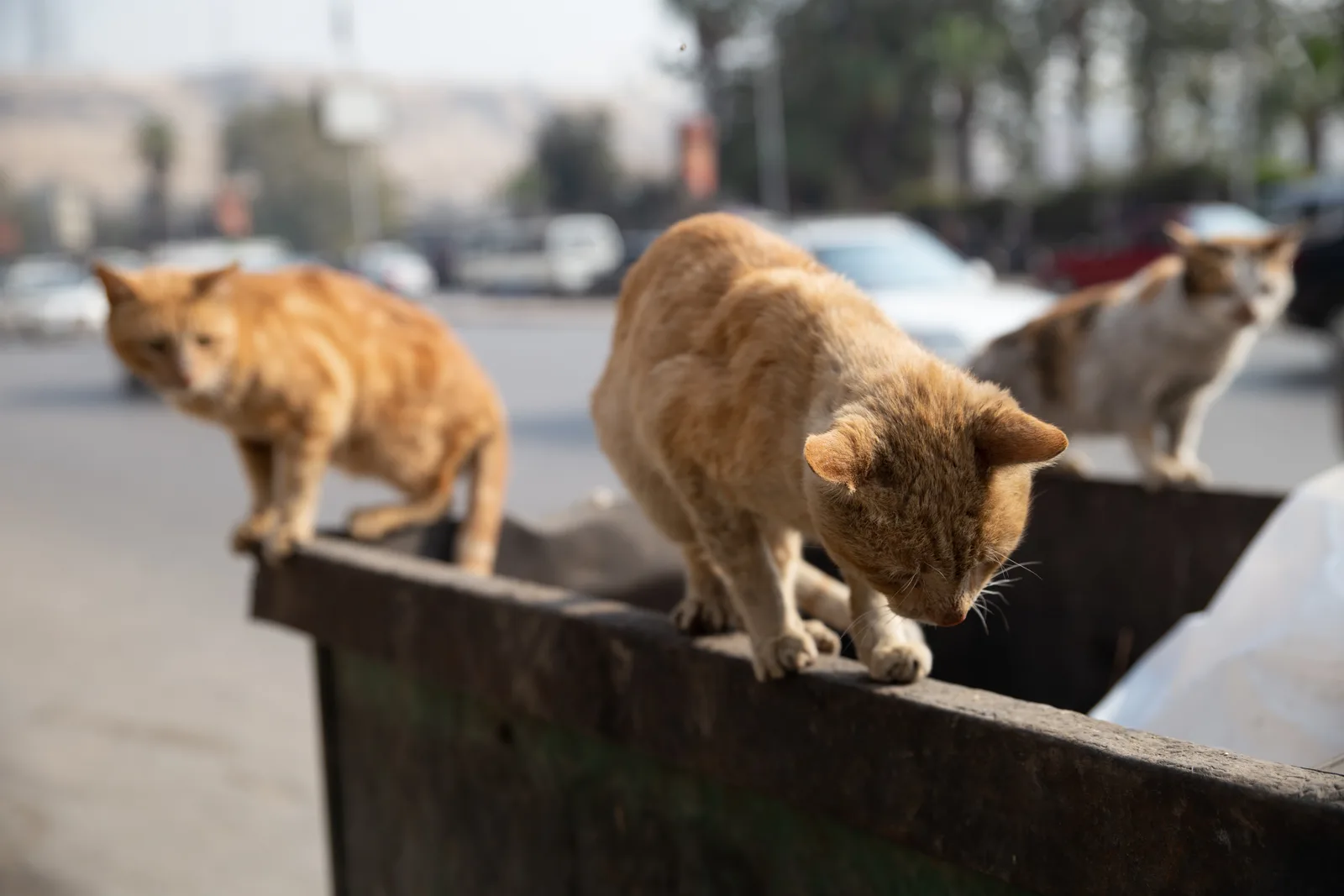
«Keda Ghalat» (Hii Si Sawa): Kudhuru Wanyama ni Kosa la Jinai Chini ya Sheria ya Adhabu ya Misri Tangu 1937
Jirani anaweka bakuli za sumu karibu na ukuta wa shule, na mmiliki wa mkokoteni anampiga punda wake usoni chini ya mzigo mzito kupita kiasi. Wengi hudhani «ni mnyama tu» maana yake hakuna sheria inayomlinda. Ukweli ni kwamba Ibara za 355, 356 na 357 za Sheria ya Adhabu zinaadhibu kuua, kutia sumu na kudhuru wanyama kwa adhabu zinazofikia kifungo jela. Katika usiku wa kuamkia Siku ya Wanyama Duniani, tunaeleza sheria inasema nini.
3 Oktoba 2026 · 6 dakika za kusoma
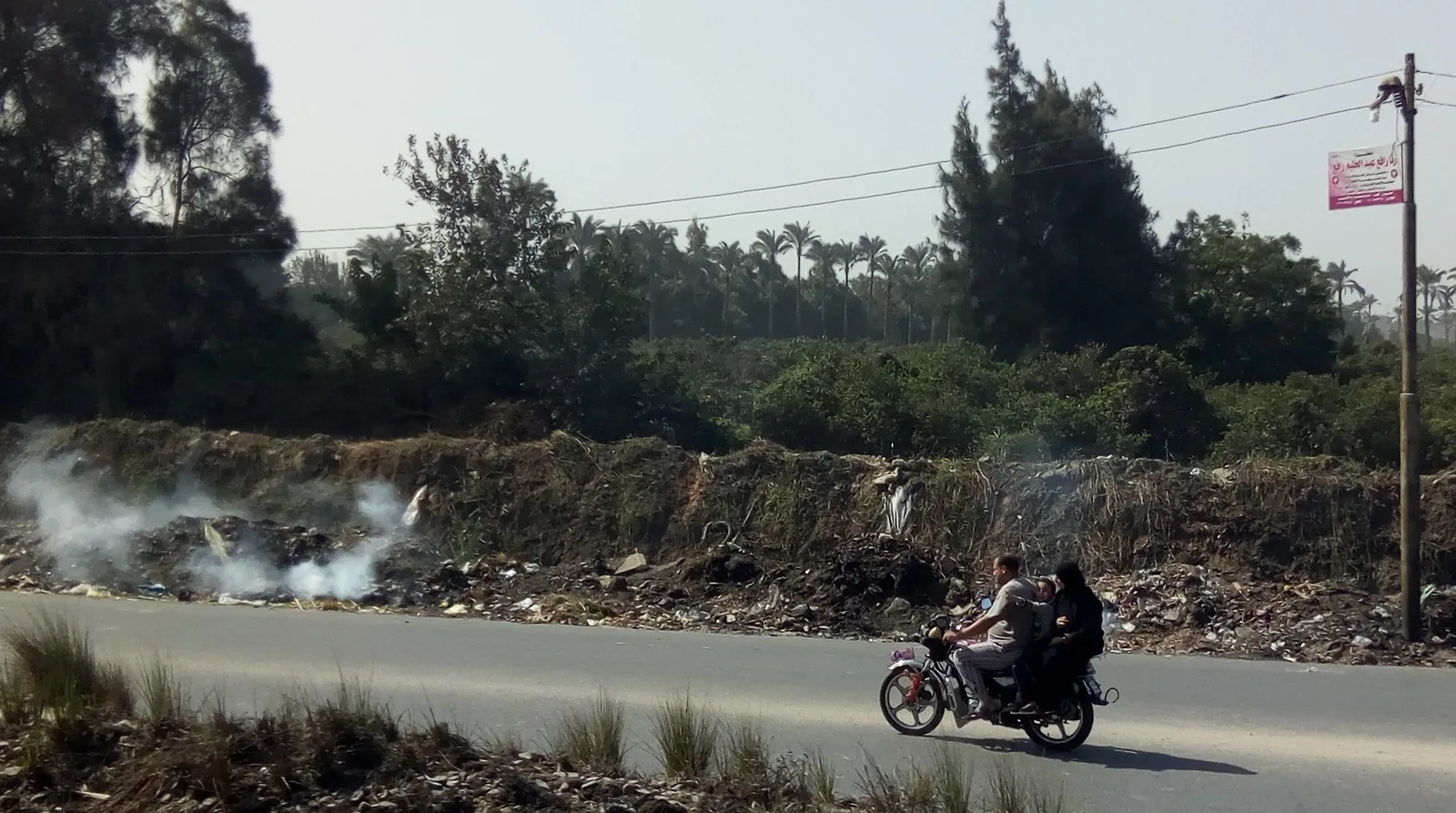
Watu Wanne Juu ya Pikipiki Bila Kofia Ngumu: Kichwa Wazi Ndicho Familia Inaweza Kupoteza Barabarani
Katika wiki ya pili ya shule, tukio lilelile hujirudia: baba akiendesha, mtoto mmoja mbele, mwingine nyuma, mama akishikilia mifuko, hakuna kofia ngumu hata moja. Ripoti za habari, zikinukuu CAPMAS, zaeleza ongezeko la vifo kutoka 190 hadi 897 kati ya 2020 na 2024, huku Cochrane ikionyesha kofia ngumu hupunguza hatari ya kifo kwa asilimia 42. Sheria imekuwa ikiadhibu kichwa wazi tangu 1999, faini iliongezwa 2008. Kwa nini hatuzingatii?
23 Septemba 2026 · 8 dakika za kusoma
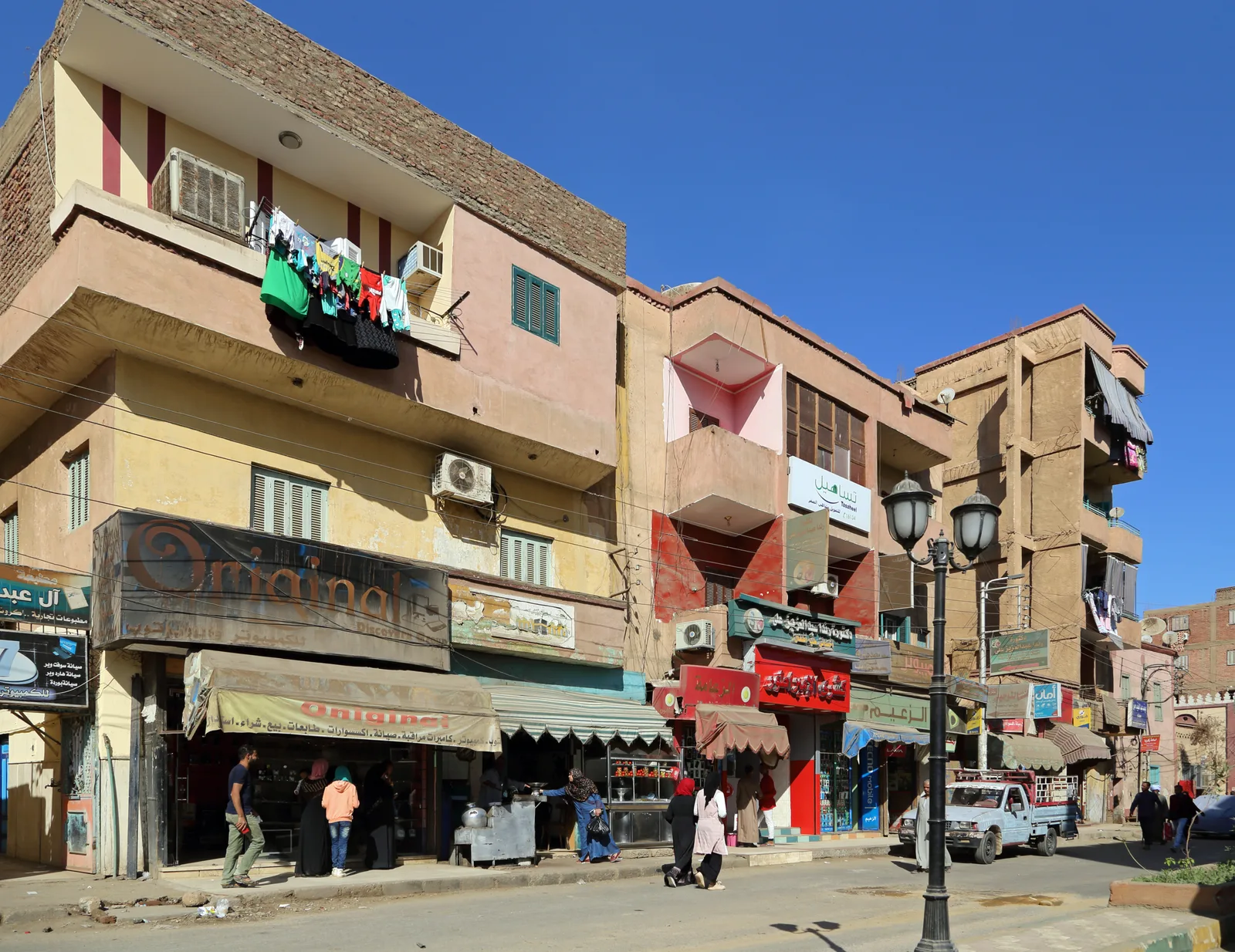
"Kuunganisha Waya Ovyo" Si Ujanja: Wizi wa Umeme ni Uhalifu Ambao Mtaa Mzima Hulipa Gharama Yake
Waya ulio wazi ukining'inia kutoka nguzo hadi roshani, kiyoyozi kikifanya kazi huku mita haizunguki, na fuse ikikatika mara ya tatu, ikizima nuru nyumbani kwa jirani aliyelipa ankara yake. Kifungu cha 71 cha Sheria ya Umeme kinaita hili kujimilikisha umeme kinyume cha sheria, huadhibiwa kwa kifungo na faini, huku marekebisho makali zaidi yakisubiri Bunge. Mtaa mzima unapoteza nini kwa muunganisho mmoja? Mbadala sahihi ni upi?
14 Septemba 2026 · 7 dakika za kusoma