Bahari Nyekundu Zaidi ya Ufuko: Matumbawe, Kanuni za Kuzamia, Nguva na Nyumba za Pomboo
Pwani ya Bahari Nyekundu ya Misri ni zaidi sana ya hoteli za kitalii: matumbawe yanayostahimili joto yanayochunguzwa na wanasayansi duniani kote, kanuni kali za kuzamia, ghuba za nyasi za baharini ambako nguva hujilisha, na laguni za matumbawe ambako pomboo aina ya spinner hupumzika. Mwongozo wa bahari iliyo nyuma ya mchanga — na jinsi ya kuizuru bila kuidhuru.
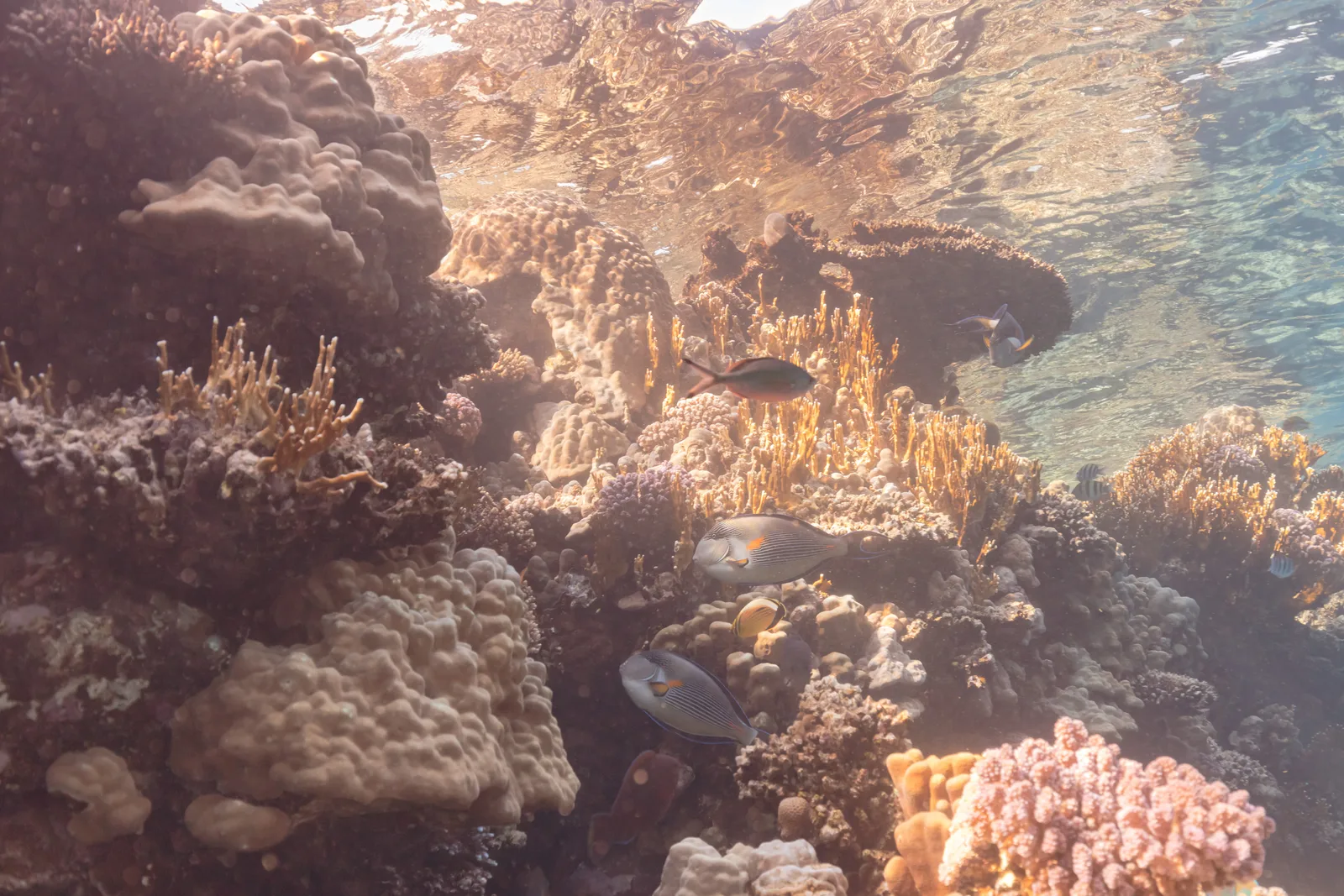
Postikadi huuza mchanga na jua, lakini utajiri halisi wa Bahari ya Shamu huanza pale ufukwe unapoishia. Kando ya pwani ya mashariki ya Misri, kutoka Hurghada kuelekea kusini hadi Marsa Alam na kuvuka huko, matumbawe ya ukingoni hutanda kwa mamia ya kilomita, karibu sana na ufukwe hivi kwamba mwogeleaji hufika kwenye matumbawe hai dakika chache tu baada ya kuuacha mchanga. Kwa wazamiaji na wapenda kuogelea kwa mrija, huu ni mmoja wa mifumo mikubwa ya matumbawe inayofikika kwa urahisi zaidi duniani; na kwa wanasayansi wa bahari, ni miongoni mwa inayofuatiliwa kwa ukaribu zaidi.
Uangalifu huo wa kisayansi una sababu nzito: matumbawe ya kaskazini mwa Bahari ya Shamu na ya Ghuba ya Aqaba yameonyesha uvumilivu usio wa kawaida dhidi ya maji yenye joto, yakinusurika viwango vya joto vinavyosababisha matumbawe kufifia kwa wingi katika maeneo mengine ya dunia. Kwa hivyo watafiti wa mabadiliko ya tabianchi wanaliona eneo hili kama kimbilio linalowezekana, ambapo aina za matumbawe zinaweza kudumu hata wakati bahari zinapozidi kupata joto. Jambo hilo huyapa matumbawe ya Misri umuhimu unaopita mbali zaidi ya utalii: ni hazina hai ya vinasaba ambayo bahari nzima huenda ikaihitaji siku moja.
Hurghada ndilo lango la kihistoria. Ndani ya kumbukumbu za walio hai lilikuwa bandari ndogo ya uvuvi, kisha likageuka kuwa mojawapo ya vituo vyenye shughuli nyingi zaidi za kuzamia duniani, ambapo boti huondoka kila siku kuelekea matumbawe ya Visiwa vya Giftun na maeneo kadhaa yenye majina mahususi yaliyo mbele yake. Lakini umaarufu ulileta shinikizo: nanga zinazotupwa ovyo huvunja makundi ya matumbawe yaliyochukua miongo kadhaa kukua, mapigo ya mapezi yasiyodhibitiwa huvunja matumbawe ya matawi yaliyo dhaifu, na maeneo yaliyosongamana huelekeza uharibifu hasa mahali pale palipoijenga sifa ya mji.
Jibu lilitoka kwa kiasi ndani ya sekta ya kuzamia yenyewe. Mwanzoni mwa miaka ya tisini, waendeshaji wa kuzamia walianzisha Chama cha Hurghada cha Ulinzi na Uhifadhi wa Mazingira, kinachojulikana kama “HEPCA”, ambacho kilifunga maboya ya kudumu ya kufungia boti kando ya pwani ili boti zifungwe kwa kamba badala ya kutupa nanga juu ya matumbawe hai. Mtandao wa maboya ulipanuka kwa miaka na kufunika maeneo makubwa ya Bahari ya Shamu ya Misri, na ukawa mfano unaotajwa mara kwa mara wa jinsi sekta ya utalii inavyoweza kujipanga yenyewe ili kulinda rasilimali inayoitegemea.
Kanuni anazopaswa kuzifuata mgeni akiwa majini si ushauri wa hisani tu; nyingi ni masharti ya sheria za hifadhi na ya maelekezo ya kila kituo cha kuzamia chenye uwajibikaji. Usiguse matumbawe, usisimame juu yake wala usiyashike, hata ukiwa na glavu; kwa kweli vituo vingi hupiga marufuku glavu kabisa ili kuondoa kishawishi. Dhibiti uelevu wako majini ili mapezi na vifaa vyako visikwaruze matumbawe. Usilishe samaki, usifukuze wala kukamata viumbe vya baharini, na usikusanye makombe wala matumbawe, yawe hai au yamekufa: kutoa kumbukumbu za baharini nje ya Misri ni marufuku. Ada za mazingira zinazokusanywa katika mbuga za baharini huchangia kugharimia hifadhi zenyewe.
Kuelekea kusini, Marsa Alam hutoa toleo tulivu zaidi la bahari ile ile. Zamani eneo hilo lilifikika tu kwa barabara ndefu ya jangwani, kisha likakua baada ya uwanja wake wa ndege kufunguliwa na sasa ni kituo cha baadhi ya maeneo maarufu zaidi ya kuzamia nchini Misri. Mwamba wa Elphinstone, ukuta membamba ulio mbali na pwani unaoporomoka hadi kwenye buluu ya kina, unajulikana kwa mikondo yake mikali na mikutano na papa wa bahari kuu, huku ghuba zilizohifadhika kama Marsa Abu Dabbab zikificha hazina ya aina nyingine: malisho mapana ya nyasi za baharini yanayoyumba juu ya sakafu za mchanga, machungio ya kasa wa kijani na ya mgeni adimu hata zaidi.
Mgeni huyo adimu zaidi ni nguva, mnyama mkubwa wa baharini alaye mimea, mwenye mwendo wa taratibu na jamaa wa manati, ambaye hula karibu nyasi za baharini pekee. Kuonekana kwake katika ghuba za Marsa Alam kumemfanya kuwa alama ya pwani ya kusini, lakini nguva yuko hatarini duniani kote na hushtuka kwa urahisi. Kwa hiyo taratibu za kukutana naye ni kali: shika umbali wako, usimfukuze, usimzingire wala usimguse, usiziba njia yake ya kwenda juu ya maji ambako lazima apumue, na acha mkutano utokee — au usitokee — kwa masharti ya mnyama mwenyewe.
Kisha kuna nyumba za pomboo. Mwamba wa Samadai, wenye umbo la kiatu cha farasi karibu na Marsa Alam, huzunguka eneo la maji ya kina kifupi ambamo pomboo wanaozunguka hupumzika mchana baada ya usiku wa kuwinda katika maji ya kina kirefu. Mwanzoni mwa miaka ya 2000, msongamano wa boti usiodhibitiwa ulipoanza kuyabana makundi yaliyokuwa yakipumzika, mamlaka ziliweka mfumo wa usimamizi unaogawa mwamba katika kanda, unaowaweka wageni mbali na eneo kuu la mapumziko ya pomboo, na unaowekea idadi ya wageni wa kila siku kikomo. Kuna mwamba mwingine kama huo, Sataya, kusini zaidi, unaowapokea wageni kwa kanuni zinazofanana.
Pwani ya kusini pia inaegemea Hifadhi ya Taifa ya Wadi el Gemal, iliyotangazwa kuwa hifadhi mwaka 2003, inayoanzia mabonde ya jangwa la bara, ikapita fukwe zilizozungukwa na mikoko, hadi visiwa na miamba ya baharini. Mikoko hapa huhifadhi samaki wachanga na ndege wanaotaga, visiwa huwapokea ndege wa baharini wanaozaliana na kasa wanaotaga mayai, na hifadhi hii huunganisha dunia mbili — ile ya baharini na ile ya jangwani — ambazo vipeperushi vya utalii huwa vinazitenganisha. Ni ukumbusho kwamba pwani ya Bahari ya Shamu ni mfumo mmoja wa ikolojia, si mstari wa fukwe za hoteli.
Kwa mgeni, njia ya uwajibikaji iko wazi: chagua vituo vya kuzamia vyenye leseni vinavyotoa maelekezo ya kutosha, pendelea waendeshaji wanaoheshimu kanuni za kanda na mipaka ya ukubwa wa vikundi, msikilize kiongozi, na chukulia kila pigo la pezi kama uamuzi. Miamba ya Misri imehimili ongezeko la joto la bahari kuliko miamba mingi duniani; lakini kuhimili kwake umaarufu wake wenyewe kunategemea kwa kiasi kikubwa tabia za wanaokuja kuistaajabia. Ufukwe ni mlango, na mwamba ni nyumba — nao wageni wanapaswa kuenenda ipasavyo.
Habari Zinazohusiana
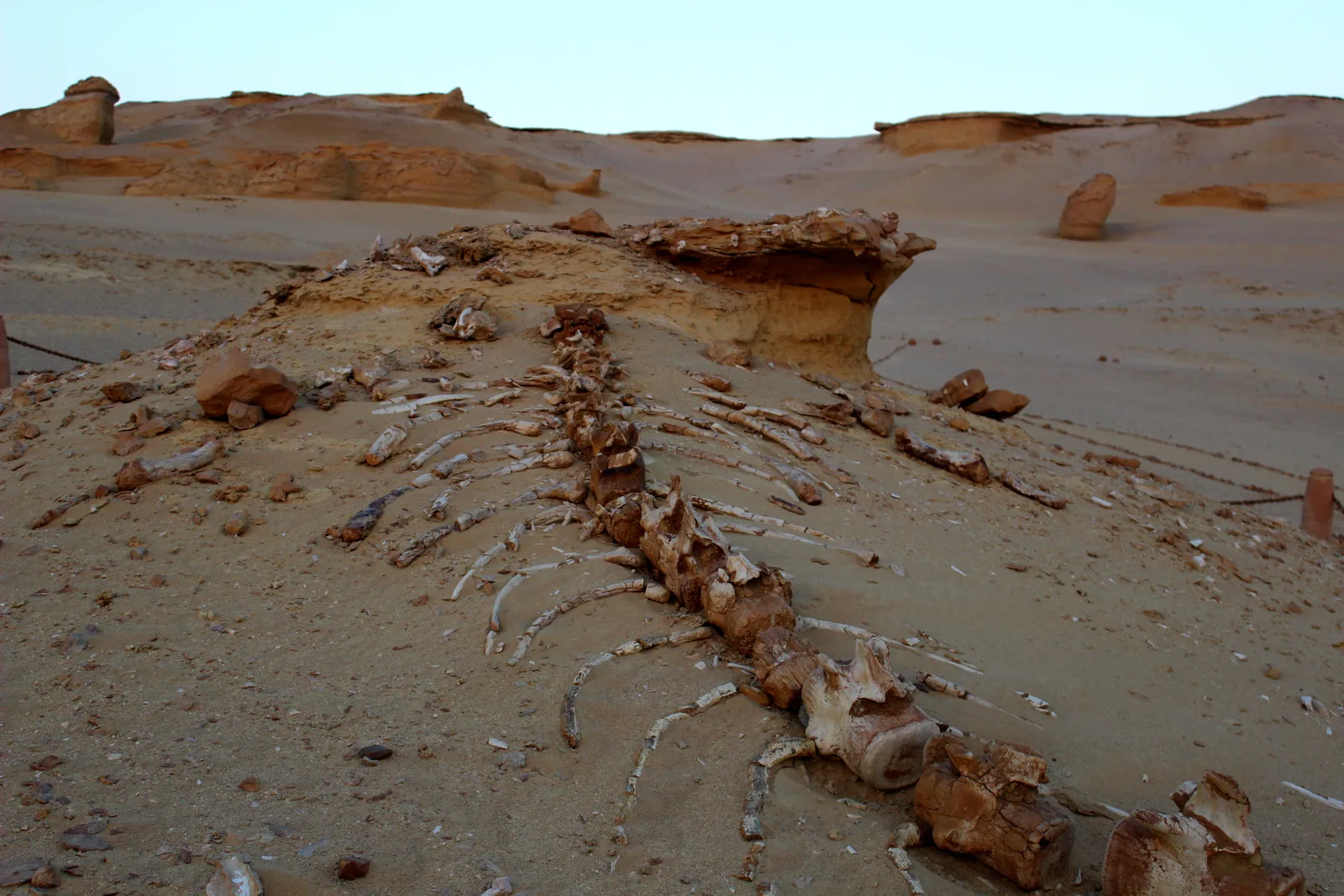
Wadi El Hitan, Wakati Fayoum Ilipokuwa Bahari: Safari Kutoka Cairo Kwenda Sakafu ya Bahari yenye Miaka Milioni 40
Saa tatu kutoka msongamano wa Cairo, familia ya Kimisri inasimama mbele ya mifupa ya nyangumi mwenye miguu ya nyuma, yenye miaka milioni 40, katika jangwa lililokuwa sakafu ya bahari. Kwa nini UNESCO ilichagua Wadi El Hitan kama tovuti ya kwanza ya asili ya Misri kwenye Orodha ya Urithi wa Dunia? Safari ya siku moja inawezaje kuunganisha visukuku, maporomoko ya Wadi El Rayan na ufinyanzi wa Tunis? Mwongozo wa vitendo kwa safari isiyohitaji visa.
24 Septemba 2026 · 7 dakika za kusoma
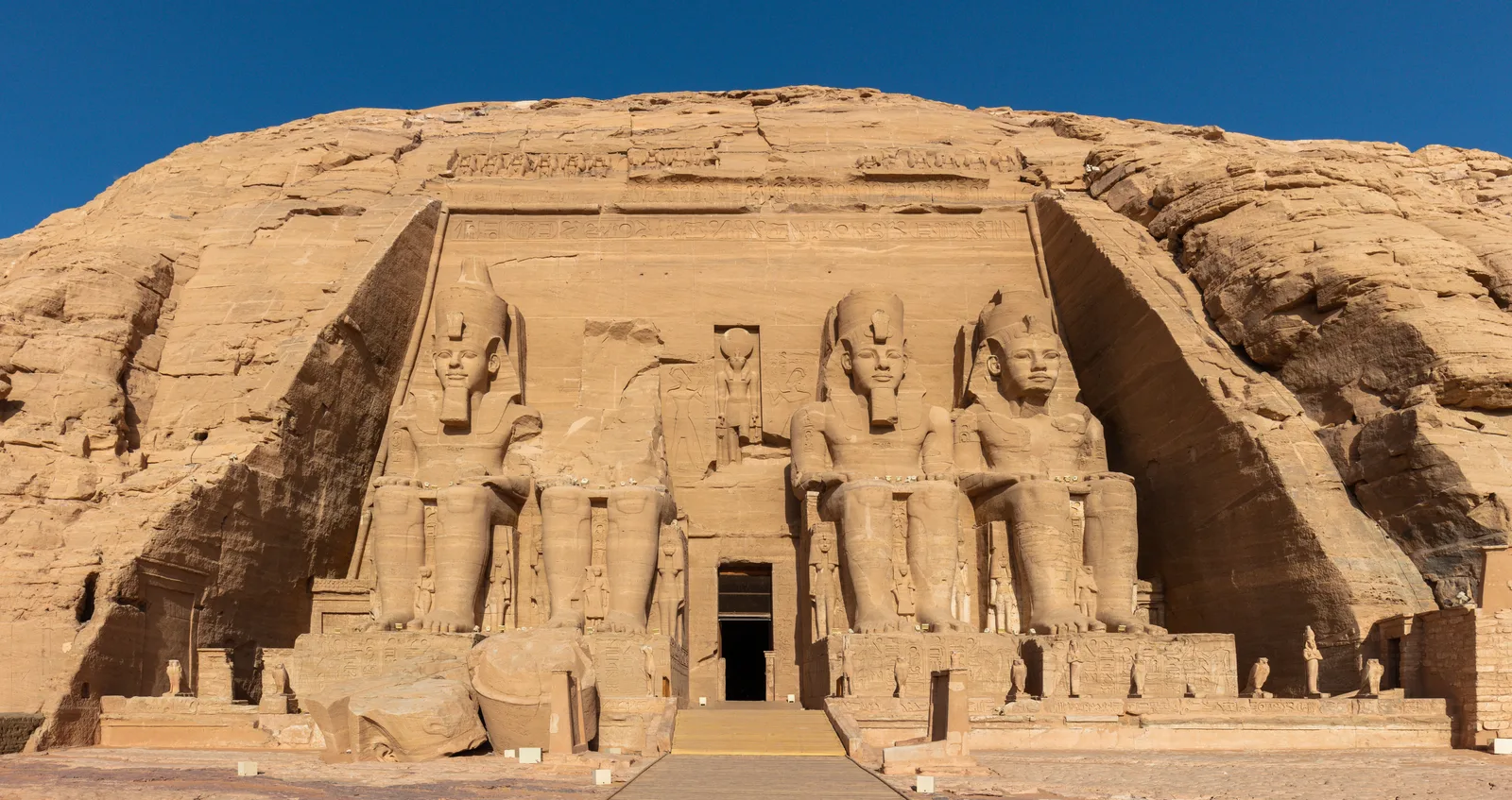
Abu Simbel: hekalu ambalo binadamu walilinyanyua mita 65 ili lisizame, na jua linalolirudia tarehe 22 Oktoba
Muda mfupi kabla ya mawio ya tarehe 22 Oktoba, watu husimama gizani katika ukumbi mkuu wakisubiri mwale wa nuru upenye takriban mita sitini za mwamba na kuangaza uso wa Ramses. Nyuma ya wakati huo kuna hadithi ya kampeni ya kimataifa iliyodumu miaka ishirini, iliyoinua hekalu jiwe kwa jiwe juu ya maji ya Ziwa Nasser. Huu ni mwongozo wako wa kuelewa tukio hili na kupanga safari ya Aswan mwezi mmoja kabla ya tarehe hiyo.
20 Septemba 2026 · 7 dakika za kusoma
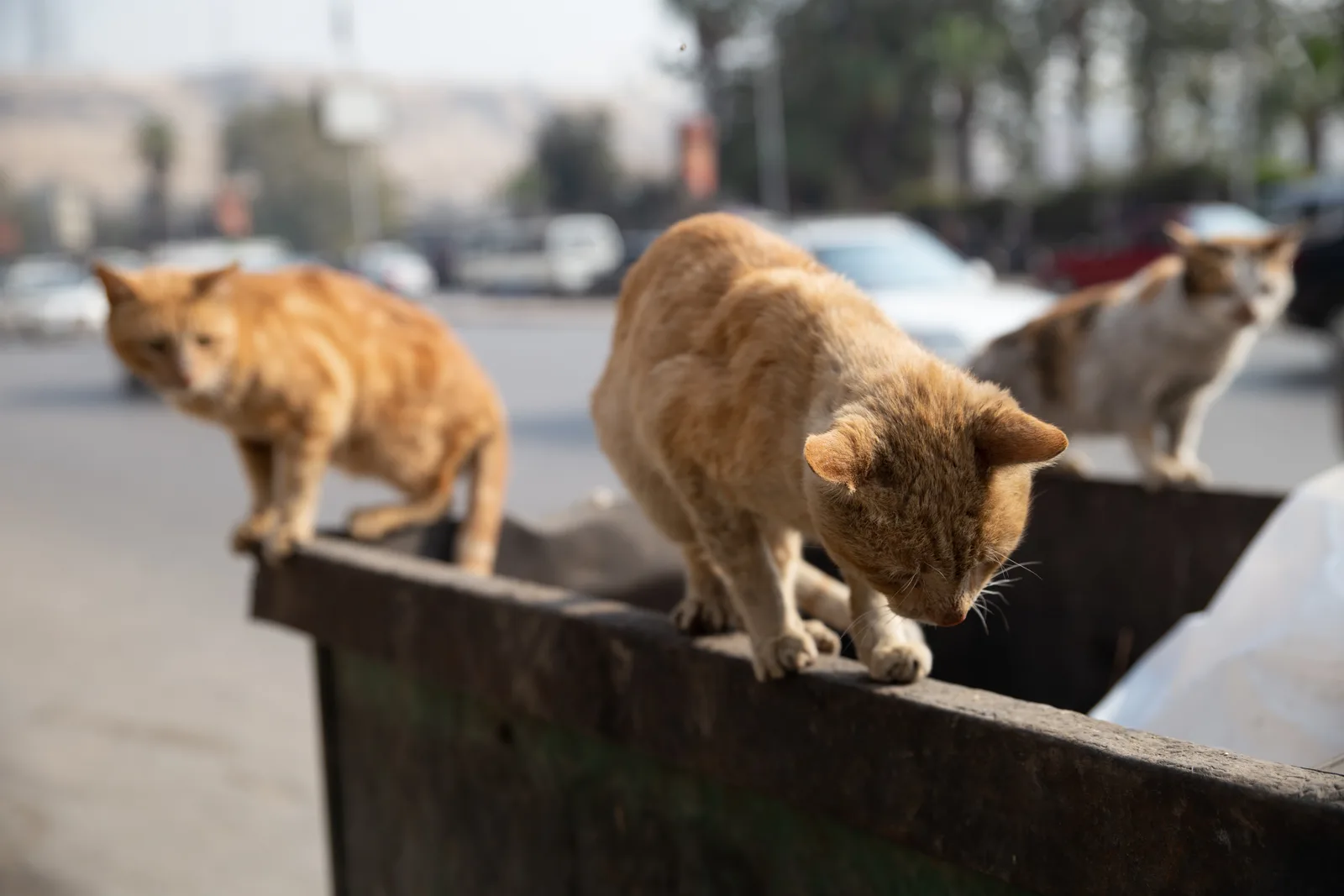
«Keda Ghalat» (Hii Si Sawa): Kudhuru Wanyama ni Kosa la Jinai Chini ya Sheria ya Adhabu ya Misri Tangu 1937
Jirani anaweka bakuli za sumu karibu na ukuta wa shule, na mmiliki wa mkokoteni anampiga punda wake usoni chini ya mzigo mzito kupita kiasi. Wengi hudhani «ni mnyama tu» maana yake hakuna sheria inayomlinda. Ukweli ni kwamba Ibara za 355, 356 na 357 za Sheria ya Adhabu zinaadhibu kuua, kutia sumu na kudhuru wanyama kwa adhabu zinazofikia kifungo jela. Katika usiku wa kuamkia Siku ya Wanyama Duniani, tunaeleza sheria inasema nini.
3 Oktoba 2026 · 6 dakika za kusoma