Bomu Juu ya Magurudumu: Mwendokasi kwa Magari Mabovu ni Dharau kwa Maisha ya Watu
Breki zinazofanya kazi nusunusu, matairi yaliyoisha kabisa, taa zisizowaka — na dereva anayeruka nalo barabarani kana kwamba limetoka kiwandani sasa hivi. Gari bovu linaloendeshwa kwa kasi si chombo cha usafiri, bali ni hatari inayotembea, inayotishia kila familia iliyoko barabarani. Hii si sawa: uhuru wako ndani ya gari lako unaishia pale panapoanzia haki ya wengine ya kufika nyumbani wakiwa hai.
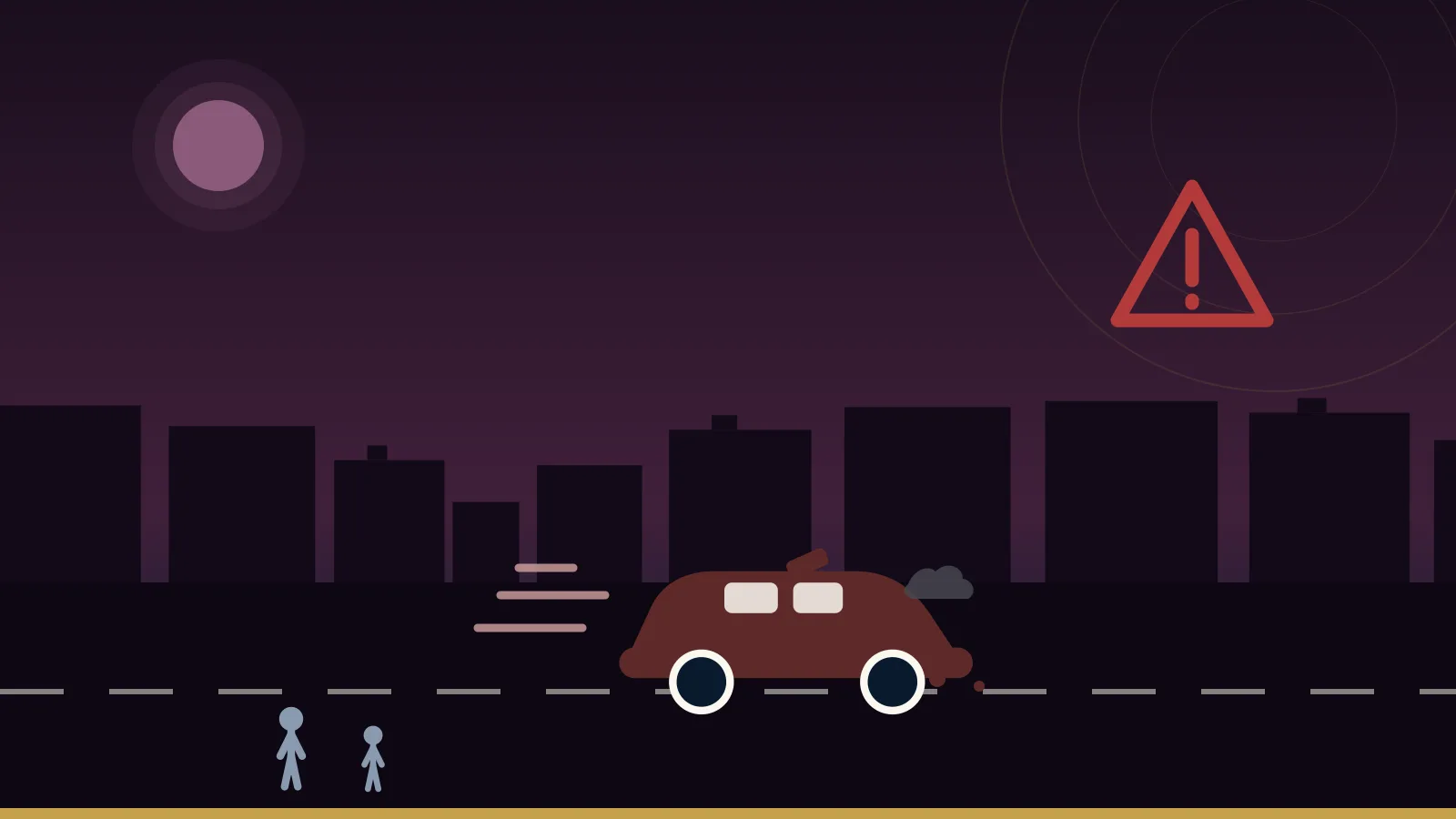
Sote tumeliona barabarani, kwenye njia kuu na hata katikati ya miji: gari ambalo kutu imekula mwili wake, linayumba linapopita magari mengine, taa moja ya nyuma imevunjika na nyingine haiwaki, moshi mweusi ukifuka kutoka kwenye ekzosi, na matairi yaliyofutika michoro yake kwa matumizi ya miaka mingi. Kinachotisha si hali yake, kwani mwenye gari anaweza kuwa na udhuru wa hali ngumu ya maisha; kinachotisha ni kwamba linakimbia barabarani kwa mwendo wa kichaa, likipita kulia na kushoto, kana kwamba dereva wake anaendesha gari la mashindano na si chuma kinachobomoka.
Tuseme wazi: kuendesha gari lisilo na sifa za kiufundi kwa mwendo mkali si ujanja wala si dharura, bali ni uonevu wa kimaadili dhidi ya kila mtu anayeshiriki nawe barabara. Breki zinazohitaji kukanyagwa mara mbili ndipo zishike, tairi butu linaloteleza mara tu barabara inaponyeshewa, na usukani uliolegea: haya si masuala madogo ya kiufundi, bali ndio umbali kati ya tukio linalopita salama na janga linalozitumbukiza familia nzima katika msiba.
Fikiria tukio ambalo hatumtakii mtu yeyote: barabara iliyofurika magari saa za msongamano, daladala bovu likikimbia kupita magari mengine, kisha ghafla likakutana na gari linalopunguza mwendo mbele yake. Dereva wa gari zima anakanyaga breki na gari linaitika; lile bovu linaitika kwa kuchelewa au halijibu kabisa. Katika sekunde hizo si mwenye gari peke yake anayelipa gharama, bali pia familia iliyo katika gari la jirani, mfanyakazi aliye kando ya barabara, na abiria ambaye kosa lake pekee ni kupanda chombo kisichofaa.
Na hapa ni lazima tusimame mbele ya kinaya kinachouma: magari mengi kati ya haya ndiyo yanayotumika kubeba abiria, yaani daladala na teksi ambazo muda wake wa matumizi uliisha miaka mingi iliyopita. Maana yake, mwathirika anayeweza kuumia ndiye analipa nauli ya safari yake kuelekea hatarini, bila kuwa na anasa ya kuchagua katika maeneo yasiyo na njia mbadala. Jambo hili linaongeza maradufu wajibu wa kimaadili wa mwenye gari na dereva, na linauongeza zaidi kwa mamlaka zinazodhaniwa zilikagua gari hilo na kulipa leseni.
Kwenye karatasi, sheria haipo mbali. Sheria ya usalama barabarani nchini Misri inataka gari likaguliwe kiufundi kama sharti la kupewa leseni na la kuihuisha leseni hiyo, na inaadhibu kuendesha gari lisilofaa na pia kuzidi mwendo uliopangwa. Basi magari ambayo kila mpita njia anaona kwa macho matupu kuwa hayafai yanatembeaje kati yetu? Jibu la kusikitisha kila mtu analijua: ukaguzi ambao mara nyingine hugeuka kuwa utaratibu wa maandishi tu, na dereva anayeweka dau kuwa hakuna atakayemsimamisha.
Lakini kabla ya kutupa mzigo wote kwa vyombo vya usimamizi, na tujikabili sisi wenyewe: anayeendesha gari akijua breki zake ni dhaifu, kisha akalikimbiza, hahitaji kizuizi cha polisi wa barabarani ili ajue amekosea. Anajua. Lakini kila siku anaweka dau kwa bahati yake, na tatizo ni kwamba dau lenyewe si maisha yake peke yake, bali maisha ya watu ambao hawakuwahi kukubali kuingia katika kamari hiyo.
Na tutasema bila kuzunguka, kama tunavyomwambia mwenye gari la kifahari anayetupa taka nje ya dirisha: umaskini si tuhuma, na ufinyu wa hali si aibu, lakini mwendo wa kichaa kwa gari bovu si majaliwa aliyowekewa mtu yeyote. Unaweza kuliendesha gari hilo hilo taratibu na kwa tahadhari hadi uweze kulitengeneza; kwenda pole kwa gari dhaifu ni unyenyekevu wa kusifiwa, lakini kwenda mbio nalo ni kiburi kinachoua.
Kinachotakiwa kwa dereva na mwenye gari ni hiki: jiambie ukweli kuhusu hali ya gari lako, na tengeneza kwanza kila kinachohusu usalama, kwani breki, matairi na taa si mapambo ya ziada. Na kama huwezi kutengeneza kwa sasa, basi angalau endesha kwa mwendo unaoheshimu hali ya chombo chako. Anayetumia gari lake kubeba abiria ana wajibu maradufu, kwa sababu wanaomlipa nauli wamemwaminisha roho zao.
Kinachotakiwa kwa dola ni hiki: ukaguzi wa kiufundi wa kweli, si muhuri wa kawaida; usimamizi barabarani unaolenga kwanza magari yanayoonekana wazi kuwa mabovu, kabla ya ajali kutokea na si baada yake; na programu za kweli za kurahisisha ubadilishaji wa magari yaliyochakaa, hasa yale yanayofanya kazi ya usafiri wa umma, ili dereva maskini asibaki na chaguo moja tu la kucheza kamari na maisha ya watu.
Barabara ni mali ya wote, na walio dhaifu zaidi juu yake, yaani watembea kwa miguu, watoto na abiria wa usafiri wa umma, wanastahili walio na nguvu zaidi wawe waangalifu zaidi. Gari bovu linaloenda taratibu tunalielewa na tunamheshimu mwenye gari, lakini gari bovu linaloruka barabarani ni bomu lenye magurudumu. Hilo ni kosa, na maisha ya watu si uwanja wa kupima bahati ya mtu yeyote.
Habari Zinazohusiana
«Keda Ghalat» (Hii Si Sawa): Kudhuru Wanyama ni Kosa la Jinai Chini ya Sheria ya Adhabu ya Misri Tangu 1937
Jirani anaweka bakuli za sumu karibu na ukuta wa shule, na mmiliki wa mkokoteni anampiga punda wake usoni chini ya mzigo mzito kupita kiasi. Wengi hudhani «ni mnyama tu» maana yake hakuna sheria inayomlinda. Ukweli ni kwamba Ibara za 355, 356 na 357 za Sheria ya Adhabu zinaadhibu kuua, kutia sumu na kudhuru wanyama kwa adhabu zinazofikia kifungo jela. Katika usiku wa kuamkia Siku ya Wanyama Duniani, tunaeleza sheria inasema nini.
3 Oktoba 2026 · 6 dakika za kusoma
Watu Wanne Juu ya Pikipiki Bila Kofia Ngumu: Kichwa Wazi Ndicho Familia Inaweza Kupoteza Barabarani
Katika wiki ya pili ya shule, tukio lilelile hujirudia: baba akiendesha, mtoto mmoja mbele, mwingine nyuma, mama akishikilia mifuko, hakuna kofia ngumu hata moja. Ripoti za habari, zikinukuu CAPMAS, zaeleza ongezeko la vifo kutoka 190 hadi 897 kati ya 2020 na 2024, huku Cochrane ikionyesha kofia ngumu hupunguza hatari ya kifo kwa asilimia 42. Sheria imekuwa ikiadhibu kichwa wazi tangu 1999, faini iliongezwa 2008. Kwa nini hatuzingatii?
23 Septemba 2026 · 8 dakika za kusoma
"Kuunganisha Waya Ovyo" Si Ujanja: Wizi wa Umeme ni Uhalifu Ambao Mtaa Mzima Hulipa Gharama Yake
Waya ulio wazi ukining'inia kutoka nguzo hadi roshani, kiyoyozi kikifanya kazi huku mita haizunguki, na fuse ikikatika mara ya tatu, ikizima nuru nyumbani kwa jirani aliyelipa ankara yake. Kifungu cha 71 cha Sheria ya Umeme kinaita hili kujimilikisha umeme kinyume cha sheria, huadhibiwa kwa kifungo na faini, huku marekebisho makali zaidi yakisubiri Bunge. Mtaa mzima unapoteza nini kwa muunganisho mmoja? Mbadala sahihi ni upi?
14 Septemba 2026 · 7 dakika za kusoma