Yaşlanan anne babaya bakmak: Mısırlı aileler için pratik bir rehber
Yaşlılık yıllarında anneye ya da babaya bakmak, aileyi onurlandıran ama aynı zamanda yıpratabilen bir sorumluluk. Evi düşmelere karşı güvenli hâle getirmek, ilaçları ve doktor kontrollerini düzenlemek, yaşlıların onurunu korumak ve yükü tek başına taşıyan kimse tükenmesin diye kardeşler arasında görev paylaşımı üzerine pratik bir rehber.

Sağlık hizmetlerinin iyileşmesi ve ömürlerin uzamasıyla birlikte, yetmişli ya da seksenli yaşlarındaki bir babaya veya anneye bakan aile tablosu, Mısır evlerinde artık sıradan bir manzara. Kültürümüzde anne babanın, çocuklarının evinde bakılması hâlâ asıl olan ve kural sayılan şeydir; hem bir iyilik hem de bir vefa borcudur. Ne var ki iyi bir bakım için sevgi tek başına yetmez: bu, bilgi ve düzen isteyen bir iştir; aksi hâlde bir hayır işi olmaktan çıkıp herkese zarar veren bir tükenmişliğe dönüşür.
Karşı önlem alınması gereken ilk tehlike düşmedir; dünya genelinde yaşlılarda yaralanmaların en büyük sebebi budur ve tek bir kalça kırığı yaşlı bir insanın hayatının seyrini bütünüyle değiştirebilir. Evi güvenli hâle getirmek basit adımlarla başlar: kayan küçük halıları kaldırın ya da sabitleyin, geceleri koridorları, özellikle banyoya giden yolu aydınlatın, klozetin yanına ve duş alanının içine tutamaklar takın, banyo zeminine kaymaz bir örtü serin ve açık terlik yerine ayağı saran, sağlam bir ev ayakkabısı tercih edin.
İkinci dosya ilaçlardır. Yaşlıların çoğu tansiyon, şeker ya da kalp için her gün birkaç ilaç kullanır ve hatalar da en çok burada çoğalır: unutulan bir doz, tekrarlanan bir doz ya da birbiriyle çelişen iki ilaç. Çözüm düzendedir: günlere ve saatlere bölünmüş, haftada bir kez doldurulan bir haftalık ilaç kutusu; bütün ilaçların ve dozlarının yazılı olduğu, yaşlıyla birlikte her doktora ve her hastaneye giden bir çantada saklanan bir liste; ve durumu bilen, olası bir etkileşimi fark edip uyarabilecek tek ve sabit bir eczacı.
Düzenli tıbbi takip de vazgeçilmezdir: evde belirli aralıklarla tansiyon ve kan şekeri ölçüp değerleri not edin, doktor ziyaretlerini yalnızca kriz anlarına indirgemeyin, göz ve işitme muayenelerini düzenli olarak yaptırın; çünkü zihinsel gerileme sanılan pek çok şeyin gerçek sebebi eskimiş bir gözlük ya da tedavi edilmemiş bir işitme kaybıdır. Ayrıca doktorunuza, mevsimsel grip aşısı gibi yaşlılara önerilen aşıları sormanız yerinde olur.
Yaşlılıkta beslenmenin kendine özgü kuralları vardır: iştah azalır, susama duygusu zayıflar; buna karşılık vücudun kaslarını koruyabilmek için proteine ihtiyacı artar. Bu yüzden her öğünde bir porsiyon proteine dikkat edin — yumurta, yoğurt, kariş peyniri (Mısır’ın yağsız beyaz lor peyniri), iyi pişmiş baklagiller ya da haşlanmış tavuk — yaşlıya gün boyunca susamayı beklemeden su içmesini hatırlatın, iştahı zayıfsa yemeği küçük ve sık öğünler hâlinde verin. İstem dışı kilo kaybı ise görmezden gelinecek bir şey değil, doktora görünmeyi gerektiren bir uyarı işaretidir.
Hareket ikinci bir ömürdür: yaşlı bakımının altın kuralı, yatağın aldatıcı bir dost olduğudur. Yaşlı bir insanın gereksiz yere yatakta geçirdiği her gün, ona geri kazanılması zor bir miktar kas ve denge kaybettirir. Evin içinde ya da sokakta birkaç dakika da olsa her gün yürümek ve oturarak yapılan, kolları ve bacakları hareket ettiren basit egzersizler, kendi başına yetebilme gücünü korur; ruh hâlini ve uykuyu da birlikte iyileştirir.
Ruh ve zihin sağlığı, beden sağlığından daha az önemli değildir. Yalnızlık ve tecrit, yaşlıları organik hastalıklar kadar hızlı yıpratır. Onlarla her gün konuşmak, aile meclislerine katmak, torunların ziyaretleri, namazlarını ve radyo, kitap, komşuluk gibi sevdikleri alışkanlıklarını sürdürmelerini sağlamak; hepsi ruhun gıdasıdır. Şuna da dikkat etmek gerekir: sürüp giden bir hüzün ve her şeye karşı ilgisini yitirmek “normal yaşlılık” değildir; tedaviyi hak eden bir depresyon olabilir, çünkü depresyon her yaşta tedavi edilebilir bir hastalıktır.
Bakım ile vesayet arasında asla koparılmaması gereken ince bir çizgi vardır: onur. Yaşlı bir insan çocuk değildir; ayırt etme gücü yerinde olduğu sürece kendi işlerinde kendisine danışılmayı, ne yiyeceğine, ne giyeceğine ve ne zaman dışarı çıkacağına karar vermeyi hak eder. Yaşlıyı bilinci yerinde değilmiş gibi görmek — yanındayken onun hakkında konuşmak ya da bütün kararlarını elinden almak — onu incitir ve gerilemesini hızlandırır. Kural şudur: yapamadığı şeyde ona yardım edin, yapabildiği her şeyi ona bırakın.
Bu denklemde çoğu zaman unutulan taraf ise bakımı üstlenen kişinin kendisidir; bu kişi genellikle yükü tek başına taşıyan, sonunda hem sağlığı hem de ruh hâli çöken bir kız evlat ya da bir gelindir. Bakım verenin tükenmişliği tıbben tanınan gerçek bir durumdur ve önleyici tedavisi rollerin paylaşılmasıdır: kardeşler arasında gece kalma, ziyaret, masraf ve hastane işleri için açık bir çizelge kurun ki kimse tek başına taşınamayacak olanı taşımasın. Anne babayı evinde ağırlayan kişinin ise herkesten maddi, fiilî ve manevi destek görmeye hakkı vardır.
Son olarak, ihtiyaç ailenin gücünü aştığında dışarıdan yardım almak ne ayıptır ne de bir ihmal: iğne ya da pansuman için eve gelen bir hemşire, gündüz refakatçisi ya da kesintisiz bakım gerektiren durumlarda eğitimli bir bakıcı. Yardım istemek vazgeçmek değildir; kimi zaman iyiliğin ta kendisidir: anne babamıza, yorgun ellerimizin tek başına sunabileceğinden daha iyi bir bakım sağlamak ve aynı zamanda kendi evlerimizi çatlamaktan korumak. Amaç tektir: bizi küçükken büyütenlerin son yıllarını rahat, onur ve sevgi içinde geçirmesi.
İlgili Haberler

«Katbü'l-kitab»dan önce: Kanunun zorunlu kıldığı sağlık raporu ne ortaya çıkarıyor, evliliği neden engellemiyor?
Mısır'da nikâh akdinin kıyılmasından —«katbü'l-kitab»dan— önce zorunlu bir sağlık muayenesi yapılır; bu, me'zunun ya da kilisenin talep ettiği, QR kodlu bir raporla sonuçlanır. Bu muayene neyi tespit ediyor, maliyeti ne kadar, nerede yapılıyor, ve Mısır için neden bu kadar önemli? En önemlisi: sonucu ne olursa olsun, evliliği neden hiçbir zaman engelleyemiyor? «Ya bende bir şey çıkarsa» diye endişelenen nişanlılar için sakin bir rehber.
12 Eylül 2026 · 9 dk okuma

12 Eylül Zili Çalmadan: Çocukların Uyku Saatini Sıfırlamak İçin İki Haftalık Plan
Mısır'da okulların 12 Eylül'de açılmasına sayılı günler kala uyku uzmanları, çocukların yatma ve uyanma saatlerini son geceye bırakmadan, şimdiden her gece 15-20 dakika öne çekmeyi; ekran süresini ve sabah ışığını da buna göre ayarlamayı öneriyor. İşte planın tamamı ve her yaş için önerilen uyku süreleri.
23 Ağustos 2026 · 6 dk okuma
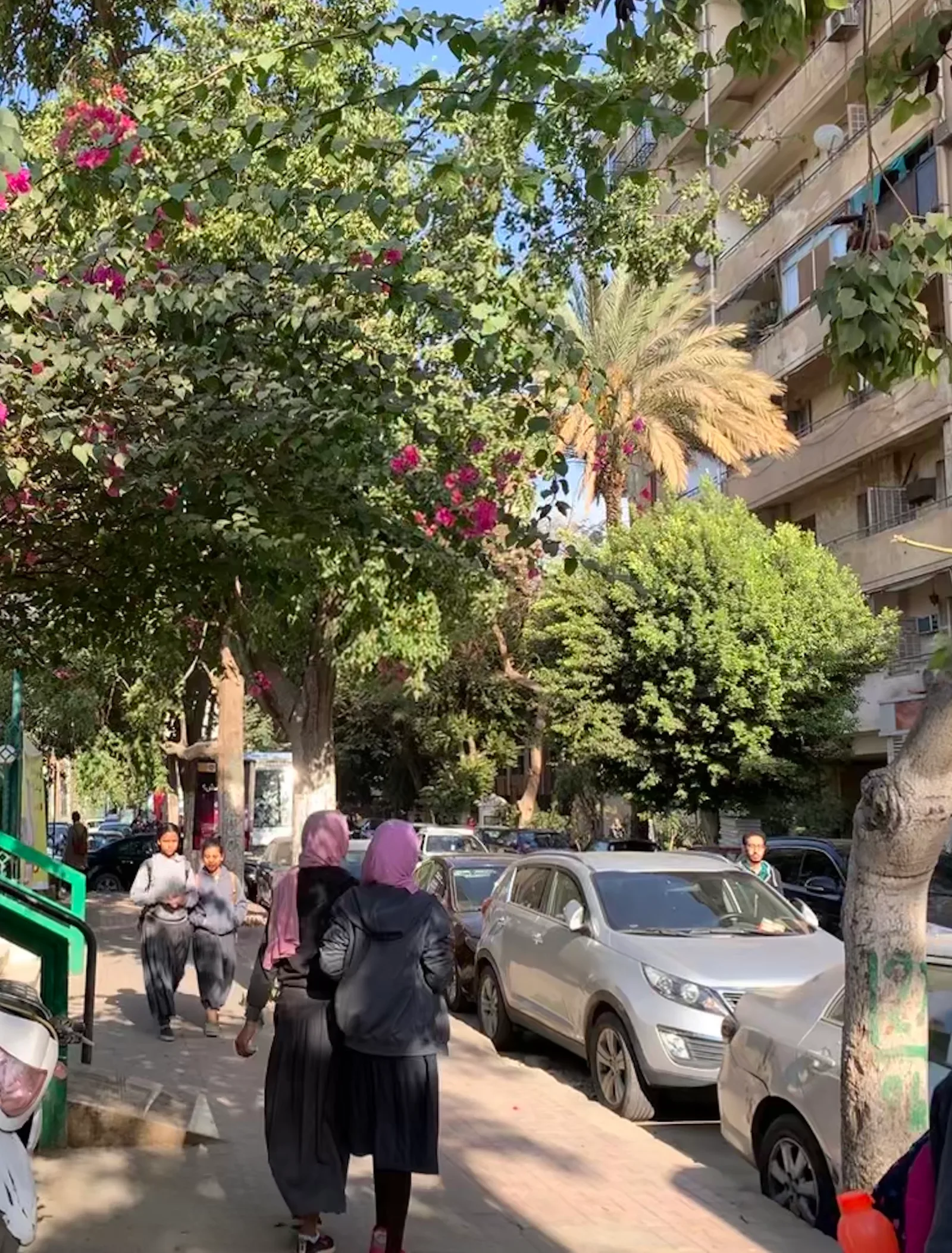
Akıllıca Bir Okul Dönüşü: 12 Eylül Zili Çalmadan Aile Bütçesi Rehberi
Mısır'da okulların 12 Eylül'de açılmasına sayılı günler kala, okula dönüş bütçesi için pratik bir rehber: açıklanan resmî okul ücretleri, geçen yıldan kalan eşyaların sayımı, alışverişte öncelik sıralaması, gerçekçi tasarruf taktikleri — ve en büyük kalem olan özel dersleri dizginlemenin yolları.
18 Ağustos 2026 · 6 dk okuma