Ekran çağında çocuk yetiştirmek: Pediatri kurumları gerçekte ne öneriyor?
Panik ile teslimiyet arasında bir yerde, dünyanın önde gelen pediatri kurumları çocuklar ve ekranlar konusunda sakin, kanıta dayalı bir yol gösteriyor: Yaş sınırları gerçekte ne diyor? Uyku neden önce geliyor? İçeriğin niteliği dakika sayısından neden daha önemli? Ve aile medya planı pratikte nasıl işliyor?
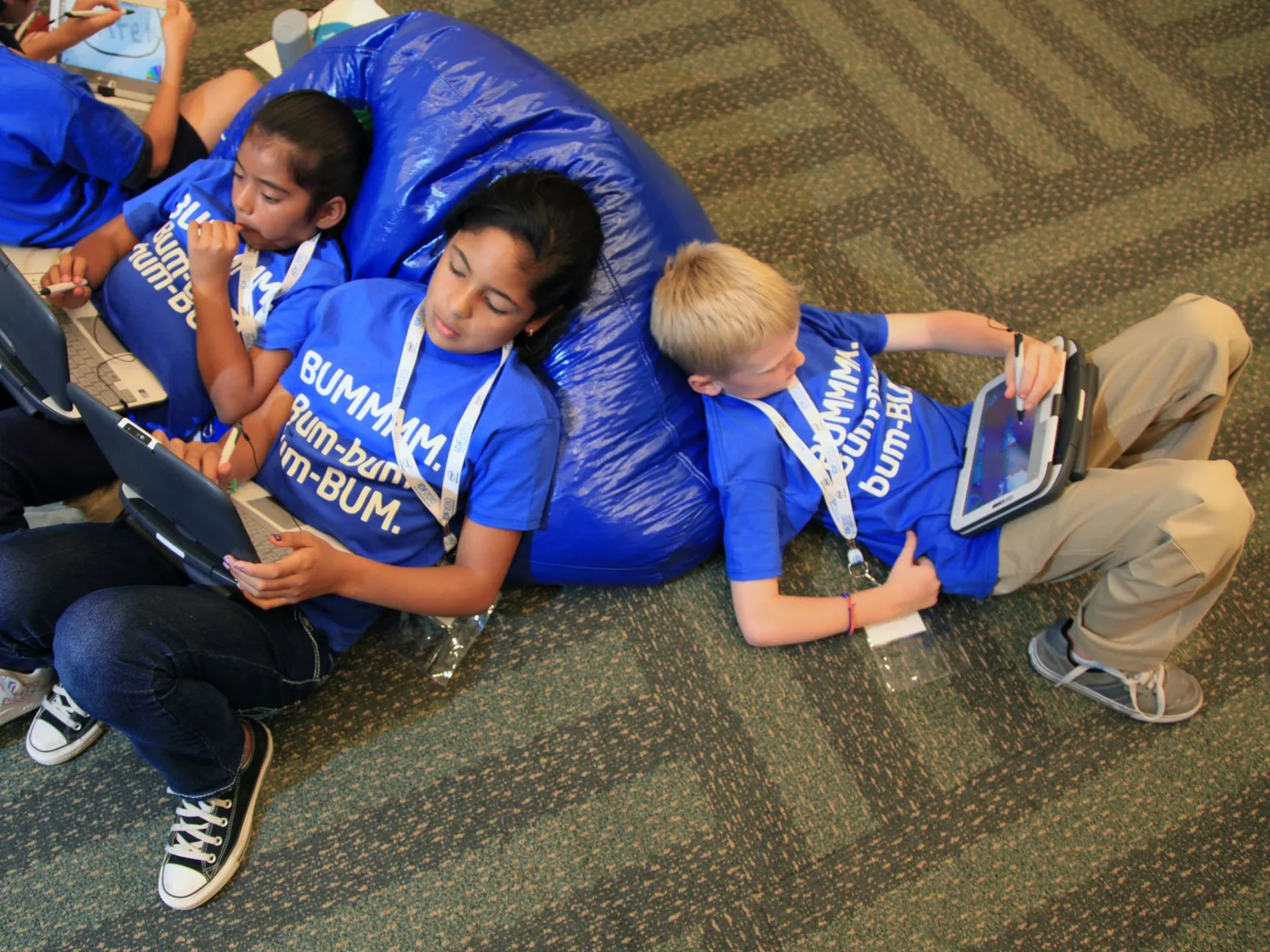
Mısır evlerinde hiçbir çocuk yetiştirme meselesi, ekran kadar her gün sürtüşme yaratmaz: aile davetinde küçük bir çocuğu susturan telefon, anneye ya da babaya bir saatlik sükûnet satın alan tablet, akşam boyunca açık duran televizyon. Ekranların bir felaket olduğunu ilan eden sesler ile bütün kaygıyı hafife alanlar arasında, anne babalar sloganlardan iyisini hak ediyor. Dünyanın önde gelen çocuk sağlığı kuruluşları, aralarında Dünya Sağlık Örgütü ve Amerikan Pediatri Akademisi de olmak üzere, kanıtları inceledi ve uygulanabilir öneriler yayımladı; bu öneriler, gürültünün düşündürdüğünden çok daha sakin ve çok daha işe yarar.
Bebekler ve yaklaşık iki yaşın altındaki çocuklar için tavsiye en net hâliyle şöyledir: ekran medyasından neredeyse tümüyle uzak durun; tek sıcak istisna, büyükanne ve büyükbabalarla, akrabalarla yapılan canlı görüntülü görüşmelerdir. Bunun nedeni ekranların gizemli bir zarar yayması değil, bebeğin dili ve düşünmeyi canlı insan yüzlerinden, seslerden ve karşılıklı etkileşimden öğrenmesidir; laboratuvar çalışmaları bebeklerin videodan neredeyse hiçbir şey öğrenmediğini sürekli olarak gösteriyor. Bu yaşta ekran karşısında geçen her saat, beyni gerçekten inşa eden etkileşimden çalınmış bir saattir.
İki ile beş yaş arasındaki çocuklar için en çok anılan üst sınır günde bir saat civarıdır; Dünya Sağlık Örgütü ise açıkça ekliyor: azı daha iyidir. İçeriğin türü, miktarı kadar önemlidir: yavaş tempolu, özenle tasarlanmış eğitici programları, ekranda görüneni konuşan bir yetişkinle birlikte izlemek, algoritmaların beslediği bitmek bilmeyen video selinden bambaşka bir dünyadır. Bu yaşta annenin ya da babanın çocuğun yanına oturup adlandırması, soru sorması ve gülmesi, edilgen izlemeyi birlikte kitap okumaya benzer bir şeye dönüştürür.
Okul çağındaki çocuklar ve ergenler söz konusu olduğunda, çocuk sağlığı kuruluşları artık sihirli tek bir dakika sayısında ısrar etmiyor; bunun yerine önceliklere dayanan istikrarlı aile kuralları öneriyorlar: çocuğun yaşına uygun yeterli uyku, günde en az bir saat hareket, ödevler, öğünler ve yüz yüze aile hayatı için zaman; geriye kalanı ise ekranlar alır. Amerikan Pediatri Akademisi, kuralların her gece yeniden pazarlık konusu olmaması, önceden kararlaştırılması için ailelerin açık bir “aile medya planı” yazmasını teşvik ediyor.
En güçlü ve en tutarlı kanıtlar uykuyla ilgilidir. Akşam saatlerindeki ekranlar yatma vaktini geciktirir; yaydıkları ışık, bedene uyku vaktinin geldiğini bildiren hormon olan melatonini baskılar, oyunların ve videoların uyarıcılığı da gerisini tamamlar. Uygulamadaki kurallar basit ve çoğu kılavuzda pazarlığa kapalıdır: çocuğun yatak odasında televizyon ve telefon bulunmasın, bütün ekranlar uykudan yaklaşık bir saat önce kapansın, cihazlar geceleyin odanın dışında şarj edilsin. İyi uyuyan bir çocuk, bu tek alışkanlıktan, pek çok başka müdahalenin toplamından daha fazlasını kazanır.
Çocuğun ne izlediği, ne kadar izlediği kadar önemlidir. Hızlı kesmelerle akan çılgın içerik, dikkati sürekli yenilik beklemeye alıştırır; şiddet içeriği geniş bir araştırma külliyatında saldırganlıkla ilişkilendirilir; öneri algoritmaları ise çocuğun gelişimine hizmet etmek için değil, izlemeyi uzatmak için tasarlanmıştır. Uçsuz bucaksız otomatik oynatma yerine belirli programlar seçmek, çocuk hesaplarını ve ebeveyn denetimi araçlarını eksik birer yardımcı olarak kullanmak ve hepsinden önemlisi çocuğun yanında izleyip görüneni konuşmak; bütün bunlar terazinin dengesini platformun çıkarından ailenin çıkarına kaydırır.
Ayrı bir başlık açmayı hak eden sessiz bir suçlu daha var: gün boyu arka planda açık kalan televizyon. Araştırmalar, arka plandaki televizyonun anne baba ile çocuk arasındaki konuşmanın hem miktarını hem niteliğini azalttığını ve küçüklerin oyununu böldüğünü ortaya koydu; oysa çocuk esasen bu iki etkinlikle öğrenir. Çaresi hiçbir şeye mal olmuyor: kimse gerçekten izlemiyorsa cihazı kapatın ve yemek saatlerini herkes için ekransız tutun. Bir yetişkinin bir çocukla sohbet ettiği sessiz bir oda, göründüğünden çok daha zengin bir sınıftır.
Araştırmacılar meseleyi giderek daha çok “yerinden etme” kavramıyla çerçeveliyor: ekranların zararı, her şeyden önce neyin yerine geçtiklerinde yatıyor. Çocukluğun serbest oyuna, harekete, hayal gücünü doğuran can sıkıntısına, kâğıt kitaplara ve hepsinden önce konuşmaya ihtiyacı vardır; konuşan bir çocukla karşılık veren bir yetişkin arasındaki o alışverişe, ki dil bilimleri bunu kelime dağarcığının büyüme motoru sayar. Bunları güvenceye alan bir ailenin makul bir ekran süresinden paniğe kapılmasına gerek yoktur; bunları yitiren bir aileye ise en gelişmiş eğitim uygulamaları bile yitirdiğini geri veremez.
Anne babaların kendi alışkanlıkları da reçetenin bir parçasıdır. Çocuklar gördüklerini taklit eder; akşam yemeğinde telefonuna dalmış bir baba, yüksek sesle ilan edilen her kuraldan daha etkili bir ders verir. Çocuk sağlığı kılavuzları, ekranı her öfke nöbetini yatıştıracak otomatik araç hâline getirmeye karşı da uyarıyor: çocuğun can sıkıntısına ve hayal kırıklığına dayanmayı çalışmaya ihtiyacı vardır ve her rahatsız edici anı silen bir cihaz, bu çalışmayı da onunla birlikte siler. Uzun bir yolculukta arada bir başvurmak hayatın gerçeğidir; her sessizlik anında refleksle cihaza uzanmak ise kırılmayı hak eden bir alışkanlıktır ve işe önce büyükler başlamalıdır.
Bir ailenin önündeki uygulanabilir yol ne yasak ne teslimiyettir; açık bir mutabakattır: yatak odaları ve yemek masası gibi ekransız bölgeler, uykudan önceki saat gibi ekransız zamanlar, sürüklenilen değil seçilen içerik ve hazır bekleyen çekici alternatifler; bir top, boya kalemleri, mutfakta küçük bir görev, bir masal. Değişim, ani yasaklarla değil kademeli ilerlediğinde çok daha yumuşak olur; uzaktaki akrabalarla görüntülü konuşmalar ise her yaşta hoş karşılanmayı sürdürür. Ekran evin içindeki bir araçtır; koşullarını da algoritma değil aile belirler.
İlgili Haberler

«Katbü'l-kitab»dan önce: Kanunun zorunlu kıldığı sağlık raporu ne ortaya çıkarıyor, evliliği neden engellemiyor?
Mısır'da nikâh akdinin kıyılmasından —«katbü'l-kitab»dan— önce zorunlu bir sağlık muayenesi yapılır; bu, me'zunun ya da kilisenin talep ettiği, QR kodlu bir raporla sonuçlanır. Bu muayene neyi tespit ediyor, maliyeti ne kadar, nerede yapılıyor, ve Mısır için neden bu kadar önemli? En önemlisi: sonucu ne olursa olsun, evliliği neden hiçbir zaman engelleyemiyor? «Ya bende bir şey çıkarsa» diye endişelenen nişanlılar için sakin bir rehber.
12 Eylül 2026 · 9 dk okuma
12 Eylül Zili Çalmadan: Çocukların Uyku Saatini Sıfırlamak İçin İki Haftalık Plan
Mısır'da okulların 12 Eylül'de açılmasına sayılı günler kala uyku uzmanları, çocukların yatma ve uyanma saatlerini son geceye bırakmadan, şimdiden her gece 15-20 dakika öne çekmeyi; ekran süresini ve sabah ışığını da buna göre ayarlamayı öneriyor. İşte planın tamamı ve her yaş için önerilen uyku süreleri.
23 Ağustos 2026 · 6 dk okuma
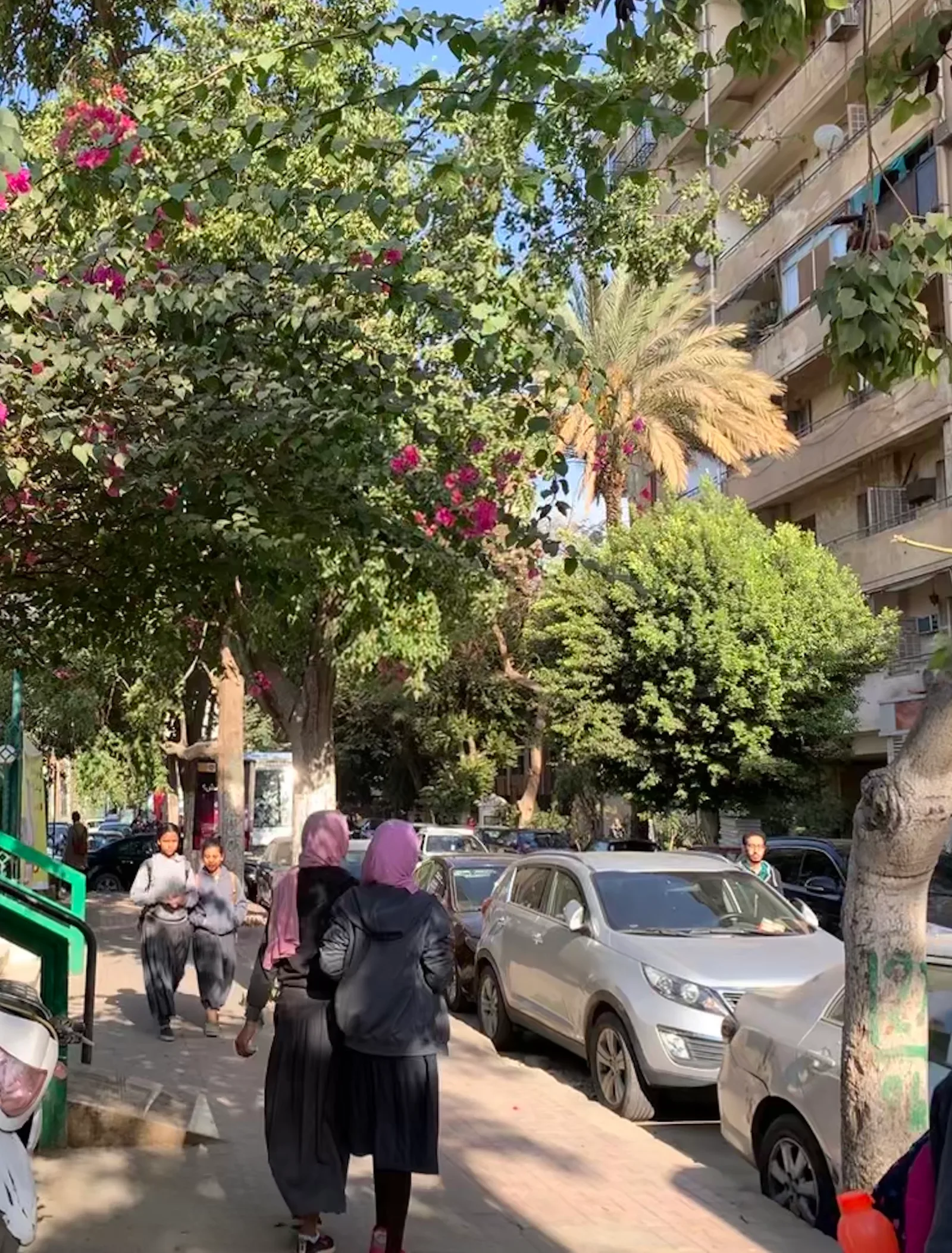
Akıllıca Bir Okul Dönüşü: 12 Eylül Zili Çalmadan Aile Bütçesi Rehberi
Mısır'da okulların 12 Eylül'de açılmasına sayılı günler kala, okula dönüş bütçesi için pratik bir rehber: açıklanan resmî okul ücretleri, geçen yıldan kalan eşyaların sayımı, alışverişte öncelik sıralaması, gerçekçi tasarruf taktikleri — ve en büyük kalem olan özel dersleri dizginlemenin yolları.
18 Ağustos 2026 · 6 dk okuma