Mısır'da evlilik masrafı sarmalı: Mehir, şebke, daire... ve yeniden alevlenen sade düğün tartışması
Mehirden 'şebke' denilen nişan takısına, daireden çeyiz listesine, Mısır'da evlilik listesi gençlerin hayallerini erteleyen mali bir dağa dönüştü. Masrafların anatomisine, arkasındaki toplumsal baskılara ve daha sade düğünlere çağıran, giderek güçlenen dinî ve toplumsal seslere sakin bir bakış.
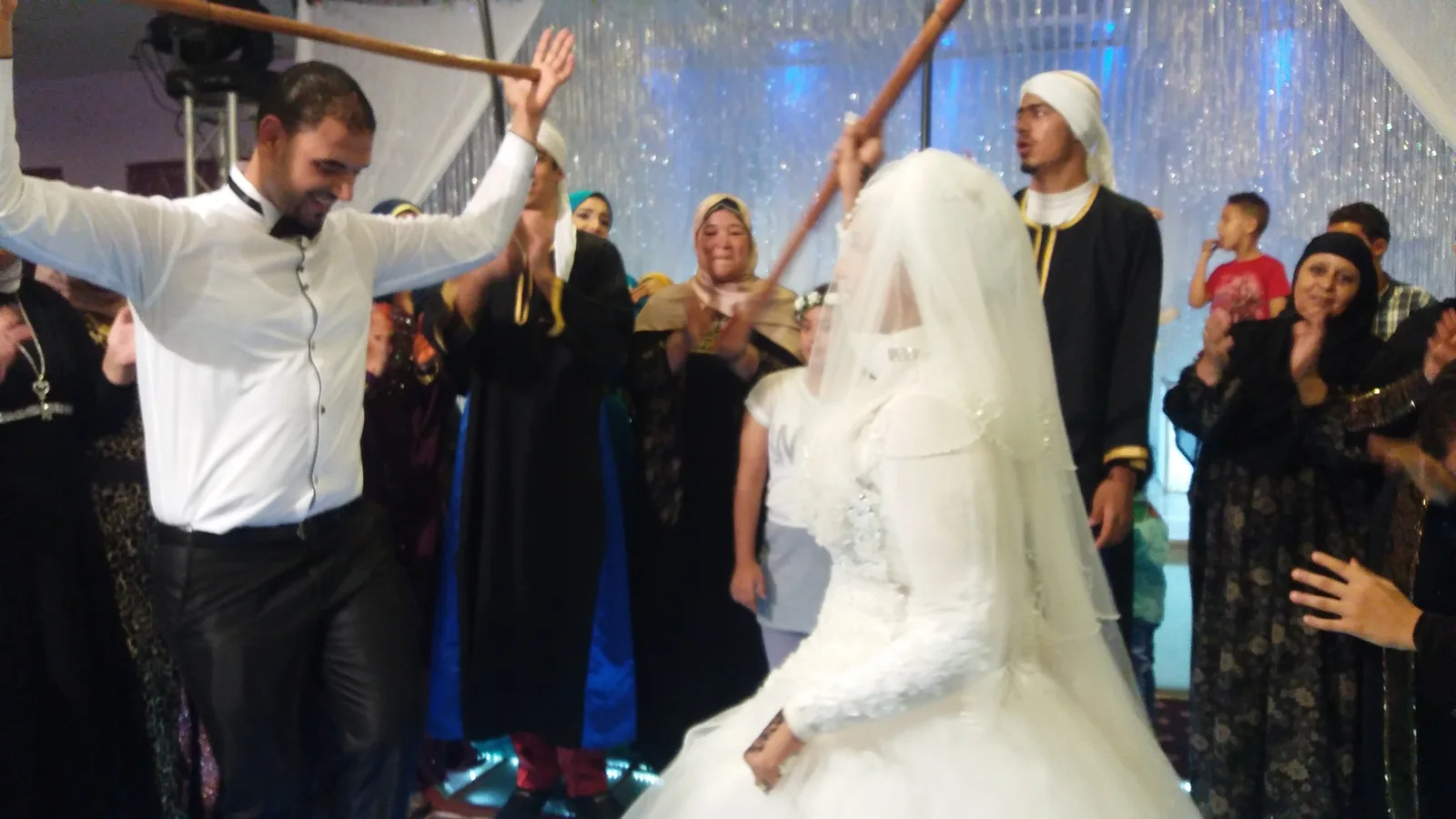
Mısırlıların hayatında evlilik kadar hem sevinç hem de hesap taşıyan pek az an vardır. Zaffa denen gelin alayından ve düğün salonundan çok önce, iki aile her kuşakta biraz daha ağırlaşan bir listeyi konuşmak üzere pazarlık masasına oturur: mehir, altın takı, daire, mobilya, beyaz eşya ve nihayet düğünün kendisi. Bir zamanlar mütevazı hediyelerle mühürlenen bir ahit, pek çok hane için tırmanması yıllarca birikim isteyen mali bir dağa dönüşmüş, evlilik masrafları da onlarca yıldır ülkenin bitip tükenmeyen gündemi haline gelmiştir.
Bu listenin kendine ait bir sözlüğü vardır. Mehir, damadın geline verdiği bedeldir; İslam'da dinî bir yükümlülüktür ve şeriat bunun için bir alt sınır koymaz. Şabka ise altındır — yüzükler, bilezikler, kimi zaman bir takımın tamamı — ve ağırlığı çoğu kez ciddiyetin ölçüsü olarak okunur. Ardından daire gelir, gehaz adıyla bilinen mobilya ve ev aletleri gelir; pek çok ailede de “kayma” vardır: evlilik evinin eşyalarını tek tek sayan, imzalı bir döküm; gelinin kendi malları üzerindeki hakkını güvence altına alır.
Yükleri paylaştıran şey kanun değil, örftür; örf ise bölgeden bölgeye, sınıftan sınıfa değişir. En yaygın kent düzeninde daireyi ve şabkayı damat üstlenir, evin büyük bölümünü ise gelinin ailesi döşer; kırsalda denge farklı kurulabilir. Teoride her kalem pazarlığa açıktır. Uygulamada ise aileler akrabaların ve komşuların gözünü üzerlerinde hisseder; cimri görünme — ya da kızın kıymetini düşürme — korkusu iki tarafı da güçlerinin son sınırına, kimi zaman da ötesine iter.
Listenin en ağır kalemi konuttur. Kahire'de, İskenderiye'de ve Delta'nın kalabalık şehirlerinde mütevazı bir dairenin fiyatı bile sıradan bir maaşın uzun yıllarını yutabilir; bu yüzden “dairesi var mı?” sorusu çoğu zaman ahlaka ve karaktere dair her sorudan önce gelir. Kimi damatlar kaba inşaat halindeki daireleri alıp oda oda tamamlar, kimileri uzun taksit planlarının altına imza atar, çoğu ise bütün işi erteler. Nişanlılıkları yıllarca uzatan şey, altından da düğünden de çok, konut engelidir.
Kutlamanın da kendine has bir enflasyonu vardır: düğün salonu ya da otel, çiftin oturduğu koşa, şarkıcı ya da DJ, fotoğraf ve video, gelinlikler ve takım elbiseler, yüzlerce davetliye akşam yemeği. Bunların her biri, ailelerin itibarlarını sergiledikleri bir sahneye dönüştü. Sosyal medya karşılaştırmayı iyice keskinleştirdi: bugün her düğün çekiliyor, paylaşılıyor ve başkalarınınkiyle ölçülüyor. Pek çok baba kendi arasında düğüne giden paranın yeni evin içine harcanmasının daha doğru olacağını kabul ediyor; ama azaltma cesaretini ilk gösteren olmayı çok az kişi göze alıyor.
Sosyologlar ve din adamları bu masraflarla evlilik yaşındaki yavaş yükselişi çoktandır birbirine bağlıyor. Genç erkekler listeyi karşılayabilecek hale gelene kadar dünür göndermeyi erteliyor; nişanlılıklar uzuyor, kimi zaman baskı altında dağılıyor; aileler birikimlerini tüketiyor ya da parayı denkleştirmek için mahalle sandığı sayılan gameyata giriyor. Yük yalnızca damadın omzunda değil: gelin aileleri de evi döşemek için sık sık tarla ya da altın satıyor ve iki hane evlilik hayatına borçlu başlayabiliyor.
Mısır'daki dinî kurumlar nesillerdir kolaylaştırmayı öğütlüyor. Müslüman âlimler, nikâhın en bereketlisinin masrafı en hafif olanı olduğunu bildiren hadisi hatırlatıyor; cuma hutbeleri aileleri mehirleri ve beklentileri düşürmeye düzenli olarak çağırıyor; Kıpti rahipler de evlenecek çiftlere aynı yönde nasihat ediyor. Dinî mesaj hep aynı: evlilik bir ahit ve bir sorumluluktur, gösteri vitrini değil; onu gençlerin gücünün üstüne çıkarmak başlı başına toplumsal bir zarardır.
Alternatifler ortadadır ve yaygınlaşmaktadır. Ülkenin dört bir yanındaki hayır dernekleri, onlarca çifti bir seferde evin temel ihtiyaçlarıyla donatan toplu düğünler düzenliyor; bu, pek çok vilayette köklü bir gelenek. Bazı aileler artık açıkça sembolik bir mehirle yetindiklerini ya da kaymayı tümüyle kaldırdıklarını ilan ediyor ve bu tercihi bir taviz değil, bir güven işareti olarak sunuyor. Sade düğünleri öven tanınmış isimler ve vaizler internette geniş bir alkış topluyor; bu da örfler yavaş kımıldasa bile tartışmanın yön değiştirdiğinin işareti.
Bugün evlenmeye hazırlananlara danışmanların yinelediği öğüt şudur: listeyi önem sırasına koyun. Sağlam bir daire ve temel eşyalar evliliğe onlarca yıl hizmet eder; görkemli tek bir gece etmez. Nişandan önce bütçeyi açıkça konuşmak, kuzenlerinizle ve iş arkadaşlarınızla kalem kalem yarışa girmemek, altının sonradan da eklenebileceğinde anlaşmak — hepsi, ailelerin masrafı açık bir çatışmaya girmeden sessizce kısmasının yollarıdır. Bunu başaran çiftler sonrasında hemen hemen aynı şeyi söylüyor: avizeleri kimse hatırlamıyor.
Bütün bunlar Mısır düğününün güzelliğinden hiçbir şey eksiltmez — zaffanın davulları, zılgıtlar, iki geniş ailenin tek bir aile halinde buluşması. Ne var ki toplumun kendine sorduğu soru “kutlayalım mı, kutlamayalım mı?” değil; “hangi bedelle?” ve bedel her yükseldiğinde “kim kapının dışında kalıyor?” sorusudur. Her ninenin dediği gibi evlilik, eşya dökümlerine değil anlayışa dayanır; kalıcı olan yuvalar da nadiren en ağır listeyle başlayanlardır.
İlgili Haberler

«Katbü'l-kitab»dan önce: Kanunun zorunlu kıldığı sağlık raporu ne ortaya çıkarıyor, evliliği neden engellemiyor?
Mısır'da nikâh akdinin kıyılmasından —«katbü'l-kitab»dan— önce zorunlu bir sağlık muayenesi yapılır; bu, me'zunun ya da kilisenin talep ettiği, QR kodlu bir raporla sonuçlanır. Bu muayene neyi tespit ediyor, maliyeti ne kadar, nerede yapılıyor, ve Mısır için neden bu kadar önemli? En önemlisi: sonucu ne olursa olsun, evliliği neden hiçbir zaman engelleyemiyor? «Ya bende bir şey çıkarsa» diye endişelenen nişanlılar için sakin bir rehber.
12 Eylül 2026 · 9 dk okuma

12 Eylül Zili Çalmadan: Çocukların Uyku Saatini Sıfırlamak İçin İki Haftalık Plan
Mısır'da okulların 12 Eylül'de açılmasına sayılı günler kala uyku uzmanları, çocukların yatma ve uyanma saatlerini son geceye bırakmadan, şimdiden her gece 15-20 dakika öne çekmeyi; ekran süresini ve sabah ışığını da buna göre ayarlamayı öneriyor. İşte planın tamamı ve her yaş için önerilen uyku süreleri.
23 Ağustos 2026 · 6 dk okuma
Akıllıca Bir Okul Dönüşü: 12 Eylül Zili Çalmadan Aile Bütçesi Rehberi
Mısır'da okulların 12 Eylül'de açılmasına sayılı günler kala, okula dönüş bütçesi için pratik bir rehber: açıklanan resmî okul ücretleri, geçen yıldan kalan eşyaların sayımı, alışverişte öncelik sıralaması, gerçekçi tasarruf taktikleri — ve en büyük kalem olan özel dersleri dizginlemenin yolları.
18 Ağustos 2026 · 6 dk okuma