跳至正文

埃及的小额诉讼与消费者投诉:不花大钱也能讨回公道

许多人以为打官司是有钱人的专利,于是放弃了自己的小额权益。这是一份实用指南,介绍成本较低的维权途径:消费者保护局及其19588热线、经济法院、支付令、调解委员会,以及诉讼费减免。
发布于 2026年8月18日·6 分钟阅读

Walk through any Egyptian neighbourhood and you will hear the same stories: a washing machine that broke a week after purchase, a rental deposit that was never returned, a workshop that charged for repairs it never made. Most of these stories end the same way — the wronged person gives up, convinced that going to court costs more than the claim is worth. The belief is understandable, but it is often wrong. Egyptian law has built several low-cost paths for small disputes, and knowing where they start is half the battle.

For problems with goods and services, the cheapest first stop is the Consumer Protection Agency. It receives complaints free of charge through its hotline, 19588, its website and its offices. The agency contacts the merchant or service provider, pushes for an amicable settlement, and can refer violations for investigation where the law provides for fines. You need no lawyer and pay no fees at this stage; what you need is a clear account of the problem and the documents that prove it.

Egypt's consumer protection law spells out rights that many shoppers never invoke: a clear invoice for every purchase, warranty terms that must be honoured, and the repair, replacement or refund of defective goods within time limits the law defines. It also prohibits misleading advertising. Keeping receipts and warranty cards is therefore not a formality — it is your first weapon in any dispute, and the difference between a complaint the agency can act on and a story it can only sympathise with.

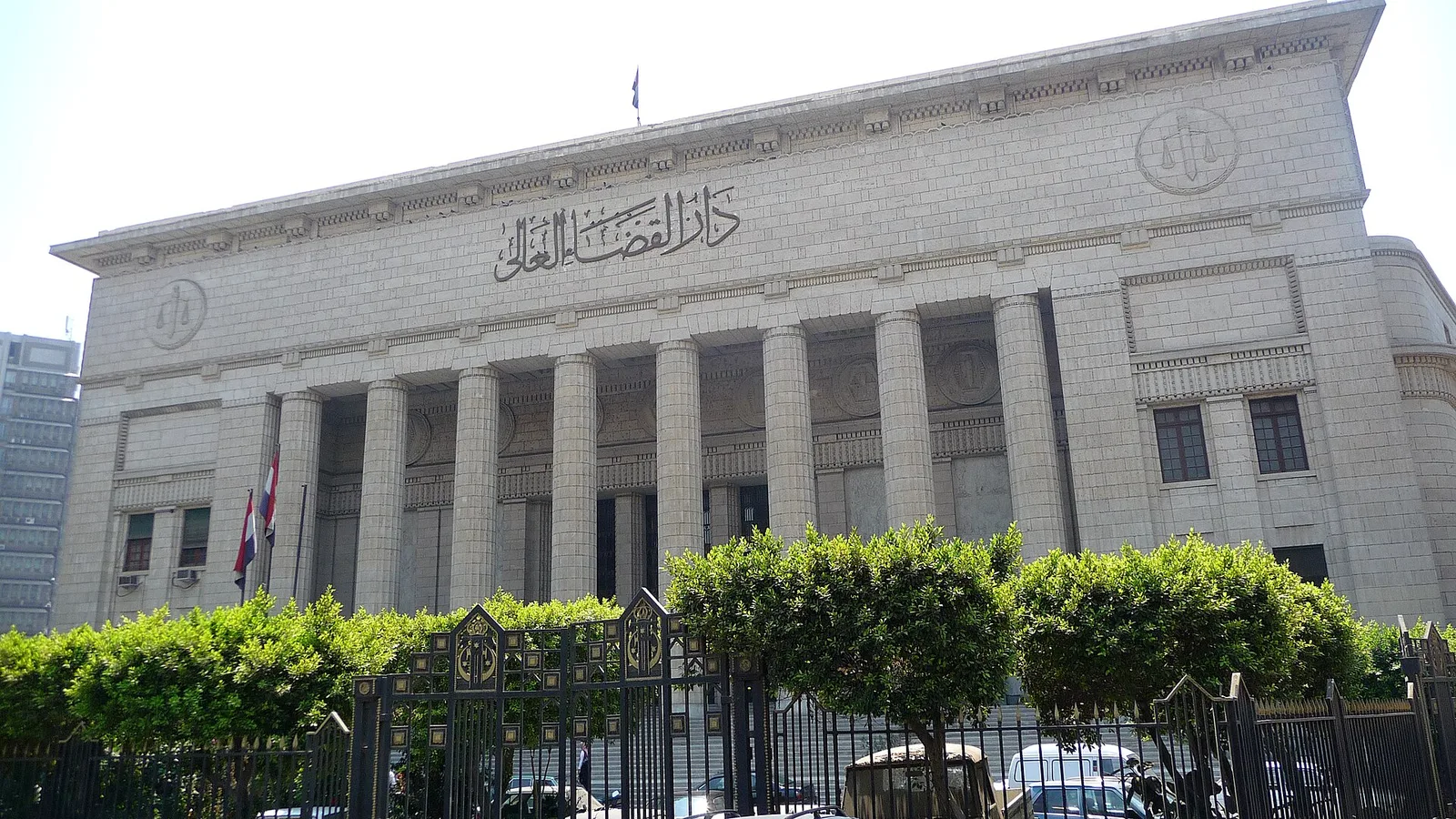
When mediation fails, consumer disputes do not go to the ordinary civil courts but to the economic courts, created by Law No. 120 of 2008. These specialised courts were designed to concentrate commercial expertise and cut the delays that weigh down ordinary litigation, and disputes under the consumer protection law fall within their jurisdiction. Bringing a case still involves procedure and paperwork, but the specialised circuits were built precisely so that a citizen's dispute with a company does not drown in a general docket.

For ordinary small civil claims — an unpaid sum, a modest contract dispute — the venue is usually the partial court, the single-judge court closest to home, which hears claims below a value threshold set by law and adjusted over the years. Court fees in Egypt are largely proportional, calculated from the value of the claim, which means a small claim carries a small fee. The idea that any lawsuit costs a fortune usually comes from big commercial cases; it does not describe a claim over a few thousand pounds.

One tool deserves to be far better known: the payment order, or amr adaa. When a debt is a fixed sum of money, proven in writing and already due — a bounced cheque, a signed acknowledgement of debt, an accepted invoice — the creditor can ask the judge to issue an order on the documents alone, without a full trial. The debtor can object and push the matter into ordinary litigation, but many straightforward debts end at this stage, quickly and cheaply, because the paper speaks for itself.

Disputes with government bodies follow a different route. Law No. 7 of 2000 created conciliation committees attached to ministries and public agencies, and for many types of claims a citizen must present the dispute to the committee before filing suit. The step costs nothing, and it is not merely a formality: the committees do recommend settlements, and the file you build there — applications, replies, dates — becomes the backbone of any later case.

Whatever the route, preparation decides outcomes. Gather the contract, the receipts, the photographs and the messages, and write down dates and names while they are fresh in memory. A formal notice served through a court bailiff — the indhar — puts your demand and its date on official record, and surprisingly often it produces a settlement on its own, because it sends the other side a clear signal that you know the road and intend to walk it to the end.

Cost should not bar the courthouse door. Egyptian procedure allows litigants who cannot afford fees to apply for judicial assistance, including exemption from court fees. The bar association operates legal aid mechanisms, several law faculties run legal clinics, and civil society organisations offer free counselling on consumer and labour matters. Before assuming a lawyer is beyond your means, ask; for a small, well-documented claim, the work involved — and the fee — is usually modest.

Be realistic about the end of the road. Winning a judgment is not the same as collecting the money; enforcement runs through the execution bailiffs and takes its own time. That is one more reason the early, cheap steps matter: a settlement reached through the agency's mediation or after a formal notice is money in hand, while a judgment is a right on paper that still needs executing. Weigh time, cost and probability honestly before each new escalation.

None of this is stubbornness over trivial sums. When consumers pursue fair claims, merchants who cut corners pay a price and honest ones gain an edge — the small claim is how a market disciplines itself. Start with the free channels: the hotline, the written complaint, the formal notice. Escalate deliberately, with documents in hand. The system has more doors than most people believe, and most of them cost far less than walking away from your right.

相关报道

埃及的小额诉讼与消费者投诉:不花大钱也能讨回公道 | 公民之声