行车上路:埃及交通法中你的权利与义务
必须随身携带的证件、法律要求车内配备的装备、发生事故或收到罚单后应遵循的明确步骤。这份服务指南讲解埃及每位驾驶人最需要了解的交通法规——依据的是法律条文,而不是道听途说。
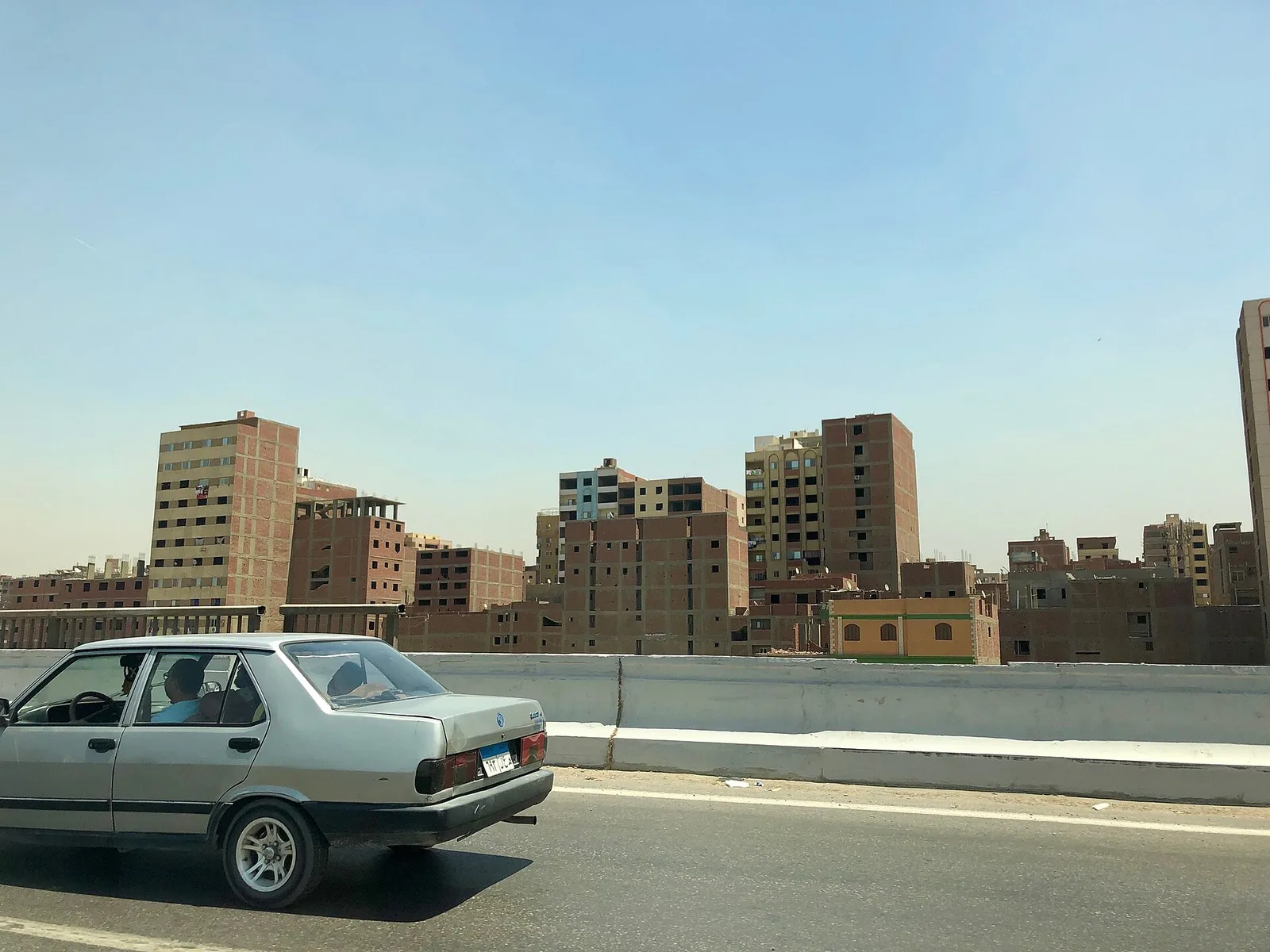
Few laws does the Egyptian citizen deal with as often as the traffic law — yet many people's knowledge of it rests on hearsay rather than the text. The governing framework here is the Traffic Law issued as Law No. 66 of 1973 and its successive amendments, most notably the sweeping tightening package introduced in 2008, alongside the compulsory motor accident insurance system. Understanding this framework spares a driver fines — and can spare far worse.
The first foundation is paperwork. Driving requires a valid driving licence of the appropriate class — a private licence is not granted below the age of eighteen — plus a valid vehicle licence for the car itself. The practical golden rule: carry both licences at all times. Producing them when a traffic officer asks is a legal duty, and their absence is a violation in its own right, even if the documents sit perfectly valid at home.
Tied to licensing is a condition without which no licence is renewed: compulsory civil-liability insurance for motor accidents, covering death or injury the vehicle causes to others. This is not a fee without a purpose. It is the mechanism that guarantees an injured person compensation even when the party at fault cannot pay — and it protects the driver from liabilities that could exceed anything he or she could bear.
Inside the vehicle, the law imposes direct obligations: a seat belt for the driver of a car, a protective helmet for a motorcyclist, and no young children in the front seat. The law also explicitly prohibits using a handheld mobile phone while driving — a ban backed by well-established global evidence that phone distraction multiplies the odds of a collision several times over.
Amendments to the law also mandate equipment that must be present in the car: a working fire extinguisher, a first-aid kit, and a reflective warning triangle, alongside sound lights, brakes, and licence plates. Drivers answer for these at inspection and renewal, and the logic is purely practical: a car broken down at night without a reflective triangle is an immediate danger to its owner and to everyone else.
Speed is governed by what the signs on each road announce, with maximum limits varying between city streets and highways, and violations captured by radar. Speeding is not a "technical" offence: it is among the most thoroughly documented causes of road deaths in Egypt and worldwide, and the difference between two speeds can be, quite literally, the difference between a fracture and a funeral.
And if an accident happens? Law and practice draw clear steps. Stop immediately — leaving the scene of an accident in which someone was injured is a separate crime. Aid the injured and call the ambulance and emergency services. Then notify the police and have a report drawn up, because that report is the document on which both compensation and insurance rest. Where possible, photograph the vehicles' positions before moving them if police ask you to clear the road.
When a ticket is written, the driver has rights as well as duties: the right to know which violation is being recorded, the right to pay the fine through official channels — traffic units and the electronic payment portals that have expanded in recent years — and the right to contest the violation before the competent authorities rather than assuming the door is closed. Paying or appealing on time prevents fines from snowballing and blocking your renewal.
Sanctions in the law escalate from fines to the withdrawal or suspension of the licence for specific violations, reaching imprisonment for grave offences — above all, driving under the influence of drugs or alcohol, which the law treats with particular severity. In the law's philosophy, a licence is not an absolute right but a conditional permission, revocable from anyone proven to be a danger on the road.
In the end, the law alone does not make a safe road. Road crashes claim thousands of lives in Egypt every year, according to consistent official and international statistics, and most happen for avoidable reasons: speeding, phone distraction, neglected maintenance, reckless overtaking. Knowing your rights on the road protects you from a fine; respecting its rules protects your life and the lives of those you love. Both, ultimately, are faces of the same citizenship.
相关报道
埃及的小额诉讼与消费者投诉:不花大钱也能讨回公道
许多人以为打官司是有钱人的专利,于是放弃了自己的小额权益。这是一份实用指南,介绍成本较低的维权途径:消费者保护局及其19588热线、经济法院、支付令、调解委员会,以及诉讼费减免。
2026年8月18日 · 6 分钟阅读
如果警察拦下你或你被逮捕:逐步了解你的宪法权利
埃及宪法第54条为任何逮捕或羁押设定了成文规则:立即以书面形式告知理由、任何讯问前有权获得律师、可与家人联系,并须在24小时内移交侦查机关。一份冷静的权利普及指南,适用于检查站盘查与被捕之后。
2026年8月18日 · 6 分钟阅读

从月球上能看到中国长城吗?宇航员早已给出答案
教科书里有个人们津津乐道的说法:中国长城是从月球上唯一可见的人造建筑。但亲身登上太空的宇航员——包括中国首位航天员本人——都给出了否定答案,光学原理也支持他们。至于从太空真正能看到什么——从城市灯火到熠熠生辉的尼罗河三角洲——那是一个更精彩的故事。结论:错误。
2026年8月18日 · 5 分钟阅读