每一滴水都要精打细算:节水为何成为埃及的生存命题?
一个靠一条大河生存的沙漠之国,人均水资源已跌破国际水贫困线:这不是遥远报告里的字句,而是埃及的日常现实。为什么节约用水已成为每个家庭、每座农场、每家工厂的共同事业?我们每个人又能做些什么?
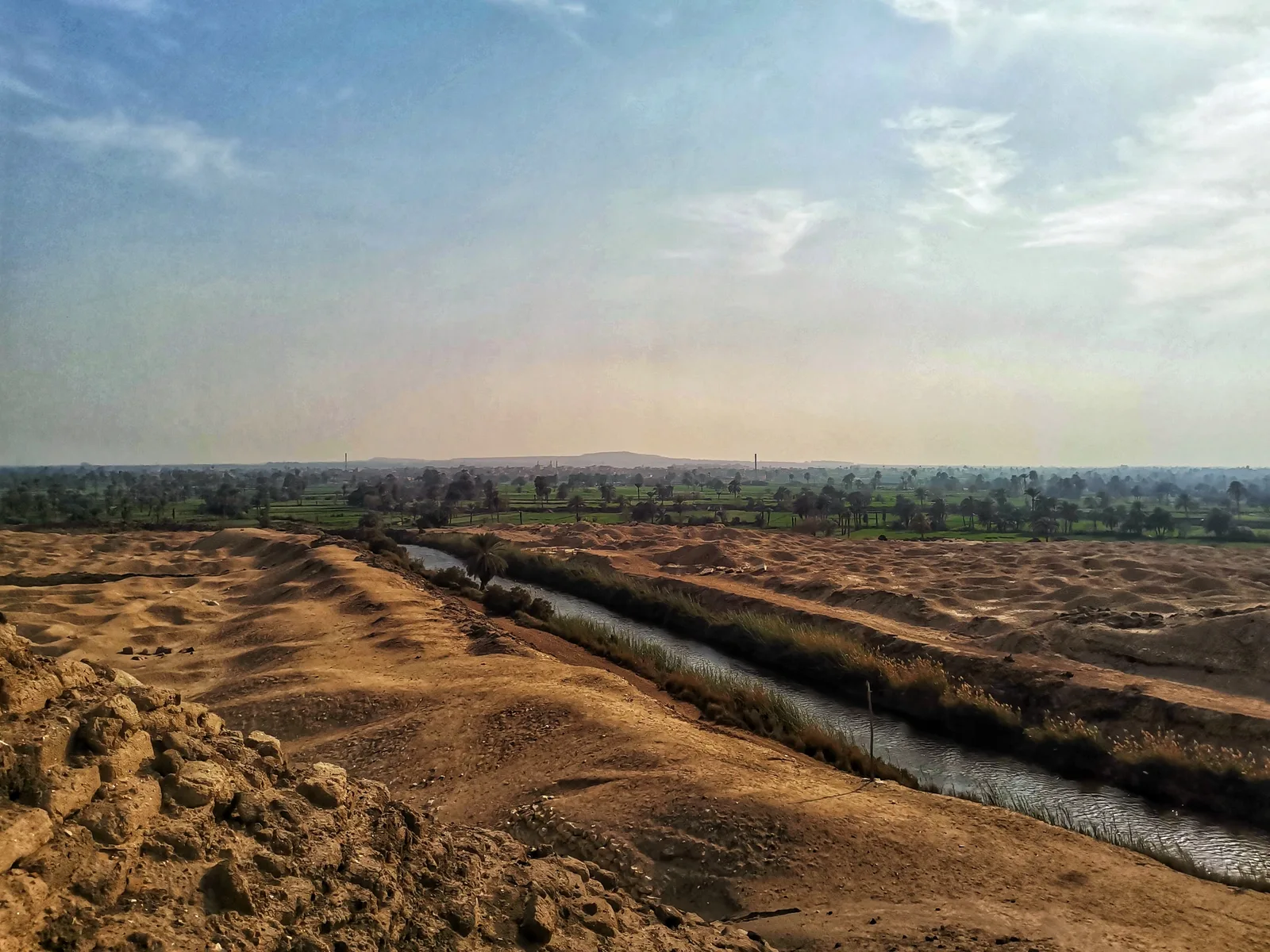
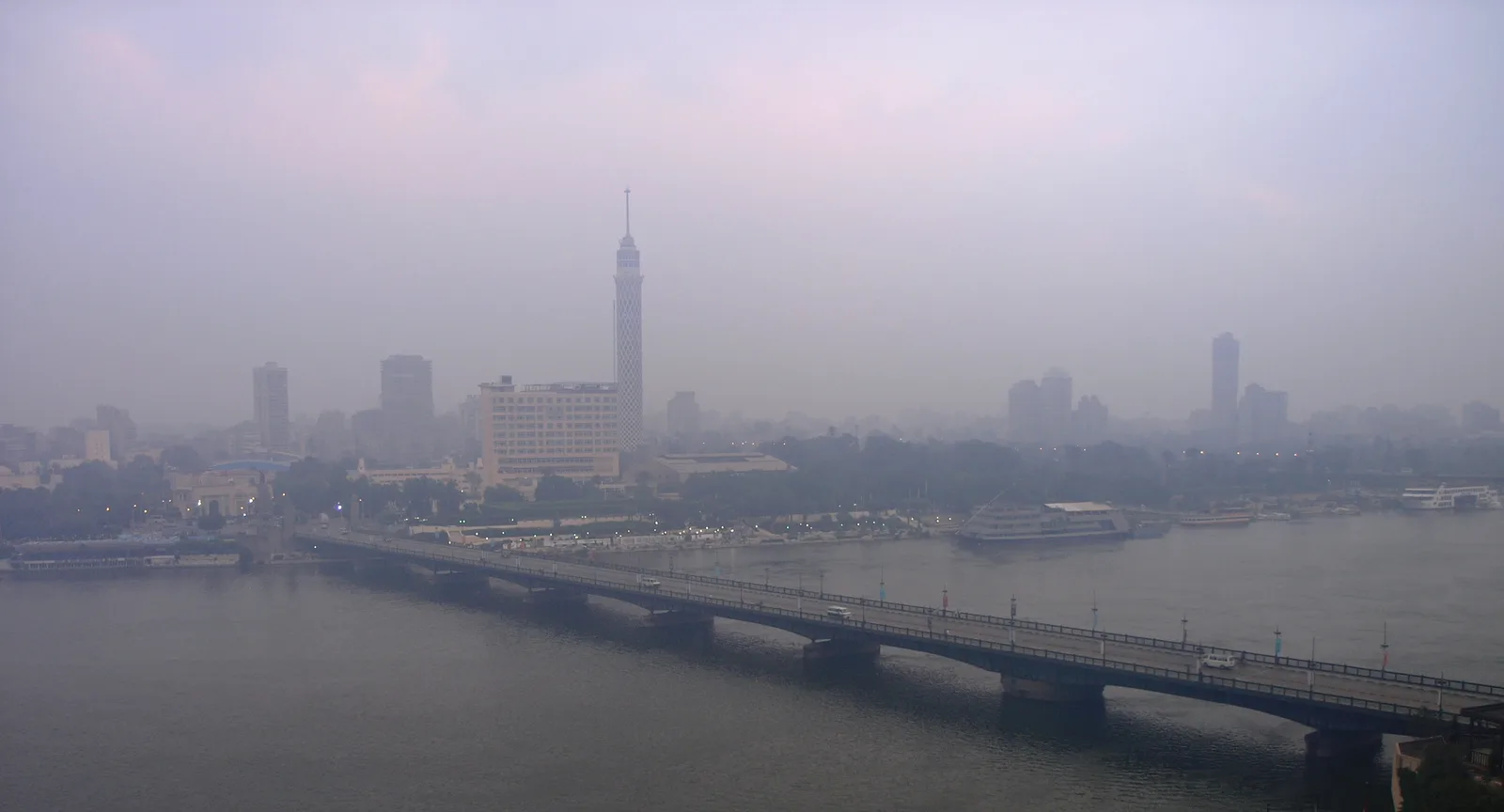
Egypt, in its geographic essence, is a desert pierced by a river. More than ninety-five percent of its territory is arid land, and roughly ninety-seven percent of its renewable water comes from a single source — the Nile — most of whose water rises beyond Egypt's borders and travels thousands of kilometres before arriving. That simple fact is the key to understanding why talk of water conservation in Egypt is no longer an environmental luxury but a matter of national security and survival.
The headline numbers are settled and documented. Egypt's share of Nile water has been fixed since the 1959 agreement at 55.5 billion cubic metres a year — essentially the same share for more than sixty years — while the population has multiplied to beyond one hundred million. The arithmetic allows no escape: the per-capita water share has fallen to roughly half the global water-poverty threshold of one thousand cubic metres a year, placing Egypt formally within the zone of water scarcity.
The pressures compound year upon year: population growth adding millions of mouths every few years; climate change threatening higher temperatures, greater evaporation, and disrupted rainfall at the Nile's sources; and dam construction upstream that has sharpened the water question in Egyptian public consciousness. All of it deepens the gap between fixed resources and rising needs — unless every drop is managed wisely.
To understand where the water goes, one number suffices: agriculture consumes the largest share of Egypt's water, estimated at three-quarters or more. Any serious conversation about conservation therefore begins in the field, not at the tap. Flood irrigation methods inherited over thousands of years lose enormous volumes to evaporation and seepage — and converting part of that loss into savings is the equivalent of building entirely new water resources.
The state has moved in this direction with major documented projects: a national programme to rehabilitate and line irrigation canals stretching over thousands of kilometres, cutting seepage losses and improving delivery to the canal ends; programmes converting flood irrigation to modern drip and sprinkler systems across wide areas; and agricultural policies that cap the acreage of water-hungry crops — rice above all — while promoting varieties that drink less and mature faster.
Alongside conservation, Egypt has turned forcefully to water reuse, building giant plants that treat agricultural drainage water and return it to the production cycle. The most prominent, the Bahr El-Baqar plant, ranks among the largest treatment plants in the world and serves vast reclamation projects in Sinai, alongside other major plants serving the New Delta schemes. The drop once lost to the drains is now treated and used to farm the land a second time.
On the coasts, the country is expanding seawater desalination to supply coastal cities and resorts with drinking water — freeing volumes of Nile water once piped to those areas across long distances. Desalination is energy-hungry and costly, but in the strategic ledger it relieves the river of burdens others can carry, and its cost keeps falling worldwide as the technology advances.
Where does the citizen stand in all this? Household use may look small beside the fields, but at the scale of millions of families it is a river in itself. A tap leaking drop by drop wastes thousands of litres a year on its own; a faulty toilet cistern does the same; open-ended showers, washing cars with a running hose, and sluicing pavements with fresh water are habits that drain what we cannot afford to lose. Fixing leaks, fitting water-saving aerators, closing the tap while washing up or brushing teeth: small acts that add up to something large.
There is a deeper face of conservation we rarely notice: the hidden water in our food. Every loaf and every dish consumed real water in its production, and wasting food is a double waste of the water that produced it. Cutting what travels from table to bin, and buying only what we need, is water wisdom as much as it is household economics.
Awareness remains the bridge between policy and behaviour. The school that teaches its children that a drop is wealth; the mosque and the church that recall the explicit religious injunction against wasting water even from a flowing river; the media that make conservation a culture rather than a seasonal campaign — all are partners in a battle no law and no project can win alone.
Twenty-five centuries ago, the Greek historian Herodotus called Egypt the gift of the Nile — and he was right. But the river's gift is no longer given without account. The river that built a civilisation now asks its children to manage it with the mind of people who know that every drop counts. Conservation, in the end, is not deprivation of water; it is the only guarantee of its endurance — for us, for our children, and for those who will stand on these banks a hundred years from now.
相关报道

埃及扫盲:挑战之巨与改变成年人命运的课堂
最新人口普查显示,埃及十岁以上人口中约四分之一是文盲——数以百万计的成年人从未学过识字。从扫盲与成人教育总局,到民间组织的课堂和大学生志愿者,本文带你走近这些教学项目,看看什么方法真正有效。
2026年8月18日 · 6 分钟阅读
埃及的道路安全:有据可查的风险与行之有效的对策
每年都有成千上万埃及人丧生于道路交通事故。事故原因有据可查:超速、车况不达标、执法时紧时松;而在其他国家大幅降低死亡人数的对策同样有据可查。本文解读科学证据的结论,以及为什么没有一起道路死亡是命中注定。
2026年8月18日 · 6 分钟阅读

人口增长:如何把吞噬发展成果的重负,变成人力财富?
埃及人口已突破一亿,而发展每前进一步,人口增长就吞掉其中一大块。但伊朗、孟加拉国、印度尼西亚、突尼斯和韩国的经验证明,转变是可能的:从拖垮经济的重负,变成撑起复兴的人力财富。这是一张切实可行的方案图:家庭该做什么,国家该做什么,媒体又该做什么。
2026年8月18日 · 7 分钟阅读