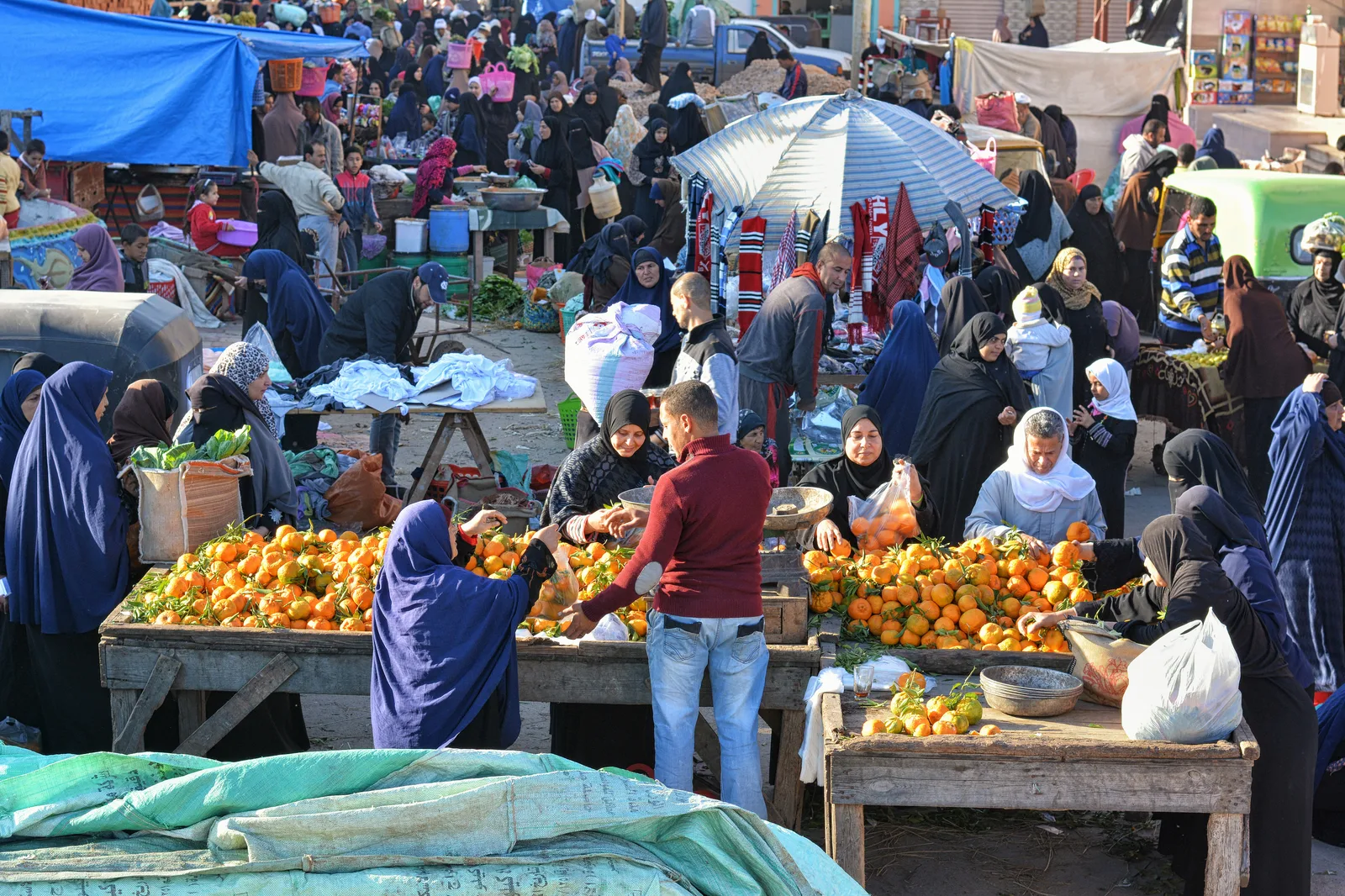
埃镑与菜篮子:市场上的通胀如何运作?埃及家庭如何应对?
为什么同样一篮子大米、食用油和蔬菜一季比一季贵——连本地种植的农产品也不例外?本文浅显解读通胀与埃镑币值如何从港口一路传导到市场摊位、补贴如何缓冲冲击,以及埃及家庭久经考验的应对之道。
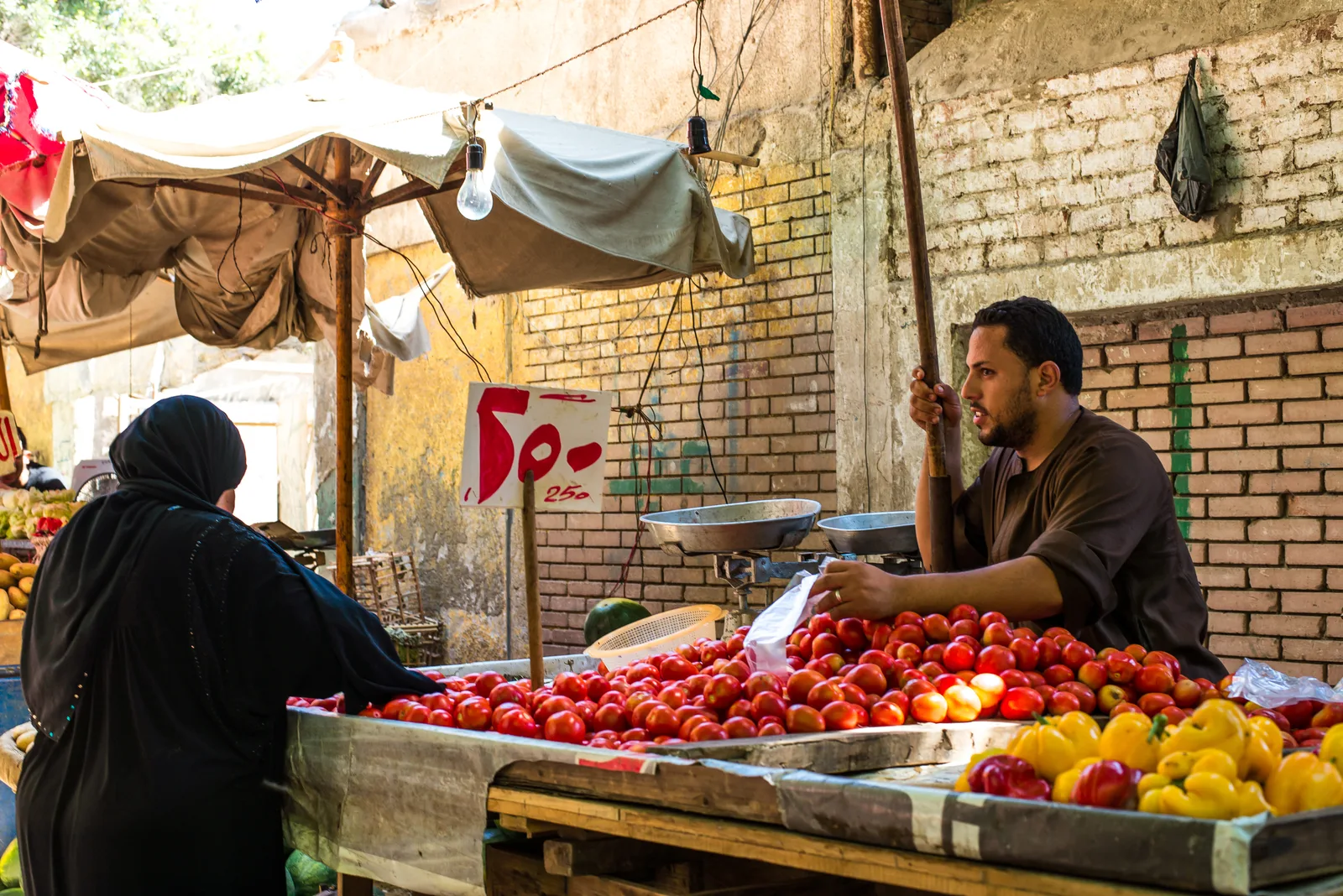
Anyone who shops for a household in Egypt knows the feeling: the same basket of rice, oil, vegetables and bread seems to cost more with every passing season. This explainer does not quote today's prices or exchange rates, which change constantly. Instead, it explains the machinery behind the numbers — what inflation actually is, why the pound's value reaches the vegetable stall, how subsidies cushion the blow, and the strategies Egyptian families have long used to stretch a fixed income across a rising bill.
Inflation is simply a sustained rise in the general level of prices, which is another way of saying a fall in the purchasing power of money: the same banknote buys less than it did. Egypt's statistics agency, CAPMAS, measures it by tracking the cost of a fixed basket of goods and services. Because food and drink make up a large share of what the average Egyptian household spends, food inflation is felt more sharply here than in countries where groceries are a small slice of the budget.
The exchange rate matters because Egypt imports a large share of what it eats and uses. The country is one of the world's largest importers of wheat, and it buys cooking oils, maize and soy for animal feed, pharmaceutical ingredients and fuel from abroad. Imports are priced in dollars. When the pound weakens against the dollar, the same shipment of wheat or oil costs more pounds at the port — and that increase travels through mills, bakeries and wholesalers until it reaches the shop shelf.
Locally produced goods are not immune, and this puzzles many shoppers: why should Egyptian cheese or chicken cost more because of the dollar? The answer is that local production leans on imported inputs. Poultry farms buy imported feed; farmers buy fertiliser and seed affected by world prices; factories buy packaging and spare parts; and everything moves on trucks burning fuel. Each link passes part of its higher cost to the next, so a weaker currency seeps even into products that never crossed a border.
Expectations add their own momentum. A merchant who fears that restocking will cost more tomorrow raises prices today to cover replacement cost, and households that fear shortages buy extra, briefly emptying shelves and pushing prices further. This is why governments campaign against hoarding and publicise supply figures during turbulent periods. None of this is unique to Egypt — it is textbook economics — but it explains why prices sometimes jump faster than any single cost on its own can justify.
Against these pressures stands the subsidy system. Ration cards under the tamween programme entitle registered family members to monthly quotas of subsidised staples, and the separate baladi bread programme keeps the loaf's price far below its cost for tens of millions of beneficiaries. State-run consumer complexes and seasonal outlets sell goods at reduced margins. Subsidies do not stop inflation, but they anchor the price of survival staples — which is why reforms of the system are always debated with such intensity.
Households respond with substitution, the quiet art of the Egyptian kitchen. When red meat drifts out of reach, tables shift toward poultry, eggs, and the great legume tradition — ful, lentils, koshari — that delivers protein at a fraction of the cost. Shoppers move from branded to loose goods, from imported to local, and from large cuts to smaller ones. Buying vegetables in season, when supply peaks and prices dip, remains one of the oldest and most effective defences a household has.
Watch the package, not only the price tag. A common response by producers to rising costs is 'shrinkflation': the price stays familiar while the packet quietly loses grams. Comparing the unit price — the cost per kilo or per litre — reveals what the shelf label conceals. Families also blunt big-ticket costs collectively: the gam'iyya, a rotating savings circle among relatives, neighbours or colleagues, remains a widespread way to fund school fees, appliances or debt repayments without formal borrowing.
Inflation also punishes idle cash, which is why saving behaviour changes with prices. Egyptians have long treated gold as a store of value for weddings and emergencies, and banks periodically offer high-interest savings certificates designed to keep holding pounds attractive. Each option carries its own risks and trade-offs, and this article describes behaviour rather than recommending it — but the underlying logic is the same: money that sits still in a drawer loses purchasing power every month that prices rise.
None of these mechanisms makes a tight month easy. But understanding them changes how a shopper reads the market: a price rise stops being a merchant's whim and becomes a chain that starts at ports and exchange rates and ends at the till. Knowing your ration-card entitlements, comparing unit prices, cooking with the season and planning purchases together are not tricks — they are the accumulated wisdom of households that have navigated many economic cycles before this one.
相关报道

新行政首都:它是什么?政府如何搬迁?成本之争为何不休?
在开罗以东约45公里处,埃及正从零开始建造一座新的政务中枢。新行政首都究竟是什么?各部委的分阶段搬迁如何推进?它与开罗如何连接?它的造价又为何始终是一场有据可查的真实争论?
2026年8月18日 · 5 分钟阅读

从月球上能看到中国长城吗?宇航员早已给出答案
教科书里有个人们津津乐道的说法:中国长城是从月球上唯一可见的人造建筑。但亲身登上太空的宇航员——包括中国首位航天员本人——都给出了否定答案,光学原理也支持他们。至于从太空真正能看到什么——从城市灯火到熠熠生辉的尼罗河三角洲——那是一个更精彩的故事。结论:错误。
2026年8月18日 · 5 分钟阅读

维生素C能预防感冒吗?数十年临床试验的真实结论
数百万人一打喷嚏就把希望寄托在维生素C上。但数十年的对照试验讲述的故事更为微妙:对大多数人而言,它并不能预防感冒;若平时坚持服用,或可略微缩短病程——真正的预防效果只见于马拉松选手、滑雪运动员和承受极端体能消耗的士兵。结论:部分属实。
2026年8月18日 · 5 分钟阅读