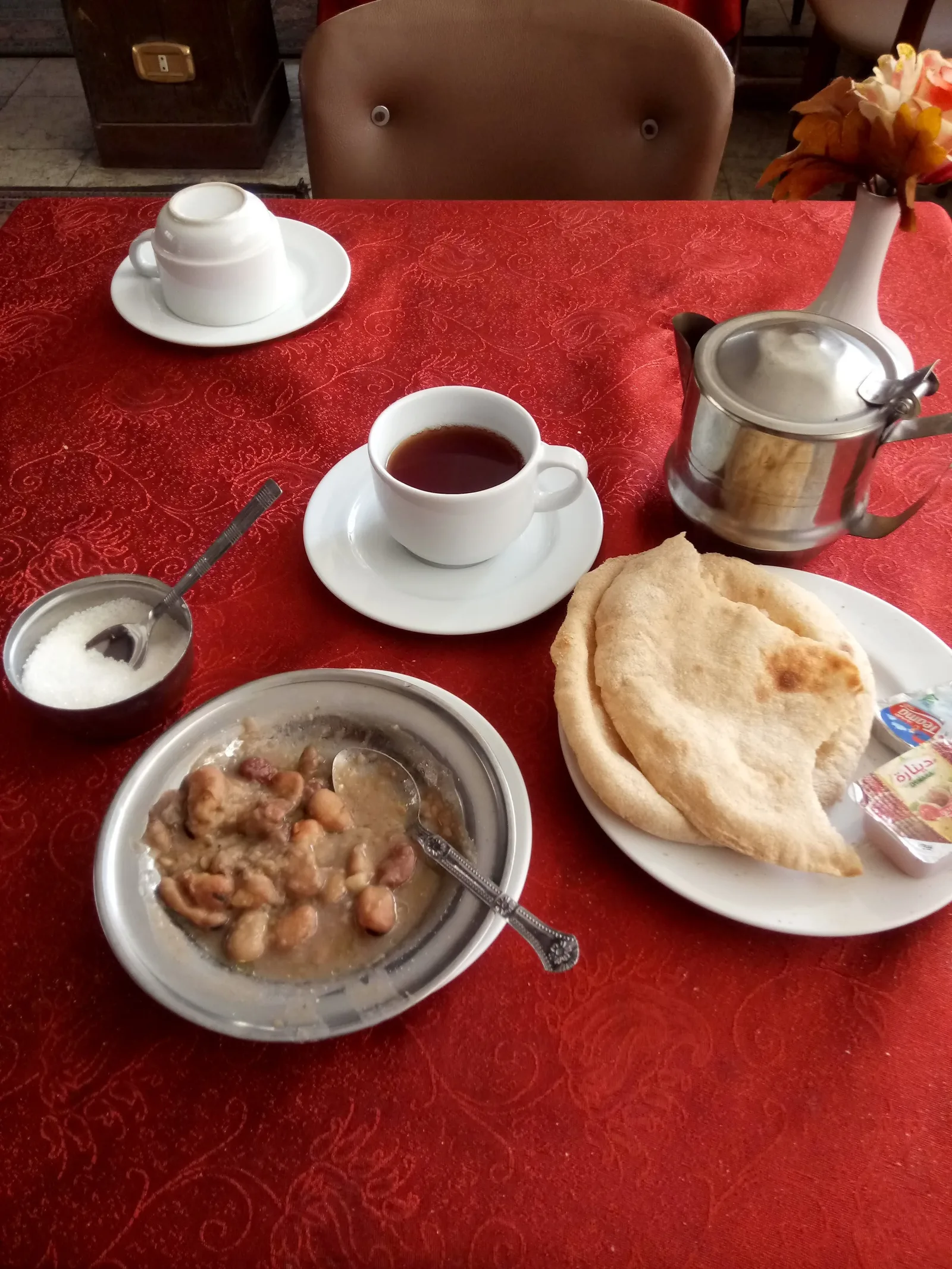
鱼和奶同食会中毒或得白癜风?老一辈的说法可信吗
一个在埃及、阿拉伯世界乃至更远地区代代相传的迷思:鱼与奶同食会导致中毒或白癜风。对于这个仍左右着千家万户餐桌的说法,医学和营养学怎么说?核查结论:不实。
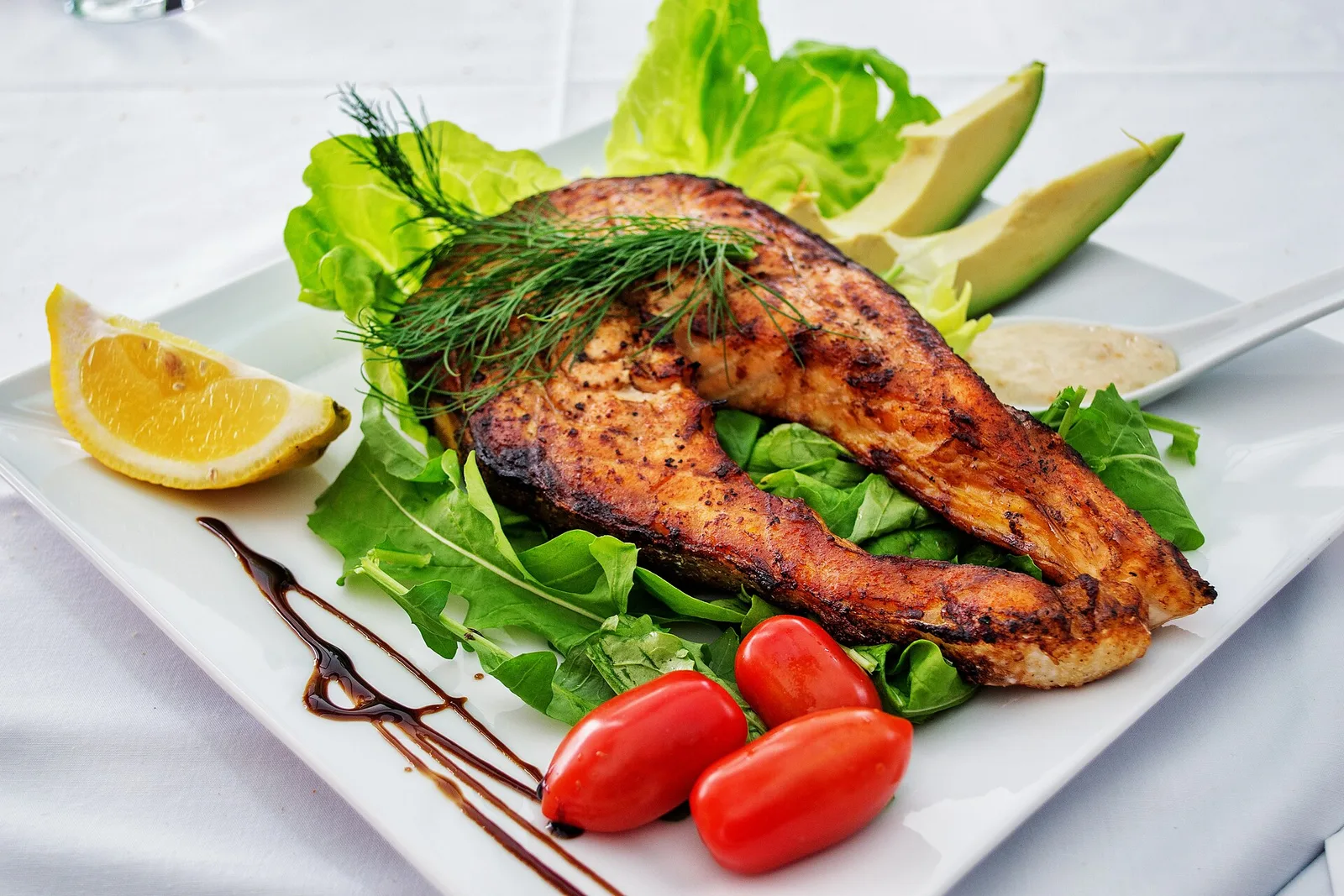
Hardly a fish dinner passes in an Egyptian home without the famous warning: no milk after fish. The belief that combining fish with dairy causes poisoning, violent indigestion or even vitiligo is deeply rooted and passed down through generations — and not only in Egypt. It thrives across many Arab countries, the Indian subcontinent and parts of Eastern Europe, marking it as one of the oldest and most widespread food myths in the world.
Yet scientific scrutiny of the claim runs into a simple fact: nowhere in the medical or nutritional literature is there evidence that combining fish and milk harms a healthy person. Both are high-quality animal proteins, and the human digestive system is built to handle mixed meals — the stomach and intestines secrete enzymes that break down proteins, fats and starches together regardless of their source. Medicine knows of no mechanism by which this particular pairing could turn toxic.
The practical evidence sits on the world's tables every day. French cuisine has cooked fish in cream and butter sauces for centuries; American chowder is built on fish or shellfish simmered in milk; Italian cooking pairs tuna with cheese; sushi restaurants serve rolls with cream cheese; and traditional Egyptian and Levantine dishes combine seafood with yogurt-based tahini sauces. If the combination were poisonous, hospitals from Paris to Tokyo would overflow with its victims. They never have.
The most damaging part of the myth — linking fish and milk to vitiligo — is flatly contradicted by modern dermatology. Vitiligo is an autoimmune condition in which the immune system attacks the melanin-producing pigment cells of the skin, with genetic and immunological factors playing the central role. Its causes have been studied at length, and no rigorous research has ever established a link between the disease and any food combination, let alone a glass of milk drunk after a fish meal.
This unjust association carries a real human cost. People with vitiligo already endure harsh social stigma, and the myth adds an implicit accusation that their illness is punishment for a dietary mistake — something medicine rejects entirely. The myth also leads some families to deprive affected children of foods rich in calcium, protein and omega fatty acids without any scientific justification, turning a superstition into genuine nutritional harm.
Where did the myth come from? Folklore researchers trace it to a blend of old sources, including historical medical theories that classified foods as hot and cold and deemed certain combinations corrupting to the body's humours — ideas whose echoes reached folk medicine in our region. Coincidence then cemented it: real cases of food poisoning after fish meals are caused by the fish itself having spoiled, while blame falls on the innocent glass of milk that happened to accompany the meal.
That is the most likely explanation for the inherited poisoning tales. Fish is among the fastest foods to spoil, and poor storage allows histamine to form, producing what is known as scombroid poisoning — nausea, flushing, rash and digestive upset that appear quickly after eating and resemble an allergic reaction. If the sufferer happened to drink milk with the meal, the illness gets attributed to the combination rather than to the spoiled fish, and each new case feeds the myth again.
There remain legitimate individual reasons for caution that have nothing to do with the myth: someone with a true fish or shellfish allergy will react to fish with or without milk; someone with lactose intolerance will be troubled by dairy no matter what accompanies it; and anyone who overeats a heavy, rich meal may simply feel unwell. These are known, specific medical situations — not evidence of any supposed toxicity in the pairing itself.
The myth offers a lesson in how food superstitions work in general: a simple frightening story, told by people we trust, reinforced by scattered coincidences, and resistant to correction because the cost of obeying it seems trivial. But the cost is not always trivial. Food myths deprive millions of nutritious foods and distract public health awareness from real dangers — above all food spoilage and poor storage, which is the genuinely worrying issue where fish is concerned.
Final verdict: the claim that combining fish and milk causes poisoning or vitiligo is FALSE. Not a single piece of scientific evidence supports it, the world's cuisines have refuted it daily for centuries, and medicine confirms vitiligo is an autoimmune disease unrelated to diet. The only golden rule here: buy fresh fish, keep it chilled, cook it well — and drink as much milk afterwards as you please.
相关报道

从月球上能看到中国长城吗?宇航员早已给出答案
教科书里有个人们津津乐道的说法:中国长城是从月球上唯一可见的人造建筑。但亲身登上太空的宇航员——包括中国首位航天员本人——都给出了否定答案,光学原理也支持他们。至于从太空真正能看到什么——从城市灯火到熠熠生辉的尼罗河三角洲——那是一个更精彩的故事。结论:错误。
2026年8月18日 · 5 分钟阅读

维生素C能预防感冒吗?数十年临床试验的真实结论
数百万人一打喷嚏就把希望寄托在维生素C上。但数十年的对照试验讲述的故事更为微妙:对大多数人而言,它并不能预防感冒;若平时坚持服用,或可略微缩短病程——真正的预防效果只见于马拉松选手、滑雪运动员和承受极端体能消耗的士兵。结论:部分属实。
2026年8月18日 · 5 分钟阅读
迎战“第四代战争”:我们这样用科学方法粉碎谣言
我们不只是新闻的搬运工;我们是第一家公开宣布迎战“第四代战争”的新闻平台。在这篇文章中,我们向读者讲清这类战争究竟是什么,谣言如何被炮制出来、用以打击埃及的经济与社会安定;我们公开自己依靠专家与专业人士层层核实的科学方法,也告诉每一位公民:在按下“分享”键之前,如何为自己筑起免疫屏障。
2026年8月18日 · 6 分钟阅读