尼罗河被塑料"扼住喉咙":拯救埃及生命线的日常之战
渔民的小船捞起的瓶子已经比鱼还多,清理河道的行动在河岸边发展成一门小小的经济。这是塑料垃圾步步侵蚀埃及生命线的故事——也是这场战斗为何与每一个埃及家庭息息相关的原因。
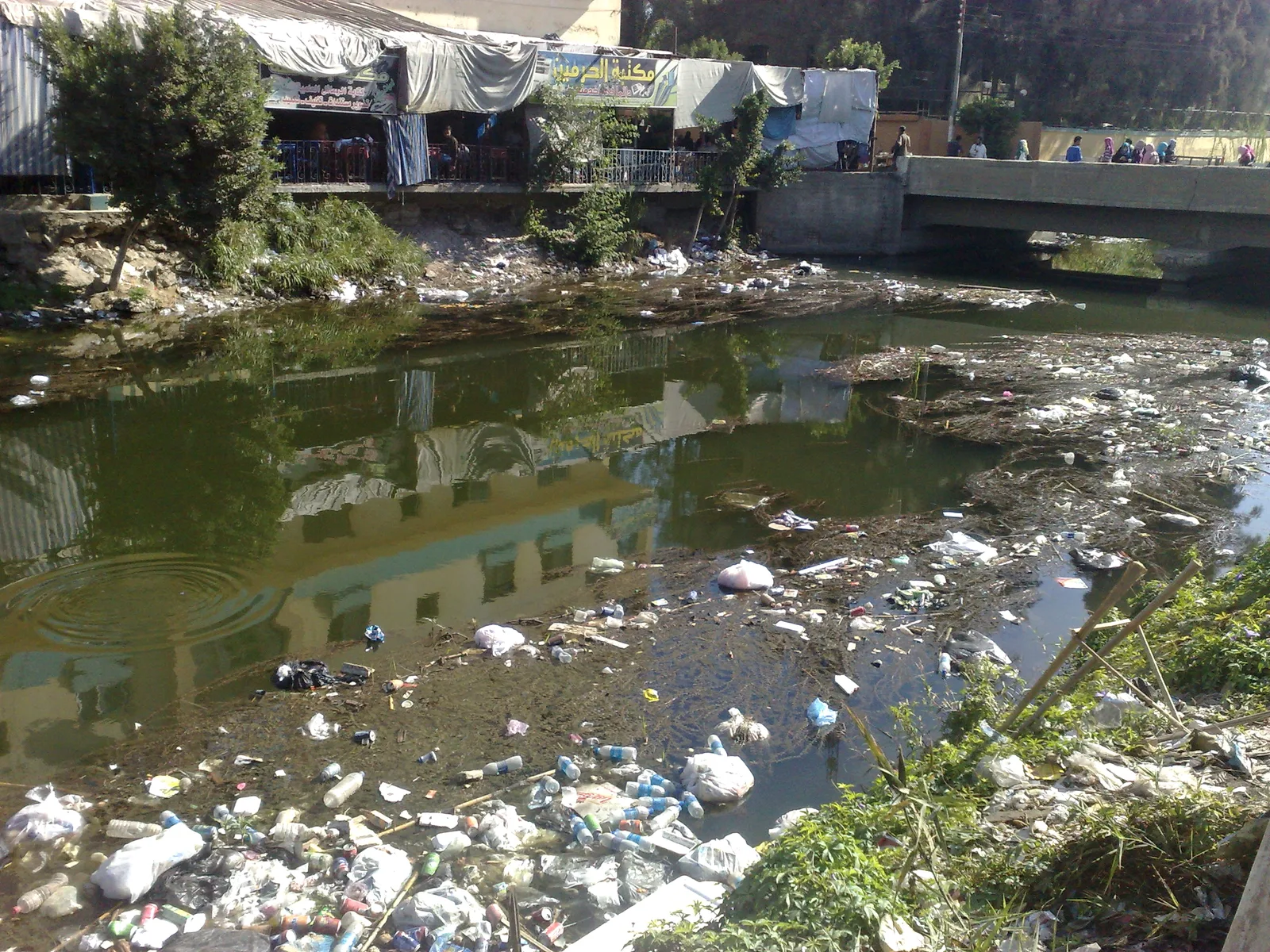
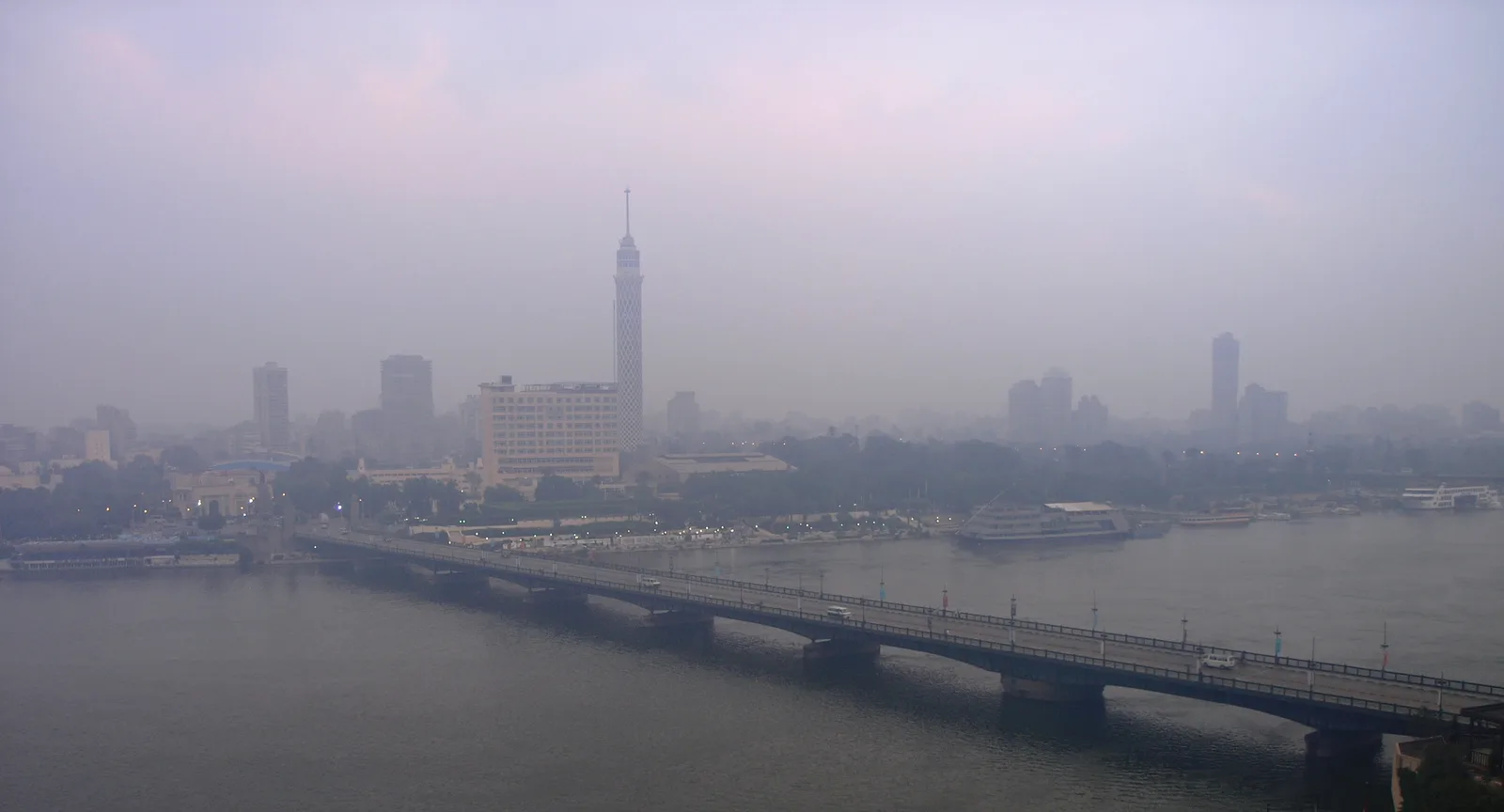
On the banks of the Nile at Cairo, fishermen have grown used to a sight their fathers never knew: the net comes out of the water carrying, at times, more plastic bags and bottles than fish. The river on which Egypt depends for roughly ninety-seven percent of its fresh water — the river on whose banks seven thousand years of civilisation rose — today faces an adversary we made with our own hands: single-use plastic.
The scale of the problem is no longer scientifically disputed. International studies tracking the rivers that carry plastic waste to the seas have placed the Nile among the world's major rivers bearing the heaviest plastic loads, while successive regional reports have ranked Egypt among the largest sources of plastic leakage into the Mediterranean — itself one of the most plastic-polluted seas on Earth relative to its size. A bag tossed into a canal deep in the Delta does not disappear; it begins a long journey toward the river, and then the sea.
More dangerous than what the eye sees is what it cannot. Plastic does not perish in water; it fragments into tiny particles known as microplastics, and published scientific studies have documented these particles in Nile fish — above all tilapia, the first fish on Egyptian tables. What we throw into the river returns to us on our plates, in a silent cycle from which no one is exempt.
How did we get here? The causes interlock: bags handed out free and without count in every shop and cafe; a single-use culture in which a bottle, cup, or fork is used for minutes and discarded for an age; and gaps in waste collection that push some areas to treat canals and drains as open dumps. The problem is not the material itself but a pattern of consumption that treats something which persists in the environment for centuries as though it had no value and no consequence.
Yet on the banks of the same river was born one of the most inspiring stories of resistance. In 2018, two young Egyptian civic and environmental enterprises launched VeryNile, presented as the first initiative dedicated to cleaning the Nile of waste. It began with volunteer kayak campaigns skimming what floated on the surface, then evolved into a model with deeper and more lasting effect.
At the heart of that model are the fishermen themselves — above all the people of Qursaya Island, in the middle of the Nile at Cairo. Instead of plastic remaining an enemy that tears their nets and drives away their livelihood, it became a resource: fishermen collect waste from the river and are paid per kilogram; the materials are then sorted, processed, and recycled, with some transformed into products whose sale revenue flows back into the system. Cleanup thus turned from seasonal charity into a small, sustainable riverbank economy.
Nor does this story stand apart from a much older Egyptian recycling tradition. Cairo's traditional waste collectors, the Zabbaleen, have built over decades one of the most efficient informal recovery systems in the world — studies document that they recycle an exceptionally high share of what they collect. Any serious answer to Egypt's plastic crisis runs through recognising and integrating that accumulated expertise, not leaping over it.
At the policy level, the state has moved in documented steps: the Red Sea Governorate banned single-use plastics in 2019 to protect its marine environment and the reefs on which its diving and tourism economy rests, and the environment ministry has run national campaigns to cut plastic bag consumption and encourage alternatives. Documented international experience — from bag charges to outright bans in some countries — shows that firm policies cut consumption sharply when paired with available alternatives.
But policies alone cannot clean a river used by millions of people every day; here the citizen has a direct role no one else can play. The golden rule is a simple trio: reduce, reuse, recycle. Take a cloth bag to the market instead of ten that are discarded within the hour; carry a refillable bottle instead of throwaways; refuse the straw and the bag when you do not need them; never treat the canal or drain as a dump, whatever others do; and join the cleanup campaigns spreading along the banks if you can.
Businesses carry a share of the obligation that does not expire: whoever puts a product in packaging bears part of the responsibility for its fate — the principle known worldwide as extended producer responsibility. Reducing packaging, offering refillable containers, and supporting take-back systems have become obligations rather than donations in many countries, and the global trend is moving steadily toward entrenching them.
Someone will object that a river this long cannot be saved by cloth bags and kayaks — a fair objection, if the battle were being fought with a single tool. But what Egyptian and international experience proves is that solutions stack: a policy curbing bags here, an initiative creating a collection economy there, awareness changing the habits of millions of households, an industry redesigning its packaging. Each layer lightens the river's load, and it is their sum that makes the difference.
The Nile gave Egypt everything: its water, its food, its silt, its very civilisation. For the first time in its long history, the river needs its children to return the favour — not with slogans or songs, but with something simpler and harder: a bag not thrown, a bottle reused, a habit changed. The battle against plastic is not the environmentalists' cause alone; it is the cause of everyone who drinks from this river — which is to say, of every Egyptian.
相关报道

埃及扫盲:挑战之巨与改变成年人命运的课堂
最新人口普查显示,埃及十岁以上人口中约四分之一是文盲——数以百万计的成年人从未学过识字。从扫盲与成人教育总局,到民间组织的课堂和大学生志愿者,本文带你走近这些教学项目,看看什么方法真正有效。
2026年8月18日 · 6 分钟阅读
埃及的道路安全:有据可查的风险与行之有效的对策
每年都有成千上万埃及人丧生于道路交通事故。事故原因有据可查:超速、车况不达标、执法时紧时松;而在其他国家大幅降低死亡人数的对策同样有据可查。本文解读科学证据的结论,以及为什么没有一起道路死亡是命中注定。
2026年8月18日 · 6 分钟阅读

人口增长:如何把吞噬发展成果的重负,变成人力财富?
埃及人口已突破一亿,而发展每前进一步,人口增长就吞掉其中一大块。但伊朗、孟加拉国、印度尼西亚、突尼斯和韩国的经验证明,转变是可能的:从拖垮经济的重负,变成撑起复兴的人力财富。这是一张切实可行的方案图:家庭该做什么,国家该做什么,媒体又该做什么。
2026年8月18日 · 7 分钟阅读