金字塔是奴隶建造的吗?吉萨的考古发掘讲述截然不同的故事
从希罗多德到好莱坞电影,"数千名奴隶在皮鞭驱使下修建吉萨金字塔"的画面流传了数个世纪。但在吉萨高地脚下发现的建造者墓地及其聚居城镇,把这一叙事彻底推翻。核查结论:不实。
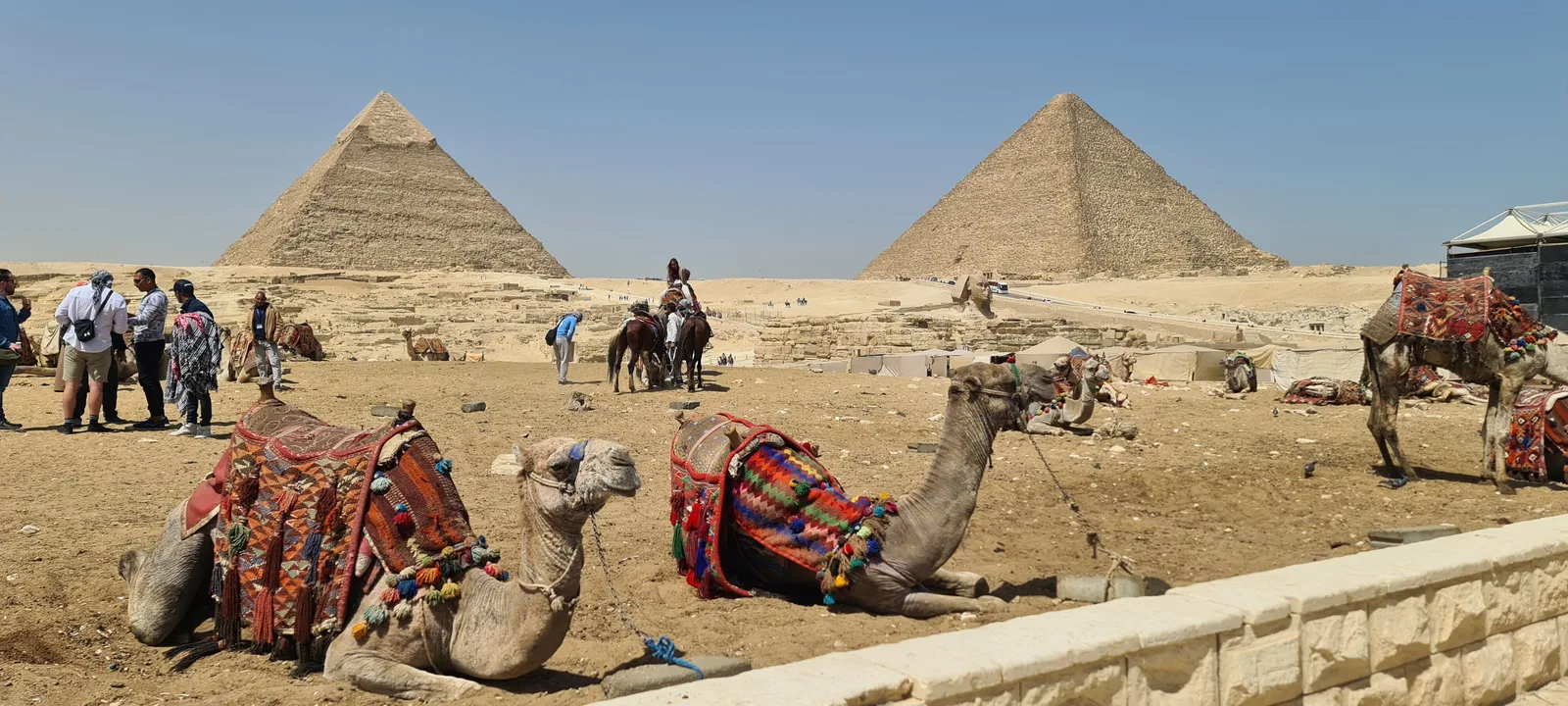
Few historical myths have proved as durable as the claim that the pyramids of Giza were built by slaves labouring under the lash. The image recurs in old schoolbooks, Hollywood epics and popular documentaries until, for many people, it hardened into accepted fact. Yet what archaeologists' trowels have uncovered on the Giza plateau itself over recent decades tells an entirely different story — one that has produced a rare consensus among Egyptologists: the pyramid builders were not slaves.
The myth's roots go back to the Greek historian Herodotus, who visited Egypt in the fifth century BC — some two thousand years after the Great Pyramid was finished — and repeated his guides' tale that a hundred thousand men had been pressed into the work. The story swelled over the centuries and became entangled in the Western imagination with the biblical narrative of the Israelites in Egypt, even though scripture never mentions the pyramids at all, and the pyramids predate the period traditionally assigned to those events by more than a thousand years.
The decisive moment came from the ground, not from books. In the 1990s, a whole cemetery of construction workers and their overseers was discovered on the Giza plateau, close to the pyramids themselves. Its location stunned researchers: these men were buried in the shadow of their kings' tombs, provisioned with jars of beer and bread for the afterlife, and some tombs carried job titles such as overseer of the side of the pyramid. Had they been despised slaves, they would never have earned burial on the most sacred ground in Egypt.
That discovery was reinforced by years of excavation southeast of the pyramids, where an entire settlement emerged from the sand — the so-called town of the pyramid builders. Diggers found industrial-scale bakeries, breweries, the bones of thousands of cattle, sheep and goats testifying to meat-rich meals, organised housing and communal sleeping galleries. In short: a vast logistical infrastructure for feeding and housing a huge workforce, not a wretched forced-labour camp.
The skeletons examined by physicians and archaeologists reveal a telling detail: bone fractures that were properly set and had healed, and traces of medical treatment showing that injured workers received genuine care. The bones also bear marks of severe physical strain, confirming how punishing the work was — but treating the injured is behaviour that does not fit the logic of slavery, which consumes bodies and discards them.
Written evidence comes from inside the pyramids themselves. Work gangs left red-ochre graffiti on hidden blocks in the relieving chambers above the King's Chamber of the Great Pyramid, recording their crew names with competitive pride — names like Friends of Khufu. Then came the Wadi al-Jarf papyri, found on the Red Sea coast, including the logbook of the overseer Merer, who documented his team ferrying limestone blocks by boat to Giza and collecting rations and textiles — the oldest administrative paperwork to survive from ancient Egypt.
Taken together, the evidence sketches the real labour system: a core of skilled, full-time workers and craftsmen, supported by rotating levies of farmers called up under the state-run corvée system, all paid in kind — bread, beer and cloth — in an economy that did not yet use money. The work was undoubtedly brutal, but it was organised, compensated labour on a national project with religious meaning, not the toil of captive slaves.
Why, then, does the myth survive? Because it is simply a seductive story: crushed multitudes dragging stones under the whip is more dramatic than the reality of a masterfully engineered and administered project. Because Western cinema repeated the image for decades. And because the sheer scale of the pyramids tempts some people toward any extreme explanation — from slaves to aliens — rather than the harder, more beautiful one: that organised, gifted human beings did it.
One caveat matters: debunking the slave myth does not mean ancient Egypt was an ideal society. Like every civilisation of the ancient world, it knew forms of slavery and forced labour in various contexts and eras. But the question here is specific — who built the pyramids of Giza? — and the answer supported by the tombs, the town, the papyri and the bones is consistent: free, organised Egyptian workers employed by the state.
Final verdict: the claim that slaves built the pyramids is FALSE. Decades of accumulating archaeological evidence — from the workers' cemetery to their town to their daily logbooks — establish that the pyramid builders were Egyptian labourers who were paid, cared for when injured, and buried with honour beside their kings, and who left their proud signatures on the greatest thing their hands ever made.
相关报道

从月球上能看到中国长城吗?宇航员早已给出答案
教科书里有个人们津津乐道的说法:中国长城是从月球上唯一可见的人造建筑。但亲身登上太空的宇航员——包括中国首位航天员本人——都给出了否定答案,光学原理也支持他们。至于从太空真正能看到什么——从城市灯火到熠熠生辉的尼罗河三角洲——那是一个更精彩的故事。结论:错误。
2026年8月18日 · 5 分钟阅读

维生素C能预防感冒吗?数十年临床试验的真实结论
数百万人一打喷嚏就把希望寄托在维生素C上。但数十年的对照试验讲述的故事更为微妙:对大多数人而言,它并不能预防感冒;若平时坚持服用,或可略微缩短病程——真正的预防效果只见于马拉松选手、滑雪运动员和承受极端体能消耗的士兵。结论:部分属实。
2026年8月18日 · 5 分钟阅读
迎战“第四代战争”:我们这样用科学方法粉碎谣言
我们不只是新闻的搬运工;我们是第一家公开宣布迎战“第四代战争”的新闻平台。在这篇文章中,我们向读者讲清这类战争究竟是什么,谣言如何被炮制出来、用以打击埃及的经济与社会安定;我们公开自己依靠专家与专业人士层层核实的科学方法,也告诉每一位公民:在按下“分享”键之前,如何为自己筑起免疫屏障。
2026年8月18日 · 6 分钟阅读