A Café Under Your Bedroom: When Basement Floors Become All-Night Shisha Dens
Smoke seeping through ventilation shafts into the flats above, laughter and clatter until dawn, and a child with a morning exam who cannot sleep. Converting basements and ground floors of residential buildings into all-night shisha cafés is a daily assault on residents' health and rest. That's just wrong — the home comes before any business.
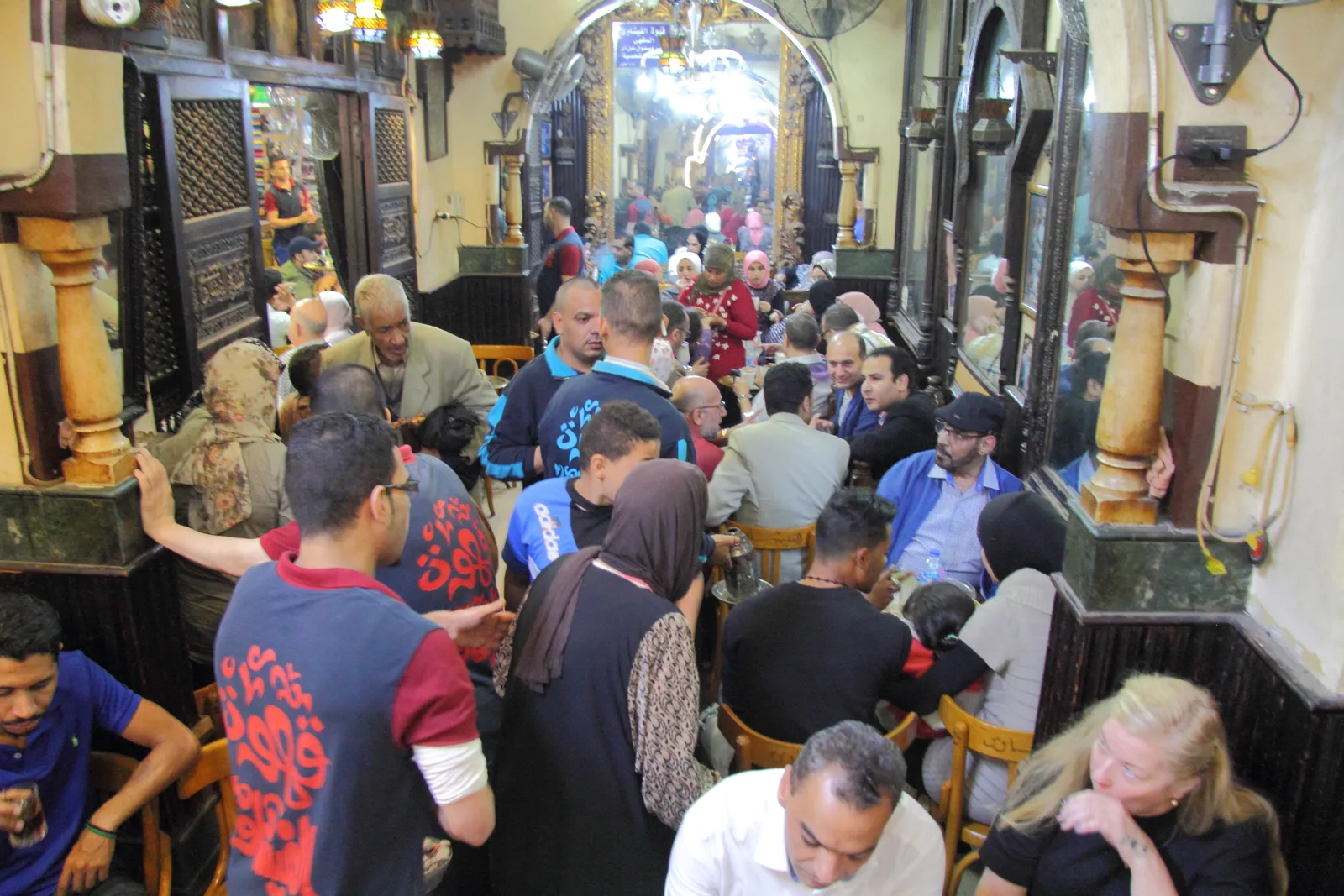
In countless buildings across our cities the same scene repeats: a basement or ground floor once designated as a garage, a storeroom or a dwelling is rented out and transformed overnight into a café — plastic chairs creeping over the pavement, a giant screen for the matches, and dozens of shisha pipes whose coals never go out from mid-afternoon until well past dawn. Directly above, families suddenly discover that their home now sits on top of a permanent street party no one consulted them about.
Let us begin where this section always begins: this is a moral offence before it is an administrative violation. The home is a person's last fortress — the place where one is supposed to close the door on the day's exhaustion and sleep. When shisha and molasses-tobacco smoke seeps through vents and light-wells into bedrooms, and when laughter, football crowds and slamming domino tables pierce apartment walls until three in the morning, the café's operators are not running a business; they are confiscating the sleep of an entire building.
The harm here is not a passing annoyance. Secondhand smoke drifting into apartments harms everyone, and harms children, chest and allergy patients and the elderly most of all — medicine settled that question decades ago. And chronic sleep deprivation is not a lost luxury but direct damage to health: a pupil goes to school exhausted and his grades slide; an employee drives to work at half attention; a sick mother cannot find one quiet hour.
Then there is the pavement and the street. The café that begins with a few chairs by its door soon swallows the whole sidewalk, forcing pedestrians into the roadway; the building's entrance becomes a waiting lounge, and its residents find themselves threading a path to their own front doors between tables and smoke, like unwelcome guests in their own homes.
Egyptian law is not a bystander here — the problem is enforcement. The Building Law No. 119 of 2008 and its requirements govern how units are used and how their use may change; converting a residential unit or basement to commercial activity is not an absolute right of the owner but a regulated procedure requiring approvals. The Public Shops Law No. 154 of 2019 requires licensing and sets conditions of operation; the anti-smoking Law No. 52 of 1981 and its amendments prohibit smoking in enclosed public places; and the Environment Law No. 4 of 1994 sets noise limits that may not be exceeded at night. The legal tools exist. What is missing is their use.
And let us be fair: we are not against cafés — they are a cherished part of Egyptian social life — nor against a young man opening a business to earn his bread. We are against one specific thing: locating that business where it does not belong, in a way that makes residents' rest the price of its profit. A café belongs in commercial zones and streets, under the prescribed conditions — not in the belly of a residential building with children sleeping above it.
Nor does responsibility fall on the tenant alone. The landlord who rented out the basement knowing full well what it would become is a full partner in the harm — he sold the peace of neighbours who lived beside him for years in exchange for higher rent. And the licensing bodies that grant, or wink at, an activity in an unfit location are a third partner, no less responsible.
What we ask of the citizen: the café owner should ask himself a single question — would he accept living with his own children above his café? If the answer is no, then he should know he is doing to others what he would not accept for himself. The landlord must stop renting residential units and basements for activities that harm residents, however tempting the return. And the harmed residents should not surrender: a documented collective complaint to the district and licensing authorities is a right, and calm, organised persistence achieves more than a daily shouting match.
What we ask of the state: real, not seasonal, oversight of changes in the use of residential units and basements; licensing of any public establishment tied to a serious inspection of its location and its impact on residents; genuine enforcement of nighttime noise limits and closing hours, in deed rather than word; and a complaints path for residents that is accessible and actually leads somewhere — not an ordeal between offices ending in a filed-away folder.
In this section's scales the rule is simple: the right to sleep and to clean air outranks the right to stay up and to profit. Whoever wants to open a café should open it where and how it ought to be opened. But turning residential buildings into nightclubs imposed on their own inhabitants — that's just wrong: wrong against the child with tomorrow's exam, against the patient who needs stillness, and against the very idea of home.
Related Stories
Keda Ghalat (That's Just Wrong): Harming an Animal Has Been a Crime Under Egypt's Penal Code Since 1937
A neighbour sets out poisoned bowls beside the school wall; a cart driver beats his donkey across the face to make it haul a load beyond its strength. Many assume that "just an animal" means no law protects it. In fact, Articles 355, 356 and 357 of the Penal Code punish killing, poisoning and harming animals with penalties that go as far as prison. On the eve of World Animal Day, we explain what the law says and what the right thing to do is.
October 3, 2026 · 6 min read
Four on a Motorcycle and No Helmet: A Bare Head Is the Dearest Thing a Family Can Lose on the Road
In the second week of school the same scene repeats: a father driving, one child in front, another behind, the mother clutching the bags, and not a single helmet among them. Press reports citing CAPMAS show deaths jumping from 190 to 897 between 2020 and 2024, while a Cochrane review finds a helmet alone cuts the risk of death by 42%. The law has punished the bare head since 1999, fine raised in 2008. So why do we not comply?
September 23, 2026 · 8 min read
"A Hook-Up on the Cable" Is No Clever Trick: Electricity Theft Is a Crime the Whole Neighbourhood Pays For
A bare wire dangling from a lamp post to a balcony, an air conditioner on a meter that never moves, and a fuse blowing for the third time, plunging a bill-paying neighbour into darkness. Article 71 of the Electricity Law calls this unlawful appropriation of current, punished by prison and a fine, while a tougher amendment awaits the House of Representatives. What does a whole street lose from one hook-up? And what is the right alternative?
September 14, 2026 · 7 min read