Bullying Among Children: How to Protect Your Child — Whether Victim, Bystander or Bully
When does a playground scuffle become bullying? A practical guide for parents: the silent signs a child hides, the safe conversation that opens him up, documented steps for approaching the school, and real alternatives to the advice to "hit back" — plus what to do when your own child is the bully, without humiliation or denial.
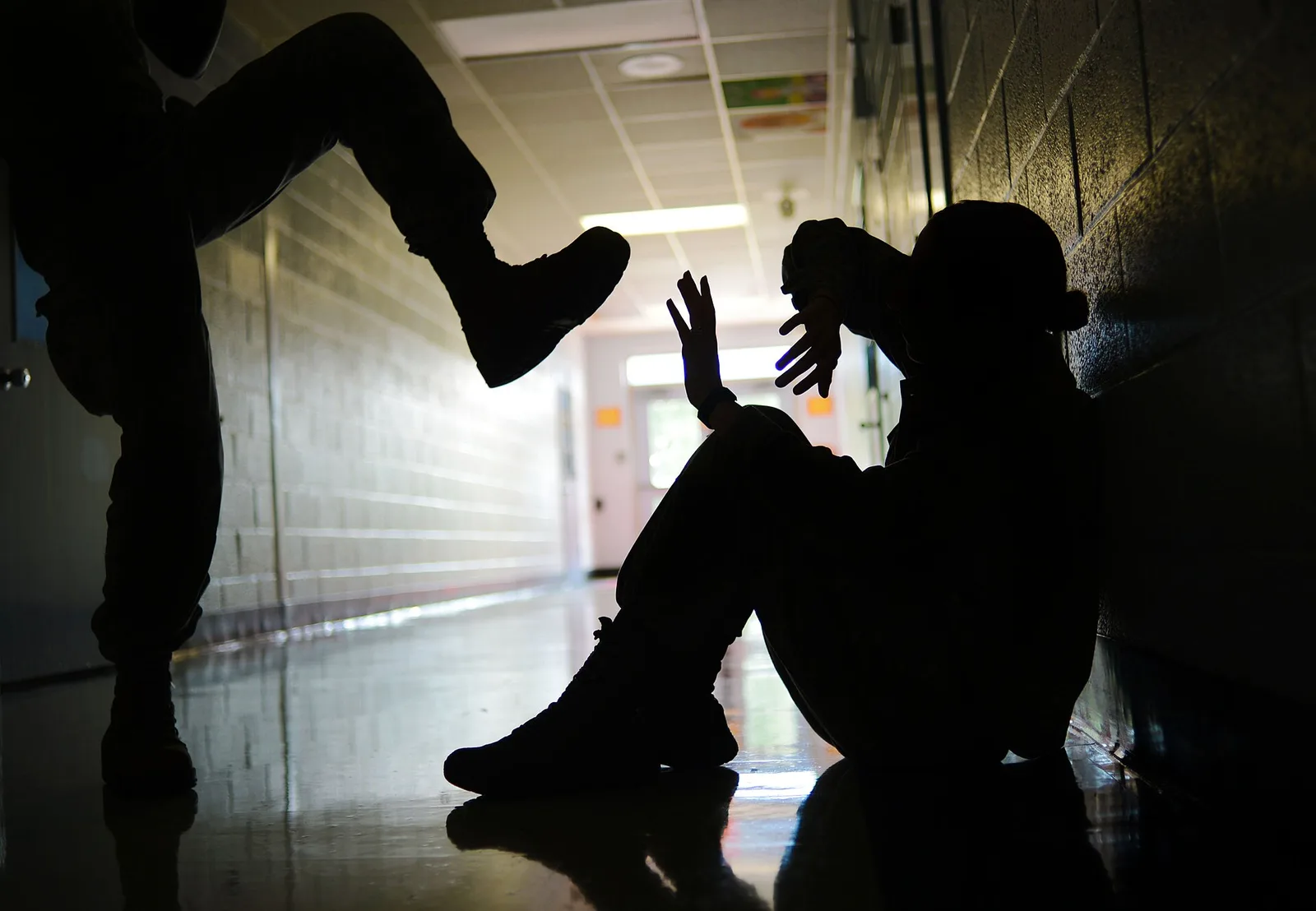
Picture a scene that plays out in countless homes: a nine-year-old walks in, drops his schoolbag by the door and answers every question with a single word. He no longer talks about break time or about his friends, and every school morning brings a vague stomach ache. His mother puts it down to exhaustion from studying; his father says, "He'll grow out of it." But behind that silence there may be a daily battle the child is fighting alone in a corner of the schoolyard, one he does not dare mention to anyone. This article is an attempt to open that closed door: how to see what your child is hiding, and how to act — whether he is the victim, the bystander or the bully.
Let us start with the question that trips so many people up: is every fight bullying? No. A passing quarrel between two evenly matched children — a tug-of-war over a toy, an argument over a place in the queue — is a normal part of learning social life; it ends and is forgotten. Bullying, as child psychology has held since the early systematic studies pioneered by the psychologist Dan Olweus in the 1970s, brings together three markers: the harm is repeated, it is deliberate, and there is an imbalance of power between the two sides — physical, numerical or social. A child mocked every day by an entire class is not "just being teased"; this is an unequal war. So before you judge any situation, ask three questions: Is it repeated? Is it deliberate? Are the two sides evenly matched?
And what does bullying look like when the child says nothing? Children rarely come out and declare, "I am being bullied"; more often they send coded signals and hope that someone will decode them. Watch the tangible things first: school supplies that keep "getting lost", torn or dirty clothes with no convincing explanation, bruises justified by contradictory stories, pocket money that evaporates. Then watch the patterns rather than the isolated incidents: stomach aches and headaches that appear on school mornings and vanish during the holidays, disturbed sleep, withdrawal from yesterday's friends, a sudden drop in grades, or an odd insistence on changing the route to school or on missing the bus. A single sign proves nothing, but several signs together, persisting over weeks, are a distress call that deserves to be read.
Why does the victim hide what is happening to him? Because bullying attacks a child's dignity before it touches his body, and admitting it feels to him like confessing that he is "weak" or not equal to the moment. And because his fears are practical: he fears the bully will take revenge if he complains; he fears his parents will storm into the school with raised voices and that the price of complaining will double the next day; and he fears — this is the cruellest of all — that no one will believe him, or that he himself will be blamed. Once you understand these fears, you understand why direct interrogation gets you nowhere. Your way in is not "Tell me what happened", but building a safety that makes speaking cost less than silence.
And safety is built by the manner before the words. Choose a sideways moment with no confrontation in it: in the car, while the food is cooking, on a short errand — where eyes do not meet and words flow more easily. Begin at a distance, with open questions: "Who did you sit with at break today?", "Who is the kindest person in your class? And who bothers people the most?" Talk about yourself: something that upset you in your own childhood and how it felt, because a story opens what a question closes. And when he starts to talk, resist the instinct to interrupt and to offer instant solutions; say, "I'm with you, what happened is not your fault, and we will work it out together." Do not promise him absolute secrecy you cannot keep; promise him something more valuable: that you will not take a single step without his knowing.
Here is where the most famous piece of advice in our homes arrives: "Hit him back, and I'm right behind you." It sounds brave; in truth it is a double trap. Bullying is by its nature an imbalance of power, and you are asking the weaker side to fight a battle that is already lost. If he does hit back, he may well be the one who is caught and punished, so he loses twice; and if he cannot hit back, you have added to his wound the feeling that he has let you down as well. Worse still, it teaches him that force is the language in which disputes are settled — which is precisely the bully's own creed. The alternative is not surrender, but the calm firmness we will set out shortly: a steady stance, a clear voice, and a space that adults protect.
Then comes a small notebook that may change everything: documentation. Calmly record every incident your child recounts: the approximate date, the place — the classroom, the yard, the bus — exactly what happened, who was present, and whether any adult stepped in. Keep whatever can be kept: a torn shirt, broken supplies, a medical report if there was an injury. This notebook is not a file of accusations but an organised memory; it moves your complaint from "my son is unhappy at school" to specific facts that are hard to ignore, and it exposes the repeated pattern that is the very essence of bullying. The golden rule: do not go to the school with your anger, go with your notebook.
And when you go, go as an ally, not an adversary. Ask for a calm appointment with the class teacher or the school counsellor, away from the morning rush and the heat of the moment. Set out the documented facts without exaggeration and without ready-made accusations, and ask specific questions: What have you noticed yourselves? How do you handle cases of bullying? Who supervises break time and the bus? Then agree on concrete steps and a set date to follow up, and summarise what was agreed in writing, in a courteous message after the meeting, which fixes the understanding and protects your position. And beware of a common mistake many parents make: confronting the bullying child or his parents yourself in a moment of anger; that usually feeds the fire instead of putting it out, and the school is the proper channel.
What if the weeks pass and nothing changes? Do not settle for repeating the same verbal complaint. Escalate step by step, and in writing: from the teacher to the counsellor to the administration, each time referring to the earlier meetings and to what was promised and never delivered. And through it all, watch your child himself: if his spirit is going out — severe sleep disturbance, a flat refusal to go to school, harsh things he says about himself — do not hesitate to seek help from a mental health professional, nor to think seriously about a change of class or of school if every road is blocked. Changing schools is neither a defeat nor "running away"; protecting the child comes before winning the battle, and his mental health is worth more than proving a point.
And running alongside all of that is a deeper, slower job: building the child's immunity from within. Bullies usually single out the isolated child with few allies, so one solid friendship is a real shield — encourage visits, invitations and shared activities. Look for a space where he excels: a sport, drawing, theatre, any field that gives him a picture of himself other than the one the bully paints for him. And train him at home, through play and role-play, in assertiveness without aggression: stand straight, look the other person in the eye, say in a steady voice, "Stop that", then walk away to where there are people and adults. Confidence is not taught in a lecture; it is built through practice and small victories.
And what about your child if he is neither victim nor bully, but a bystander looking on? Do not underestimate that role; bullying is a piece of theatre that needs an audience, and the laughter or the silence of the onlookers is the fuel that keeps it on stage. Teach your child that courage does not necessarily mean confronting the bully — that may not be safe — but simpler and sharper acts: not laughing; standing beside the targeted classmate or walking with him; inviting him into his group at break; and telling a teacher he trusts what he saw. And draw a clear line for him between "telling on someone", which aims to get a person into trouble, and "reporting", which aims to get a person out of trouble. Homes that raise courageous bystanders protect other people's children — and protect their own on the day they find themselves in the victim's place.
That leaves the hardest phone call of all: the school ringing to say that your child is the bully. The first instinct is denial — "my son would never do such a thing" — and the second is a storm of punishment and humiliation in front of everyone. Both of them shut the door on repair. Listen to the full details from the school first, then sit down with your child for a calm conversation that clearly separates the act from the person: "What you did is wrong and unacceptable, and you are my child, I love you, and we will put this right together." A child who is humiliated for humiliating someone does not learn compassion; he learns only that the strong crush the weak — the very idea that led him into bullying in the first place.
Then look for the cause beneath the behaviour, because bullying is a symptom before it is a trait. Ask yourself bravely: is he himself on the receiving end of harshness or ridicule somewhere — at home, in the street, from his brothers and sisters? Does he watch the adults around him settle their disputes with shouting and contempt? Is he buying, through bullying, a standing among his friends that he knows no other route to? Together with the school, set clear consequences tied to the act rather than to revenge on him: a genuine apology, repairing what he damaged, temporary loss of whatever is connected to the incident, and regular follow-up. And train him in empathy with one simple, repeated question: "If this had happened to you, how would you have felt?" — and if the behaviour continues despite all of that, turn to a mental health professional without hesitation and without embarrassment.
Finally, get two comforting and false ideas out of your head: that bullying is "the nature of children and it will pass with time", and that it is a fate parents can do nothing about. Decades of school education and child psychology say the opposite: bullying is learned behaviour whose cycle can be broken, and the home is the first link in the chain and the strongest. Your child does not need superhuman heroics from you; he needs an eye that notices, an ear that does not mock, a notebook that documents, and a calm voice that speaks to the school and does not let it go. And whether he is a victim, a bystander or a bully, the message he should receive from you tonight rather than tomorrow is one and the same: I am with you, there is a way out, and you will not face this alone.
Related Stories
A Bag Heavier Than the Child: How Much Should a School Backpack Weigh, and How Do You Protect Your Child's Back?
With the first week of school, one question is asked in every home: how many kilograms can a child's back take? We explain the 15 per cent rule recommended by the American Academy of Pediatrics, read an Egyptian study from Menouf that found three-quarters of pupils complaining of back pain, then set out a bathroom-scale method and simple daily steps that lighten the load before it turns into a pain that follows the child for life.
September 15, 2026 · 7 min read

Pocket Money, the First Lesson in Economics: How to Teach Your Child the Value of Money and Saving
Before algebra and geometry, your child takes their first economics lessons at the kiosk outside the school gate and in a small piggy bank. A practical guide, age by age: when to start pocket money, how to divide it between spending, saving and giving, and why it should never be tied to school grades or turned into a weapon of punishment.
September 3, 2026 · 7 min read
Before Eighteen: What Egyptian Law Says About Child Marriage, and Why Children Pay for an Unregistered Contract
Egypt's constitution defines a child as anyone under eighteen, and the law bars registering that child's marriage. But the ban targets registration, not the marriage itself, so it slips into an informal 'orfi' arrangement, and the losses begin the moment the newborn needs a first document. On the International Day of the Girl Child, we lay out the texts and numbers as they stand, and why a school seat still outweighs any sermon.
October 11, 2026 · 7 min read