"A Hook-Up on the Cable" Is No Clever Trick: Electricity Theft Is a Crime the Whole Neighbourhood Pays For
A bare wire dangling from a lamp post to a balcony, an air conditioner on a meter that never moves, and a fuse blowing for the third time, plunging a bill-paying neighbour into darkness. Article 71 of the Electricity Law calls this unlawful appropriation of current, punished by prison and a fine, while a tougher amendment awaits the House of Representatives. What does a whole street lose from one hook-up? And what is the right alternative?
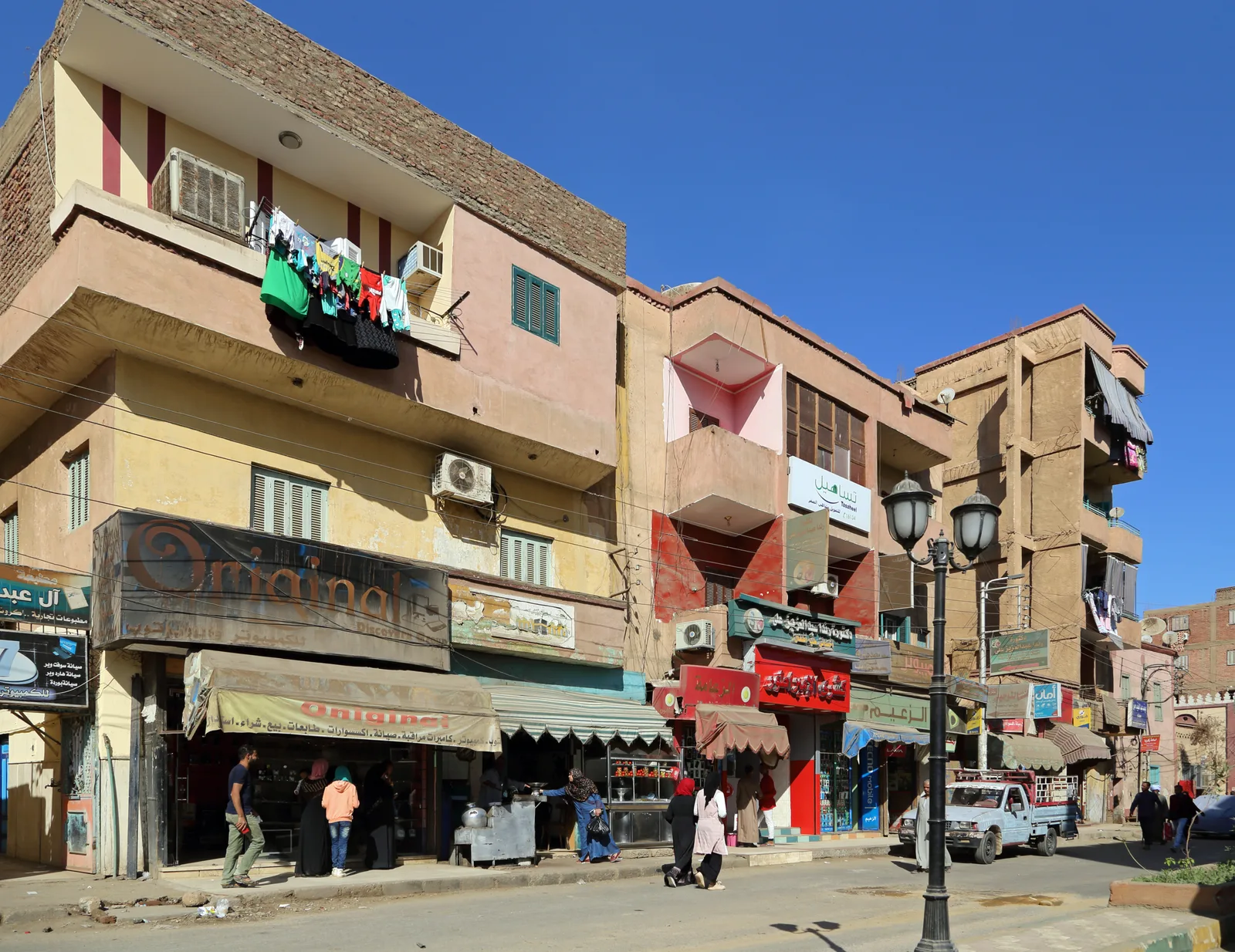
It is nearly eleven on an August night, and the air in the side street hangs heavy and still. On the little balconies people sit in their house clothes chasing a breeze, and from the ground floor of the building opposite comes the hum of an air conditioner that has been running without a break since late afternoon. Lift your eyes a little and you would see a black wire coming out of the junction box on the lamp post, sagging and twisting through the air before slipping through a gap in the wooden shutters into that very flat. The meter at the entrance does not turn, because the current never passes through it in the first place. Then, suddenly, the fuse blows, the cut-out in the distribution cabinet, for the third time that night, and the lights go out in the flat next door, whose owner paid his bill only days ago. A child wakes to the heat of the room, while the air conditioner on the bare wire keeps running as though nothing had happened.
This scene repeats itself in many towns and villages every summer, and it is sometimes recounted at gatherings with a faint note of admiration: so-and-so "knows how to get by" and has not paid a bill in two years. Here we say it plainly and without hedging: keda ghalat, that's just wrong. A hook-up on the cable is not cleverness, nor an innocent dodge in the face of rising prices. It is the taking of something that has a price, a price paid in the end by people who never agreed to pay it.
Let us first call the behaviour by its name. Electricity theft takes several forms: a direct connection to the distribution network or to a lamp post upstream of the meter; tampering with the meter to slow its disc or disable its reading; running current to another unit or a shop off a residential meter; or reconnecting after the company has cut off the supply for non-payment. The picture varies but the substance is the same: electricity that is consumed and never billed, and a specific person who has decided to take it without any right to it.
The first harm falls on the neighbours, and it is a tangible harm, not a theoretical one. The uncollected losses from illegal connections form part of what is known as the network's commercial losses, and that is ultimately a cost loaded onto the utility and onto law-abiding subscribers through the tariff and public subsidy. Put more simply: the neighbour who pays his bill every month is covering part of your electricity. That is why the essence of any acceptable stiffening of the penalty is not punishment for its own sake but protecting the compliant citizen from a loss he did not cause.
The second harm is the danger to life, and we are not exaggerating. A wire hanging from the post without sound insulation, splices wrapped in adhesive tape under sun and rain, loads drawn from a point never designed for them: all of it is a recipe for fire or electrocution. The children playing beneath the post, the maintenance worker who climbs up to fix a fault not knowing that someone has secretly tapped the line, the neighbour who reaches out to put out a spark, all of them stand inside a circle of danger drawn by one person who asked no one.
The third harm strikes the whole network. The cabinet and the transformer in the street are designed for specific loads; add unaccounted-for connections and the temperature rises, the fuses blow and the faults multiply, which is exactly what leaves the compliant household in the dark while the flat with the bare wire stays lit. And this is happening in a summer when the load on the unified national grid, according to what was announced in mid-August 2026, crossed the forty-thousand-megawatt mark for the first time in its history, as we wrote before about electricity's journey from the power station to the light switch in your home. Every stolen connection adds weight in the wrong place.
Now to the law in force as of the time of writing. Article 71 of the Electricity Law, issued as Law No. 87 of 2015, provides that anyone who unlawfully appropriates electric current shall be punished with imprisonment for no less than six months and no more than two years, and a fine of no less than ten thousand Egyptian pounds and no more than one hundred thousand pounds, or either of these two penalties. Note that the legislator chose the word "appropriated" rather than "stole", settling an old legal debate over whether electric current is property capable of being stolen and making the act a stand-alone offence. Then came Law No. 192 of 2020, which replaced the text of Articles 70 and 71, kept the original penalty as it was, and added that for a repeat offence the penalty becomes imprisonment for at least one year and a fine of twenty thousand to two hundred thousand pounds, or either; that the court shall order the convicted person to repay twice the value of the current appropriated; and that the criminal case is extinguished if a settlement is reached.
But the picture is moving. In the last week of December 2025 the Senate gave its final approval to a government bill amending certain provisions of the Electricity Law. In the version the Senate passed, Article 71 becomes: imprisonment for at least one year and a fine of fifty thousand to one million pounds, or either, for anyone who appropriates electric current; imprisonment for at least two years and a fine of two hundred thousand to two million pounds where the act is accompanied by tampering with metering or distribution equipment; the heavier felony-grade penalty of rigorous imprisonment (sign, as distinct from ordinary habs) where the offence results in cutting off power to others; and a doubling of the penalty for repeat offenders. The newly created Article 71 bis allows settlement by paying twice the value of the current before the case is filed, three times after it is filed, and four times after a final judgment. We note that the minimum fine stood at one hundred thousand in the government's draft, and the Senate lowered it to fifty thousand.
To the best of our knowledge, however, this amendment has not yet become law. In late January 2026 the Constitutional and Legislative Affairs Committee of the House of Representatives approved the bill in principle by twelve votes to nine and deferred the article-by-article debate; as of the time of writing we have found no publication of it in the Official Gazette, and coverage in August 2026 still describes it as legislation in preparation, awaiting the next legislative session. The upshot for the reader: the penalty in force today is the text of Article 71 of Law No. 87 of 2015 as amended by Law No. 192 of 2020, while what the Senate passed is a clear signal of the drift towards tougher penalties, and may well become reality in a coming session.
Nor should anyone imagine this is a matter of words on paper. Ministry of Interior statements during 2026 speak of daily tallies running from hundreds of cases into the thousands: on 23 February 2026 the General Administration of Electricity Police announced that it had logged some 3,800 cases of electricity theft and breaches of contract terms within twenty-four hours, and in March it recorded more than 1,200 cases in a single day. The hook-up its owner believes is hidden among the wires gets found, and becomes a police report and a name in a case file.
Now for the right course of action, which is simpler than it looks. The first solution is a meter in your own name: if you live in a unit with no meter, or on someone else's meter, go to the distribution company in your area and apply for a contract, even for a prepaid meter, since the "coded meter" (addad kodi, the prepaid meter issued to properties without a regular supply contract) was introduced precisely for units that lack complete licensing. The second solution, if the bill is heavy: check the reading, lodge a complaint through customer service and ask whether instalments are possible. Negotiating a debt is a way forward; a bare wire is not. The third solution, if you have already slipped into the offence: come forward, settle and pay for what you consumed before the police reach you. The law in force makes settlement grounds for extinguishing the case and obliges anyone convicted to repay twice what was consumed, while the Senate's version makes the price higher the longer you wait.
Then there is a duty no less important: reporting the dangerous connection. Calling the distribution company or the emergency number when you see a wire hanging from a post or an open cabinet is not informing on anyone; it is protecting the children of the street and your own home. And the culprit here is an individual who made a decision, not a particular district and not a particular class; the bare wire comes out of a villa just as it comes out of a room on a rooftop. Someone may say that bills have gone up and people are under pressure, and that is true. But rising prices are met by cutting consumption, by instalment plans and by a formal complaint about a reading you believe is wrong, not by making your neighbour pay your bill in secret.
Back to the side street on that August night. The technician who comes to put the fuse back in the cabinet will look up and see the black wire, and he will write down what he saw. As for the neighbour who sat up in the dark, he will not forget the sound of the air conditioner that never stopped. Before you run a hook-up, remember that the lamp post belongs to the whole street, and that the first to pay the price of the bare wire is the person who sits with you every evening on the same mastaba, the stone bench outside the door.
Related Stories
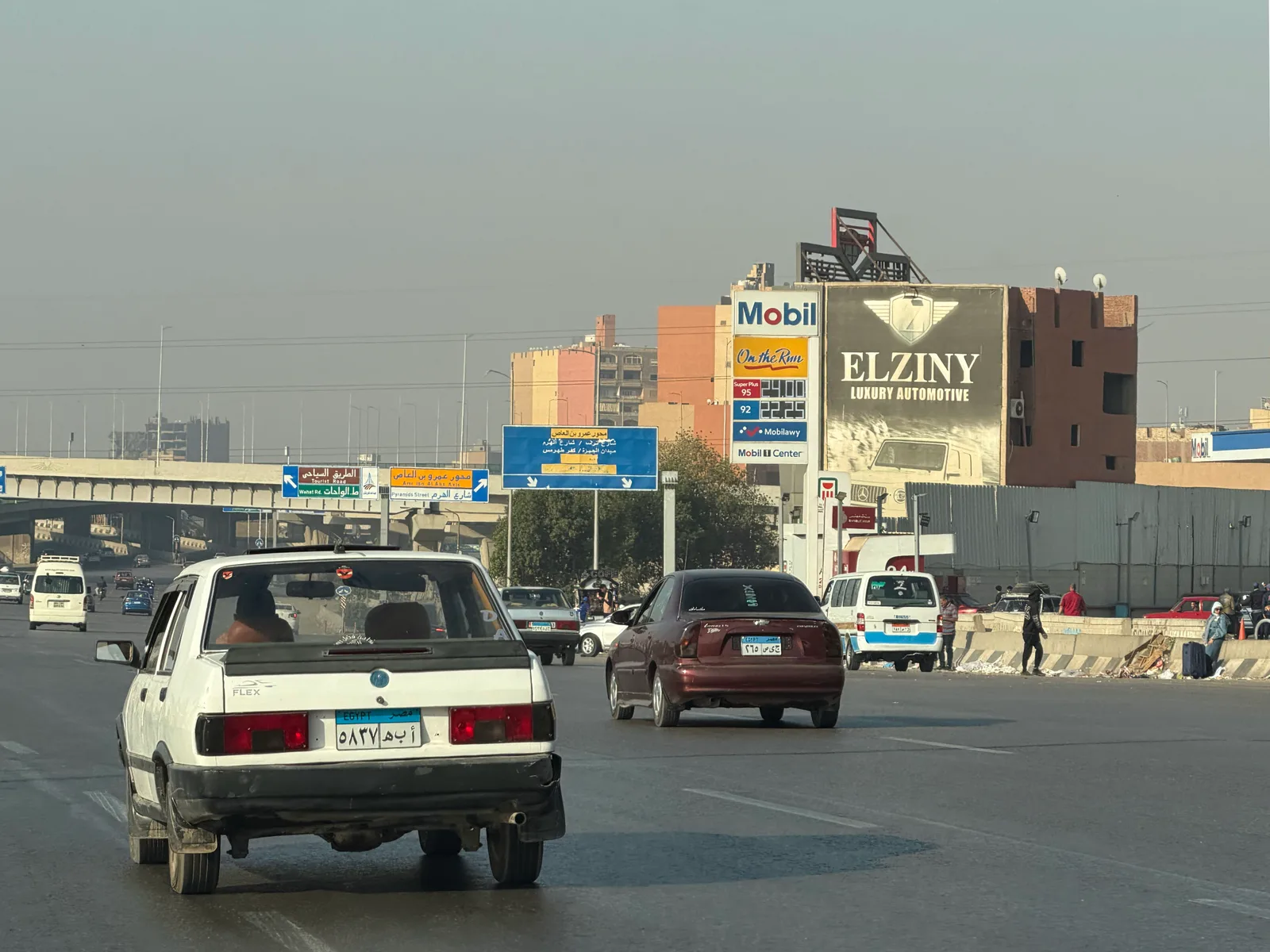
A Camera Over the Wounded: Filming and Sharing Accident Victims Is Not “Documentation” but a Violation Punishable by Law
Raised phones ring the injured man before paramedics do, and the video reaches family group chats before the news reaches his relatives. Kedda Ghalat (“that’s wrong” in Egyptian Arabic) names the behaviour, explains why it obstructs rescue and strips dignity, what the Constitution, Law 175 of 2018 and the Telecommunications and Intellectual Property Laws say, why Article 309 bis does not apply on a public road, and what to do instead.
September 7, 2026 · 8 min read
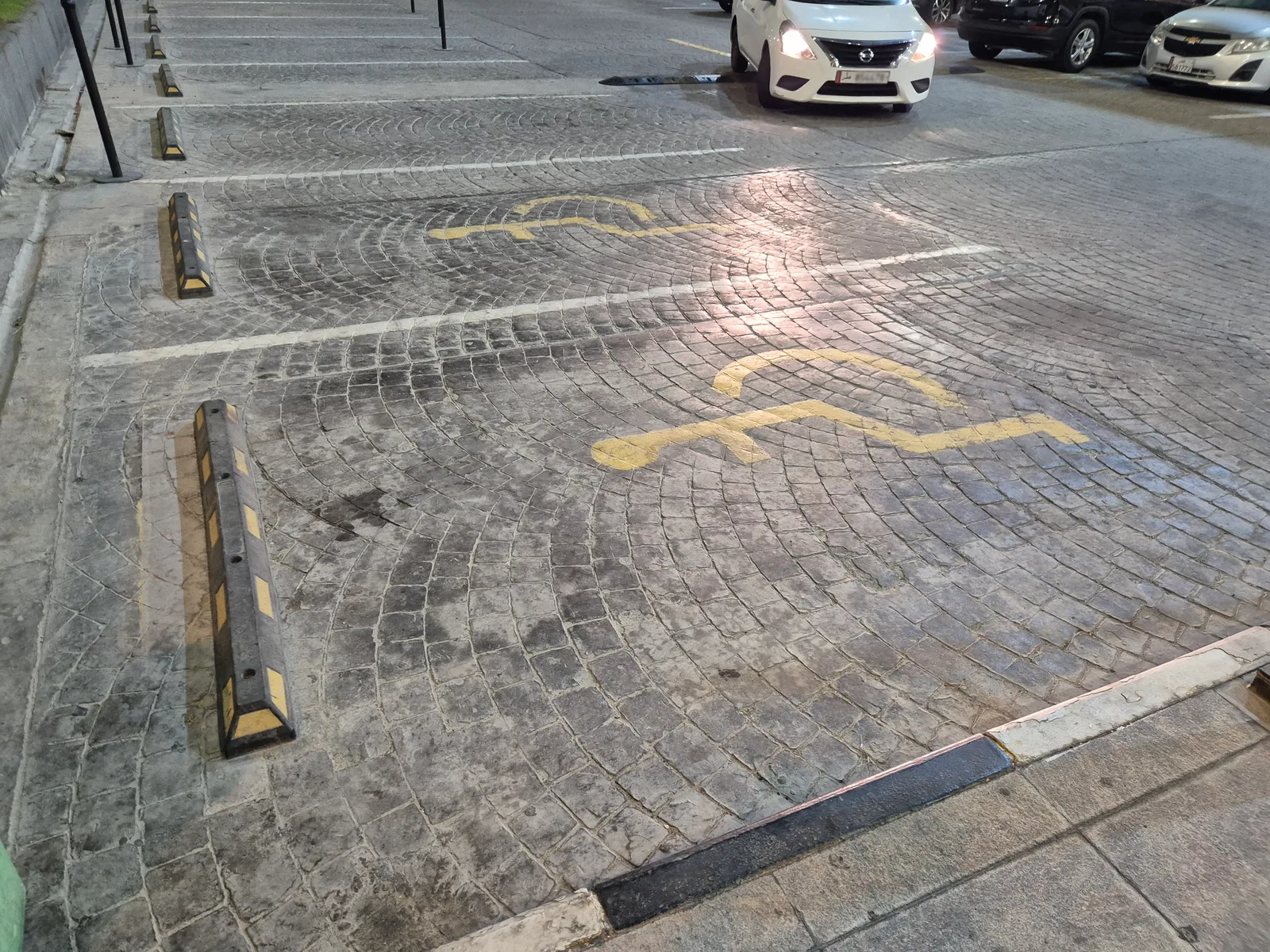
The Accessible Bay Is No Luxury: Taking an Accessible Parking Space Is Theft of the Right to Move
"Just one minute and I'm gone" — with a single sentence, a whole person's freedom is stolen. The accessible bay and the ramp are not privileges; they are a lifeline of movement protected by law and by accessibility codes. This article calls the behaviour by its name, shows you how to stand firm but courteous when someone takes the space, and explains why one minute of your time can cost somebody else an entire day.
September 1, 2026 · 7 min read
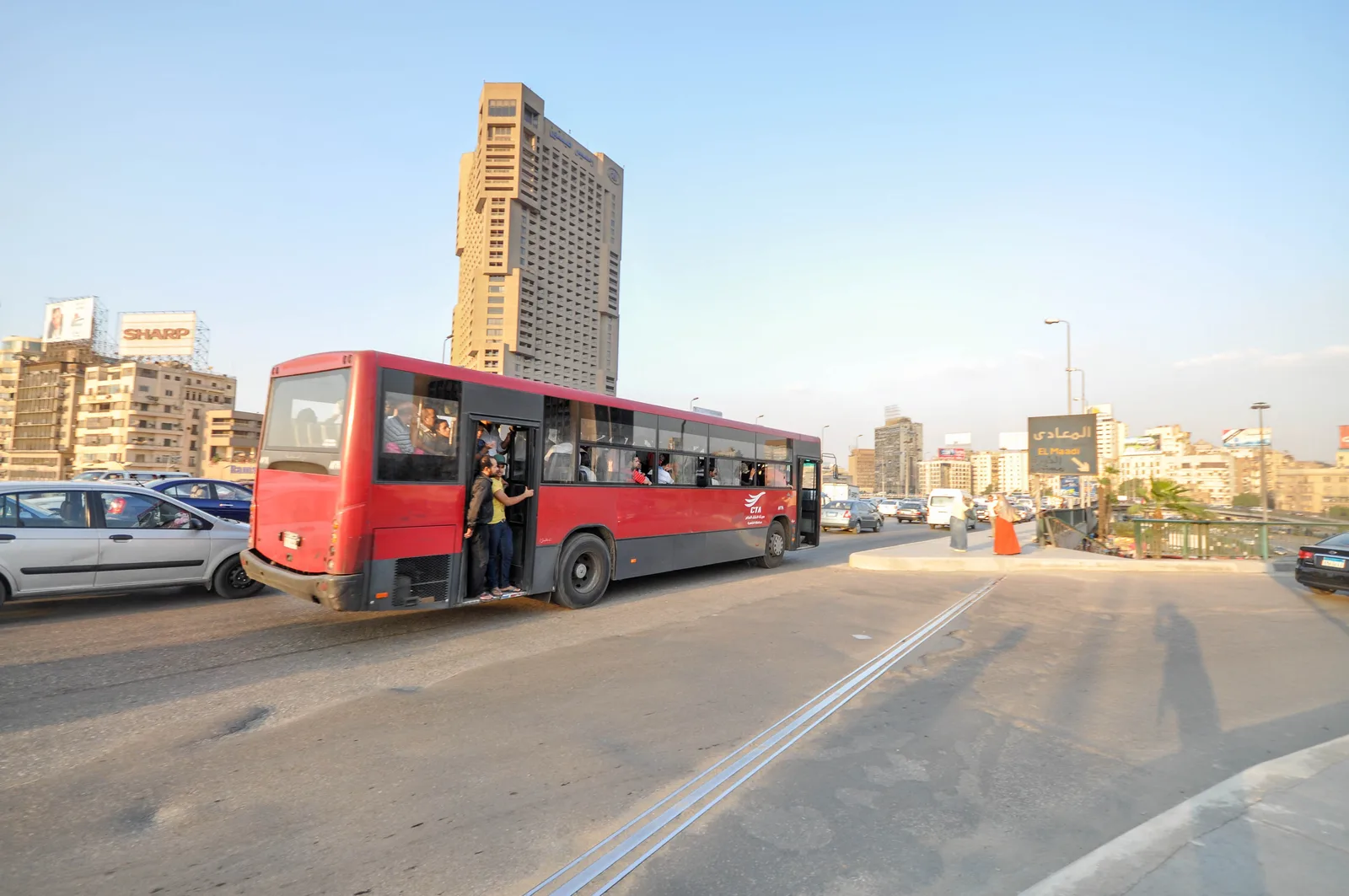
The Horn Is Not a Vent for Your Temper: One Hand on the Horn Assaults a Whole Street's Nerves
A hand slams down on the horn and the noise bursts through your window without asking permission. Why is random honking not "letting off steam" but an act of acoustic aggression against an entire street? On the line between a warning that averts danger and a din that makes people ill — and on the medicine, the law and the common decency that all stand on the side of your ear.
August 25, 2026 · 7 min read