Hassan Fathy: The "Architect of the Poor" Who Built an Architecture from Egyptian Mud That Astonished the World
In an age when air conditioning devours the household budget, the life of Hassan Fathy revives an old question: why did we abandon an architecture that cooled our homes without electricity? The story of the "Architect of the Poor," who built an entire village out of Egyptian mud, wrote a book the world translated, and anticipated the green-building wave by decades.
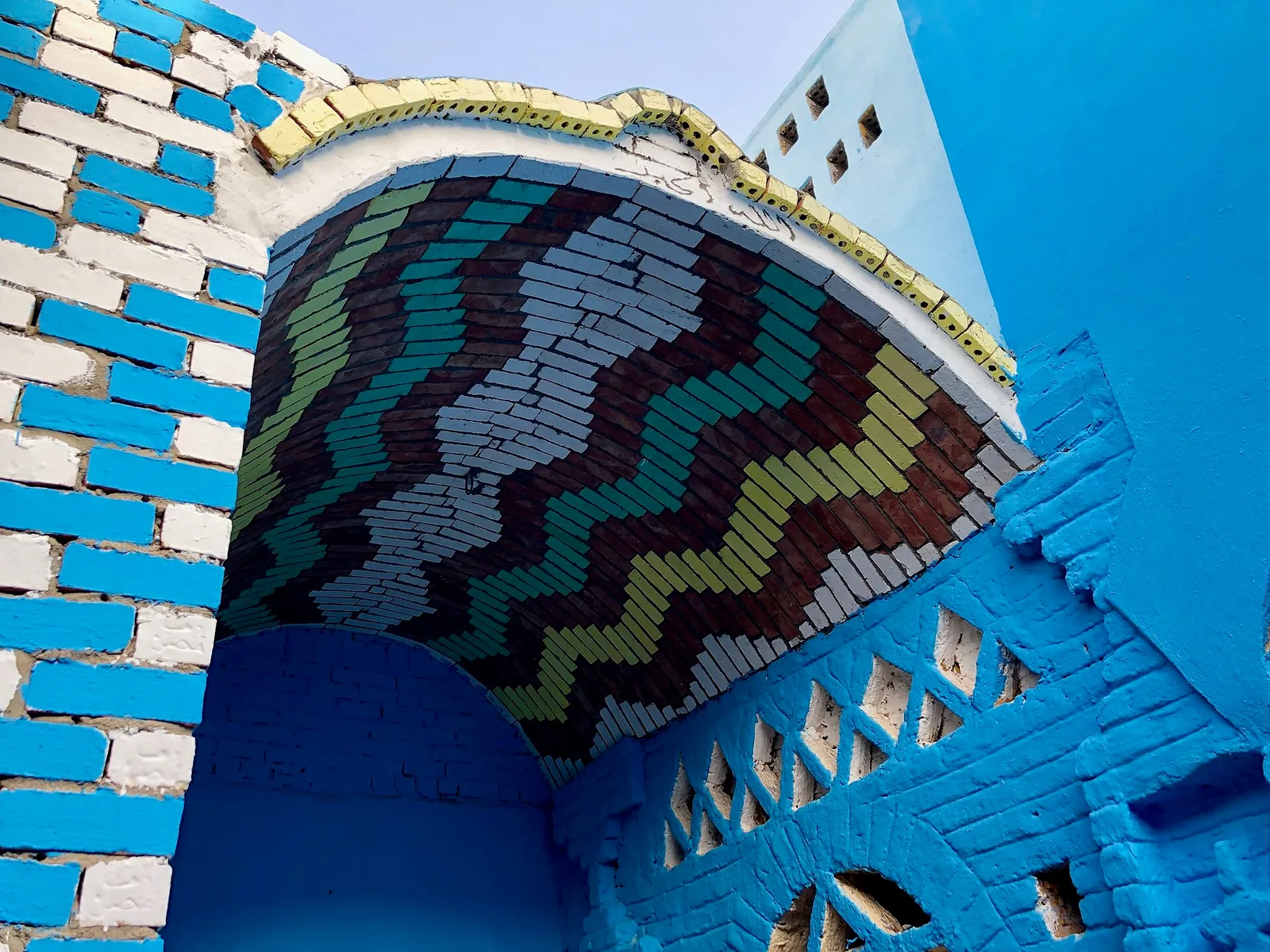
Stand for a moment in a concrete flat at the height of an August afternoon, the fan turning overhead as if apologising for its own helplessness, and remember that a few steps from the temples of Luxor there are houses of mud you can walk into and feel a gentle coolness — no air conditioner, no bill. This is not a miracle; it is engineering. And the man behind it was an Egyptian born with the dawn of the twentieth century, who spent his life telling us something simple that we refused to hear: the solution is under your feet. His name was Hassan Fathy, and the world knows him by a title that sounds nothing like a celebrity's: "the Architect of the Poor."
Hassan Fathy was born in Alexandria in 1900 and studied architecture in Cairo, graduating in the 1920s, at a time when modernity meant one thing only: cement, steel and imported European style. He could have taken the safe road — villas for the wealthy, apartment blocks for the cities, a comfortable life. Instead he turned his gaze to where no one else was looking: the Egyptian countryside, where millions of peasant farmers lived in crumbling houses that no architect and no engineer had ever reached. From that turn of the head was born one of the most important architectural experiments of the twentieth century.
The question that kept Fathy awake at night was economic before it was aesthetic: how do you build a dignified house for someone who cannot afford cement, steel or timber? Every "modern" building material was imported, and its price stood far beyond a farmer's reach. So he turned the equation on its head: instead of asking how to find the money for the materials, ask which materials the people actually possess. And the answer was the oldest answer in the Nile Valley: mud brick — the earth of the land itself, mixed with straw and dried in the sun, the material Egypt's villages have been built from for thousands of years. The only problem was the roof, because roofs demand expensive timber, or concrete that costs more still.
And here comes the moment of revelation, which Fathy recounts in his book like a chapter from a novel. In Aswan he found Nubian builders roofing houses with domes and vaults of that same mud brick, laying them by hand, one leaning course above another, with no wooden formwork, no steel frame, not a single plank of timber. It was an inherited craft that solved, in a single stroke, the hardest equation in popular building: a sturdy roof made of a material that was all but free. The architect trained in the schools of modern architecture stood there learning from master masons who had never sat in a lecture hall, and he found in that no humiliation but an entire philosophy. The conclusion he drew fits every profession: sometimes "progress" means bending down to learn what people mastered long before you.
The great opportunity came in the mid-1940s, when the Antiquities Service set out to move the residents of Old Gourna, whose houses stood over the Tombs of the Nobles on Luxor's west bank, in order to protect the antiquities from being tampered with. Commissioned to design a complete replacement village, New Gourna, Fathy did not draw identical rows of housing boxes as government projects usually do; he designed a living village with a mosque, a market, a theatre and a khan for craftsmen, and houses of which no two were alike, because no two families are alike. More important still, he brought the residents into the building work with their own hands, so that they would gain a craft that stayed with them after the project ended. He called it architecture with the people rather than architecture imposed upon them — an idea that anticipated by decades everything we now call "community participation."
And for anyone who imagines that mud is nothing but poverty and nostalgia, look at the physics Fathy put to work long before "sustainability" became a global fashion. Thick earthen walls absorb the day's heat slowly and release it at night, so the house stays cooler than the outdoors at noon and warmer than it on winter nights. The inner courtyard works as a well of air, drawing in the breeze and holding the shade; the malqaf — that angled tower on the roof — catches the cool upper winds and pours them into the heart of the house; and the mashrabiya breaks the sun's glare, lets the air pass through and guards the privacy of the household. Before air conditioners, the architecture itself was the air conditioner. And that is a practical lesson for anyone building today: the orientation of a house, its windows and the thickness of its walls are decisions that cost almost nothing, yet they set your electricity bill for decades.
But the story is no victory hymn, and Fathy himself refused to tell it as one. New Gourna was never completed: many residents resisted leaving their old houses and the livelihoods bound up with them, bureaucracy dragged its feet, funding faltered, and the project halted before it reached its goal. Fathy could have buried the experiment and moved on; he did precisely the opposite. He wrote it down in full, its successes and its failures alike, and spared himself no criticism. From that rare honesty came his true value, because the world did not learn from Gourna as a utopia fulfilled, but as an honest experiment whose author said exactly what he had tried and why it stumbled. Take it as a rule in any line of work: an experiment documented honestly serves people better than a claimed success that teaches no one anything.
That honesty took shape in a book published in Cairo in 1969 under the title "Gourna: A Tale of Two Villages," which the University of Chicago reissued in 1973 under the title that travelled the world: "Architecture for the Poor." The book was translated into several languages and became something like a founding manifesto for everyone in search of a humane, inexpensive, clean architecture in the countries of the global South and beyond. Architecture students on several continents began reading about a mud village on Luxor's west bank, and about an architect who argued that every people has its architecture as it has its language, and that importing ready-made houses is like importing a foreign tongue you speak without a soul. Few Egyptian books of the twentieth century crossed borders with such force, and most of those that did were literature; this one was a book about mud.
Nor did the man stop at Gourna. In the 1960s he designed the village of New Baris in the New Valley to serve an agricultural scheme in the heart of the desert, devising cooling systems for its market and storehouses that ran on air and shade — before the work halted with the 1967 war. In the early 1980s his domes crossed the ocean, when he designed the Dar al-Islam complex in the American state of New Mexico, and brick domes and vaults bearing the signature of a pupil of Nubia's master masons rose in the deserts of America. In Cairo, his old house in Darb al-Labbana near the Citadel remained a salon frequented by architects and researchers from everywhere. This is how original ideas behave: they are born intensely local, and then the world adopts them, because they touch something shared in human need.
Then international recognition came, late but thunderous. In 1980 Fathy received the Swedish Right Livelihood Award — known as the Alternative Nobel — in its very first year, and in the same year he won the first Chairman's Award of the Aga Khan Award for Architecture. In 1984 the International Union of Architects gave him its Gold Medal, among the highest honours an architect anywhere can receive. His influence carried on through students who took his approach into projects that won international prizes in their own right, and through generations of Arab and foreign architects who learned that heritage is not a museum but a toolbox of solutions. He died in Cairo in 1989, having seen with his own eyes the idea once dismissed become a school with a worldwide following.
Today, in an age of climate change and rising energy costs, Fathy reads as though he wrote for us rather than for his own generation. Advocates of green building around the world are rediscovering what he preached: local materials that do not travel thousands of kilometres freighted with emissions, passive cooling achieved by design rather than by electricity, and houses built by the hands of the people who live in them, so that skill is distributed along with shelter. Exhibitions and universities teach his work among the reference points of earthen and sustainable architecture, and domes and wind-catchers are reappearing in contemporary projects from Africa to the Gulf. The irony is that many of these ideas come back to us today wrapped in English terminology, when we are their original owners. So do not let the foreign name dazzle you: behind every piece of "sustainable architecture" lies an old idea your grandfather simply lived inside.
As for New Gourna itself, its story carries another lesson. The village lies within the boundaries of ancient Thebes, inscribed on the World Heritage List, and in recent decades international organisations have launched efforts to safeguard what remains of Fathy's architecture there, after time, neglect and unregulated building took their toll on many of its houses — though its mosque still stands as a striking witness to the experiment. Consider the paradox: the world mobilises to rescue a mud village in Luxor as a treasure of humanity, while we demolish its like every day and regard it as a disgrace to be replaced with concrete. Protecting architecture is neither a luxury nor nostalgia; it is the preservation of a memory of solutions we may need tomorrow. And the first step available to any of us is to look at the old before we tear it down and ask a single question: what did the people who built this know?
And you — what will you take from the story of the Architect of the Poor into your home and your life? Imagine you are building, buying or even renovating a flat: ask about the direction of the sun before you ask about the colour of the tiles, about cross-ventilation before the capacity of the air conditioner, about shade and insulation before the décor — these are Fathy's questions, they cost nothing and they save a great deal. And if you practise a profession, any profession, take from him the method rather than the details: start from what people actually have and not from an importer's catalogue; learn from those who came before you, even if they hold no diplomas; and document your experience honestly, even in its failure. Hassan Fathy built, out of the mud we trample underfoot, an architecture that astonished the world, because he respected three things we take lightly: place, people and memory. And whoever respects those three builds what lasts.
Related Stories
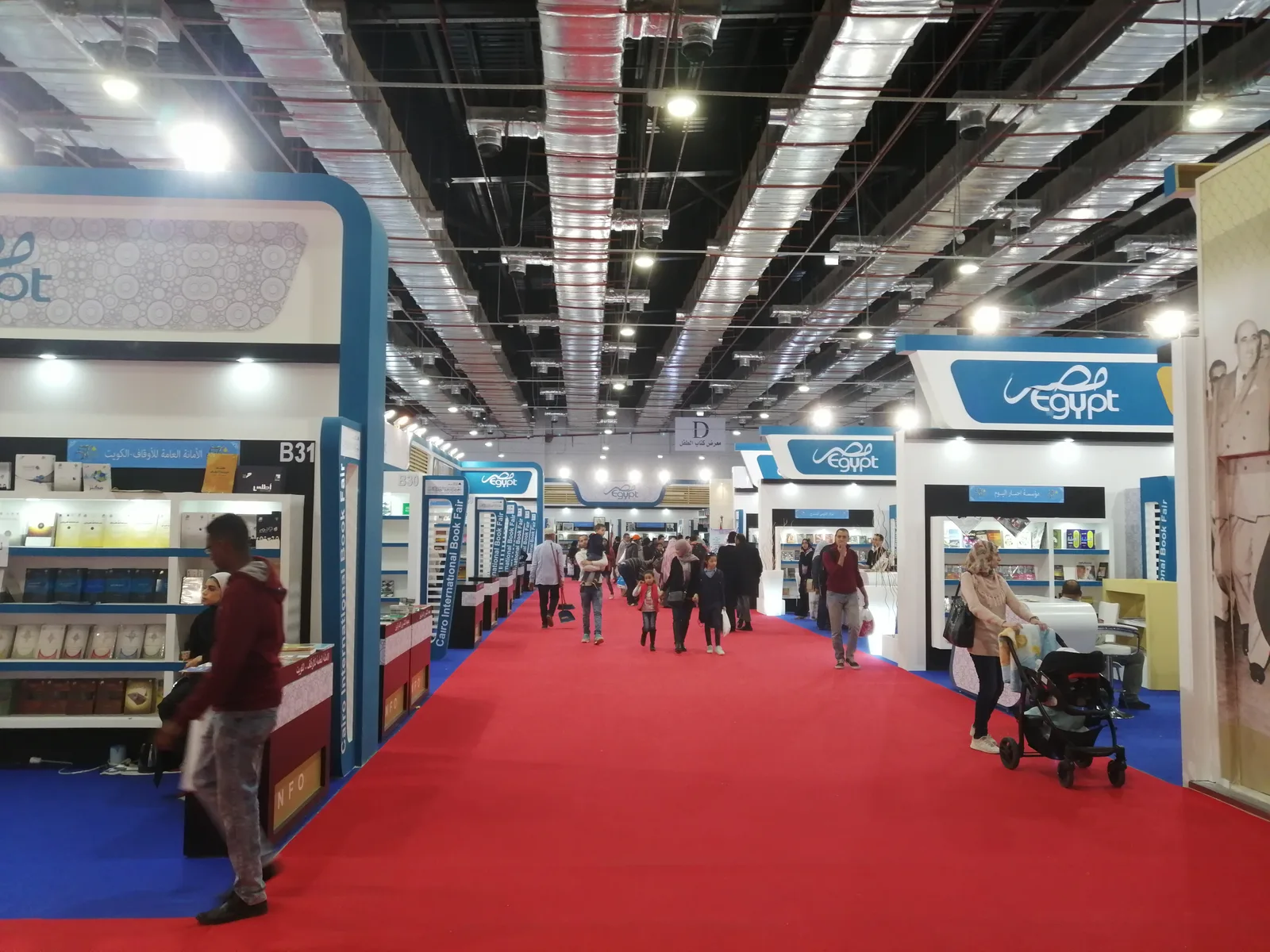
International Translation Day: From the 1835 Alsun School to Egypt's National Center for Translation
On 30 September the world marks International Translation Day, and behind the translated book you carry home from the fair lies a two-century Egyptian story: an Azhar sheikh back from Paris founded Egypt's first modern school for translators in 1835, and committees and projects rose and stalled, until the National Center for Translation was founded in 2006. This is the whole story, and what it means for you.
September 30, 2026 · 7 min read
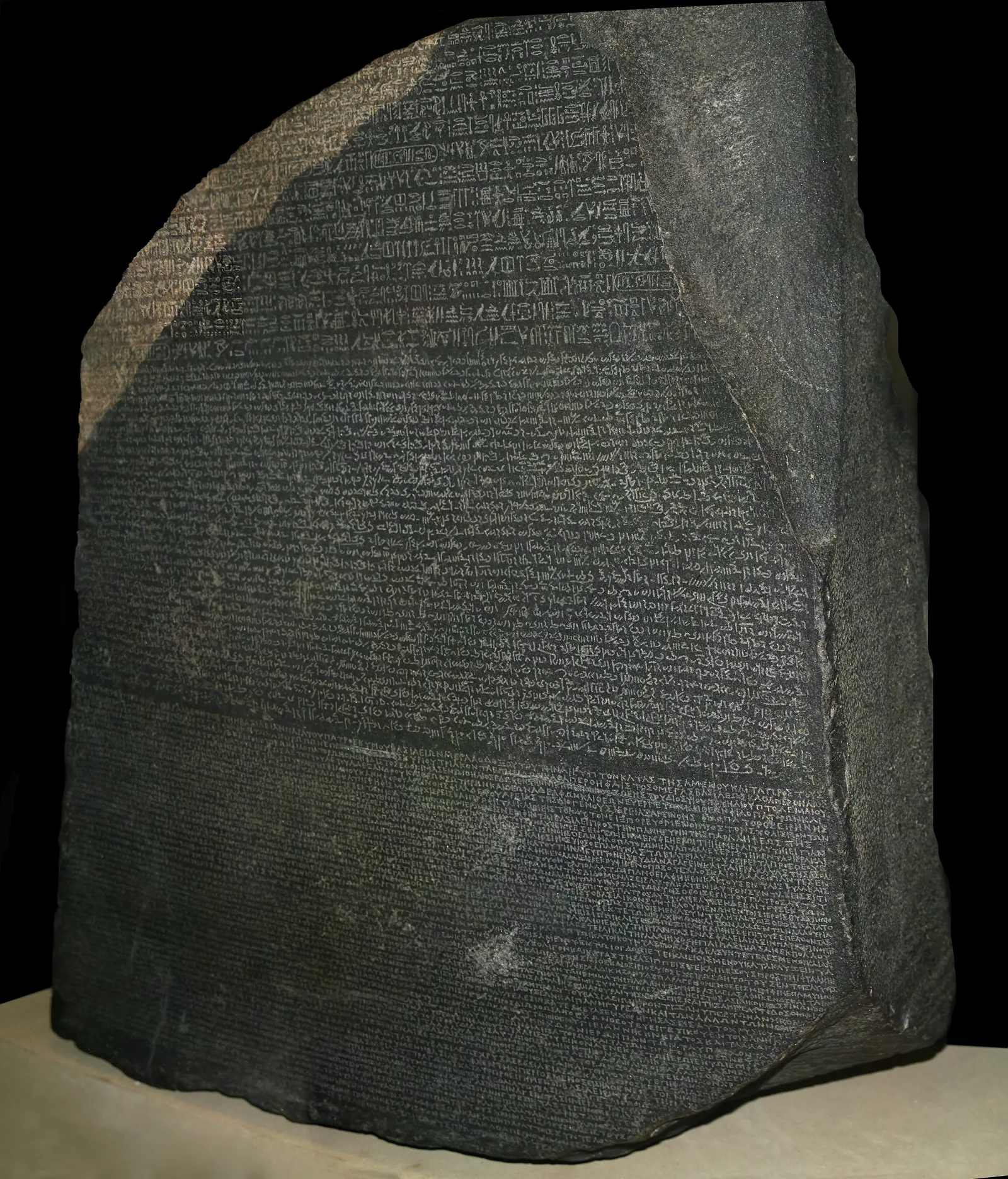
27 September 1822: The Day the Ancient Egyptians Found Their Voice Again — The Rosetta Stone and Its Key
In a hall in Paris, a 31-year-old read out a letter that gave Egypt's ancient walls back the power of speech after a long silence. From Rashid in 1799 to London in 1802 to the Academy in 1822, then on to Ahmed Kamal Pasha and the dictionary that was never printed in his lifetime, and finally to today's question: will the Stone come home? The story of a key that was lost and found again.
September 26, 2026 · 8 min read
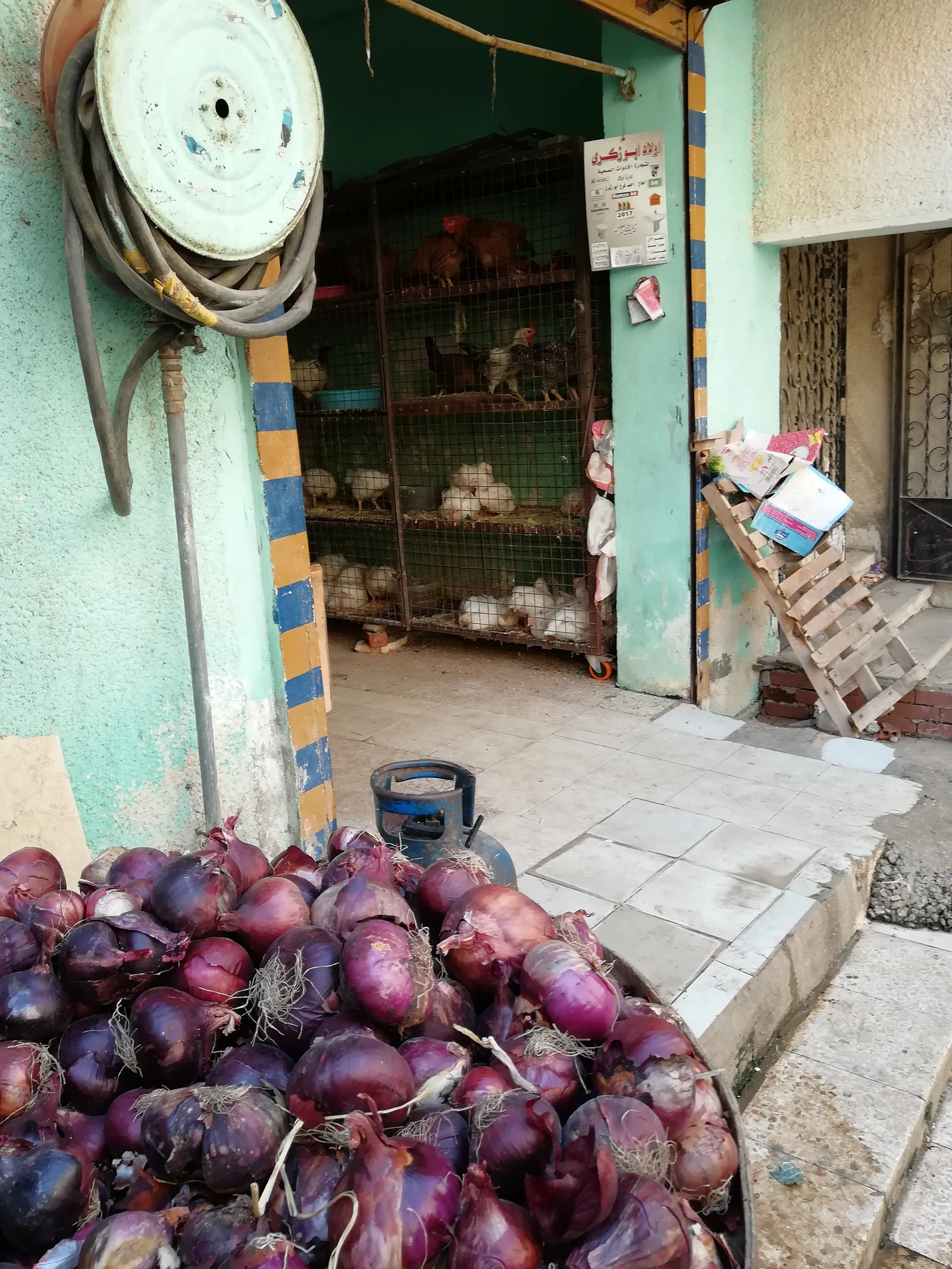
'Baladi Is Better, White Is All Hormones': A Practice Banned 50+ Years Ago, the Real Risk Lies Elsewhere
A line repeated at nearly every Egyptian dinner table. Our verdict, after fact-checking: false. Growth hormones are proteins that break down in the stomach, and injecting twenty thousand birds several times a day is practically impossible; the real explanation is genetic selection and feeding programs. Consumer concern isn't misplaced, though: the real risk lies in veterinary drug residues and the withdrawal period before slaughter.
October 19, 2026 · 7 min read