"This Is Wrong": A Desk That Calls Misbehaviour by Its Name
On this desk we will not flatter and we will not stay silent. The behaviours that have hardened into bad habits and customs will be named out loud: this is wrong. Before they are legal offences, they are moral crimes against fellow citizens — insult, provocation and harm. This is the desk's founding statement, and our promise to its readers.
Every Egyptian morning brings scenes so familiar we have almost stopped seeing them: a bag of rubbish flying out of a speeding car's window, a cloud of smoke in a closed office inhaled by people who never lit a cigarette, a sidewalk swallowed by a kiosk so that pedestrians step down into the roadway between the cars. We have learned to shake our heads and move on. This desk was created to stop in front of these scenes and say, out loud: this is wrong.
The doctrine of this desk is simple and clear. Some of these behaviours are punishable offences under the law; others may not be covered by any legal text at all. But what concerns us first and foremost is that they are moral crimes against fellow citizens — acts of insult, provocation and harm to people's feelings, health, safety and dignity. The moral indictment comes first; the criminal one follows wherever a real law exists.
Why name them out loud? Because silence is what turned the mistake into a habit, the habit into a custom, and the custom into a daily scene that no longer provokes anyone. When bad behaviour passes without comment, everyone learns that it is acceptable. We believe the first step towards making these habits disappear from the Egyptian scene is to say them in public — and for the person doing them to know that people see him and judge him.
Take the person who throws litter from his car window — even a luxury car. He leaves a trap behind him on the asphalt. Imagine a student walking to school along the edge of the road, slipping on what was thrown, possibly paying with his life for someone else's seconds of laziness in not waiting for a rubbish bin. And even when nothing at all comes of the act, it remains unethical, uncivilised and provocative.
Take the person who smokes in an enclosed space and answers every objection with "I'm free." His freedom ends at his neighbour's lungs. Around him are people with allergies, children and pregnant women forced to inhale second-hand smoke — and a law that already exists, banning smoking in enclosed public places since Egypt's anti-smoking Law 52 of 1981 was amended by Law 154 of 2007.
Take those who pollute the Nile. The artery that has given Egypt life since the dawn of history is treated by some as a dump — as if the water they throw their waste into were not the very water millions of Egyptians downstream will drink.
Or those who bring aggressive dogs to public beaches, terrifying children and ruining families' days, then bathe the dogs in the same sea people swim in, with whatever microbes that may carry. Or those who race dilapidated cars at reckless speed — no reliable brakes, no sound tyres — turning the public road into a hazard to citizens' lives.
Or those who rent out the ground floors of residential buildings to become cafés, shisha and cigarette smoke rising through the building, open all night with a din that robs schoolchildren of their sleep and their parents of their rest. The residents upstairs never chose to live above a café that does not sleep.
Or the pedestrian who crosses through speeding traffic with no regard for designated crossings, endangering his own life and the drivers'. Or the kiosks erected on sidewalks, pushing pedestrians into the roadway — a practice that remains an assault on the walker's right of way even when the district has licensed it. Or the unlicensed strongman "sayes" who appoints himself owner of the street and extracts tribute from anyone parking on a public road.
Or the smoker who flicks a still-burning cigarette butt from a window or onto the pavement, unaware that a small ember has been the start of fires and disasters. All the way to female genital mutilation — explicitly criminalised in the Egyptian Penal Code, yet still practised, passed down in secret as if it were an unavoidable fate.
Let this be clear: our lens is the same for everyone. The man who litters from a luxury car stands before this desk exactly where any other offender stands. Refinement is a behaviour, not a car brand; this desk judges no one's wealth or poverty — it judges acts. Nor will we become a pulpit of condescending sermons. We are part of this street; we write about habits some of us once shared before thinking twice.
This desk belongs to a wider platform — proud to be — to our knowledge — the first news platform to take on fourth-generation rumour warfare with a systematic, scientific method, through experts and specialists, putting the lies designed to harm Egypt under the citizen's own eyes. The platform also opens the file of population growth, which devours every gain in development, presenting practical solutions and the experience of countries that confronted the problem or turned their growing numbers into human capital.
And here is our promise: we will name the behaviour, not the person; we will always separate the moral crime from the legal one; and we will never invent an incident, a number or a name. Every article will end with one question: what must change? From the citizen — to start with himself and to object politely but firmly. From the state — to enforce the laws that already exist before writing new ones. Until these habits disappear from the Egyptian scene, we will keep saying it: this is wrong.
Related Stories
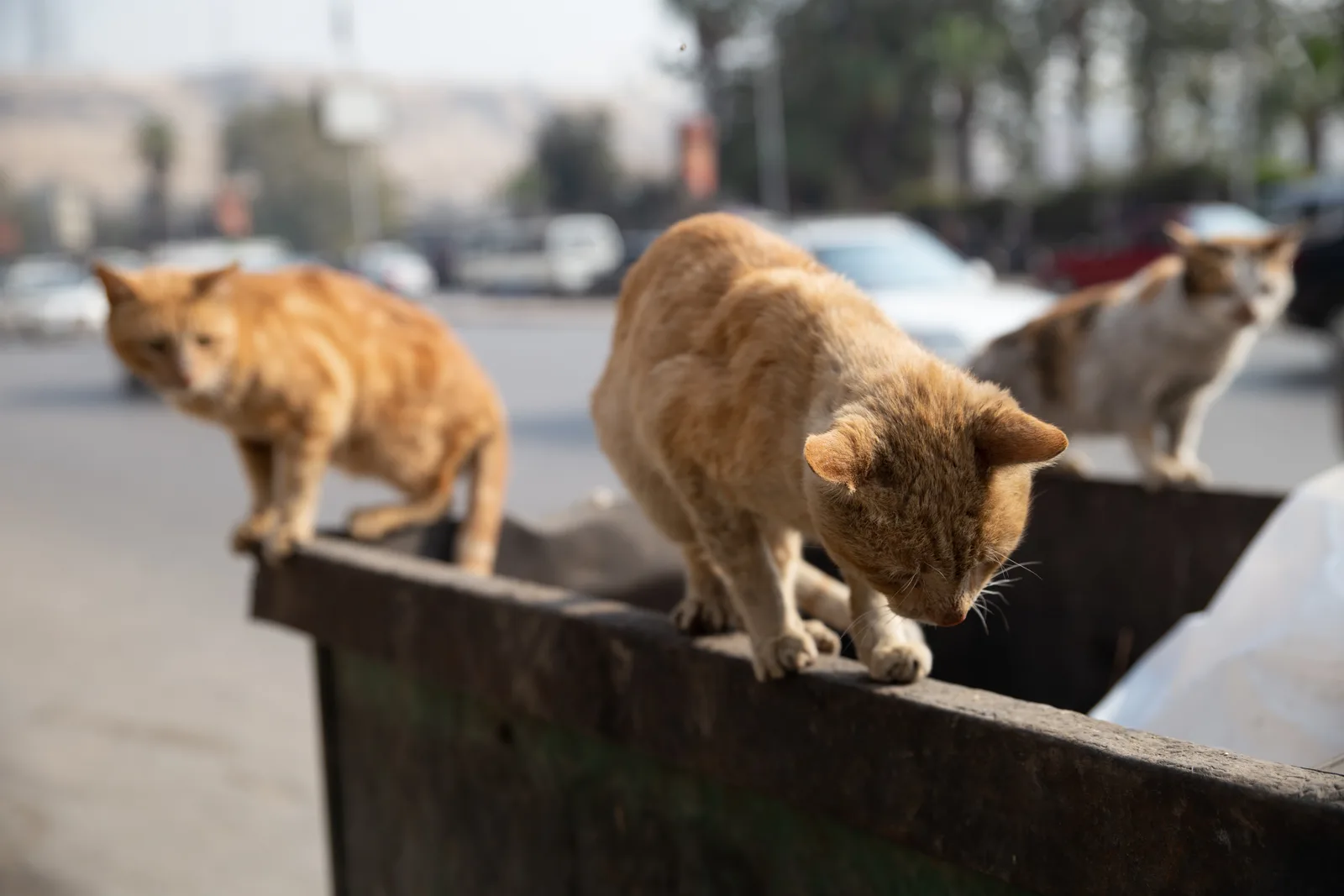
Keda Ghalat (That's Just Wrong): Harming an Animal Has Been a Crime Under Egypt's Penal Code Since 1937
A neighbour sets out poisoned bowls beside the school wall; a cart driver beats his donkey across the face to make it haul a load beyond its strength. Many assume that "just an animal" means no law protects it. In fact, Articles 355, 356 and 357 of the Penal Code punish killing, poisoning and harming animals with penalties that go as far as prison. On the eve of World Animal Day, we explain what the law says and what the right thing to do is.
October 3, 2026 · 6 min read
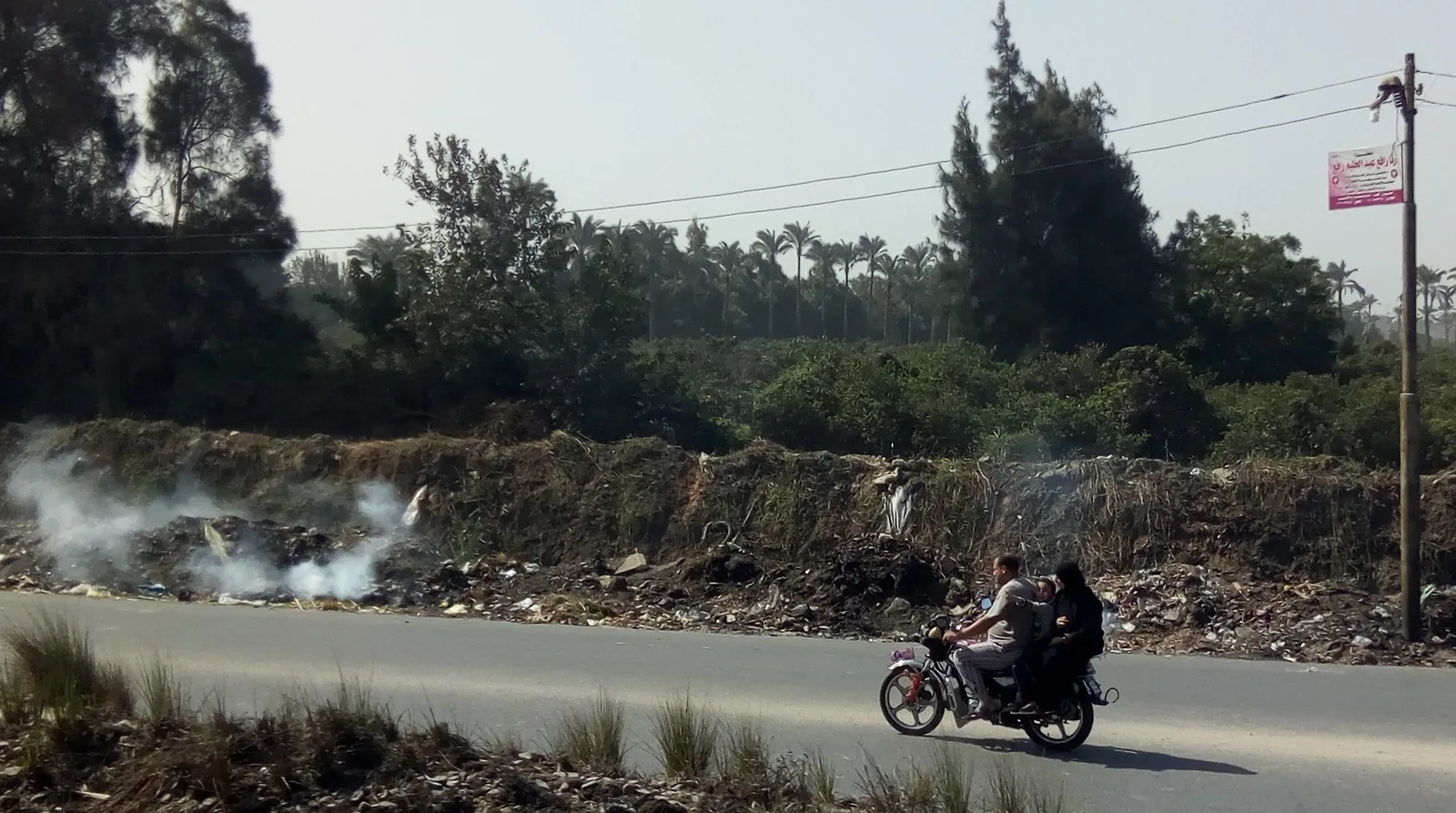
Four on a Motorcycle and No Helmet: A Bare Head Is the Dearest Thing a Family Can Lose on the Road
In the second week of school the same scene repeats: a father driving, one child in front, another behind, the mother clutching the bags, and not a single helmet among them. Press reports citing CAPMAS show deaths jumping from 190 to 897 between 2020 and 2024, while a Cochrane review finds a helmet alone cuts the risk of death by 42%. The law has punished the bare head since 1999, fine raised in 2008. So why do we not comply?
September 23, 2026 · 8 min read
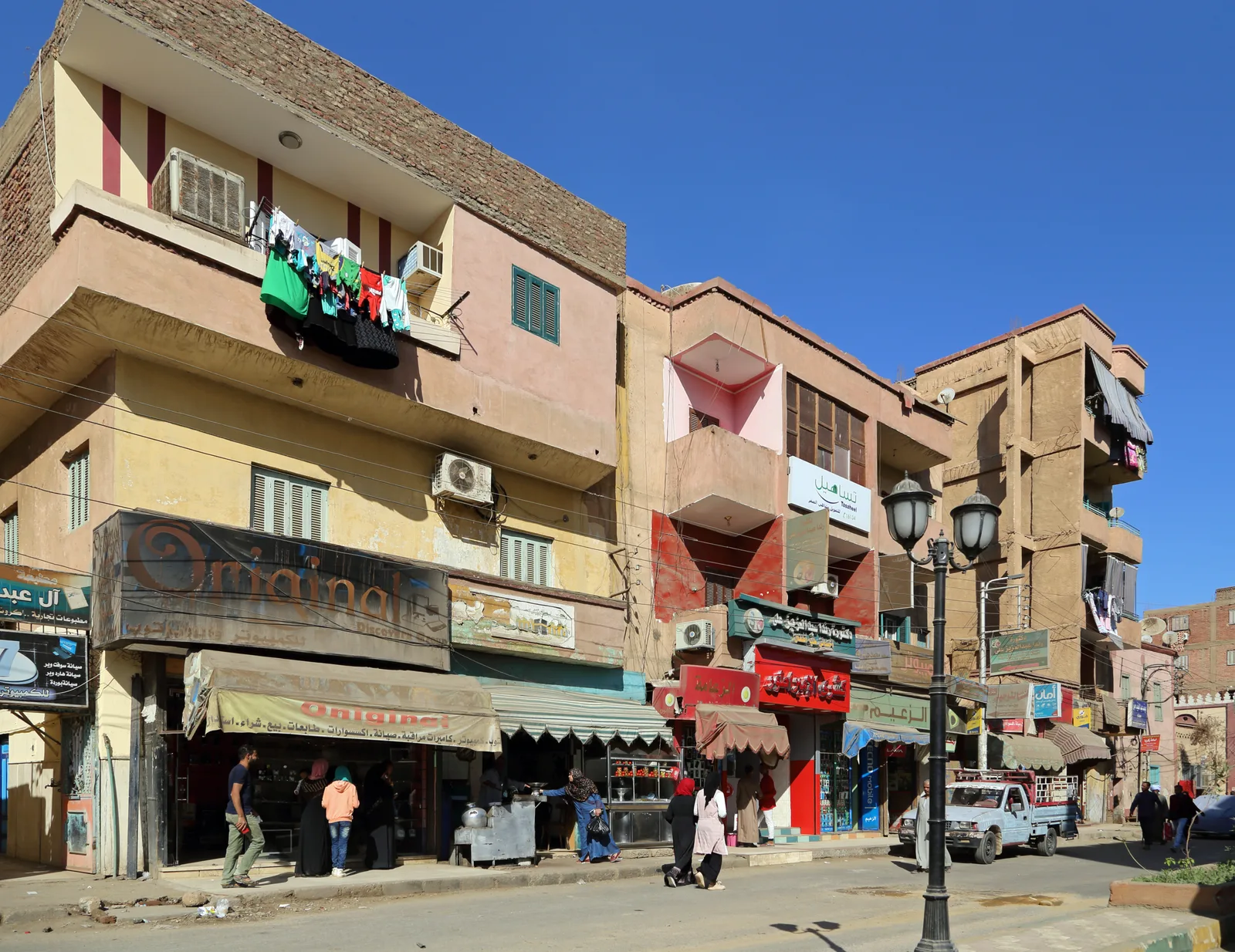
"A Hook-Up on the Cable" Is No Clever Trick: Electricity Theft Is a Crime the Whole Neighbourhood Pays For
A bare wire dangling from a lamp post to a balcony, an air conditioner on a meter that never moves, and a fuse blowing for the third time, plunging a bill-paying neighbour into darkness. Article 71 of the Electricity Law calls this unlawful appropriation of current, punished by prison and a fine, while a tougher amendment awaits the House of Representatives. What does a whole street lose from one hook-up? And what is the right alternative?
September 14, 2026 · 7 min read