A Lit Cigarette Butt: One Small Ember Is Enough for a Disaster
One flick of a finger: the cigarette is tossed from a window or dropped on the pavement while still burning, and its owner walks away. But an ember does not know it is "small." On dry grass, beside a garbage pile, near a fuel leak — one spark is enough to start a disaster. Seconds of carelessness can devour whole families' livelihoods. This is wrong.
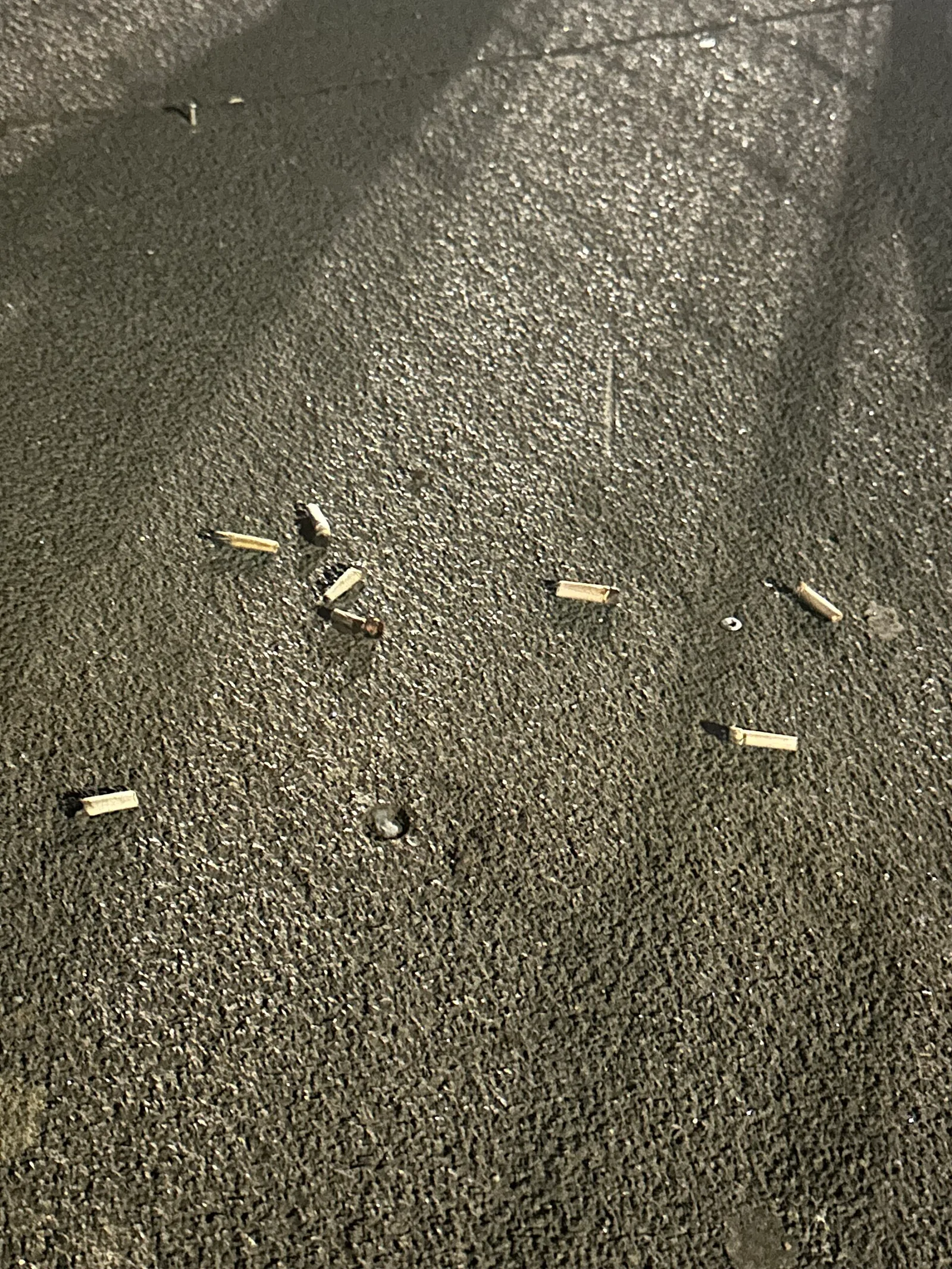
It is a single flick of a finger, done without a thought: a last drag on the cigarette, then a toss from the car window or a drop onto the pavement — the butt still burning, sparks scattering. The smoker goes on his way, and the ember stays behind alone on the ground, deciding the fate of everything around it.
An ember does not know it is "small." Fire needs only three things, all easily found on our streets: heat, which the ember supplies; something flammable; and a little air. Dry grass along a rural road, a pile of garbage with paper and cardboard, plastic waste, a patch of spilled fuel near a petrol station or a workshop. Materials waiting for a spark — and the spark arrives by express delivery from a passing car window.
How many fires have begun exactly this way, with an ember its owner could not be bothered to put out? We need not invent specific incidents: civil defence reports the world over list carelessly discarded cigarette butts among the recurring causes of fires in farms, warehouses and homes. The pattern is known and documented: an ember, dry material, a breeze — then a fire beyond the power of the person who started it to stop, even if he wished to.
Picture the scene at its simplest: a burning butt flicked from a car window on a highway, carried by the wind into the face of a motorcyclist behind, or landing in a load of straw on a pickup truck. Or a butt dropped from a balcony onto the fabric awning of a ground-floor shop, onto hanging laundry, onto a neighbour's balcony where something can catch. None of these people chose to be party to a gamble someone else lit.
And here is the heart of the moral indictment that concerns us before anything else: whoever throws a live ember into a shared space is gambling with other people's lives, livelihoods and property in order to save three seconds — the time it takes to extinguish a cigarette before discarding it. Even if nothing ever catches fire, the act remains a display of contempt for people, a provocation, a message that says: your safety is not worth the movement of my finger.
Even the extinguished butt is not entirely innocent. It is litter, punishable when thrown on the public road under Egypt's public cleanliness Law 38 of 1967 and its amendments, and it is among the most widespread and slowest-degrading forms of street litter in the world. But the burning butt in particular moves the act from the category of filth to the category of imminent danger.
The irony is that the fix here is among the cheapest and easiest imaginable. The smoker needs only to put the cigarette fully out — grinding it against a hard surface or wetting it — before dropping it in a bin. Whoever smokes in his car has an ashtray built for exactly this purpose; whoever smokes on his balcony needs only a small dish. We are not demanding that anyone quit smoking; we are demanding only that a cigarette not become an incendiary projectile.
What do we ask of the citizen? Extinguish, then discard — always, without exception, even when the ember looks about to die on its own. Teach the smokers in your family, if you cannot persuade them to quit, that this one gesture is a red line. And whoever sees an ember flicked from a window should say it: this is wrong.
And what do we ask of the state and of public establishments? Metal butt bins and sand trays at the entrances of buildings, cafés and transport stations, so no smoker can plead the absence of a proper place. Awareness campaigns that draw the direct line between the burning butt and the fire, because many people do this out of genuine ignorance of the consequences rather than contempt. Then, enforcement of the existing fines on those who persist.
A cigarette ember is the smallest thing a hand can carry — and it can be the first thread in the greatest loss an entire street has ever known. Between the two stand three seconds of attention, nothing more. To whoever begrudges his neighbours and passers-by those seconds, we say without hesitation: this is wrong.
Related Stories
Keda Ghalat (That's Just Wrong): Harming an Animal Has Been a Crime Under Egypt's Penal Code Since 1937
A neighbour sets out poisoned bowls beside the school wall; a cart driver beats his donkey across the face to make it haul a load beyond its strength. Many assume that "just an animal" means no law protects it. In fact, Articles 355, 356 and 357 of the Penal Code punish killing, poisoning and harming animals with penalties that go as far as prison. On the eve of World Animal Day, we explain what the law says and what the right thing to do is.
October 3, 2026 · 6 min read
Four on a Motorcycle and No Helmet: A Bare Head Is the Dearest Thing a Family Can Lose on the Road
In the second week of school the same scene repeats: a father driving, one child in front, another behind, the mother clutching the bags, and not a single helmet among them. Press reports citing CAPMAS show deaths jumping from 190 to 897 between 2020 and 2024, while a Cochrane review finds a helmet alone cuts the risk of death by 42%. The law has punished the bare head since 1999, fine raised in 2008. So why do we not comply?
September 23, 2026 · 8 min read

"A Hook-Up on the Cable" Is No Clever Trick: Electricity Theft Is a Crime the Whole Neighbourhood Pays For
A bare wire dangling from a lamp post to a balcony, an air conditioner on a meter that never moves, and a fuse blowing for the third time, plunging a bill-paying neighbour into darkness. Article 71 of the Electricity Law calls this unlawful appropriation of current, punished by prison and a fine, while a tougher amendment awaits the House of Representatives. What does a whole street lose from one hook-up? And what is the right alternative?
September 14, 2026 · 7 min read