Litter Flung from a Car Window: Seconds of Laziness That Can Cost a Life
A window rolls down, a hand reaches out, a bag drops onto the asphalt and the car drives on. It happens every day on our streets — from modest cars and luxury cars alike. Before it is an offence, it is a message of contempt to everyone on the road, and a trap a passer-by can slip on and pay for with his life. This is wrong.
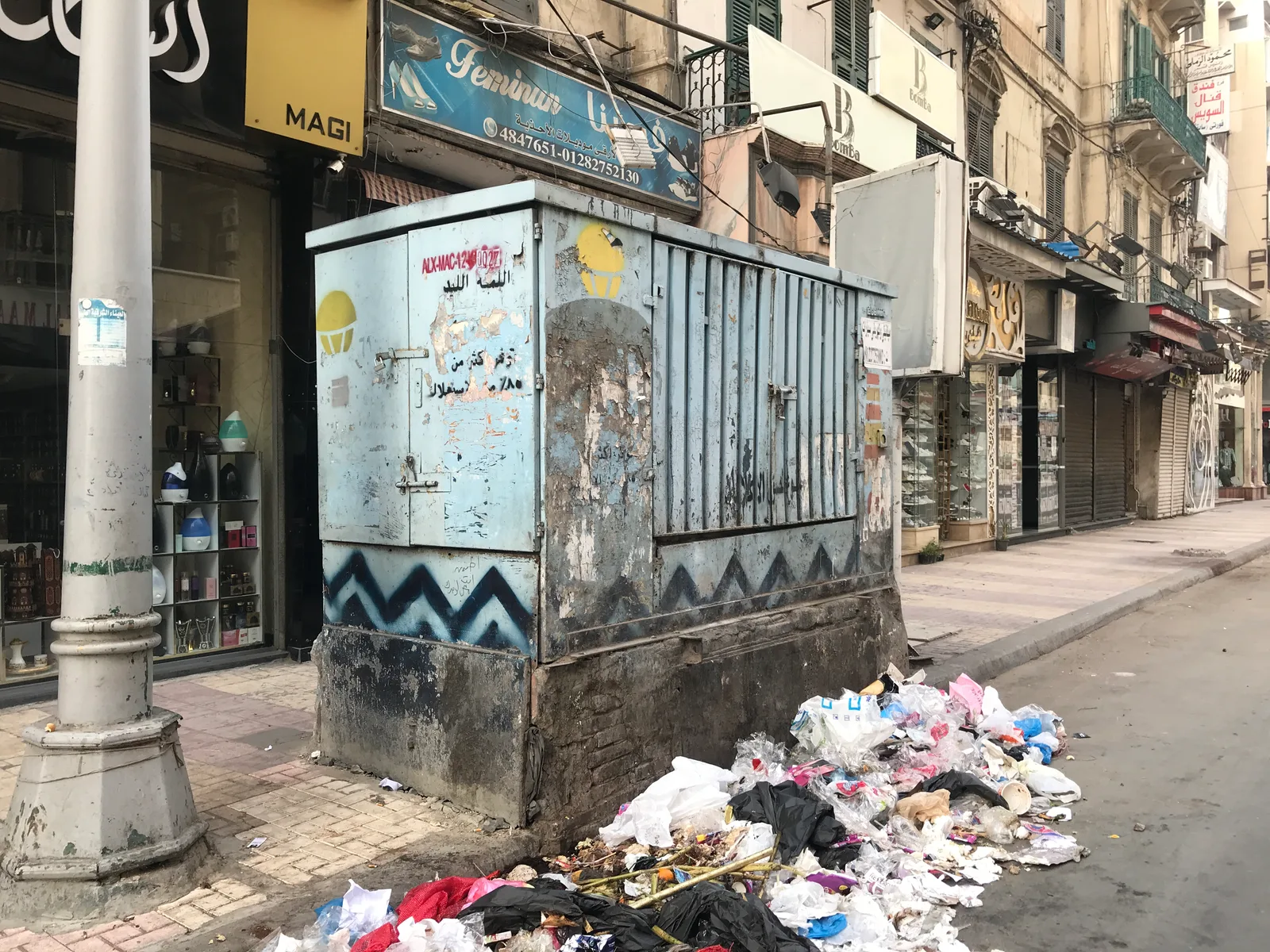
The scene needs no long description because we see it every day: a car moving down the road, a window opening, a hand reaching out with a bag, a bottle or food scraps — and all of it dropping onto the asphalt as the car drives on as if nothing happened. To the owner of that hand, the street is one big rubbish bin, and street cleaners exist to pick up whatever he throws.
Let us say it plainly from the first line: the luxury of the car is no excuse. How many times have we seen the bag tossed from the tinted window of a car worth as much as an apartment? Refinement is not a brand or a model year; refinement is behaviour. Whoever throws his litter from his car window announces exactly who he is, whatever he happens to be driving.
The crime here is moral before it is legal. The street is common property — the walker's, the passenger's, the vendor's, the child's coming home from school. Whoever dumps his waste onto it is effectively telling all of them: my comfort matters more than all of you, and the cleanliness of my car's interior is worth dirtying your road. That is insult, provocation and harm — even if nothing else ever comes of the act.
But something far worse can come of it. Imagine a student on his way to school in the morning, walking along the edge of the road because the sidewalk is blocked, stepping on a piece of fruit peel or a wet bag thrown minutes earlier from a passing car. He slips, loses his balance, falls into the path of traffic. In a single second, the laziness of someone who could not tolerate a bag in his car until the next bin becomes a tragedy that devastates an entire family.
We do not need to wait for the tragedy to judge the act. Even at best — when no one slips and no one is hurt — throwing waste from a car remains unethical, uncivilised and provocative to everyone who sees it. The ugliness is in the act itself, not only in its consequences.
And one bag never stays alone. The first bag on the roadside is an open invitation to a second and a third, until the shoulder of the road becomes a small dump — bags blowing into drivers' windshields, blocking storm drains, settling at last in canals and waterways. A bad habit builds its own environment: a dirty place invites more dirt.
The law has a word here too, though we deliberately put it second. Dumping waste on the public road is an offence punishable under Egypt's public cleanliness Law 38 of 1967 and its amendments. The text has existed for decades; what is missing is firm enforcement that makes anyone reaching for the window handle think twice.
There is a ready-made excuse we hear often: "Then what are street cleaners for?" The answer is simple: the existence of someone who sweeps the street is not a licence to dirty it, just as the existence of doctors is not an invitation to hurt people. The street cleaner deserves to have his work respected, not pointlessly multiplied — his dignity preserved, not treated as a broom that walks behind our windows.
What do we ask of the citizen? Something almost laughably simple: a small bag inside the car, holding the rubbish until the next bin. That is all. And if you witness the act, say it politely but firmly, even with a look: this is wrong. The offender who knows people see and disapprove changes far faster than the one whose act passes without comment.
And what do we ask of the state? Enough bins, sensibly distributed along roads and squares; genuine enforcement of the fines already on the books, so the penalty reaches the car owner the way a speeding ticket does; and use of the existing traffic camera network to record this behaviour wherever possible. A law that is not enforced becomes a suggestion.
The road is a mirror of those who travel it. When the bag flies from the window, it is not only the bag that lands on the asphalt — something of the city's image, and its people's, falls with it. This is wrong, and we will keep saying so until the sight of a hand reaching out of a window with a bag becomes a scene from the past.
Related Stories
Keda Ghalat (That's Just Wrong): Harming an Animal Has Been a Crime Under Egypt's Penal Code Since 1937
A neighbour sets out poisoned bowls beside the school wall; a cart driver beats his donkey across the face to make it haul a load beyond its strength. Many assume that "just an animal" means no law protects it. In fact, Articles 355, 356 and 357 of the Penal Code punish killing, poisoning and harming animals with penalties that go as far as prison. On the eve of World Animal Day, we explain what the law says and what the right thing to do is.
October 3, 2026 · 6 min read
Four on a Motorcycle and No Helmet: A Bare Head Is the Dearest Thing a Family Can Lose on the Road
In the second week of school the same scene repeats: a father driving, one child in front, another behind, the mother clutching the bags, and not a single helmet among them. Press reports citing CAPMAS show deaths jumping from 190 to 897 between 2020 and 2024, while a Cochrane review finds a helmet alone cuts the risk of death by 42%. The law has punished the bare head since 1999, fine raised in 2008. So why do we not comply?
September 23, 2026 · 8 min read
"A Hook-Up on the Cable" Is No Clever Trick: Electricity Theft Is a Crime the Whole Neighbourhood Pays For
A bare wire dangling from a lamp post to a balcony, an air conditioner on a meter that never moves, and a fuse blowing for the third time, plunging a bill-paying neighbour into darkness. Article 71 of the Electricity Law calls this unlawful appropriation of current, punished by prison and a fine, while a tougher amendment awaits the House of Representatives. What does a whole street lose from one hook-up? And what is the right alternative?
September 14, 2026 · 7 min read