The Nile Is Not a Dump: To Poison the Artery Is to Stab the Whole Body
The river Egypt was built on since the dawn of history is treated by some as an open drain: bags hurled from bridges, waste emptied into the water, garbage left on the banks. Whoever throws something into the Nile is not spoiling a "view" — he is polluting the drinking water of millions of Egyptians downstream. And the law explicitly criminalises it. This is wrong.
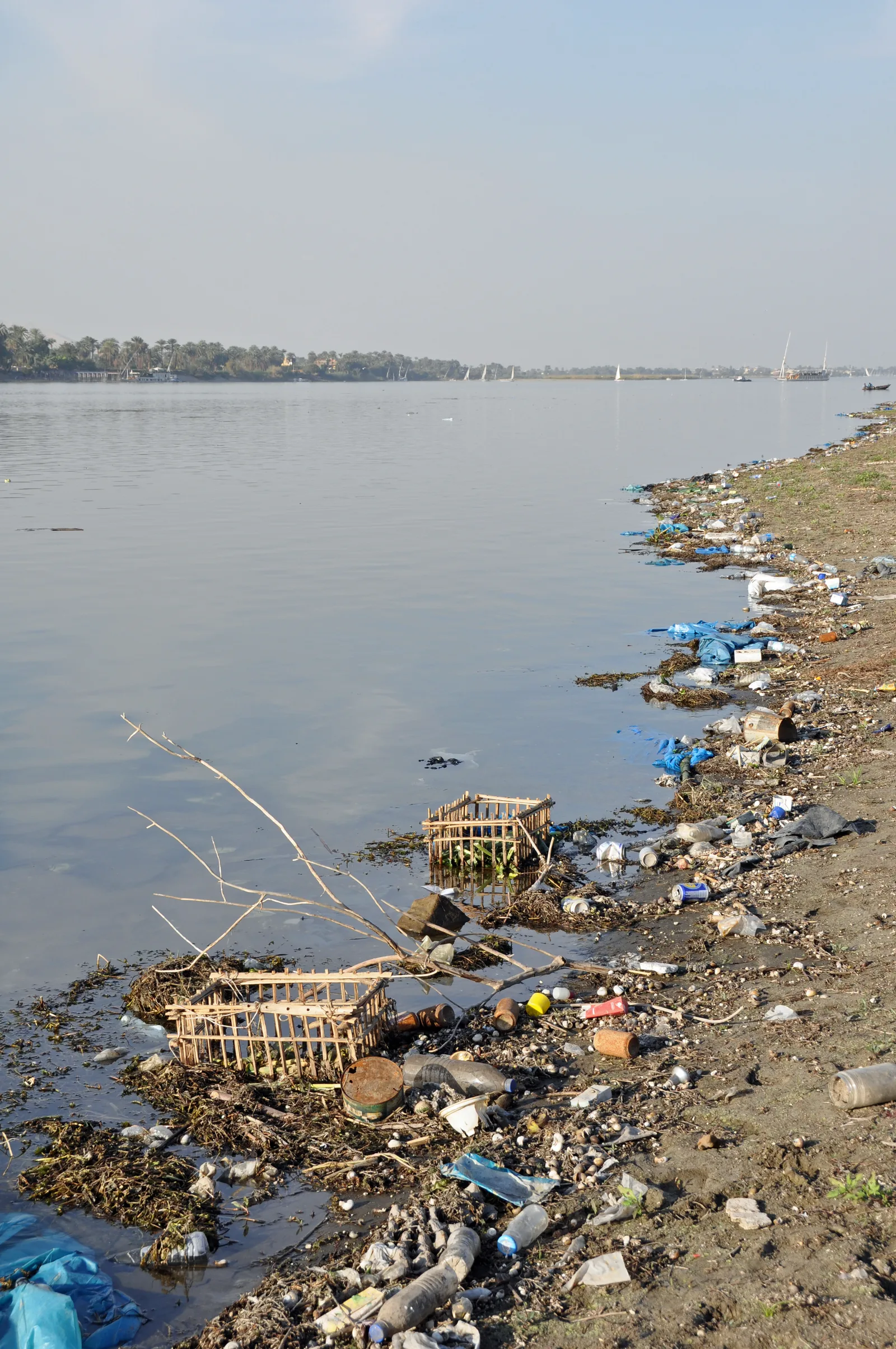
Before anything else, let us remember what this river is. The Nile is not a tourist attraction or a backdrop for sunset photographs; it is the reason Egypt exists at all. On its banks rose one of the oldest civilisations on earth, and from it Egyptians have drunk, farmed and lived for thousands of years. The Greek historian Herodotus wrote long ago that Egypt is the gift of the Nile, and the sentence remains literally true today: a country that is mostly desert, one artery of water running through its middle, and everything standing upon it.
Now look at how some of us treat that artery. A garbage bag hurled from a bridge with a one-second flick of the hand. Waste emptied at the banks under cover of night. Bottles and plastic bags left behind after a day out on the shore, for the water to carry away. Wastewater finding its way into the channel or into the canals and drains connected to it. Each person tells himself his act is small and the river is big — and the result is that millions of "small acts" accumulate in one and the same water.
Here is the fact that makes polluting the Nile different from any other littering: the river flows. What you throw into the water at one point does not stay there; it travels on to those after you. Drinking-water stations draw from this very channel; farmland is irrigated from it; the fisherman casts his net into it. Whoever pollutes the Nile is not offending a "public view" — he is reaching, in effect, into the water glass in the home of a stranger, and into the food that will be grown with that water.
That is why the crime here is moral par excellence before it is legal. Dumping waste into the Nile is a silent assault on every Egyptian living downstream of you — an assault in which the assailant never sees his victims and they never see him, yet one that is real beyond doubt. And it carries, besides, an insult and provocation to everyone who sees a riverbank turned into a dump: this river belongs to all of us — who gave you the right to disfigure it?
Plastic in particular is an enemy of a special kind. The bag that takes one second to throw remains in the aquatic environment for many years, breaking into ever smaller fragments that are swallowed by the fish that end up on our tables. Today's pollution does not end today; it is a toxic deposit we leave in the river for our children.
The law has a clear and long-standing word here. Law 48 of 1982 on the protection of the Nile and waterways from pollution prohibits discharging solid or liquid waste into the river, its branches, canals and drains except under licence and to set standards; and the Environment Law 4 of 1994, as amended, tightens that protection and prescribes penalties. The texts have existed for decades; what is needed is for them to become a reality visible to anyone tempted to treat the river as a drain.
And let us be fair: not every form of pollution is the act of individuals. Untreated sewage and industrial and agricultural waste are files larger than any one citizen's behaviour, and responsibility for them lies first with state bodies and enterprises; Egypt's wastewater-treatment and canal-lining projects are steps in the right direction that deserve to be built upon. But none of this exonerates the individual: the bag you hurl from the bridge carries no government agency's signature. Each of us answers for his own hand.
What do we ask of the citizen? That nothing leave your hand for the Nile or for any canal or drain connected to it: no bag, no bottle, no picnic waste, no slaughter remains. If you sit on the bank, leave it as you found it or cleaner. And if you see someone casting his waste into the water, do not walk past: a calm, firm word — and a report to the competent authorities when the act is serious. This is wrong.
What do we ask of boat owners and Nile businesses? A waste container on every vessel, and a commitment to bringing it ashore rather than over the side. The Nile is your livelihood before anyone else's, and it is absurd for river commerce to kill the river it lives on.
And what do we ask of the state? Genuine enforcement of Laws 48 of 1982 and 4 of 1994 against polluters, individuals and enterprises alike; continuation and expansion of wastewater-treatment projects; enough garbage bins along corniches and banks to make the right behaviour easier than the wrong one; and support and protection for river clean-up initiatives and their volunteers.
An entire nation lives on a single artery. That is not a rhetorical flourish but a precise geographical description of Egypt. Whoever stabs the artery — with a bag, a drainpipe or a truckload of waste — stabs the whole body, beginning with his own children. The Nile, having given us everything, holds a claim on us for protection. To whoever betrays it, we say — in the river's own voice, had it one: this is wrong.
Related Stories
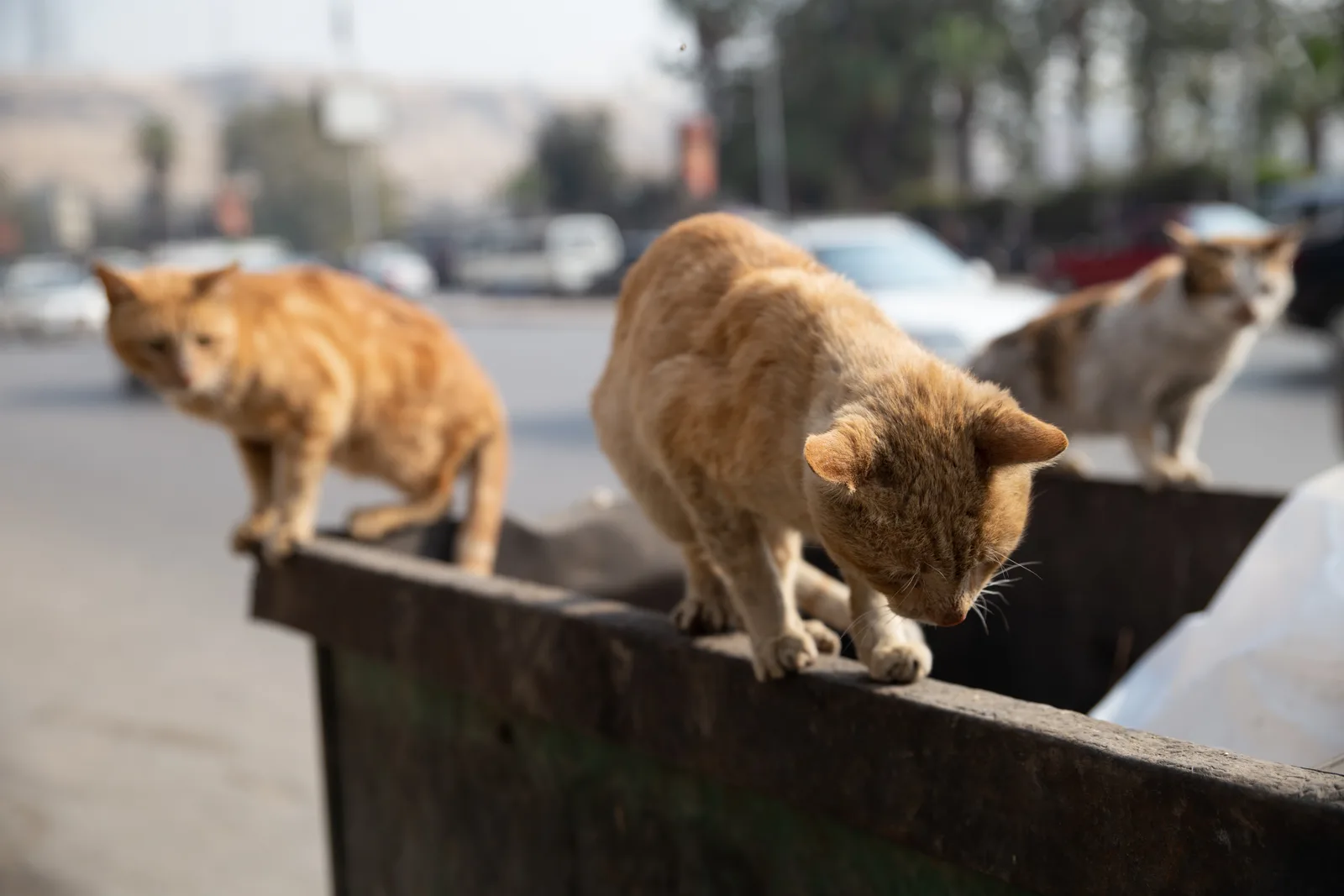
Keda Ghalat (That's Just Wrong): Harming an Animal Has Been a Crime Under Egypt's Penal Code Since 1937
A neighbour sets out poisoned bowls beside the school wall; a cart driver beats his donkey across the face to make it haul a load beyond its strength. Many assume that "just an animal" means no law protects it. In fact, Articles 355, 356 and 357 of the Penal Code punish killing, poisoning and harming animals with penalties that go as far as prison. On the eve of World Animal Day, we explain what the law says and what the right thing to do is.
October 3, 2026 · 6 min read
Four on a Motorcycle and No Helmet: A Bare Head Is the Dearest Thing a Family Can Lose on the Road
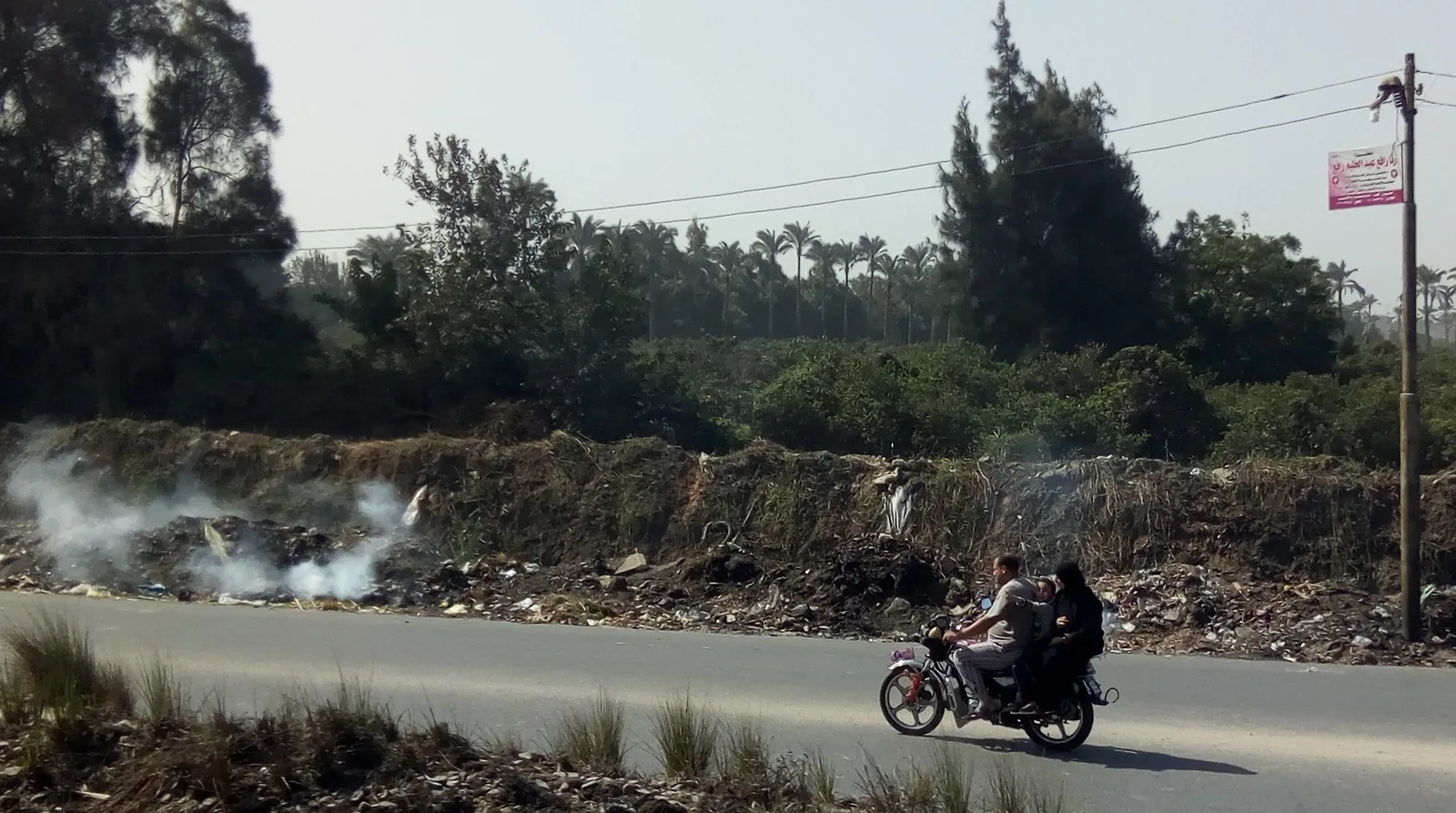
In the second week of school the same scene repeats: a father driving, one child in front, another behind, the mother clutching the bags, and not a single helmet among them. Press reports citing CAPMAS show deaths jumping from 190 to 897 between 2020 and 2024, while a Cochrane review finds a helmet alone cuts the risk of death by 42%. The law has punished the bare head since 1999, fine raised in 2008. So why do we not comply?
September 23, 2026 · 8 min read
"A Hook-Up on the Cable" Is No Clever Trick: Electricity Theft Is a Crime the Whole Neighbourhood Pays For
A bare wire dangling from a lamp post to a balcony, an air conditioner on a meter that never moves, and a fuse blowing for the third time, plunging a bill-paying neighbour into darkness. Article 71 of the Electricity Law calls this unlawful appropriation of current, punished by prison and a fine, while a tougher amendment awaits the House of Representatives. What does a whole street lose from one hook-up? And what is the right alternative?
September 14, 2026 · 7 min read