On Broken Pavements: Pedestrians in Egypt's Cities Seek Their Right to the Road
Crossing a main road in an Egyptian city is a skill millions have mastered out of necessity: a step, a pause, a rapid reading of drivers' intentions, then a calculated dash. This is the story of the pedestrians who make up the majority of road users — and receive the smallest share of the road.
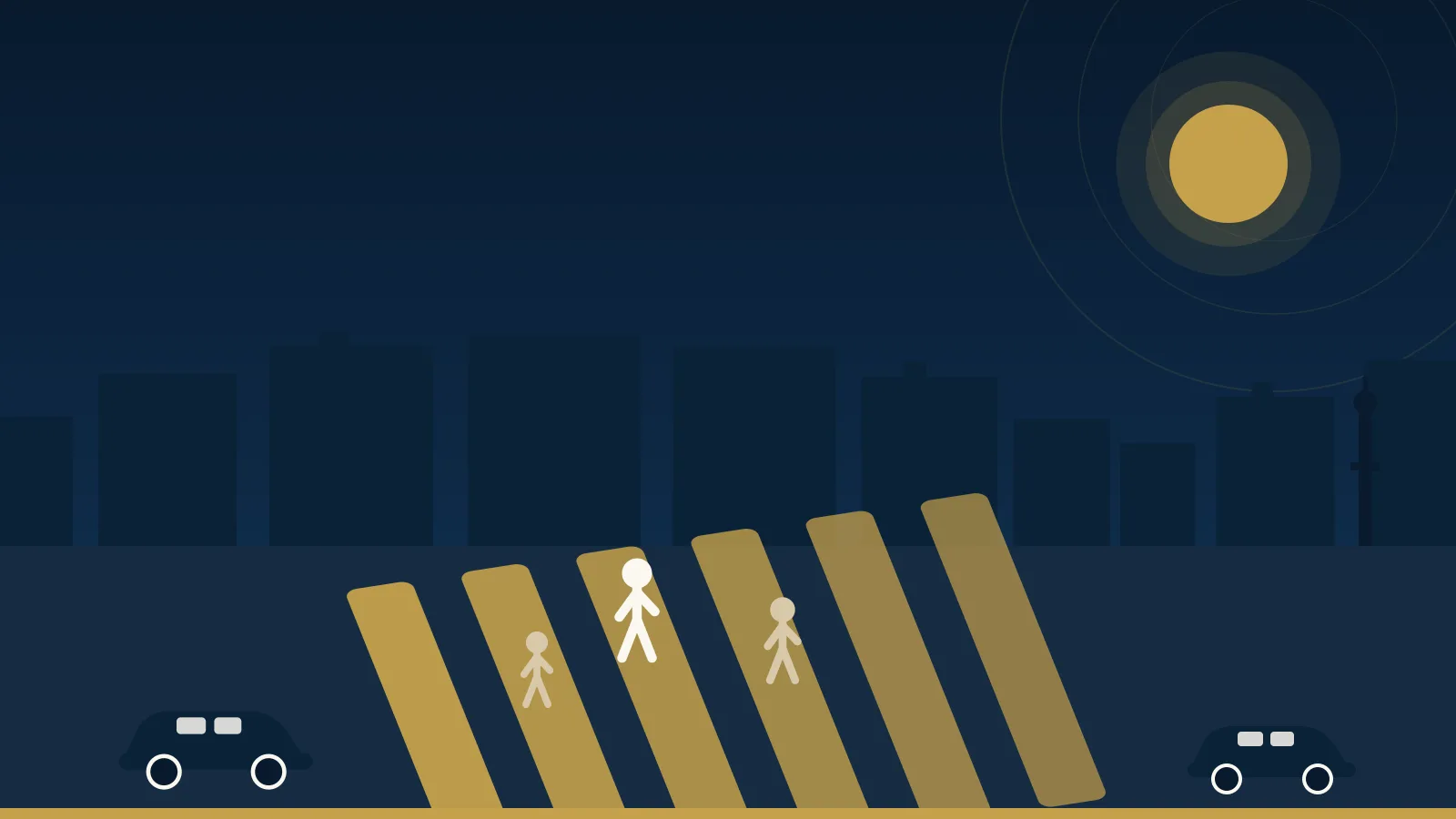
In every Egyptian city a scene repeats itself thousands of times a day: a man, a woman or a schoolchild stands at the edge of a wide multi-lane road, watching the onrushing cars, waiting for a gap in the metal stream, then crossing along a zigzag path plotted with the precision of someone trained by forced practice. Crossing the street in Egypt is not a casual act but a full life skill, learned young and exercised daily at one's own risk, in the near-total absence of safe crossing infrastructure.
The broad numbers of the problem have been known and documented for years: road crashes claim thousands of lives in Egypt annually and injure tens of thousands, and successive World Health Organization reports note that pedestrians account for a large share of road deaths in developing countries generally, where unprotected people share the road with speeding vehicles and nothing in between. Behind every figure in those statistics is a family that lost a breadwinner or a child on the way to work or school.
The story begins with the pavement — the space that is supposed to belong to pedestrians alone. But a short walk through any neighbourhood reveals a different reality: kerbs too high for the elderly to mount, surfaces broken and lying in wait for ankles, whole stretches occupied by parked cars, shop displays, kiosks and street cafes, or pavements that simply end without an alternative. The result everyone knows: the walker steps down into the river of asphalt and shares a lane with cars and motorbikes in the most dangerous arrangement possible.
Crossing is a longer story still. Marked zebra crossings are rare; where they exist, vehicles rarely honour them; pedestrian traffic signals are rarer yet. Footbridges remain the most common official solution, but they are often built far apart and demand climbing dozens of steps — a real barrier for the old, the ill, or a mother carrying a child. Many people choose the risk of crossing at street level over the exhausting detour, and are then blamed for it, with little thought for how reasonable the alternative on offer actually was.
Children pay a painful share of the price. The walk to school — in other countries a cherished healthy habit — becomes, near many schools, a source of daily parental anxiety, as school gates open directly onto fast traffic without adequate speed humps, crossings or crossing guards. Many parents escort their children well into their teens, not for fear of them getting lost but for fear of the street itself — a daily cost in time and effort that families pay for the absence of safe design.
The elderly and people with disabilities are the most excluded of all. An unpaved, obstructed sidewalk is impossible for a wheelchair; a crossing that requires a quick sprint rules out anyone who cannot manage one; and a city in which a person cannot move about independently on foot confiscates part of their daily life and dignity. Modern building codes and regulations now include accessibility requirements, but applying them to the existing street remains the exception, not the rule.
The root of the problem, urban planners broadly agree, is a design philosophy that for decades favoured the car over the human being. A street's success is measured by how smoothly vehicles flow, not how safely people use it; road widenings devour pavements for extra lanes; bridges and tunnels are built to carry cars across, while the walker is left to manage. It is a philosophy many cities around the world have begun radically to reverse, after evidence showed that streets safer for pedestrians are safer for everyone — drivers included.
The solutions are neither secret nor luxurious. Global experience documented by the World Health Organization and road-safety bodies comes down to familiar measures: lower speed limits in residential areas and around schools; well-designed humps and raised crossings; clear marked crossings with signals that give walkers enough time; continuous, level pavements with wheelchair ramps; good lighting; and genuine enforcement of pedestrian priority. Experience proves that reducing speed alone saves lives, because a difference of a few kilometres per hour at impact separates injury from survival.
Egypt is not outside this current. The traffic law already establishes pedestrian rights and drivers' duties toward them, and the newest urban projects — from Nile-front promenades to redesigned squares and the streets of the new cities — show growing awareness of the value of walking in the city. Advocates ask that this care extend beyond showcase projects to the ordinary street in the ordinary neighbourhood, where most Egyptians actually live and walk. A city's quality is measured by its everyday pavements, not its facades.
Walking pays dividends far beyond safety. A walkable city is economically livelier, because passers-by are the customers of its shops; its air is cleaner, because every walking trip is one engine trip fewer; its people are healthier, because walking is the cheapest and most democratic physical activity; and its social fabric is stronger, because a safe street is a meeting place. That is why pedestrian issues are no longer a minor traffic topic in planning literature but a principal gateway to quality of life, public health and the local economy at once.
The heart of the matter is simple: pedestrians are not a marginal group — they are everyone, for every driver becomes a pedestrian the moment the car door closes. The millions who pick their way daily over broken pavements and between speeding cars are not asking for a privilege but for an original right: a city whose streets can be crossed without a gamble. When pavements regain their purpose and crossings their safety, the gain will not belong to walkers alone — it will be the sign of a city grown kinder and wiser toward all its people.
Related Stories
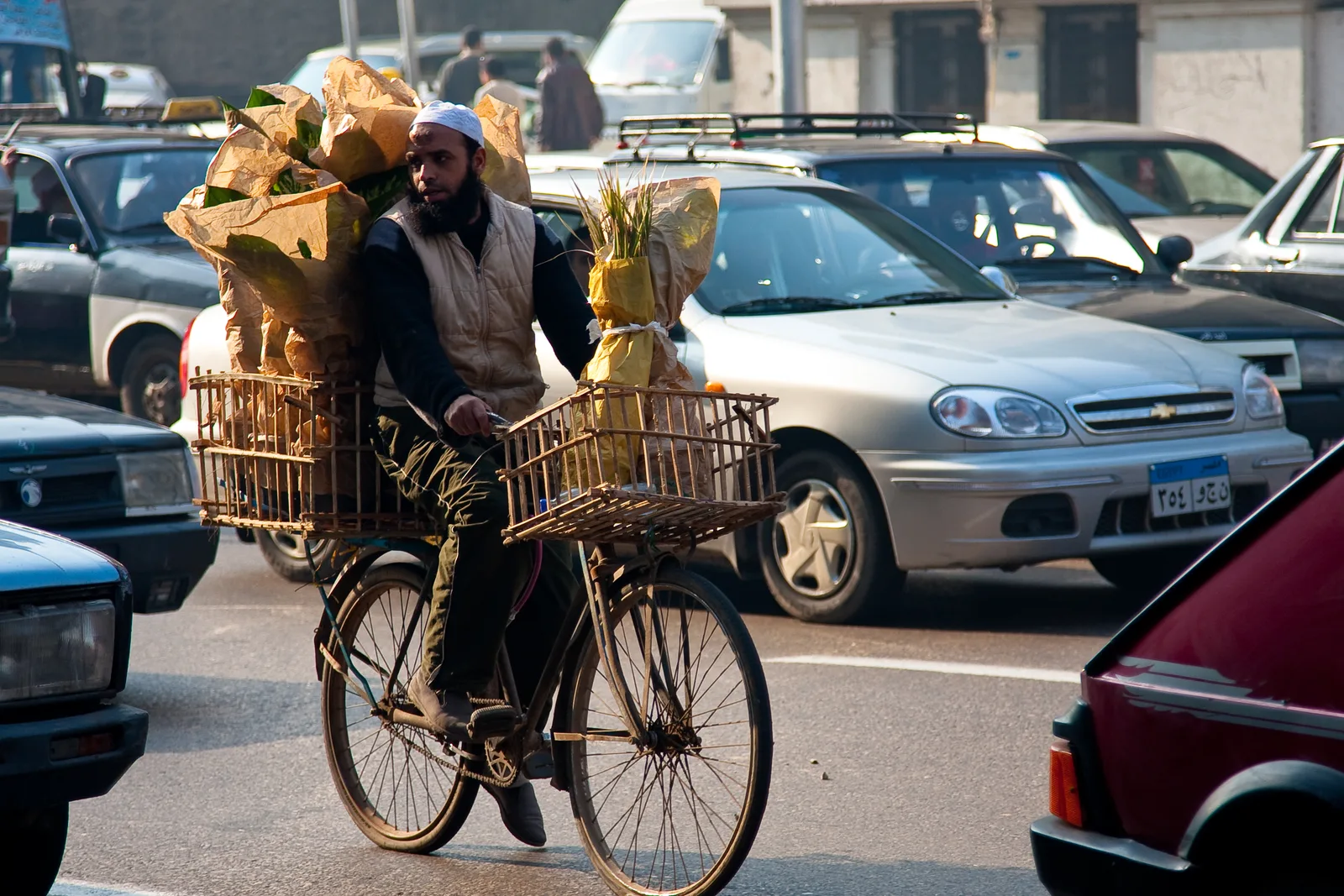
Two Wheels in the Gridlock: Where Does the Bicycle Stand on Egypt's Streets on Car-Free Day?
On 22 September the world marks Car-Free Day, while on our streets the bicycle threads its way between microbuses and along a painted lane with a car parked on it. From Cairo Bike to the "Your Bike, Your Health" scheme to a boy carrying a tray of bread on his head down a side street: a report on what any passer-by can see, and a single question: whom is the bicycle for in Egypt, and why does a safe lane remain a dream?
September 22, 2026 · 8 min read
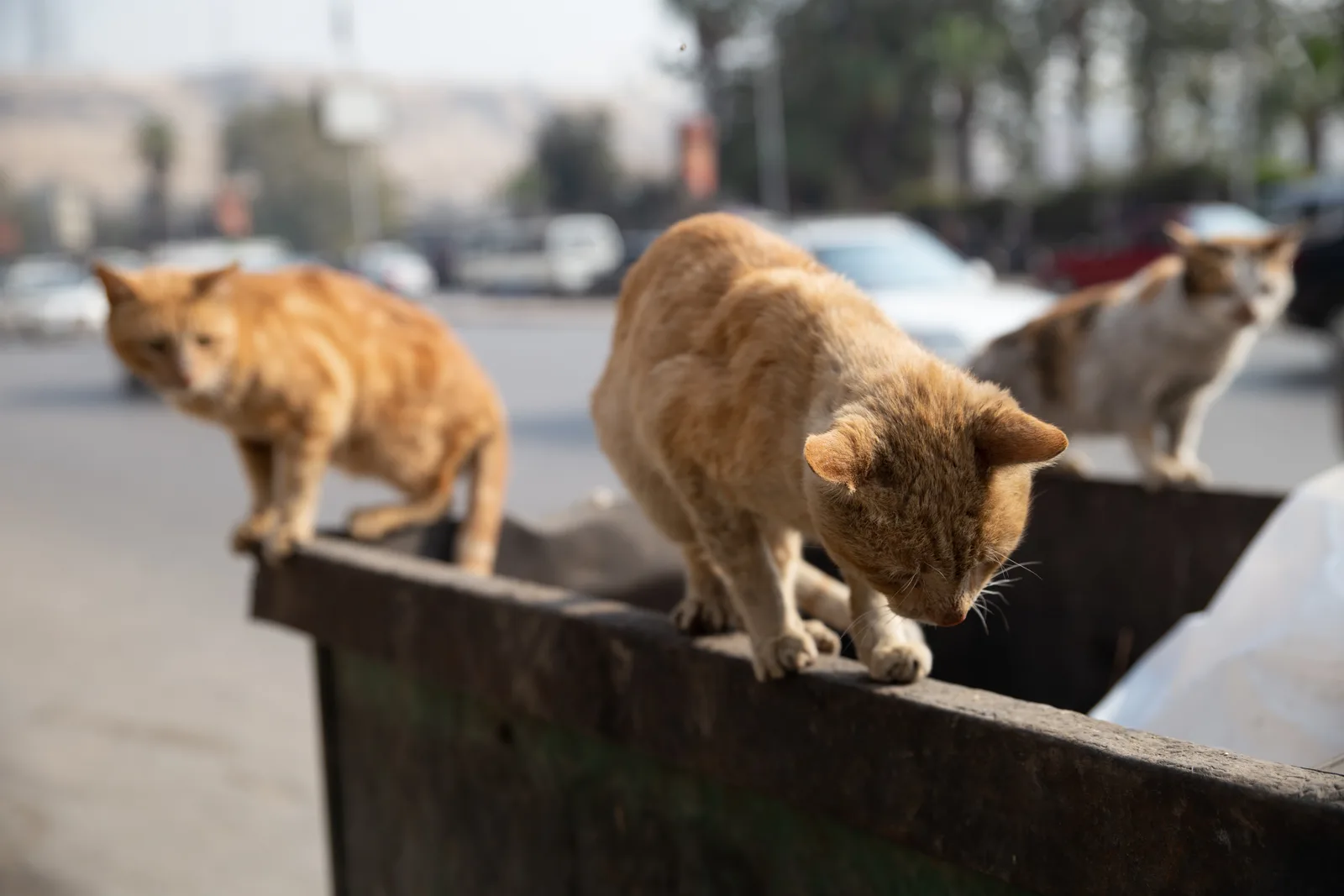
Keda Ghalat (That's Just Wrong): Harming an Animal Has Been a Crime Under Egypt's Penal Code Since 1937
A neighbour sets out poisoned bowls beside the school wall; a cart driver beats his donkey across the face to make it haul a load beyond its strength. Many assume that "just an animal" means no law protects it. In fact, Articles 355, 356 and 357 of the Penal Code punish killing, poisoning and harming animals with penalties that go as far as prison. On the eve of World Animal Day, we explain what the law says and what the right thing to do is.
October 3, 2026 · 6 min read

Pink October: a free check-up at the nearest health unit – why early detection is changing the fate of Egyptian women
“Nothing hurts” is no reason to put it off. Since July 2019, Egypt's health units have opened their doors free of charge to every woman aged 18 and over, and by June 2026 the share of cases caught at a late stage had fallen from 60% to 19.5%. We explain what happens at the unit, which signs call for a visit, and why fear and stigma keep delaying this check-up.
October 2, 2026 · 7 min read