The Sidewalk Belongs to the Citizen: Kiosks That Push Pedestrians into Traffic
A mother pushing a stroller between moving cars; an old man feeling his way past microbuses — because the sidewalk built for them has been swallowed by a kiosk, drink fridges and displayed goods. A kiosk on the sidewalk — even a licensed one — confiscates a passage built for people and shoves them into the roadway. That's just wrong: a sidewalk is not real estate for rent; it is every citizen's corridor of safety.
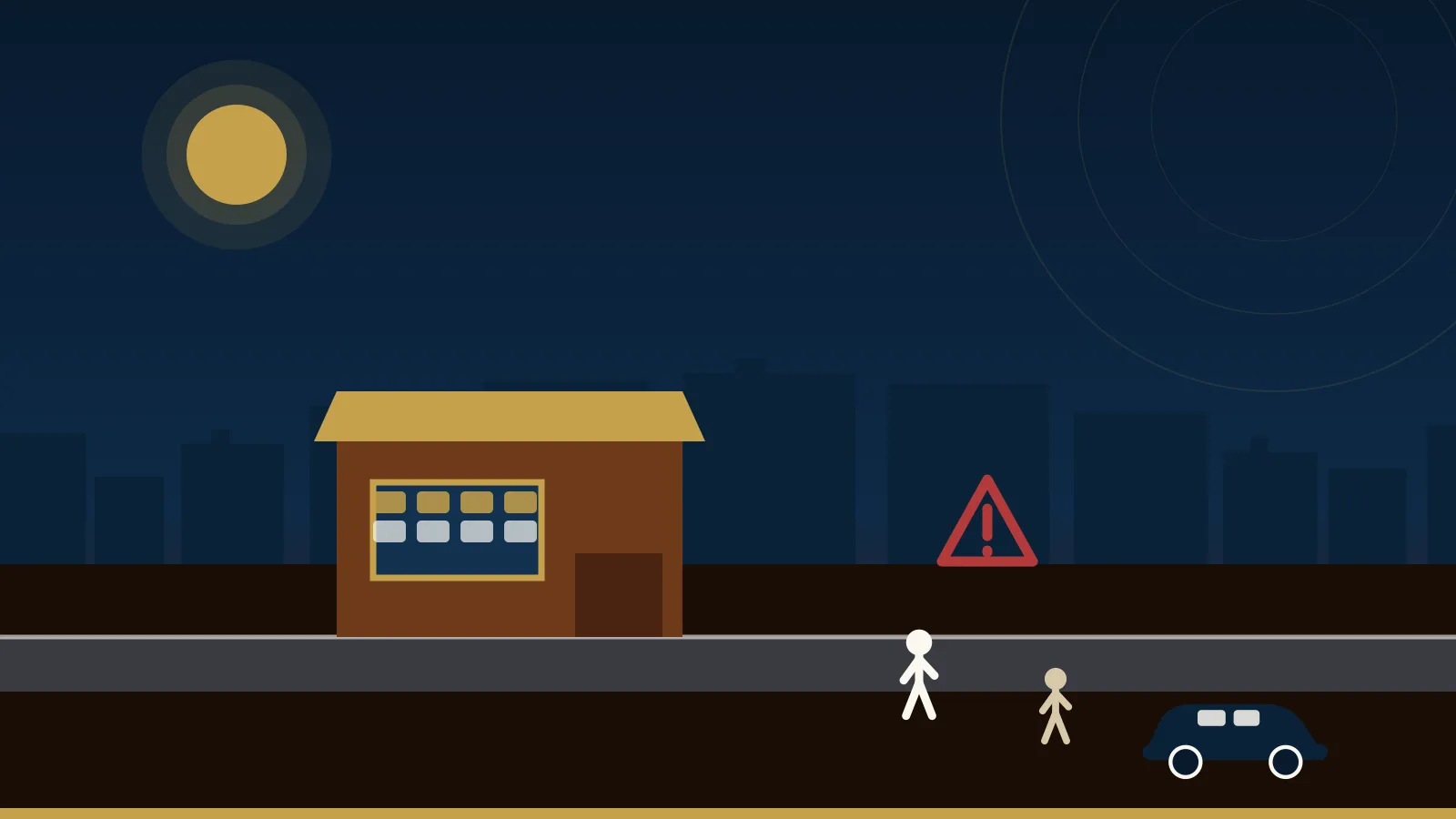
Try walking a main street in any Egyptian city from end to end on the sidewalk, without once stepping down into the roadway. In many districts you will fail before the first hundred metres: a cigarette-and-soda kiosk that expanded into a full shop, fridges and crates of merchandise, awnings and chairs — until nothing is left for passersby but a narrow ribbon, or nothing at all. The result is a daily scene we have grown so used to that we forgot how grave it is: human beings walking among cars because their designated path is occupied.
Let us call it what it is: this is not a cosmetic detail or merely a question of a "civilised appearance" — it is a matter of safety and of life. When pedestrians step into the roadway they are placed in direct confrontation with cars and motorcycles, and the weakest are the most exposed: the child on the way to school, the mother with her infant's stroller, the slow-stepping elderly man, and people with disabilities for whom a city without passable sidewalks is simply impossible to move through. Every kiosk that blocks a sidewalk pushes these people, physically, toward danger.
Before the law, this is a plain moral offence. The sidewalk is pure public property, built with everyone's money so that everyone may walk in safety. Whoever occupies it for his private business is telling every passerby, in effect: my interest outranks your safety — you step into the street and you carry the risk. That is the daily provocation this section exists to name: the small, repeated wound to a citizen's dignity as he picks his way between cars in his own country.
And here we reach the point that must be said with courage: a licence does not make wrong right. A kiosk licensed by the district that then expanded and swallowed the sidewalk is no less harmful than an unauthorised one — it may be worse, because it occupies the public passage with an official stamp. A licence permits an activity within drawn limits; it can never be a title deed to the pedestrians' path. And when an administrative body grants a licence that makes walking on the sidewalk impossible, that body is a partner in the wrong.
Egyptian law settled the principle decades ago: the Public Roads Occupation Law No. 140 of 1956 regulates any occupation of the public way and makes it a licensed exception under conditions — never an absolute rule — because the default is that the road and sidewalk are the shared right of those who pass. The legal foundation exists and the principle is settled. What is missing — as usual in this section's files — is consistent enforcement that makes no distinction between a small kiosk, a large café, and a famous store spreading its goods metres beyond its frontage.
Here too, let us be fair to kiosk owners: many are family breadwinners, the kiosk their only livelihood, and it would ill suit a moral campaign to become a war on poor people's income. But fairness does not mean accepting harm. An honest living cannot be built on endangering the lives of passersby — and the answer is not abolishing kiosks but disciplining them: a defined footprint that is respected, a pedestrian path that is untouchable, and organised alternatives where the sidewalk is too narrow.
Picture with us the reversed image — no fantasy, for it exists in many cities around the world and on Egyptian streets that have already been replanned: a continuous, passable sidewalk; the kiosk within its drawn boundary and not a centimetre beyond; a mother pushing her stroller from one end of the street to the other without once descending into the roadway. The difference between the two pictures is not an imaginary budget; it is the will to enforce, and mutual respect for drawn lines.
What we ask of the kiosk owner: keep to the limits of your licence to the centimetre — the extra fridge and the protruding crate of goods are not cleverness but a trespass on people's passage. And ask yourself the question we put to every protagonist of this section: would you accept your mother or your daughter walking among the cars because her sidewalk is occupied?
What we ask of the state and local authorities: review occupation licences against one explicit criterion — that a continuous, adequate pedestrian path remains; clear what blocks the sidewalks without favouritism toward the big or cruelty that sweeps away the small man's livelihood with no alternative; provide organised alternative locations where needed; and embed pedestrians' rights in every new plan and paving project — for a sidewalk that is built and then abandoned to occupation is wasted twice: once in money and once in purpose.
The sidewalk is a small test of a large idea: does the street belong to everyone, or to whoever seizes it first? Every metre of sidewalk recovered for pedestrians is a message that the weak man's right is protected, even if it is merely the right to pass. And every kiosk that swallows the path and shoves people into the roadway is the opposite message — one we reject. That's just wrong: the sidewalk is the citizen's right, before any private interest.
Related Stories
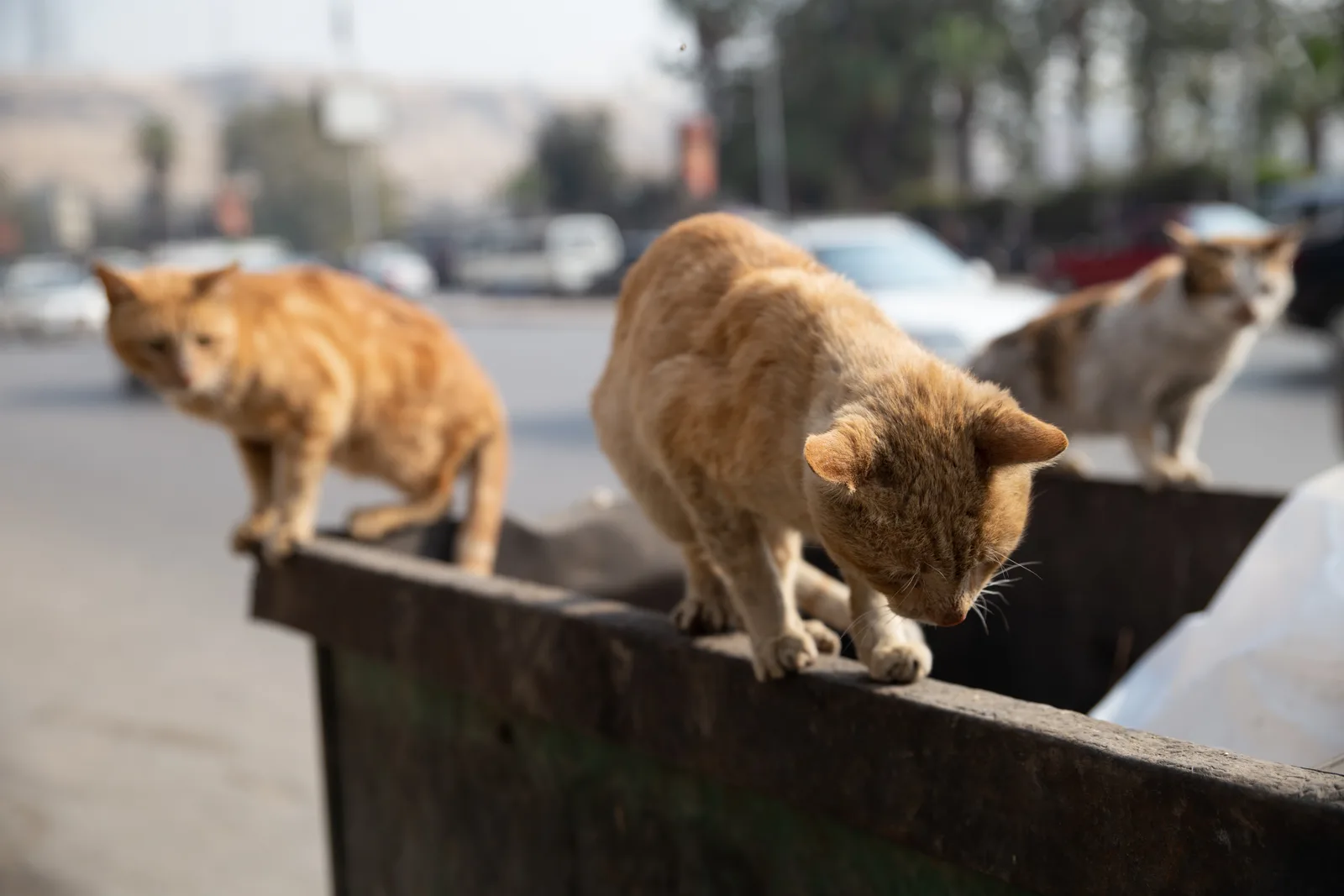
Keda Ghalat (That's Just Wrong): Harming an Animal Has Been a Crime Under Egypt's Penal Code Since 1937
A neighbour sets out poisoned bowls beside the school wall; a cart driver beats his donkey across the face to make it haul a load beyond its strength. Many assume that "just an animal" means no law protects it. In fact, Articles 355, 356 and 357 of the Penal Code punish killing, poisoning and harming animals with penalties that go as far as prison. On the eve of World Animal Day, we explain what the law says and what the right thing to do is.
October 3, 2026 · 6 min read
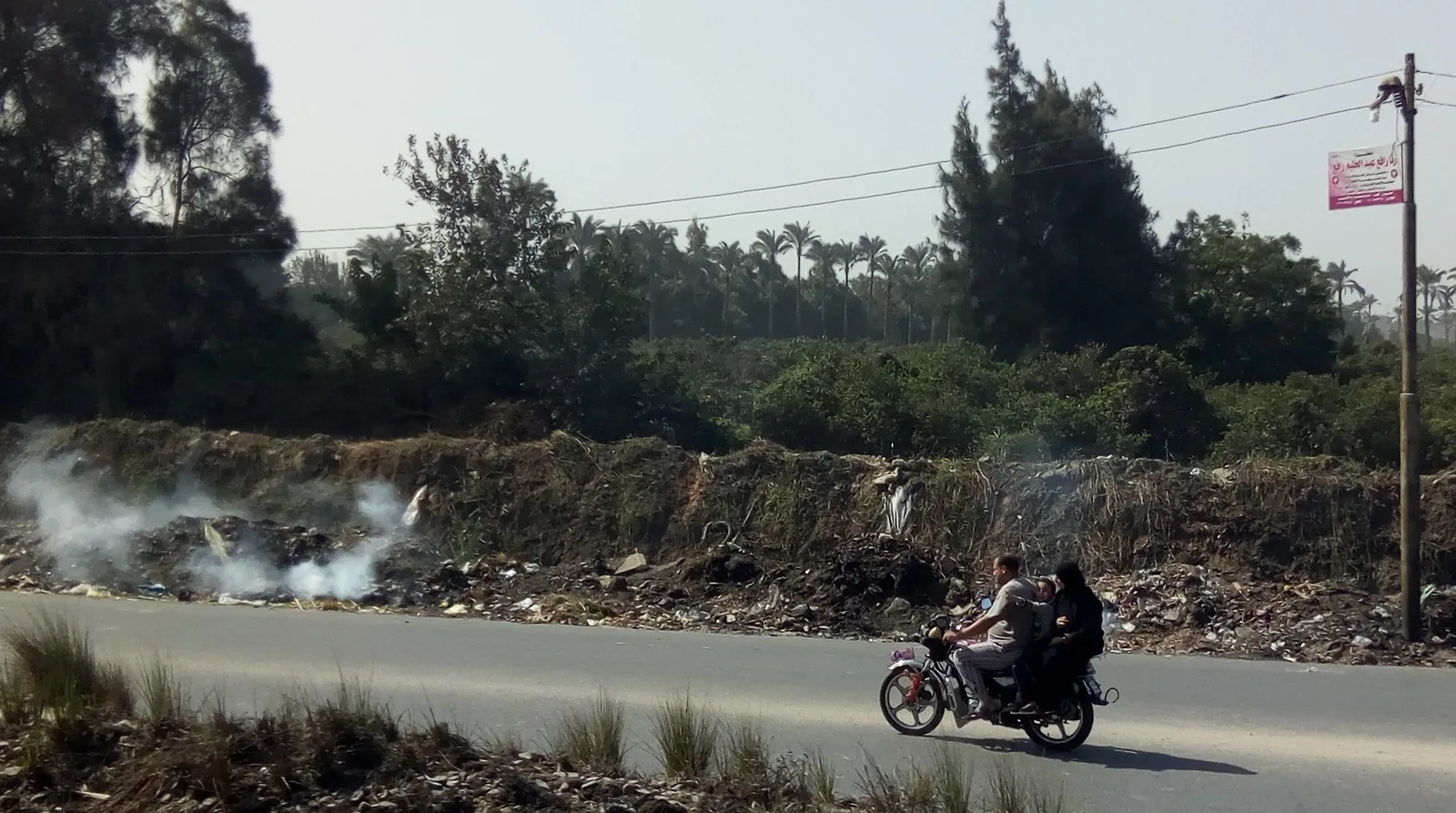
Four on a Motorcycle and No Helmet: A Bare Head Is the Dearest Thing a Family Can Lose on the Road
In the second week of school the same scene repeats: a father driving, one child in front, another behind, the mother clutching the bags, and not a single helmet among them. Press reports citing CAPMAS show deaths jumping from 190 to 897 between 2020 and 2024, while a Cochrane review finds a helmet alone cuts the risk of death by 42%. The law has punished the bare head since 1999, fine raised in 2008. So why do we not comply?
September 23, 2026 · 8 min read
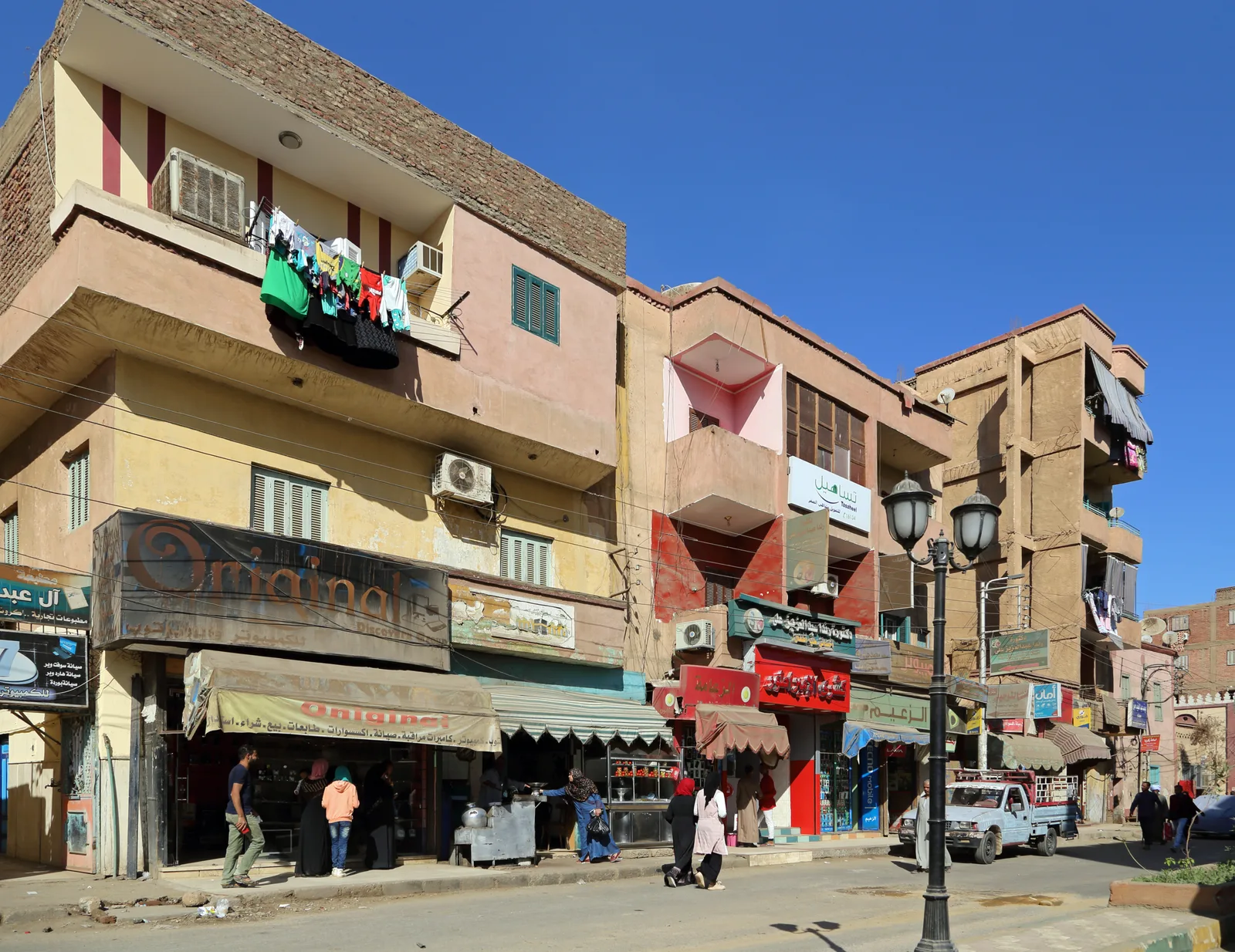
"A Hook-Up on the Cable" Is No Clever Trick: Electricity Theft Is a Crime the Whole Neighbourhood Pays For
A bare wire dangling from a lamp post to a balcony, an air conditioner on a meter that never moves, and a fuse blowing for the third time, plunging a bill-paying neighbour into darkness. Article 71 of the Electricity Law calls this unlawful appropriation of current, punished by prison and a fine, while a tougher amendment awaits the House of Representatives. What does a whole street lose from one hook-up? And what is the right alternative?
September 14, 2026 · 7 min read