"I'm Free": The Freedom That Ends at Your Neighbour's Lungs
In the lift, the office, the enclosed cafe, the microbus: he lights his cigarette in the middle of everyone, and if anyone objects, the ready answer comes — "I'm free." But passive smoking is not an opinion to be respected; it is documented harm, inhaled by a child, an allergy sufferer, a pregnant woman who never chose it. And Egyptian law has banned it for years. This is wrong.
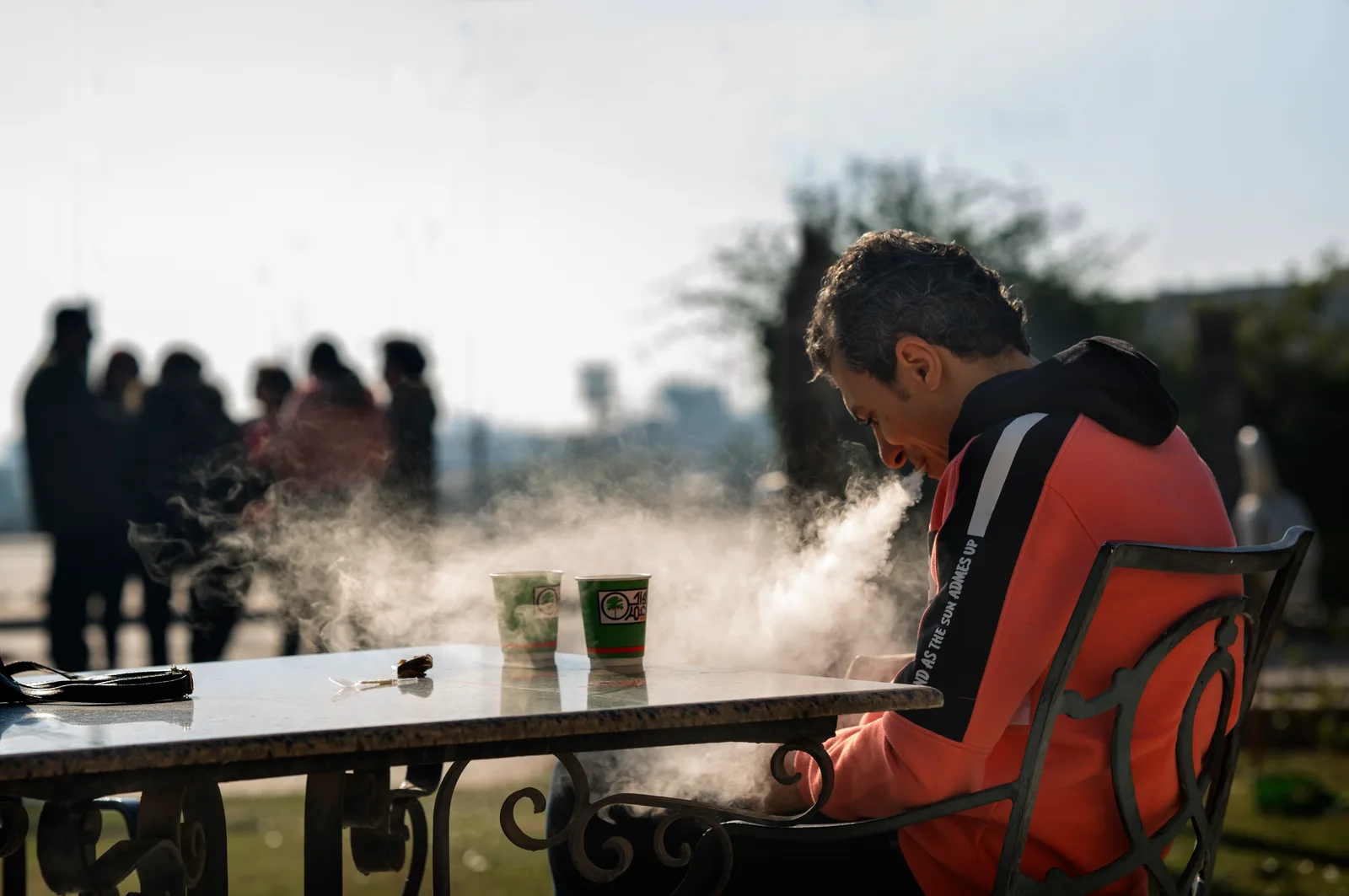
The scene repeats itself in almost every enclosed space: a cramped lift, a government office, a cafe with its windows shut, a packed microbus, a clinic waiting room. Someone takes out a cigarette and lights it in the middle of everyone, as casually as if he were alone in an open desert. And if anyone dares to object, the memorised answer arrives: "I'm free."
Let us take that phrase seriously for a moment, because it contains a fallacy worth dismantling. Yes, you are free to smoke; no one here has demanded you quit. But the smoke that leaves your cigarette does not stay within the borders of your body — it enters the lungs of everyone in the room without asking permission. And your freedom, by definition, ends where another person's body begins. Whoever smokes in an enclosed space is not exercising his freedom; he is confiscating other people's freedom to breathe clean air.
The harm here is not a matter of taste or of disliking a smell. Second-hand smoke is a health hazard documented beyond dispute; the World Health Organization has affirmed for years that there is no safe level of exposure to tobacco smoke, and that it is linked to heart disease, respiratory illness and cancers in non-smokers themselves. The smoke with which you exercised your "freedom" in the cafe goes on working in other people's chests after you have left.
And think of those who do not even have the luxury of objecting. The allergy or asthma sufferer for whom one sitting in a smoke-filled room can turn the day into a respiratory crisis. The child who came with his father and does not yet know he has a right to clean air. The pregnant woman carrying a second, tiny pair of lungs that breathe whatever she breathes. The cafe worker himself, who spends a full shift inside that cloud every day because his livelihood is there, and who dares not ask a customer to put out a cigarette.
And here we reach the fact that makes "I'm free" more fragile still: Egyptian law settled this question years ago. Law 52 of 1981 on the prevention of the harms of smoking, as amended by Law 154 of 2007, prohibits smoking in enclosed public places and imposes a fine on violators. In other words, whoever lights up in an enclosed space is not exercising a freedom; he is committing an explicit legal offence — on top of committing a moral one.
But on this desk we deliberately put ethics before law, because the real problem is not a missing text but a missing conscience. What the smoker needs is not a citation so much as a moment of honesty with himself: when you blow your smoke into the face of someone who does not smoke, you are not exercising a right; you are imposing on another human being's body something he has refused. That is insult, provocation and harm in the literal sense of all three words.
And let us be fair to many smokers, too: there are those who ask permission before lighting up, who step out to the balcony or the street without being asked, who stub out the cigarette the moment they see a child or learn there is a sick person present. They prove every day that smoking is one thing and inconsiderateness quite another — and that this battle is not against the smoker but against the contempt.
What do we ask of the citizen? Of the smoker: respect the simple rule — a shared enclosed space is not a place for smoking, however strong the craving, and without anyone having to ask. Of the non-smoker: object politely but firmly instead of the courteous silence your health pays for. A calm sentence such as "Excuse me — the room is closed and some of us are affected" is not rudeness; it is the exercise of a right.
What do we ask of cafe, shop and office owners? To understand that the law holds them responsible for their premises. The no-smoking sign is not decoration; it is an obligation to be enforced on all customers without favouritism. The cafe that enforces it does not lose its customers, as some imagine — it gains an entire clientele that used to avoid it.
And what do we ask of the state? To move a decades-old law from paper into reality: activate the fines in public and private establishments, hold the negligent establishment accountable and not only the individual smoker, and run announced inspection campaigns that restore to the "No Smoking" sign its lost authority.
"I'm free" is a beautiful phrase in its proper place. But spoken while your cigarette smoke fills the chest of a child or a sick person in a closed room, it flips into its exact opposite: a declaration that your comfort stands above everyone's health. To whoever says it in that place, we answer calmly and clearly: no — this is wrong.
Related Stories
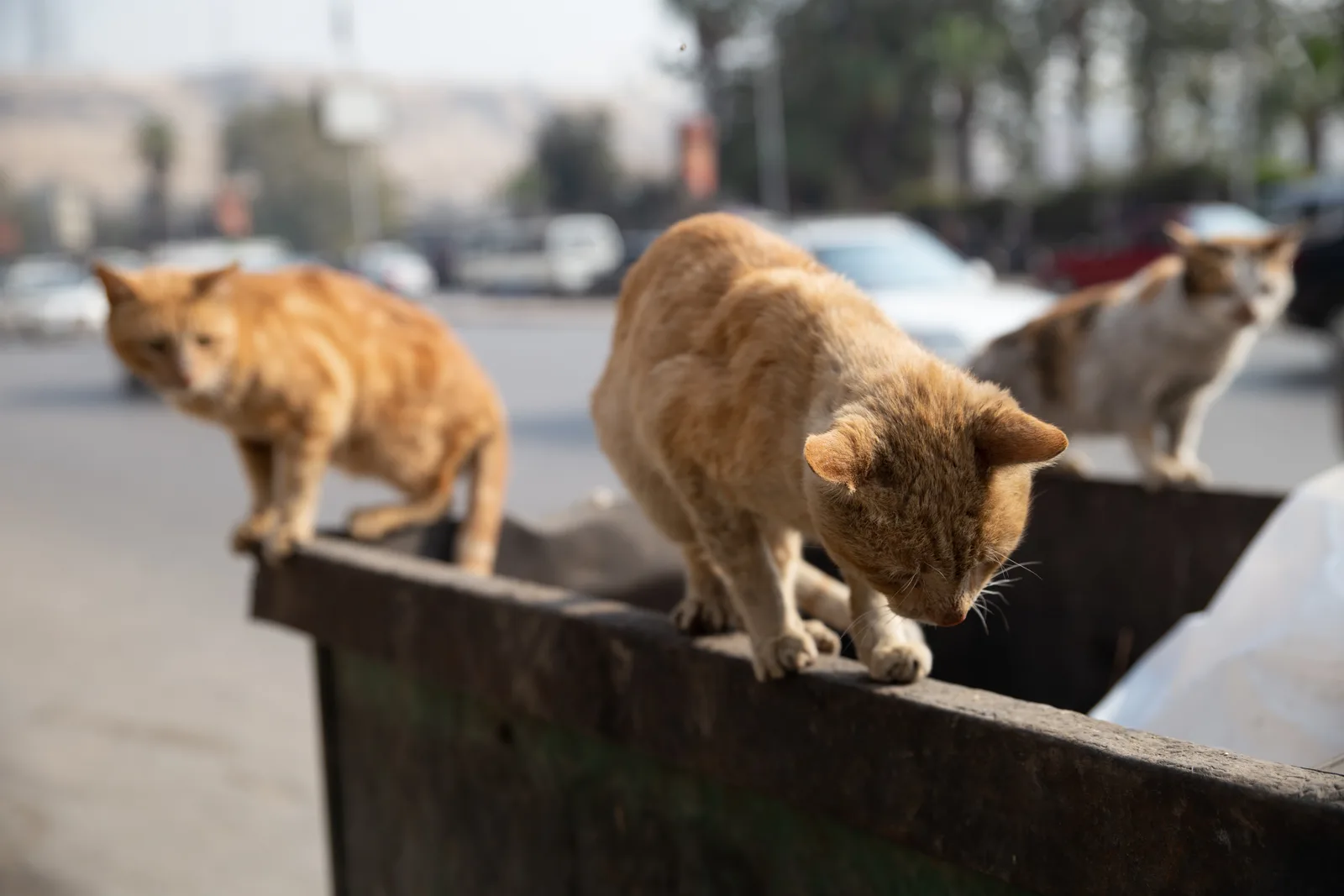
Keda Ghalat (That's Just Wrong): Harming an Animal Has Been a Crime Under Egypt's Penal Code Since 1937
A neighbour sets out poisoned bowls beside the school wall; a cart driver beats his donkey across the face to make it haul a load beyond its strength. Many assume that "just an animal" means no law protects it. In fact, Articles 355, 356 and 357 of the Penal Code punish killing, poisoning and harming animals with penalties that go as far as prison. On the eve of World Animal Day, we explain what the law says and what the right thing to do is.
October 3, 2026 · 6 min read
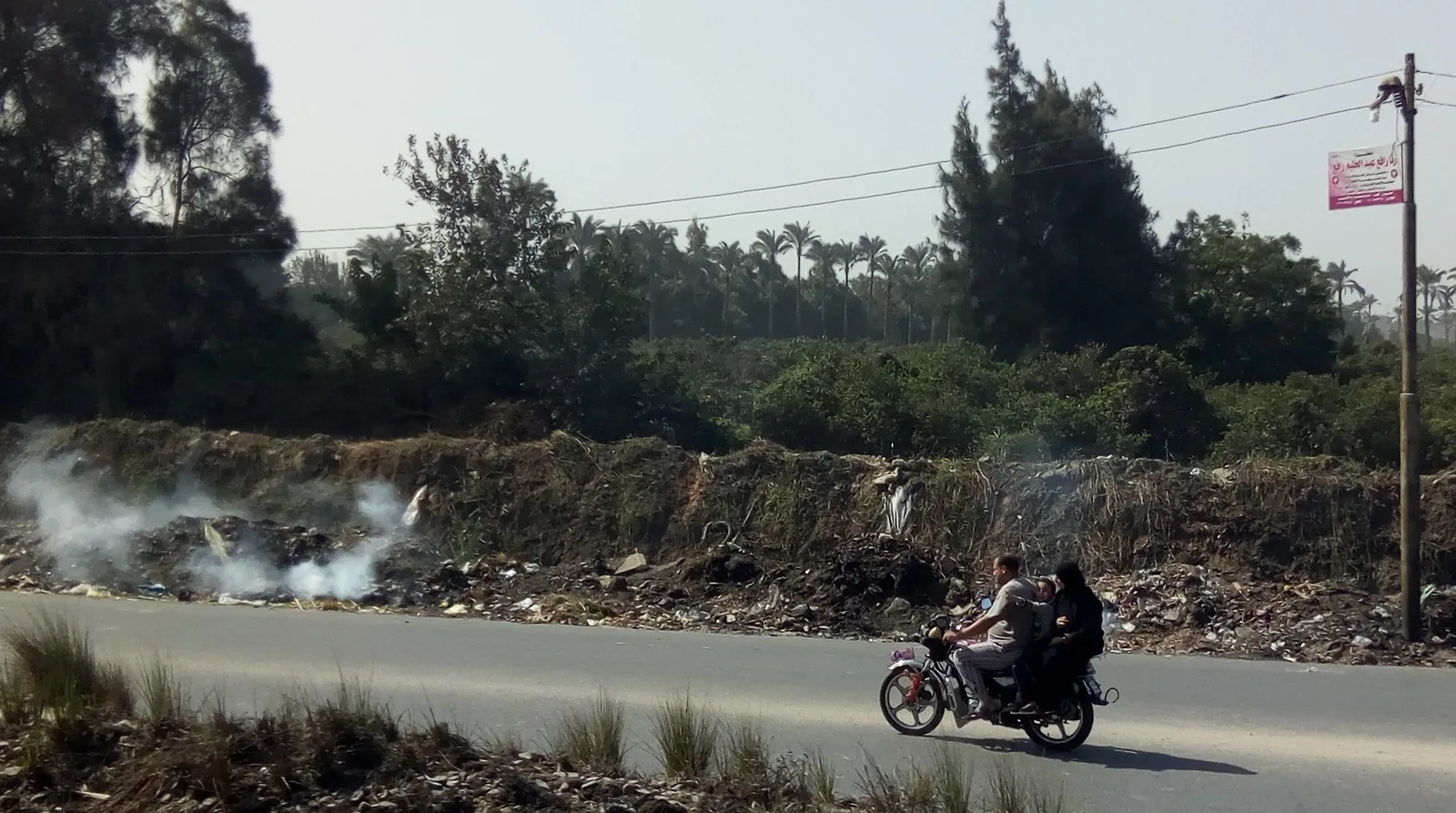
Four on a Motorcycle and No Helmet: A Bare Head Is the Dearest Thing a Family Can Lose on the Road
In the second week of school the same scene repeats: a father driving, one child in front, another behind, the mother clutching the bags, and not a single helmet among them. Press reports citing CAPMAS show deaths jumping from 190 to 897 between 2020 and 2024, while a Cochrane review finds a helmet alone cuts the risk of death by 42%. The law has punished the bare head since 1999, fine raised in 2008. So why do we not comply?
September 23, 2026 · 8 min read
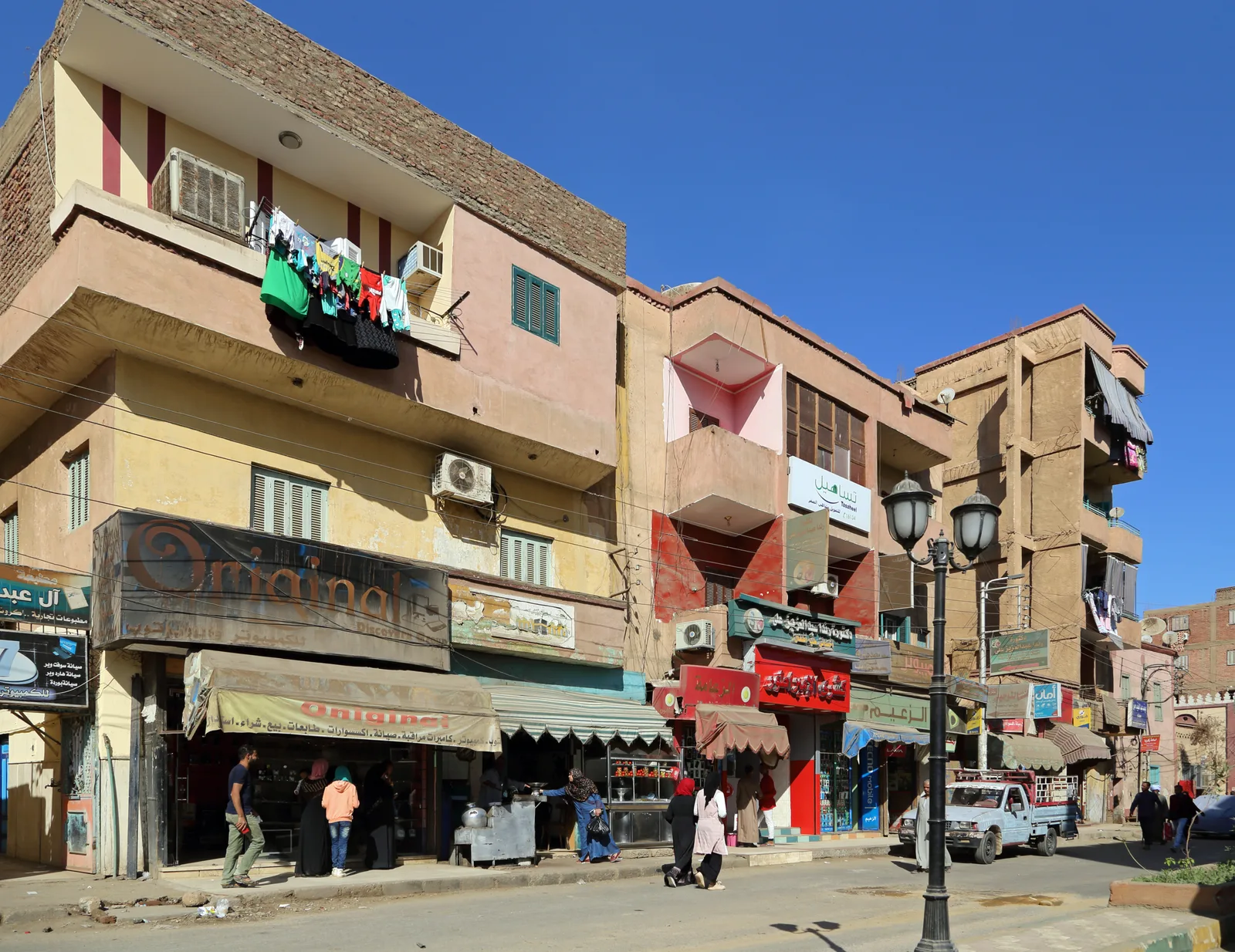
"A Hook-Up on the Cable" Is No Clever Trick: Electricity Theft Is a Crime the Whole Neighbourhood Pays For
A bare wire dangling from a lamp post to a balcony, an air conditioner on a meter that never moves, and a fuse blowing for the third time, plunging a bill-paying neighbour into darkness. Article 71 of the Electricity Law calls this unlawful appropriation of current, punished by prison and a fine, while a tougher amendment awaits the House of Representatives. What does a whole street lose from one hook-up? And what is the right alternative?
September 14, 2026 · 7 min read