"Fizzy Drinks Dissolve Your Bones": The Truth Behind Egypt's Most Famous Household Warning
A tooth left in a glass of cola corrodes within days — but does your skeleton melt with every sip? We follow the trail from the kitchen-shelf experiment to the Framingham study and find a truth calmer than the panic and more serious than the shrug: the danger lies in sugar and excess, not in "melting bones".
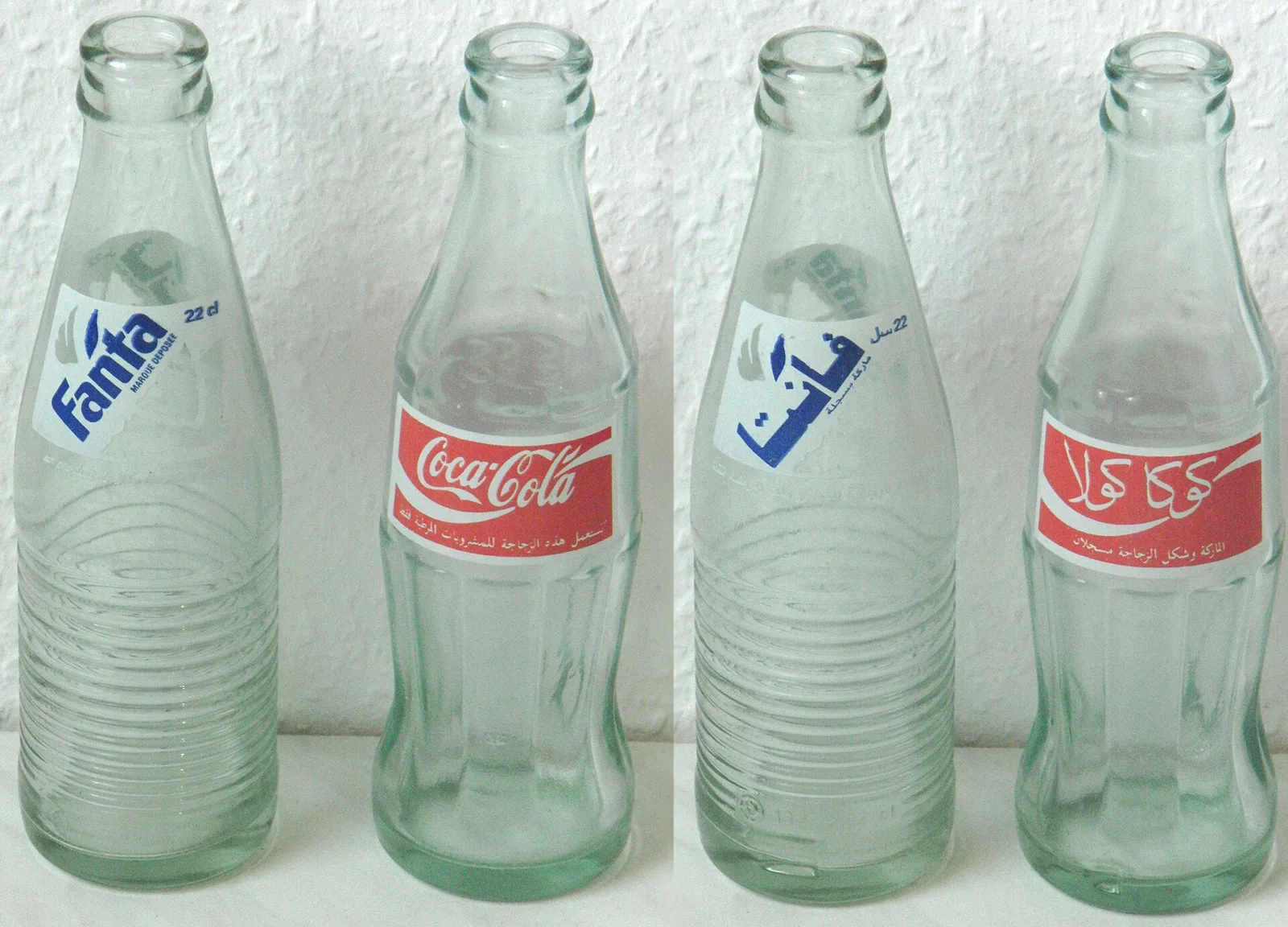
At an Egyptian lunch table, before your hand reaches the cold bottle with its glinting fizz, the family alarm goes off: "Leave that alone — it melts your bones!" Your grandmother said it, and her grandmother before her, until it became as fixed a feature of the Egyptian home as the smell of fresh bread. But have you ever asked where the phrase came from, and whether our bones really dissolve inside us with every sip? In this investigation we follow the trail from a glass on a kitchen shelf to one of the most famous bone studies in the world, to see where the fear ends and the science begins.
The story comes with a "proof" handed down like a family recipe: take an extracted tooth or a small piece of bone, submerge it in a glass of cola, and wait a few days. The surface will have changed colour, softened and begun to erode — at which point the experimenter cries out in triumph: "See? That's what's happening inside you!" The experiment itself is real; it is demonstrated in science classes and has circulated on social media for years, and the sight of it is convincing enough to end the argument on the spot. The problem, however, is not the glass. It is the enormous leap from the glass to the human body.
Let us pick up the thread from the start: your bones do not swim in cola. The drink you swallow never touches your spine or your pelvis; it descends into a stomach that secretes hydrochloric acid, an environment as acidic as the bottle itself and, in most cases, a good deal more so. In other words, your body deals every day, from within, with an acidity at least as strong as that of any fizzy drink, and then goes about its business with its bones intact. If mere contact with an acidic liquid were enough to dissolve bone, your stomach would have done something far worse long before cola ever reached the market.
And the body is not a still glass jar; it is a factory running day and night. The calcium level in your blood is held within a strict, narrow range by the kidneys, by specialised hormones and by vitamin D: when it falls, it is topped up; when it rises, the surplus is cleared. Bone itself is not a rigid stick of chalk but living tissue, broken down and rebuilt continuously throughout life. That is why what happens to a dead tooth soaked for days in a stagnant glass tells us nothing about what happens to living bone, fed by blood and guarded by an entire regulatory system.
So where did the accusation first catch fire? From a real ingredient called phosphoric acid, the one that gives cola its distinctive sharp bite. Some assumed that excess phosphorus upsets the body's calcium balance and prompts it to "pull" the mineral out of the bones. The hypothesis is scientifically legitimate and it was duly tested — but what the research produced was far quieter than the language of panic: a limited, modest effect if any, nothing like the image of a skeleton dissolving like a sugar cube in a cup of tea.
Which brings us to the most famous witness in the case: a study published in 2006 as part of America's Framingham project, one of the longest-running public health follow-up projects in history. Researchers measured bone density in a large sample of men and women and compared it with their drinking habits, and found an association between regular cola consumption specifically and lower hip bone density in women, while other carbonated drinks showed no such association and nothing comparable appeared in men. But note the key word: association — not dissolution, not proven causation. The study did not say that cola "ate" bone; it said that women who drank a great deal of it had, on average, less dense bones — and on the scales of science that is a fundamental difference.
What, then, is the most likely explanation for the association? At the top of the list is "displacement": the glass of cola does not attack bone, but it does take the seat of the glass of milk at the table. Whoever drinks a fizzy drink with every meal drinks less milk, takes in less calcium, and builds bone on a poorer budget. The effect is sharper in childhood and adolescence, the years in which most of a person's lifetime bone capital is laid down. Alongside displacement, researchers propose a possible and limited role for phosphoric acid or caffeine, without science having settled the precise weight of each factor; all that is certain is that none of them works by the "dissolving" logic of the folk tale.
One exception deserves fairness: the teeth. Unlike bone, they meet the drink directly, and the erosion of enamel by acids and sugars is a firmly established, undisputed fact of dentistry. Even here, though, the scene in the glass is not reproduced exactly, because saliva constantly rinses the mouth and neutralises acidity. The real danger is created by the manner of drinking: sips spread across the whole day keep your teeth bathing in acid and sugar, whereas a glass drunk with a meal and then done with leaves a far lighter mark.
And if you are looking for the real enemy inside the bottle, you will not find it in the acidity but in the sugar. Sweetened fizzy drinks are among the largest sources of free sugars in the modern diet, and the World Health Organization has for years recommended cutting them back sharply because of their links to weight gain and tooth decay. These are liquid calories that enter the body with almost no sense of fullness, accumulating quietly in a way the mirror reveals only late. Popular alarm aimed its rifle at "melting bones" and missed the target, while sugar crossed the border every day without inspection.
So what is the verdict on the phrase "fizzy drinks dissolve your bones"? It is misleading: it carries a legitimate seed of concern but explains it through an entirely wrong mechanism. Nothing dissolves and no bone "melts" — yet heavy cola consumption is indeed associated, in observational studies, with less dense bones, by indirect routes, chief among them the displacement of milk and other daily dietary sources of calcium. It is neither as innocent as water nor the solvent of skeletons that the inherited warnings imagine, and the truth, as usual, stands in the grey zone that makes no viral posts.
The practical conclusion is simpler than you might expect, and it calls for a sense of balance rather than a laboratory. Make the fizzy drink an occasional guest at your table rather than a permanent resident, and do not let it push water and milk out of your day or your children's days, for childhood and adolescence are the great workshop of bone building. Keep up your sources of calcium, your movement and sensible exposure to sunlight — the pillars of bone health on which doctors agree. And anyone with a genuine worry about their bones, or a family history of osteoporosis, should take it to a doctor's clinic, not to posts doing the rounds.
One last piece of fairness is owed to the grandmothers: their compass was right even if their map was wrong. Their instinct that "too much of this shiny drink is no good for you" has been confirmed by the decades of research that followed, even if the explanation arrived in the shape of melting bone. And the wider lesson goes well beyond cola: whenever a viral kitchen experiment "proves" something about the human body, ask one question before you share it — is the glass jar really like my body? What holds for a dead tooth in a stagnant liquid does not necessarily hold for living tissue guarded by a stomach, kidneys and hormones.
Now go back to that same lunch table, the cold bottle in front of you. You can pour your occasional glass without nightmares about a dissolving skeleton — on condition that it stays occasional, and that water, milk and a plate holding something good for your bones sit alongside it in your day. Keep the spirit of your grandmother's warning rather than its letter: a little is an ornament on the table, and a lot is a deduction from your health, paid in instalments. That way you win twice: a glass you can enjoy without guilt, and bones that know "melting" only as a story told — and corrected — at that very same table.
Related Stories

‘The Tower on Our Building Causes Cancer’ — What the Measurements and the WHO Actually Say
A signature sheet at the building entrance, and WhatsApp messages warning the rooftop antenna “will give our children cancer.” We checked the claim: WHO says exposure near base stations is 0.002%–2% of international guidelines, and a 2024 review it commissioned found no likely rise in childhood leukaemia near fixed transmitters. Verdict: no scientific basis — with an honest account of the 2B classification and the legitimate route for residents.
October 8, 2026 · 8 min read

“The Americans never landed on the Moon”: an annual claim, answered by flags and footprints seen from orbit
As World Space Week opens, the short clips swearing that the Apollo landing was filmed in a studio are back. We examine the claim not through the astronauts’ testimony but through what any scientist in the world can check today: photographs from orbit, lunar rocks in laboratories, and the reflectors used every night to measure the distance to the Moon.
October 4, 2026 · 7 min read

"Cough Hard to Survive a Heart Attack Alone": A WhatsApp Message Egyptian Homes Pass Around, and Medicine Says Otherwise
A chain message reaches nearly every phone in Egypt: if you have a heart attack alone, cough hard and in rhythm until your heart steadies. The American Heart Association flatly rejects "cough CPR," the message confuses a heart attack with cardiac arrest, and every minute spent coughing instead of calling the free 123 ambulance line is taken from the patient's life. This is what medicine says.
September 28, 2026 · 7 min read