"This Is My Turf": The Strong-Arm Sayes, When Extortion Wears the Uniform of a Service
He stands in a street he owns no stone of, hands out parking spots as if they were his estate, sets the price by mood — and whoever objects risks a sharp key along the car door or a humiliating word in front of his family. The unlicensed sayes who imposes himself through intimidation is not a service provider; he is a collector of tribute. That's just wrong: the street is public property, and the law has regulated the trade — leaving no excuse for thuggery in its clothing.
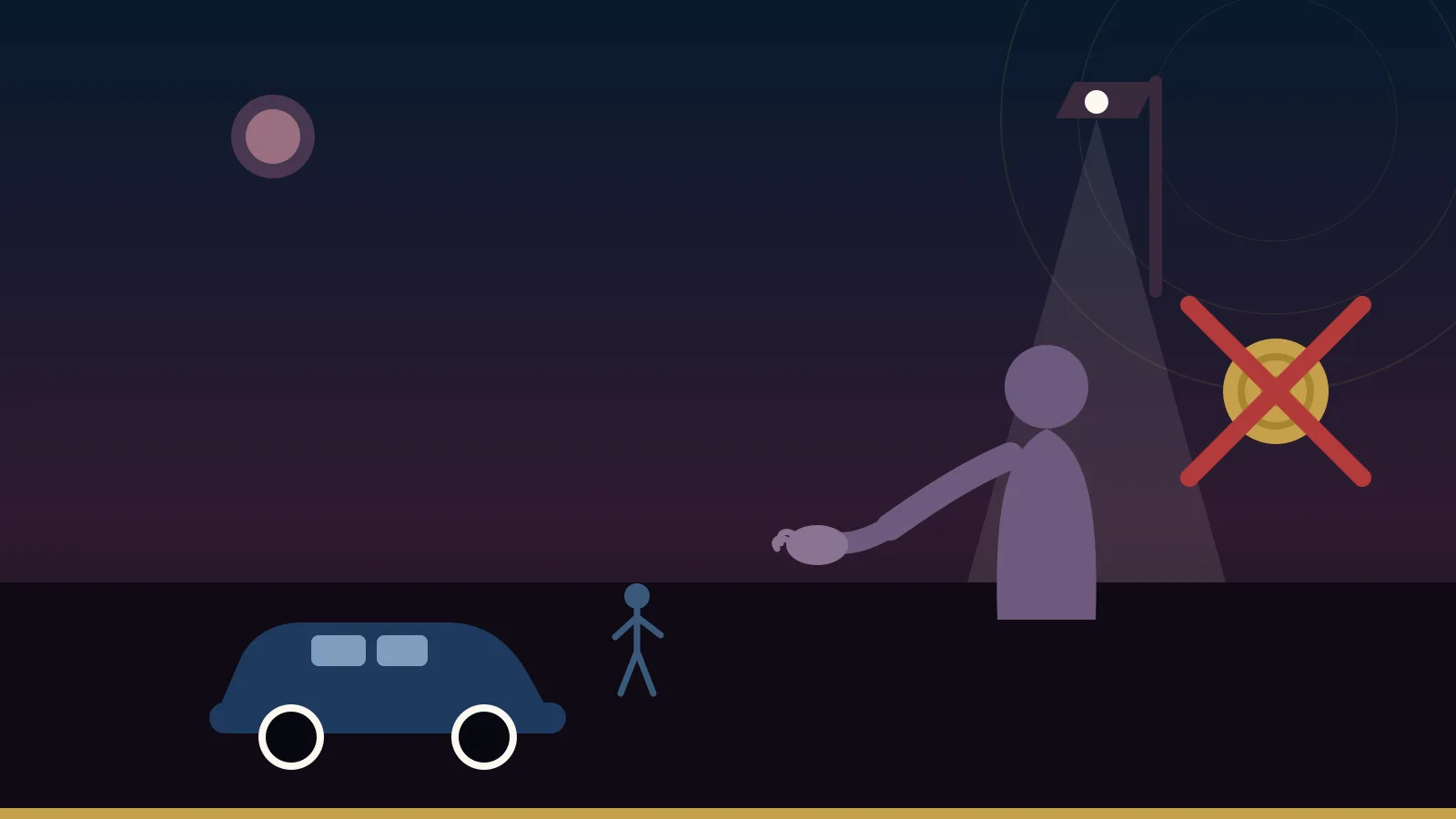
You know the story before it finishes: you turn into a side street looking for a spot, and out of nowhere appears a man waving you in with the confidence of someone who owns the asphalt: "Right here, basha." You did not request his service and he did not ask whether you wanted it — but from that moment he has become a compulsory partner in your parking, and on your return you will pay whatever he decides. Woe to you if you dispute the amount or ignore the outstretched hand.
Let us first draw a clear line, because fairness is this section's banner: there is the honest sayes whom every neighbourhood knows — hard-working, genuinely watching the cars, helping with a tight spot, content with what he is given willingly. That is an honest living we will not touch with a single word, and the law has organised it and opened a legitimate door for it. Our subject is an entirely different breed: the man who has seized a public street and converted the right to pass and park — guaranteed to all — into a commodity sold under duress.
The heart of the matter is moral before anything else: this person is selling you what he does not own. The street is public property; a parking space in it is either a common right or a service the state organises for a declared fee. What he actually offers is one thing only: relief from a harm of which he himself is the source. You are not paying him a service fee — you are paying for your car's safety from him, specifically. That is the literal definition of tribute.
And the provocation goes beyond the pounds paid. It is the citizen's feeling of being shaken down in a street of his own country, in front of his wife and children, forced to choose between paying meekly or entering a confrontation whose end he cannot predict: a deep scratch from a nail, a snapped mirror, a deflated tire, or — in the ugliest version — an open threat of harm. How many times have we watched a driver swallow his anger and pay, not out of conviction but to ward off evil, then drive away with one more lump of bitterness added to the pile.
More dangerous still, some graduate from individual to organisation: groups dividing streets among themselves like spoils, reserving spaces with chairs and water jugs, renting out the right to park by the hour and by the month, and expelling from the street whoever does not pay. At that point we no longer face an individual's misbehaviour but a small parallel authority imposing its own law on public space — and every parallel authority starts small.
Egyptian law has not left this a grey zone: Law No. 150 of 2020 regulating the work of vehicle-parking organisers made the trade a licensed occupation with conditions, rules and a regulated fee, and criminalised practising it without a licence. The distinction today is as clear in law as it is in morals: a licensed parking organiser working within the rules on one side, and an impostor levying tribute under the name of a trade on the other. And whoever resorts to threats, or damages the car of someone who objected, has already crossed into offences punishable under the Penal Code.
Nor will we ignore the social root: many who take up this work were pushed into it by closed doors, and some feed entire families from these pounds. That deserves serious treatment in employment policy — but it cannot justify intimidation. Need intercedes for the man who works honourably; it does not intercede for the man who extorts. And the law that regulated the trade has opened a legitimate door for anyone willing to enter through it.
What we ask of the citizen: do not reward intimidation with permanent submission, as if it were fate. Support the honest, licensed sayes and give him willingly — but document aggression when it happens and report it, because every incident that passes unreported deepens everyone's conviction that the street belongs to whoever imposes himself. And do not, yourself, buy "reserved spots" over the phone from the street-seizing outfits: whoever rents stolen goods finances the theft.
What we ask of the state: enforce the parking-organisers law on both of its edges — make serious licensing genuinely accessible for those who want honest work, and act decisively against those who practise without licence or levy tribute — together with a systematic alternative that dries up the source: organised parking with markings, published tariffs and clear payment methods in crowded streets. Where a declared rule exists, the space narrows for the man who invents his own.
The story of the strong-arm sayes is bigger than parking a car: it is the question of who governs the street — the public rule, or the stronger arm standing on the corner? Every time a citizen pays tribute with a forced smile, the wrong answer advances one step. That's just wrong. The right picture is a citizen parking his car in a street of his own country with his head held high, paying nothing but a declared fee for a real service he chose of his own free will.
Related Stories
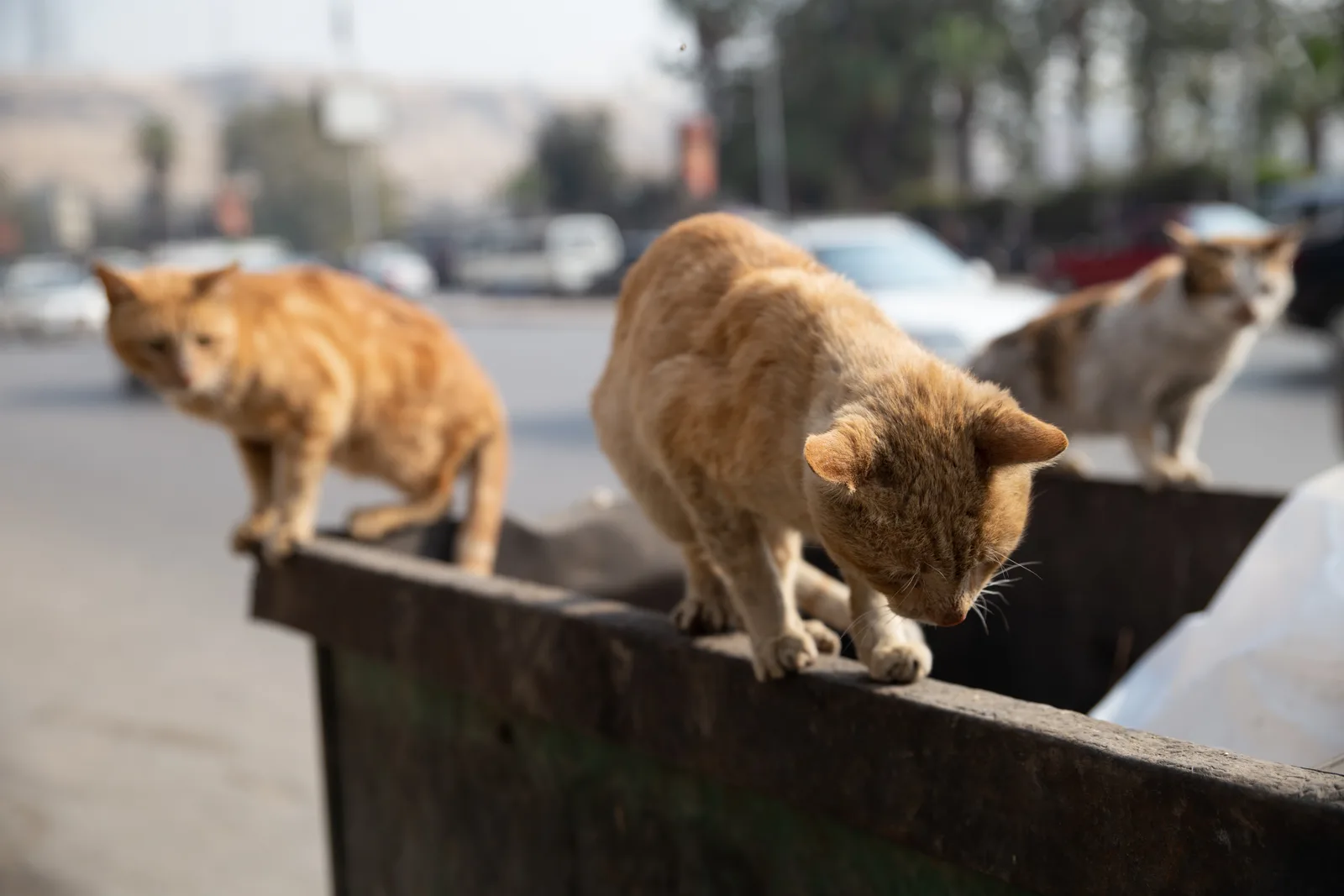
Keda Ghalat (That's Just Wrong): Harming an Animal Has Been a Crime Under Egypt's Penal Code Since 1937
A neighbour sets out poisoned bowls beside the school wall; a cart driver beats his donkey across the face to make it haul a load beyond its strength. Many assume that "just an animal" means no law protects it. In fact, Articles 355, 356 and 357 of the Penal Code punish killing, poisoning and harming animals with penalties that go as far as prison. On the eve of World Animal Day, we explain what the law says and what the right thing to do is.
October 3, 2026 · 6 min read
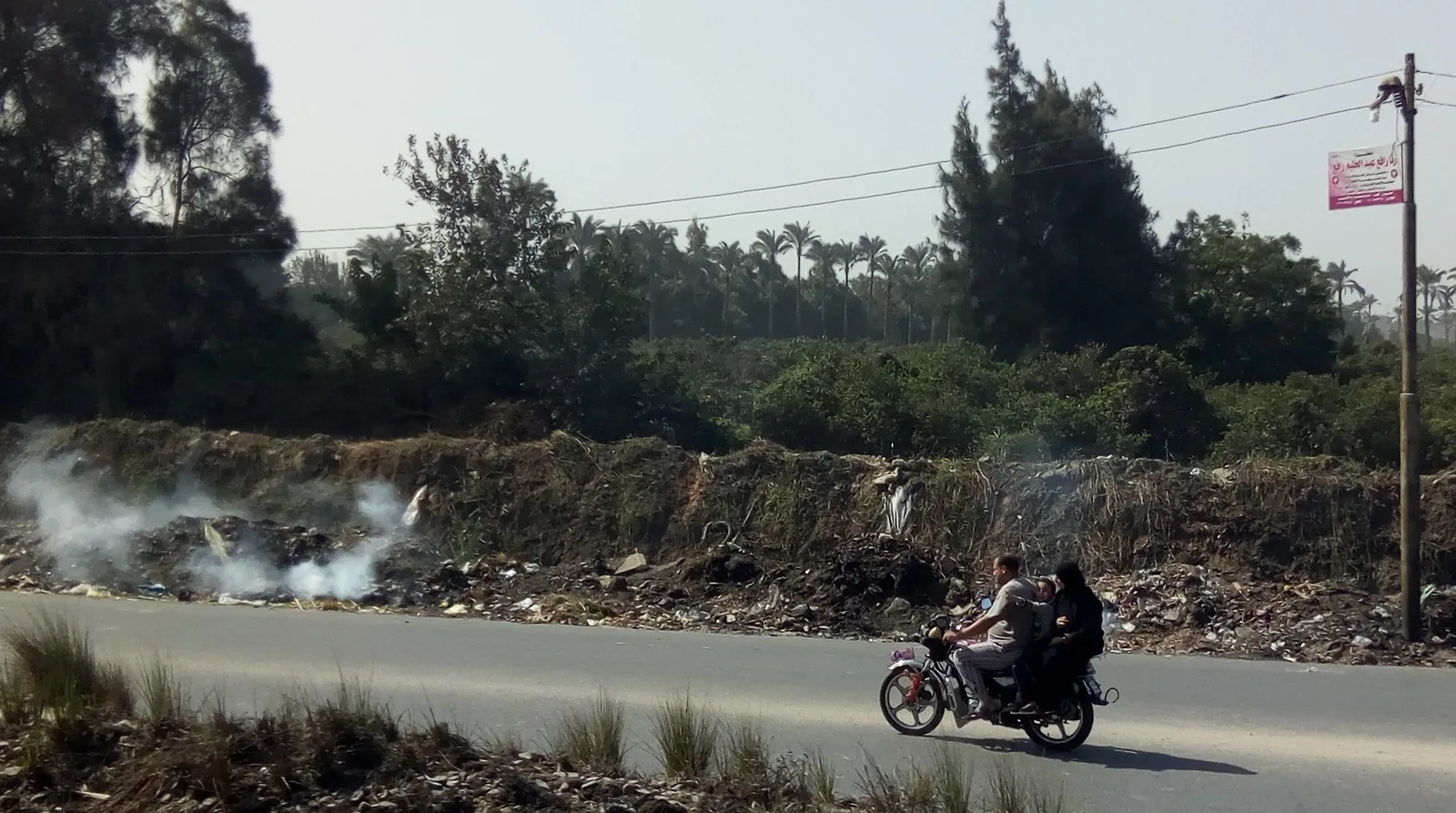
Four on a Motorcycle and No Helmet: A Bare Head Is the Dearest Thing a Family Can Lose on the Road
In the second week of school the same scene repeats: a father driving, one child in front, another behind, the mother clutching the bags, and not a single helmet among them. Press reports citing CAPMAS show deaths jumping from 190 to 897 between 2020 and 2024, while a Cochrane review finds a helmet alone cuts the risk of death by 42%. The law has punished the bare head since 1999, fine raised in 2008. So why do we not comply?
September 23, 2026 · 8 min read
"A Hook-Up on the Cable" Is No Clever Trick: Electricity Theft Is a Crime the Whole Neighbourhood Pays For
A bare wire dangling from a lamp post to a balcony, an air conditioner on a meter that never moves, and a fuse blowing for the third time, plunging a bill-paying neighbour into darkness. Article 71 of the Electricity Law calls this unlawful appropriation of current, punished by prison and a fine, while a tougher amendment awaits the House of Representatives. What does a whole street lose from one hook-up? And what is the right alternative?
September 14, 2026 · 7 min read