Ежедневный путь миллионов: общественный транспорт, каким его изнутри знают египтяне
Между давкой в метро, хаосом микроавтобусов и долгим ожиданием миллионы египтян ежедневно тратят часы жизни на дорогу на работу и обратно. Эту историю знает каждый, и где ни спроси пассажиров, они повторяют одни и те же простые требования: регулярность, достоинство и справедливую цену.
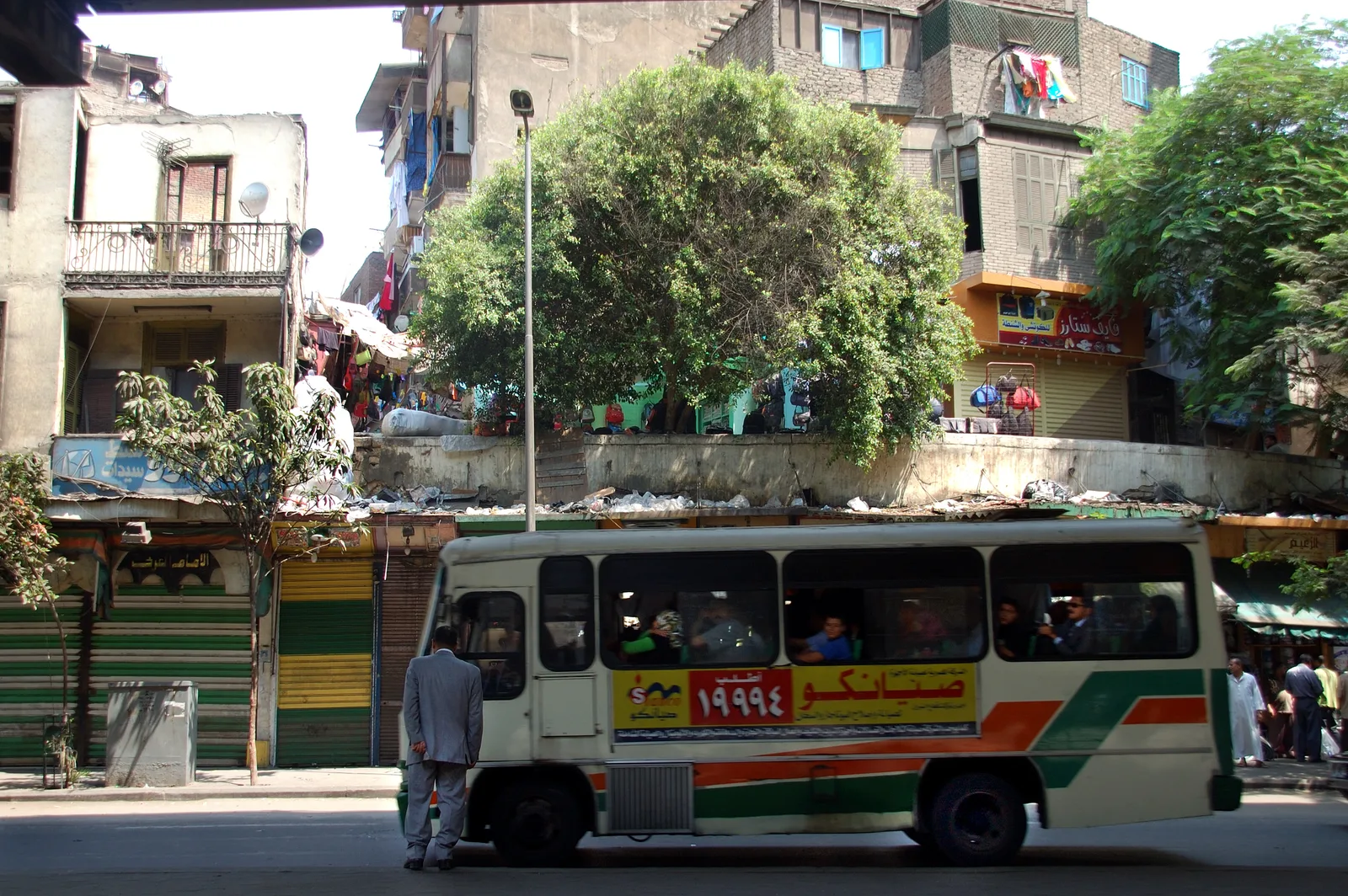
Незадолго до рассвета Большой Каир приходит в движение: начинается одно из самых массовых ежедневных перемещений людей в регионе — миллионы человек выходят из дома, направляясь на работу, в школы и университеты и пересаживаясь с метро на автобус, с микроавтобуса на такси. Для жителя окраин дорога туда и обратно способна отнимать три часа и больше. Эта ежедневная поездка — не просто передвижение, а тяжёлая часть жизни египтян, которая определяет их настроение, здоровье и семейный бюджет, и рассказать о ней стоит глазами тех, кто её проживает.
Хребет всей системы — метрополитен, первый в Африке и в арабском мире. Его линии перевозят миллионы пассажиров в день и входят в число самых загруженных сетей региона. Его заслуг не отрицает никто: это практически единственный способ вырваться из плена пробок, он проходит за считаные минуты то, что машина преодолевает за час. Но именно этот успех и порождает главную его беду — давку.
В часы пик платформы крупных станций превращаются в человеческое море: чтобы войти в вагон, порой приходится выдержать небольшое сражение плечами, а многие едут стоя, вплотную друг к другу, всю дорогу. Завсегдатаи описывают ежедневные ритуалы, знакомые каждому, кто хоть раз пользовался метро: занять место для ног до прихода поезда, рассчитать, какой вагон остановится ближе всего к лестнице на выходе, и заранее отказаться от всякой надежды на сидячее место. Вагоны для женщин остаются важной отдушиной, которой многие дорожат, хотя в час пик они ничуть не свободнее.
За пределами метро царит микроавтобус — властелин неформальных перевозок, покрывающий всё, куда не дотягиваются государственные маршруты. Его сила в гибкости: он останавливается там, где вы ему махнёте, забирается в кварталы и переулки, работает с рассвета и далеко за полночь. Но цену знает каждый пассажир: ни твёрдого расписания, ни официально объявленных маршрутов, понятных приезжему; плата, которая может внезапно измениться и вызвать спор прямо в салоне; лихая манера езды, превращающая многие поездки в испытание для нервов; и бесконечное ожидание, пока не наберётся полный салон.
На первом месте среди забот пассажиров — цена. На фоне волн подорожания и поэтапного повышения тарифов на проезд в последние годы расходы на дорогу стали давящей статьёй в бюджете семей с невысоким доходом, тем более что поездка редко укладывается в один вид транспорта: тот, кто едет с окраины в центр, может сесть в микроавтобус, затем в метро, а потом ещё на что-то третье, и счёт умножается на каждого работающего или учащегося члена семьи. Некоторые уже оценивают предложение о работе по тому, какую часть заработка съест дорога.
Для кого-то ежедневная поездка граничит с невозможным: для пожилых людей, людей с инвалидностью, матерей с колясками. Длинным лестницам многих станций далеко не всегда сопутствуют работающие лифты или эскалаторы, подъём в микроавтобус с высокой ступенькой — ежедневное препятствие, а тротуары, ведущие к остановкам, разбиты или заняты. Хотя в новейших проектах доступной среде стали уделять больше внимания, значительная часть старой системы попросту никогда не проектировалась для тех, кто не является здоровым и спешащим человеком.
У женщин к этому списку добавляется особое измерение. Домогательства в общественном транспорте документируются в Египте многие годы в повторяющихся исследованиях и опросах; именно они привели к выделению женских вагонов в метро и к череде просветительских кампаний. Многие пассажирки рассказывают о ежедневных стратегиях приспособления: выбирать время поездки, предпочитать женские вагоны, избегать отдельных маршрутов после наступления темноты. Это дополнительные расчёты, которых мужчинам делать не приходится.
Само время — молчаливая жертва. Специализированные исследования ещё годы назад оценивали, что дорожные заторы в Большом Каире обходятся египетской экономике в миллиарды фунтов ежегодно: впустую сожжённое топливо и потерянные рабочие часы. Чего исследования не считают, так это того, что долгая дорога делает с человеком: усталость ещё до начала рабочего дня, изматывающее возвращение, съедающее остаток вечера, и часы, которые могли бы достаться семье, отдыху или учёбе.
Картина не беспросветна: последние годы принесли крупные вложения в общественный транспорт — новые продления линий метро и современные станции, лёгкий электропоезд, связавший Каир с новыми городами, строящийся монорельс и обновление автобусного парка машинами на газе и электричестве. Часть плодов пассажиры ощущают уже сейчас, хотя вопрос, который их занимает, остаётся прежним: дойдёт ли это новое качество до тарифа, который им по карману, и до тех народных кварталов, где живёт большинство из них.
Если спросить пассажиров, чего они хотят, невыполнимых требований вы не услышите. Им нужно расписание, на которое можно положиться, вместо бесконечного ожидания; настоящая стыковка видов транспорта, чтобы поездка не терялась в разрывах между ними; справедливый тариф с льготными проездными для малоимущих; обращение, сохраняющее достоинство в толчее; безопасность для женщин и доступность для пожилых людей и людей с инвалидностью. Требования кажутся простыми, но именно в них — вся разница между ежедневной поездкой, которая выматывает человека, и той, что его достойна.
В конечном счёте общественный транспорт — честное зеркало отношений города с его жителями. Миллионы, что каждое утро вливаются в метро и микроавтобусы, и есть те, кто своими руками вращает колесо экономики, а их ежедневная дорога — не побочная деталь, а общественный вопрос первой величины. Прислушаться к их опыту, к его тяготам и к маленьким изобретательным решениям, — вот отправная точка для любых преобразований, которые действительно хотят удаться.
Материалы по теме
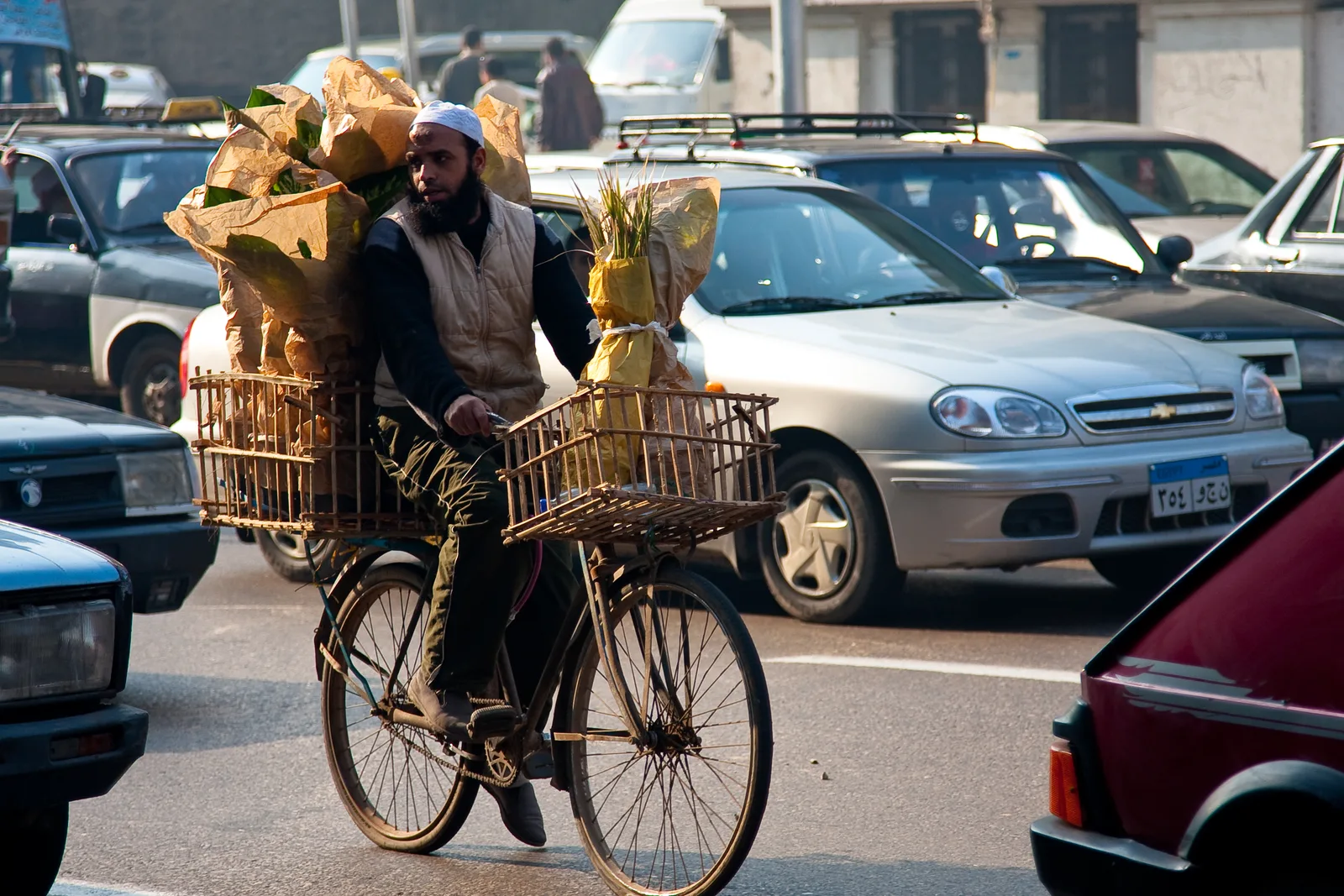
На двух колёсах сквозь пробки: где место велосипеду на улицах Египта в День без автомобиля?
22 сентября мир отмечает День без автомобиля, а на наших улицах велосипед пробирается между микроавтобусами и по размеченной полосе, на которой припаркована машина. От Cairo Bike и программы «Твой велосипед — твоё здоровье» до мальчика с подносом хлеба на голове в переулке: репортаж о том, что видит любой прохожий, и один вопрос: для кого в Египте велосипед и почему безопасная полоса остаётся мечтой?
22 сентября 2026 г. · 8 мин. чтения
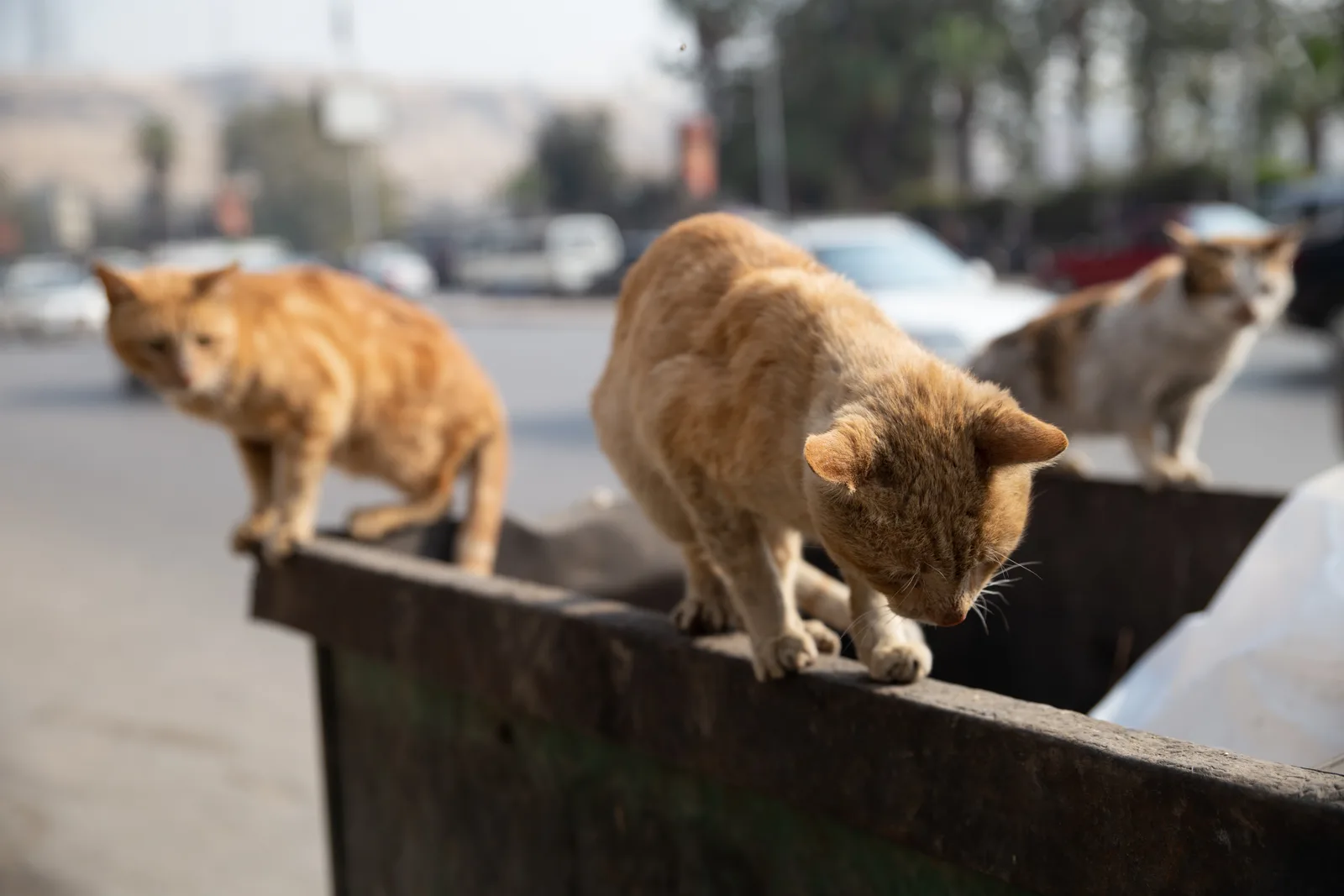
«Кеда галят» («Так неправильно»): жестокое обращение с животными — преступление по египетскому УК с 1937 года
Сосед раскладывает отравленные миски у школьной ограды, а хозяин повозки бьёт осла палкой по морде под непосильным грузом. Многие полагают, что «это всего лишь животное», а значит закон его не защищает. На самом деле статьи 355, 356 и 357 Уголовного кодекса Египта предусматривают наказание вплоть до тюрьмы за убийство, отравление и жестокое обращение с животными. Накануне Всемирного дня животных мы объясняем, что говорит закон.
3 октября 2026 г. · 6 мин. чтения

Розовый октябрь: бесплатный осмотр в ближайшем медпункте — почему ранняя диагностика меняет судьбу египетских женщин
«Ничего не болит» — не повод откладывать. С июля 2019 года медицинские пункты Египта бесплатно принимают всех женщин от 18 лет, а к июню 2026-го доля случаев, выявленных на поздней стадии, снизилась с 60% до 19,5%. Мы рассказываем, что происходит на приёме, какие признаки требуют визита к врачу и почему страх откладывает это важное обследование.
2 октября 2026 г. · 7 мин. чтения