Kufuta Ujinga wa Kusoma na Kuandika Nchini Misri: Ukubwa wa Changamoto na Madarasa Yanayobadilisha Maisha ya Watu Wazima
Sensa za hivi karibuni zinaonyesha kuwa takriban robo ya Wamisri wenye umri wa miaka kumi na zaidi hawajui kusoma na kuandika — mamilioni ya watu wazima ambao hawakupata kujifunza kusoma. Kutoka Mamlaka Kuu ya Kufuta Ujinga na Elimu ya Watu Wazima hadi madarasa ya mashirika ya kiraia na wanafunzi wa vyuo vikuu wanaojitolea, mtazamo wa programu zinazowafundisha — na kipi hasa kinafanya kazi.
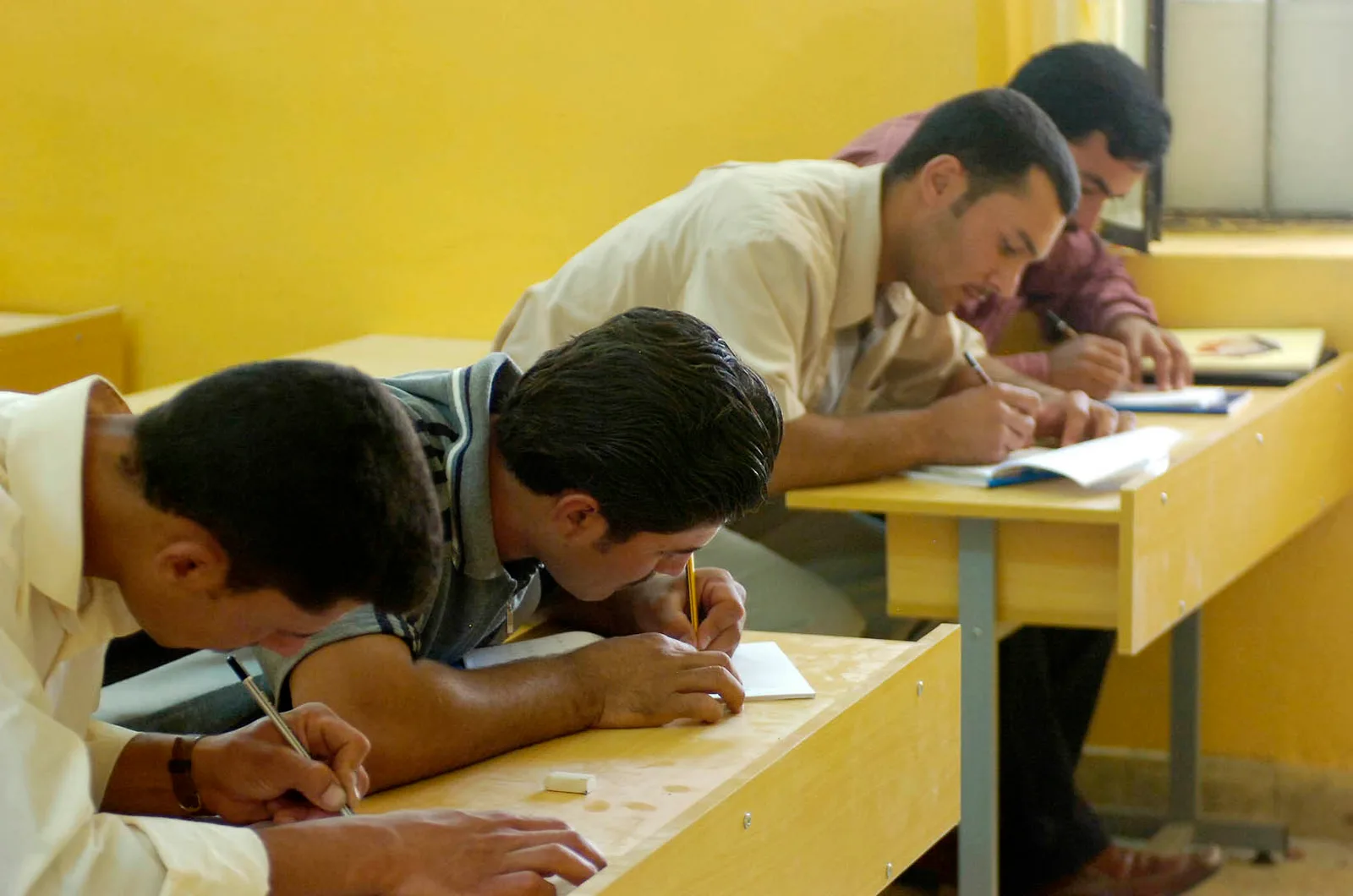
Katika chumba kidogo baada ya sala ya isha, mwanamke wa miaka hamsini na kitu anaandika herufi alif kwa mara ya kwanza maishani mwake. Matukio kama haya hujirudia kila wiki kote Misri — misikitini, makanisani, katika vituo vya vijana na madarasa ya mashirika ya kiraia — kwa sababu mojawapo ya changamoto kongwe za maendeleo nchini humo bado haijamalizika: mamilioni ya watu wazima wa Misri hawajui kusoma wala kuandika, na mtandao wa kimya wa programu unajitahidi kubadilisha hali hiyo, mwanafunzi mmoja baada ya mwingine.
Ukubwa wa tatizo umethibitishwa kwa takwimu, si kwa hadithi. Sensa ya Misri ya mwaka 2017 ilionyesha kuwa takriban robo ya watu wenye umri wa miaka kumi na zaidi hawajui kusoma na kuandika — mamilioni ya watu wanaokabiliana na mikataba, vipeperushi vya dawa, fomu za benki na ripoti za shule za watoto wao bila kuweza kuvisoma. Kiwango hicho kimeshuka kwa kasi thabiti kwa miongo kadhaa huku elimu ikienea, lakini idadi halisi imebaki kubwa, kwa sababu idadi ya watu wa Misri imeongezeka kwa kasi inayoendelea kujaza pengo hilo upya.
Mzigo haujagawanywa sawa. Kutojua kusoma na kuandika ni juu zaidi miongoni mwa wanawake kuliko wanaume, juu zaidi vijijini kuliko mijini, na hufikia kilele chake kwa wanawake wazee wa vijijini wa Misri ya Juu — kundi ambalo, vizazi kimoja au viwili vilivyopita, lilikuwa na uwezekano mkubwa zaidi wa kunyimwa shule kabisa. Tatizo pia lina chanzo kinacholilisha: watoto wanaoacha shule mapema, au wanaopita shuleni bila kujifunza kwa kweli, huwa kizazi kinachofuata cha watu wazima wasiojua kusoma vizuri.
Umuhimu wa suala hili unavuka mbali zaidi ya kusoma kwa starehe. Utafiti baada ya utafiti duniani kote unahusisha ujuzi wa kusoma na afya, kipato na hatima ya kizazi kijacho: mama anayejua kusoma hufuata vipimo vya dawa kwa usahihi, hushughulikia karatasi za watoto wake na huwasaidia katika kazi zao za shule. Mtu mzima anayejua kusoma hupitia mkataba kabla ya kutia saini, hulinganisha bei, na hutumia simu janja kwa mengi zaidi ya kupiga simu. Kutojua kusoma ni kodi ya kimya inayolipwa katika kila muamala na dola na soko la kisasa.
Misri imekuwa katika vita hivi kwa muda mrefu. Kampeni za kutokomeza kutojua kusoma na kuandika zilianza katikati ya karne ya 20, na mwaka 1991 Sheria Na. 8 ilianzisha Mamlaka Kuu ya Kutokomeza Kutojua Kusoma na Kuandika na Elimu ya Watu Wazima, taasisi ya serikali yenye jukumu la kuandaa madarasa, kuweka mitaala na kuendesha mitihani. Cheti chake ni ufunguo wa kweli: kinathibitisha kuwa mtu mzima anajua kusoma na kuandika, na kinafungua mlango wa kuendelea na masomo kwa yeyote anayetaka kwenda mbali zaidi.
Mamlaka hiyo hufanya kazi kwa ushirikiano kadiri inavyofanya kupitia madarasa yake yenyewe — na mikoa, misikiti na makanisa, na vilevile vyuo vikuu. Mojawapo ya mbinu za kipekee za Misri ni kuwatumia wanafunzi wa vyuo vikuu kufundisha madarasa ya kusoma na kuandika, huku motisha zikifungamanishwa na ushiriki wao; mtindo huu hugeuza idadi kubwa ya wanafunzi nchini kuwa nguvu ya ualimu na, ukiwa katika hali yake bora, hujenga daraja kati ya vizazi: kijana wa miaka ishirini akimfundisha herufi mtu wa miaka sitini.
Asasi za kiraia zinabeba sehemu kubwa ya mzigo. Shirika la Life Makers limekuwa likiandaa kampeni za kujitolea za kufundisha kusoma na kuandika kwa miongo miwili; Wakfu wa Misr El Kheir umefanya elimu ya kusoma na kuandika kuwa nguzo mojawapo ya kazi yake ya maendeleo; na Shirika la Kikoptiki la Kiinjili la Huduma za Kijamii pamoja na Caritas Misri wamekuwa wakiendesha programu za elimu ya watu wazima kwa vizazi vingi, muda mrefu kabla jambo hili halijawa la mtindo. Kwa pamoja, madarasa ya mashirika haya yanafika vijiji na mitaa ambayo hakuna ratiba ya serikali inayoifikia.
Miongo ya uzoefu — nchini Misri na duniani kote — imefundisha kinachofanya kazi. Watu wazima si watoto wakubwa: hujifunza haraka zaidi wakati mafunzo yanapogusa maisha yao halisi, mkabala unaojulikana kama elimu ya kusoma yenye manufaa ya kila siku. Mtaala uliojengwa juu ya kusoma cheti cha daktari, ankara ya umeme, bei za sokoni na ujumbe wa simu huwafanya wanafunzi wabaki madarasani; vitabu vya nadharia tupu huwakimbiza. Shirika la UNESCO, ambalo huadhimisha Siku ya Kimataifa ya Kusoma na Kuandika kila tarehe 8 Septemba, limerekodi somo hilohilo katika kila bara.
Na kwa wanawake — ambao ndio wengi miongoni mwa wanafunzi — mambo madogo ndiyo huamua kila kitu: madarasa yanayopangwa kuzunguka kazi za nyumbani na misimu ya mavuno, yanayofanyika mahali ambapo familia yenye mila kali inapaamini, na yanayofundishwa na mtu asiyemwaibisha bibi kizee anapokwama. Programu zilizofanikiwa zaidi huunganisha kusoma na kitu ambacho wanafunzi wanakitaka mara moja — ushonaji, ujuzi wa biashara ndogo, sifa ya kupata mkopo mdogo, au kozi ya kutumia simu — ili kusoma kuwafikie kama chombo cha kazi, si kama mtihani.
Picha ya kweli inajumuisha pia vikwazo. Kuacha masomo katika madarasa ya watu wazima ni jambo lililoenea kila mahali; msimu wa mavuno, ugonjwa au mume mwenye mashaka vinaweza kumaliza safari ya elimu. Kurudi nyuma pia ni kweli: msomaji mpya asiyepata cha kusoma hurudi alipotoka, na ndiyo maana vifaa vya ufuatiliaji na hatua za “baada ya kujua kusoma” ni muhimu. Na tatizo la chanzo kinacholilisha bado lipo — kila mtoto anayeondoka shuleni bila kujua kusoma hufuta, kwa takwimu, kazi ya darasa zima la watu wazima.
Ndiyo maana suala hili lina pande mbili. Ya kwanza ni kuwafundisha watu wazima wa leo, na inahitaji wajitoleaji, fedha na moyo wa jamii badala ya aibu — kumsherehekea mzee wa miaka sitini anayeketi kufanya mtihani badala ya kumfanyia mzaha. Ya pili ni kufunga mfereji: kuwaweka watoto shuleni na kuhakikisha miaka yao huko inazaa uwezo halisi wa kusoma, ili madarasa ya mamlaka yashughulikie akiba inayopungua badala ya mto usiokoma kutiririka.
Kila mtu anaweza kusimama mahali fulani katika mstari huu: kufundisha katika kampeni, kugharimia darasa, au kumtia moyo tu mzazi au jirani ajiandikishe na aendelee — na kuheshimu juhudi zao kama unavyomheshimu mwanafunzi yeyote. Jamii ambayo watu wazima wote wanajua kusoma haijengwi kwa amri moja; hukusanywa herufi kwa herufi, katika vyumba vidogo baada ya sala ya isha, kwa mikono ya watu waliokata shauri kwamba maneno “wakati umepita” hayahusiani na kujifunza.
Habari Zinazohusiana
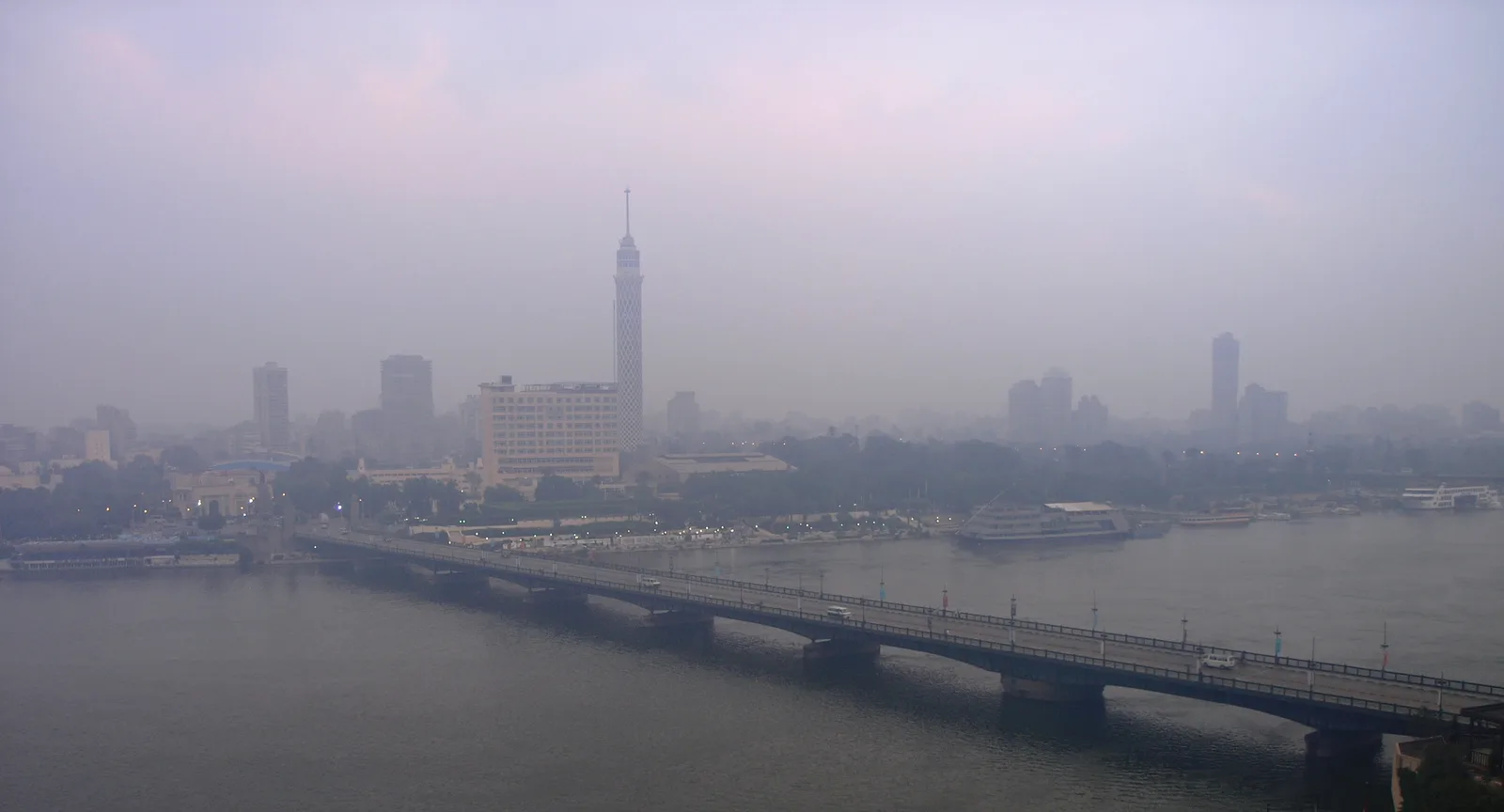
Hewa ya Cairo ni suala la taifa: kutoka “Wingu Jeusi” hadi basi la umeme, vita vya kila pumzi
Kila msimu wa vuli “Wingu Jeusi” hurudi kuisonga Cairo Kuu, lakini kinachoua hasa ni kile tusichokiona: chembechembe nyembamba kuliko unywele zinazopenya kwenye mapafu na damu. Katika mkesha wa Siku ya Dunia Bila Magari, tunafungua faili la mojawapo ya matatizo hatari zaidi ya afya ya mazingira katika Cairo Kuu: takwimu zinasema nini, nini kinafanyika, na wewe unaweza kufanya nini katika siku yako.
21 Septemba 2026 · 7 dakika za kusoma

Bahari Yaisonga Delta: Misri Inavyolinda Ardhi Yake Yenye Rutuba Zaidi kwa Vizuizi vya Mchanga na Mianzi
Kwenye barabara ya pwani huko Burullus, milima ya mchanga imesimama ikiwa imeshikiliwa na uzio wa mianzi; nyuma yake, mkulima anaonja maji ya kisima chake na kubaini kuwa ni ya chumvi. Hii ni janga la kimya linalotishia robo ya wakazi wa Misri: bahari inapanda, ardhi inazama. Makala hii inaeleza hatari kwa takwimu, inachunguza mradi wa dola milioni 105 ulioujenga kilomita 69 za vizuizi laini, na kuuliza mwananchi ana nafasi gani.
13 Septemba 2026 · 8 dakika za kusoma
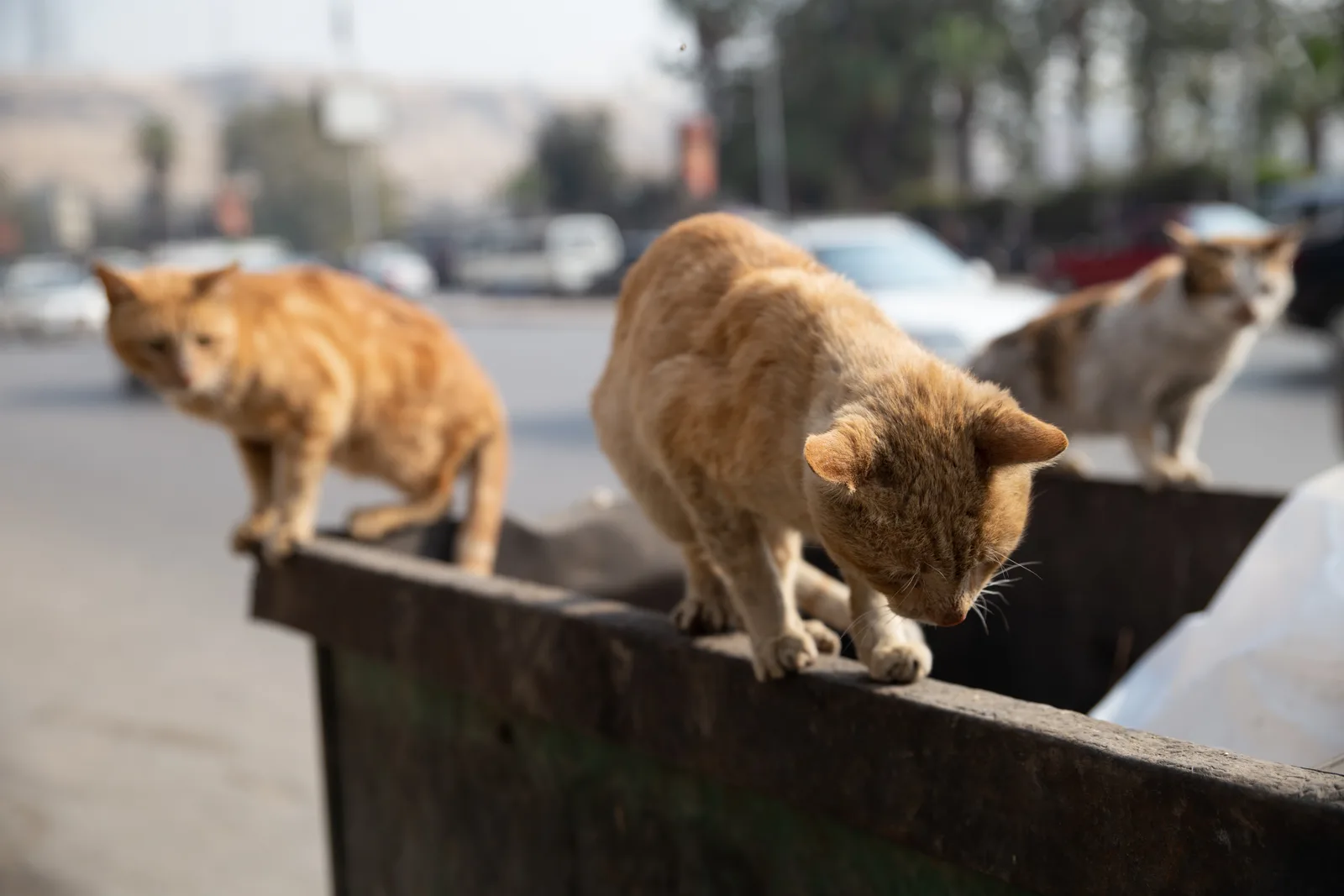
«Keda Ghalat» (Hii Si Sawa): Kudhuru Wanyama ni Kosa la Jinai Chini ya Sheria ya Adhabu ya Misri Tangu 1937
Jirani anaweka bakuli za sumu karibu na ukuta wa shule, na mmiliki wa mkokoteni anampiga punda wake usoni chini ya mzigo mzito kupita kiasi. Wengi hudhani «ni mnyama tu» maana yake hakuna sheria inayomlinda. Ukweli ni kwamba Ibara za 355, 356 na 357 za Sheria ya Adhabu zinaadhibu kuua, kutia sumu na kudhuru wanyama kwa adhabu zinazofikia kifungo jela. Katika usiku wa kuamkia Siku ya Wanyama Duniani, tunaeleza sheria inasema nini.
3 Oktoba 2026 · 6 dakika za kusoma