Mbwa Wako Yuko Huru Nyumbani Kwako: Mbwa Wakali kwenye Fukwe za Umma ni Uvamizi wa Haki za Wengine
Tukio linalojirudia kila msimu wa joto kwenye fukwe zetu: mbwa mkubwa asiyefungwa kizuizi cha mdomo anakimbia katikati ya watoto, na mwenyewe anajibu pingamizi kwa kauli: «Huyu hana madhara». Katika kitengo cha «Hii Si Sawa» tunasema wazi: uhuru wa kufuga mnyama unaishia pale unapoanzia usalama na utulivu wa wengine, na ufukwe wa umma ni mali ya wananchi wote — si uwanja wa mazoezi ya mbwa wa baadhi ya watu.
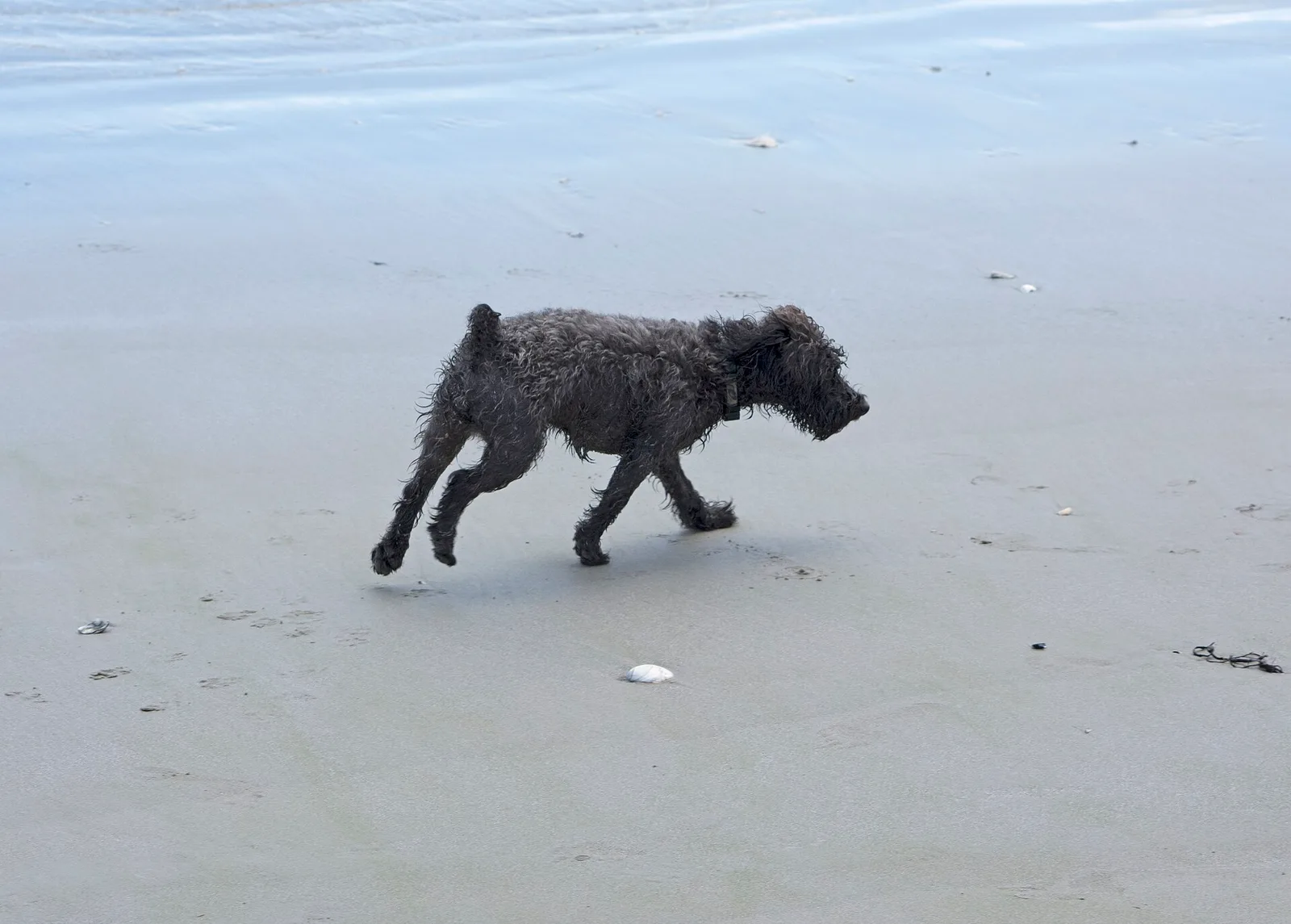
Ni tukio analolijua kila aliyewahi kwenda ufuoni kwa umma wakati wa kiangazi: familia inatandika viti vyake kando ya maji, watoto wanajenga ngome za mchanga, kisha ghafla anatokea mbwa mkubwa wa koo zinazojulikana kwa ukali, akikimbia bila kizibo cha mdomo wala kamba, na nyuma yake mwenye mbwa akitabasamu na kuwatuliza wote kwa sentensi moja: “Msiogope, ni mpole.” Lakini mtoto aliyeshtuka na kulia hajui tofauti kati ya mpole na mkali, na mama aliyembeba mwanawe akakimbia hajali hata kidogo cheti cha tabia njema cha mbwa huyo.
Kabla ya kuzungumzia sheria yoyote, hili ni kosa la kimaadili. Ufuo wa umma ni eneo la wote; kila mtu amelipia kuingia au amelirithi kama haki ya jamii. Anayemwachia huru mnyama anayewatisha watu katika eneo hilo, kwa vitendo anasema: raha yangu na raha ya mbwa wangu ni muhimu kuliko usalama wa watoto wenu. Hilo ndilo kosa ambalo safu hii inalisema: kuudhi hisia za mwananchi na kuvuruga utulivu wake mahali alipokwenda kupumzika.
Hofu hapa si anasa wala si kutia chumvi. Kung'atwa mara moja na mbwa kunaweza kumaanisha majeraha, kushonwa na mfululizo wa chanjo za kichaa cha mbwa, pamoja na hofu ya kisaikolojia inayoweza kumwandama mtoto kwa miaka mingi: hofu ya mbwa mmoja hugeuka kuwa hofu ya wanyama wote na hata ya ufuo wenyewe. Na hata kama mbwa hakumng'ata mtu yeyote, kukimbia kwake tu miongoni mwa wapumzikaji, akiwa ni wa koo kali, kunatosha kuharibu siku nzima ya makumi ya familia.
Kisha kuna kile ambacho jicho halikioni: kuwaogesha mbwa katika maji yaleyale ya bahari wanamoogelea watu. Mbwa ni kiumbe hai; hubeba kwenye manyoya yake na kwenye kinyesi chake vijidudu na vimelea, na baadhi yake huweza kumwambukiza binadamu. Watoto wanaomeza maji ya bahari wakiwa wanacheza ndio walio hatarini zaidi. Anayemwogesha mbwa wake katika maji wanamoogelea watoto wa wenzake anaichukulia bahari kama beseni lake binafsi la kuogea, na huo ndio ubinafsi kamili.
Na tuwe wa haki: tatizo si kufuga mbwa, wala si wapenda wanyama; kuwatunza wanyama na kuwahurumia ni thamani tunayoiheshimu na kuihimiza. Tatizo liko kwa mwenye mbwa anayekataa kanuni rahisi kabisa za uwajibikaji: kamba, kizibo cha mdomo kwa koo hatari, kuchagua maeneo yaliyotengwa, na swali dogo kabla ya kuisogelea familia yoyote: je, hakuna tatizo?
Sheria ya Misri haikuliacha jambo hili bila mpangilio. Kanuni ya Sheria za Kiraia inamwajibisha mlinzi wa mnyama kwa madhara anayoyasababisha, na mwaka 2023 bunge lilipitisha sheria maalum inayodhibiti umiliki wa wanyama hatari na mbwa: inataka leseni, inaweka kanuni za kwenda na mbwa katika maeneo ya umma, na inamwadhibu anayekiuka. Yaani anayemwachia huru mbwa mkali miongoni mwa wapumzikaji hafanyi kosa la kimaadili tu, bali pia anajiweka chini ya mkono wa sheria.
Lakini katika safu hii hatutegemei adhabu peke yake, kwa sababu kabla ya kuwa tatizo la kisheria hili ni tatizo la adabu za pamoja. Fikiria iwapo kila mmoja wetu angehamishia kwenye eneo la umma kile kinachowaudhi majirani zake: huyu anapandisha sauti ya spika, yule anachoma nyama barabarani, na mwingine anamwachia mbwa wake miongoni mwa watoto. Hapo hakutabaki kitu kinachoitwa “eneo la umma”, bali msitu ambamo mwenye nguvu zaidi na jasiri zaidi anajitwalia nafasi yake kwa gharama ya kila mtu.
Kinachotakiwa kwa mwenye mbwa kiko wazi na hakihitaji tafsiri: usimpeleke mbwa wa koo kali kwenye ufuo wa umma ambao tayari umejaa watu; na ukienda na mbwa mpole, awe amefungwa kamba muda wote na avae kizibo cha mdomo pale inapohitajika; usimwogeshe katika maji wanamoogelea watu; safisha uchafu anaouacha; na heshimu hofu ya wengine hata ikionekana kwako ni ya kupita kiasi, kwani hofu ni haki isiyohitaji ruhusa yako.
Kinachotakiwa kwa serikali na mamlaka za mitaa si kidogo: kuitekeleza sheria ya umiliki wa wanyama hatari kwenye fukwe badala ya kuiacha ikiwa imeandikwa kwenye gazeti rasmi la serikali tu; kuweka mabango ya wazi kwenye milango ya fukwe yanayoeleza kanuni za kwenda na wanyama; na kutenga maeneo au nyakati maalum kwa wenye mbwa mbali na msongamano wa familia, ili kila mwenye haki apate haki yake bila mgongano.
Ujumbe wa mwisho kwa kila anayesema “mimi ni huru na mbwa wangu ni huru”: ndiyo, uko huru ndani ya nyumba yako na katika maeneo yaliyotengwa; lakini kwenye ufuo wa umma uhuru wako unaishia pale unapoanzia usalama wa mtoto asiye na nguvu yoyote isipokuwa kilio chake. Hivi ni kosa, na njia sahihi ni rahisi kuliko unavyofikiri: kamba, kizibo cha mdomo, mahali panapofaa, na heshima kwa watu wengine.
Habari Zinazohusiana
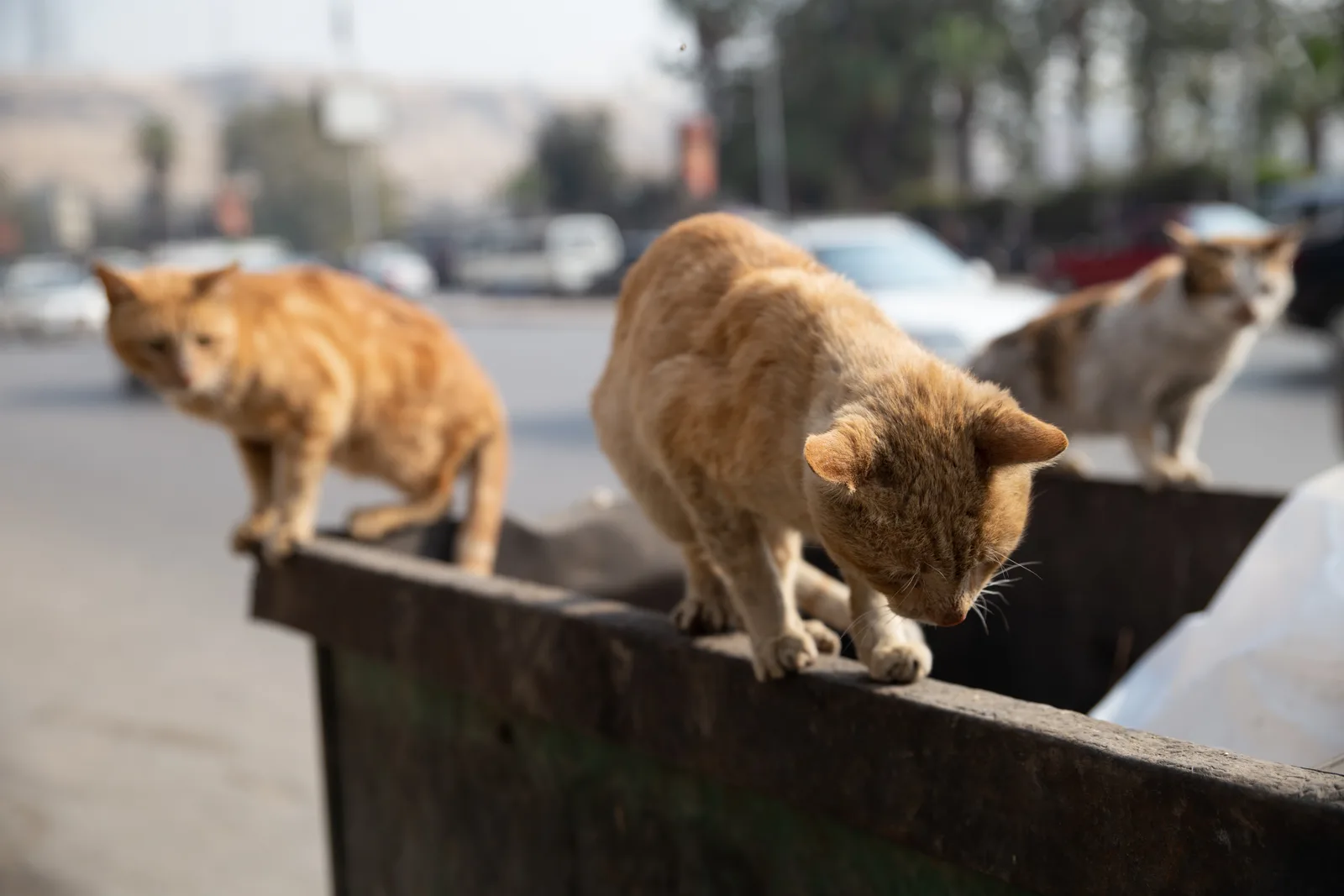
«Keda Ghalat» (Hii Si Sawa): Kudhuru Wanyama ni Kosa la Jinai Chini ya Sheria ya Adhabu ya Misri Tangu 1937
Jirani anaweka bakuli za sumu karibu na ukuta wa shule, na mmiliki wa mkokoteni anampiga punda wake usoni chini ya mzigo mzito kupita kiasi. Wengi hudhani «ni mnyama tu» maana yake hakuna sheria inayomlinda. Ukweli ni kwamba Ibara za 355, 356 na 357 za Sheria ya Adhabu zinaadhibu kuua, kutia sumu na kudhuru wanyama kwa adhabu zinazofikia kifungo jela. Katika usiku wa kuamkia Siku ya Wanyama Duniani, tunaeleza sheria inasema nini.
3 Oktoba 2026 · 6 dakika za kusoma
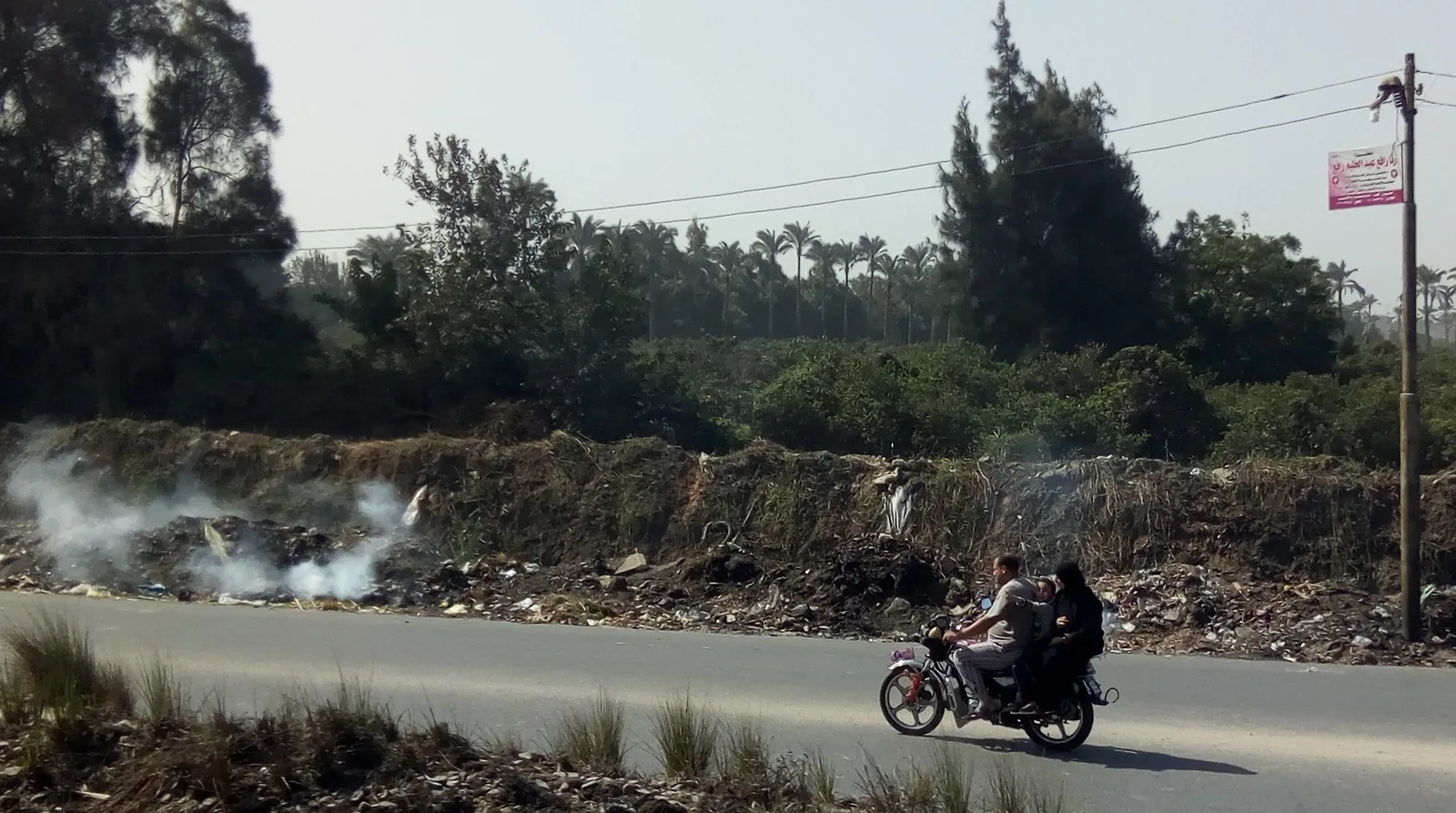
Watu Wanne Juu ya Pikipiki Bila Kofia Ngumu: Kichwa Wazi Ndicho Familia Inaweza Kupoteza Barabarani
Katika wiki ya pili ya shule, tukio lilelile hujirudia: baba akiendesha, mtoto mmoja mbele, mwingine nyuma, mama akishikilia mifuko, hakuna kofia ngumu hata moja. Ripoti za habari, zikinukuu CAPMAS, zaeleza ongezeko la vifo kutoka 190 hadi 897 kati ya 2020 na 2024, huku Cochrane ikionyesha kofia ngumu hupunguza hatari ya kifo kwa asilimia 42. Sheria imekuwa ikiadhibu kichwa wazi tangu 1999, faini iliongezwa 2008. Kwa nini hatuzingatii?
23 Septemba 2026 · 8 dakika za kusoma
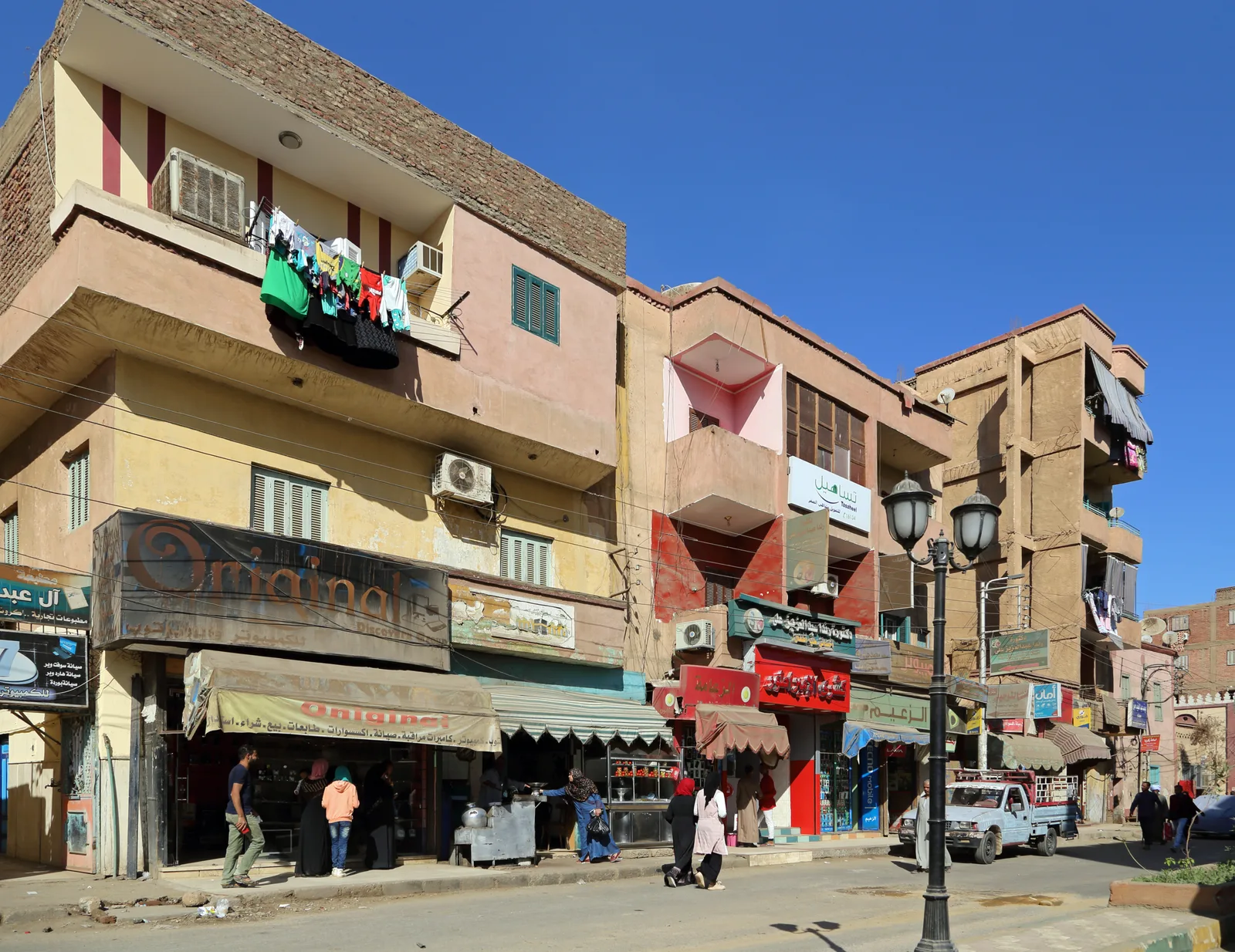
"Kuunganisha Waya Ovyo" Si Ujanja: Wizi wa Umeme ni Uhalifu Ambao Mtaa Mzima Hulipa Gharama Yake
Waya ulio wazi ukining'inia kutoka nguzo hadi roshani, kiyoyozi kikifanya kazi huku mita haizunguki, na fuse ikikatika mara ya tatu, ikizima nuru nyumbani kwa jirani aliyelipa ankara yake. Kifungu cha 71 cha Sheria ya Umeme kinaita hili kujimilikisha umeme kinyume cha sheria, huadhibiwa kwa kifungo na faini, huku marekebisho makali zaidi yakisubiri Bunge. Mtaa mzima unapoteza nini kwa muunganisho mmoja? Mbadala sahihi ni upi?
14 Septemba 2026 · 7 dakika za kusoma