Katika Foleni ya Mkate: Desturi ya Kila Siku ya Wamisri Ambapo Subira Hukandwa Pamoja na Mkate
Kabla ya alfajiri, mbele ya kila duka la mikate nchini Misri, hukutana bunge dogo linalojitawala lenyewe: foleni ya mkate wa baladi. Picha ya mtaani ya desturi hii ya kila siku — kanuni zake zisizoandikwa, kadi zake janja, usawa wake wa mkwaruzo, na kwa nini foleni ya nje ya duka la mikate imekuwa daima kipimo cha hali ya nchi.
Siku huanza kwa moshi. Kabla mwangwi wa mwito wa kwanza wa sala haujafifia, dohani ya tanuri la mtaa tayari inapumua, na harufu ya unga unaookwa hushuka mitaani ambako watu bado wamelala. Kufikia wakati pazia la chuma linapopanda kwa mkwaruzo, foleni tayari imeundika: wanaume katika galabiya, wanawake wenye mifuko ya kitambaa, na mvulana mwenye usingizi aliyetumwa na mama yake akiwa ameshika kadi mahiri ya familia mkononi. Foleni ya mkate — mojawapo ya taasisi kongwe, za kawaida kabisa na zenye kufichua mengi zaidi katika maisha ya kila siku ya Wamisri — imekutana.
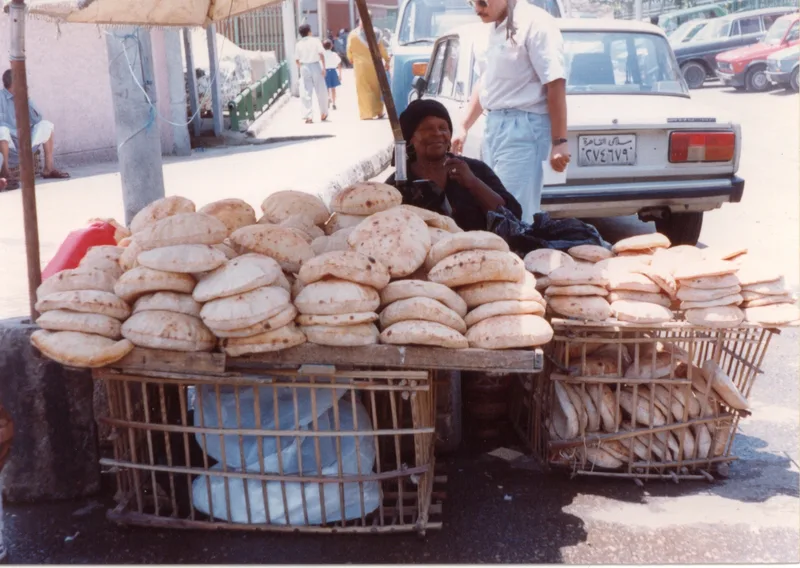
Kinacholengwa na uangalifu wote huu ni mkate bapa wa duara: aish baladi, uliookwa hadi kuwa mweusi kwa unga mkorofi, wenye malengelenge na moto kutoka tanuri linalovuma. Katika Kiarabu cha Misri neno la mkate ni aish — kihalisi «uhai» — na lugha haizidishi. Mkate wa baladi wenye ruzuku umeshikilia meza ya Wamisri kwa vizazi vingi, bei yake ikilindwa na dola kwa miongo mingi katika kiwango kinachopimwa kwa piastra, ili kaya maskini zaidi mtaani iweze kuweka mkate mezani kila siku.
Foleni ina katiba yake isiyoandikwa. Mkono uliowekwa begani huhifadhi nafasi wakati mwenyewe anakimbia kufanya jambo dogo. Mzee hupishwa mbele bila mjadala. Mwanamke aliyembeba mtoto mchanga hupewa mikate yake kwanza, na kila mtu hujifanya kwamba huo ndio ulikuwa mpangilio siku zote. Mtu hujaribu kukatiza, na foleni hulipuka, hubishana, hujadiliana na kujipanga yenyewe ndani ya dakika moja — bunge dogo, linalojitawala, linalokutana kila asubuhi bila mwenyekiti na bila kumbukumbu za mkutano.
Teknolojia imejiunga na tambiko hili. Kwa miaka sasa, ruzuku hupitia kadi mahiri: kila mwanafamilia aliyesajiliwa humpa kaya haki ya idadi maalum ya mikate ya ruzuku kwa siku, na kadi hupitishwa dirishani kabla ya mkate. Mlio mwepesi wa kisomaji cha kadi umekuwa sehemu ya sauti za foleni, pamoja na mkwaruzo wa kijiko cha mbao sakafuni mwa tanuri na swali la milele linalopigiwa kelele kutoka nyuma: «Kuna mkate au hakuna?»
Ndani, mpangilio ni sahihi kabisa. Mfanyakazi mmoja hupanga viduara vya unga kwenye kijiko kirefu cha mbao na kuvitupa motoni; mwingine hupokea mikate iliyoiva pale inapovimba na kutoa malengelenge; wa tatu huihesabu dirishani kwa kasi ambayo hakuna karani angeweza kuilinganisha, akiirusha kwenye sinia zilizonyooshwa na magazeti yaliyofunuliwa. Joto mdomoni mwa tanuri ni kali mno wakati wa kiangazi, na wanaume wanaofanya kazi hapo huifanya wakati wa saumu ya Ramadhani na alasiri za Agosti sawasawa.
Kisha huja mojawapo ya mandhari ya Kimisri kuliko zote: mkate ukiondoka. Mikate ya moto haiwezi kuwekwa mifukoni — ingetoa mvuke na kulainika — hivyo husafiri hewani wazi, ikibebwa bapa juu ya vichanja vya makuti na sinia za waya, ikiwekwa sawia vichwani, kwenye mipini ya baiskeli, kwenye paa za magari, ikitandazwa ipoe juu ya uso wowote safi ambao mtaa unaweza kutoa. Njia ya waenda kwa miguu mbele ya tanuri saa moja asubuhi ni musumeno wa mkate unaopoa na maongezi yasiyo na haraka.
Maongezi ndiyo kiini, au angalau nusu yake. Foleni ndipo mtaa hulinganisha habari: bei kwenye mkokoteni wa mboga, harusi ya Alhamisi, jirani aliyelazwa hospitalini, matokeo ya mitihani, mechi ya jana. Wateja wa kawaida hujuana maagizo na pia matatizo. Kwa wazee wanaoishi peke yao, safari ya asubuhi hadi tanuri huenda ikawa tukio kuu la kijamii la siku — mkutano wa uhakika na nyuso zinazofahamika kwa saa maalum.
Kile foleni inachofundisha ni aina fulani ya usawa mkorofi. Familia ya daktari na familia ya mlinzi wa jengo huchukua mkate uleule, dirisha lilelile, kwa bei ileile. Katika jiji lenye matabaka, mahali penye ukweli huo pamebaki pachache. Watu ambao vinginevyo wasingekutana kamwe husimama bega kwa bega, wakiunganishwa na shughuli ileile ndogo, na mkate unaotoka ni ulewule kwa wote — moto, usio mkamilifu, uliotiwa vumbi la pumba, na wa kidemokrasia kabisa.
Kufikia katikati ya asubuhi, msongamano wa kwanza umeisha; upikaji wa pili utavuta foleni fupi zaidi kabla ya chakula cha mchana. Mvulana hukimbia nyumbani na mikate imepangwa kwenye mkono wake na kadi mfukoni, pembe moja tayari imechanwa na kuliwa — kodi ambayo kila mtoto nchini Misri hukusanya njiani kurudi. Kesho, kabla ya mapambazuko, dohani itapumua tena na bunge la njia ya waenda kwa miguu litakutana upya. Maadamu linafanya hivyo, kitu cha msingi katika maisha ya kila siku ya nchi hii kinashikilia.
Habari Zinazohusiana
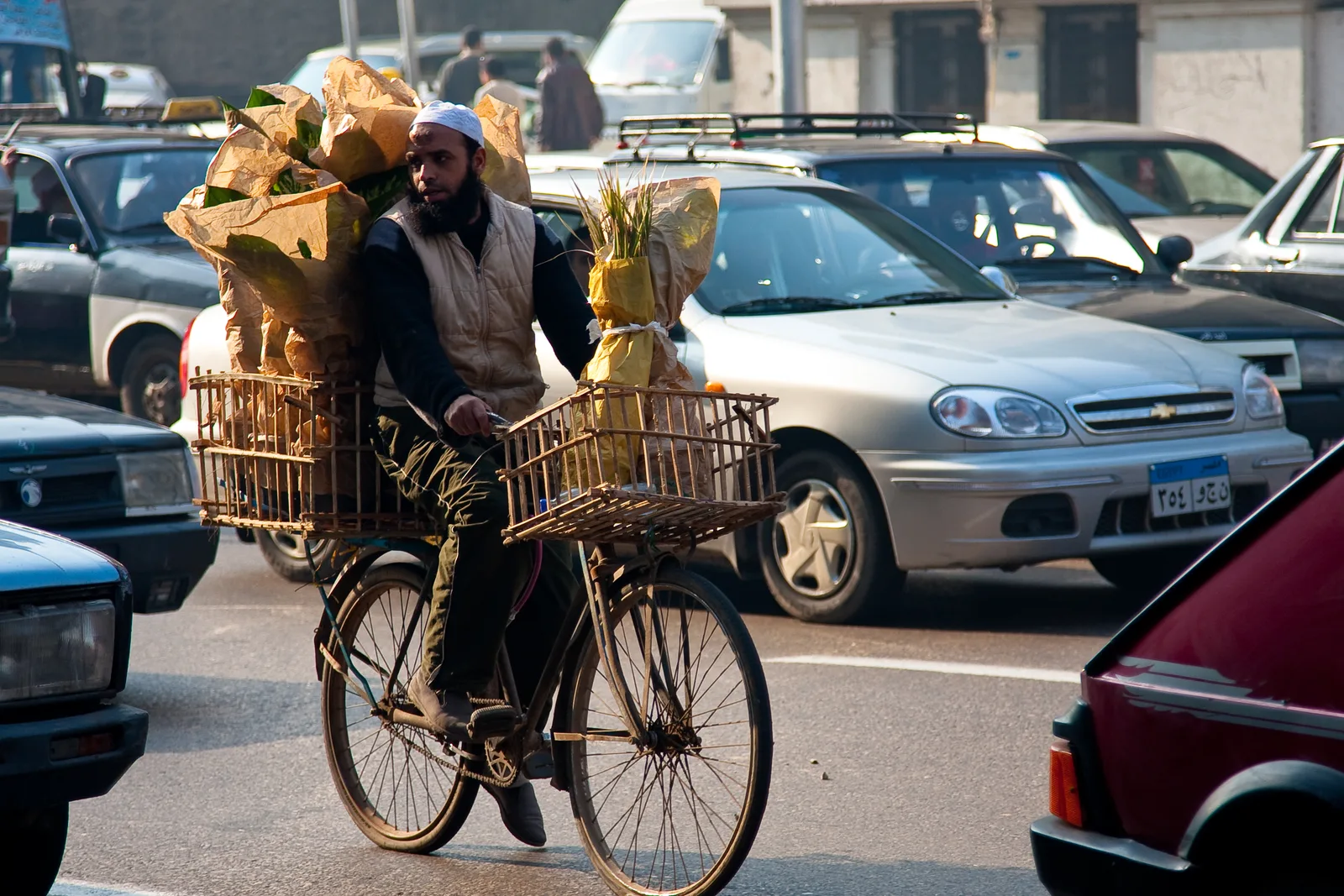
Magurudumu Mawili Katikati ya Msongamano: Baiskeli Inasimama Wapi Mitaani mwa Misri katika Siku Isiyo na Magari?
Tarehe 22 Septemba dunia inaadhimisha Siku Isiyo na Magari, huku mitaani baiskeli ikipenya kati ya mikrobasi na juu ya njia iliyochorwa ambayo gari limeegeshwa. Kutoka Cairo Bike hadi mpango wa "Baiskeli Yako, Afya Yako" hadi mvulana anayebeba sinia la mikate kichwani: ripoti kuhusu yale ambayo mpita njia yeyote anaweza kuyaona, na swali moja: baiskeli ni ya nani Misri, na kwa nini njia salama bado ni ndoto?
22 Septemba 2026 · 8 dakika za kusoma
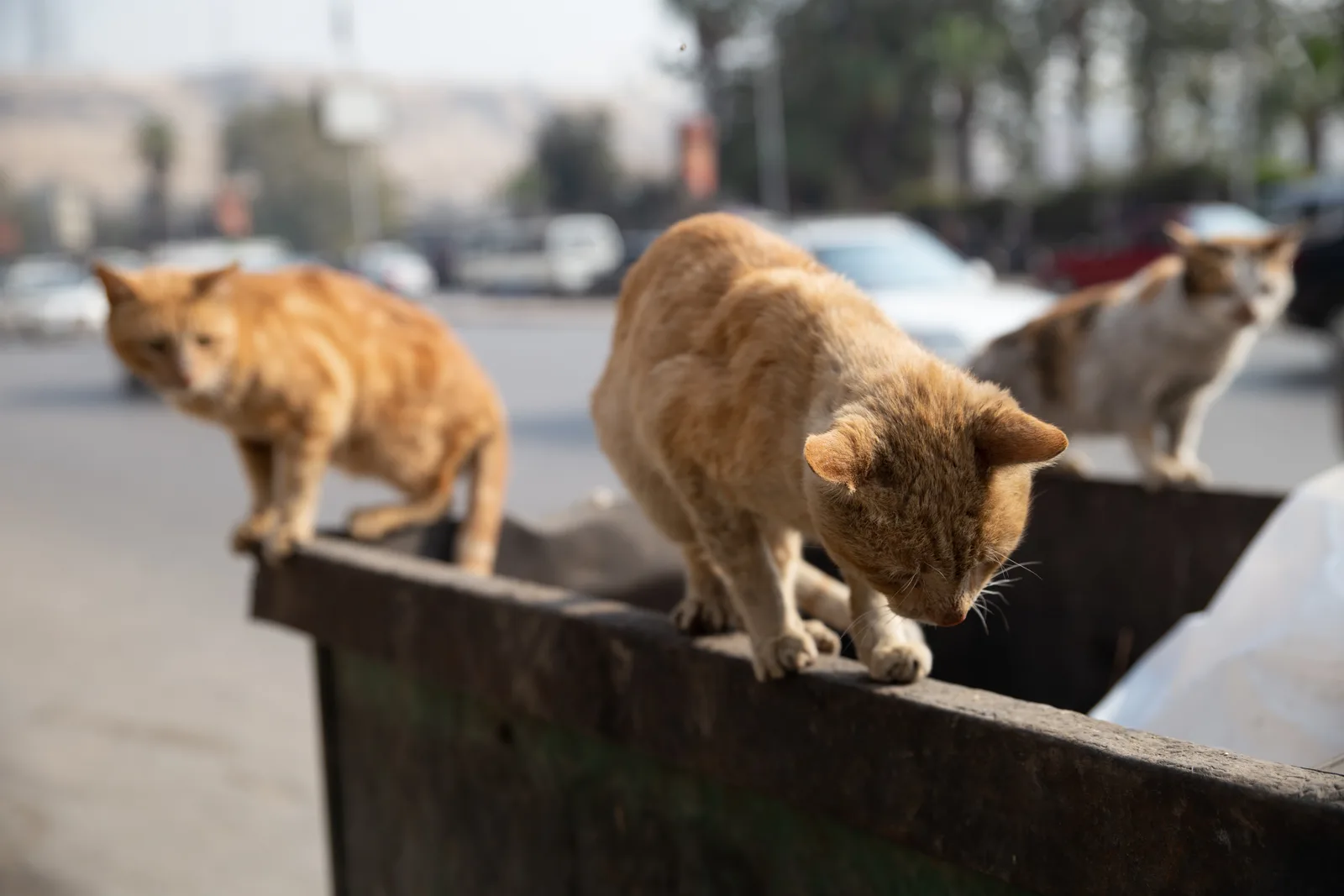
«Keda Ghalat» (Hii Si Sawa): Kudhuru Wanyama ni Kosa la Jinai Chini ya Sheria ya Adhabu ya Misri Tangu 1937
Jirani anaweka bakuli za sumu karibu na ukuta wa shule, na mmiliki wa mkokoteni anampiga punda wake usoni chini ya mzigo mzito kupita kiasi. Wengi hudhani «ni mnyama tu» maana yake hakuna sheria inayomlinda. Ukweli ni kwamba Ibara za 355, 356 na 357 za Sheria ya Adhabu zinaadhibu kuua, kutia sumu na kudhuru wanyama kwa adhabu zinazofikia kifungo jela. Katika usiku wa kuamkia Siku ya Wanyama Duniani, tunaeleza sheria inasema nini.
3 Oktoba 2026 · 6 dakika za kusoma

Oktoba ya waridi: uchunguzi wa bure – kwa nini ugunduzi wa mapema unabadilisha hatima ya mwanamke wa Misri
“Sina maumivu” si sababu ya kuahirisha. Tangu Julai 2019, vituo vya afya nchini Misri vimekuwa vikifungua milango yake bure kwa kila mwanamke mwenye umri wa miaka 18 na zaidi, na kufikia Juni 2026 idadi ya kesi zinazogunduliwa katika hatua za mwisho ilishuka kutoka asilimia 60 hadi 19.5. Tunaeleza yanayotokea kituo cha afya, dalili zinazohitaji ziara, na kwa nini woga unachelewesha uchunguzi huu muhimu.
2 Oktoba 2026 · 7 dakika za kusoma