Kadi ya chanjo ya mtoto wako: Ngao ya bure inayomlinda maisha yote
Chanjo za lazima nchini Misri hutolewa bure katika vituo vya afya, na chanjo ndiyo njia iliyofanikiwa zaidi ambayo sayansi imewahi kuthibitisha ya kuwakinga watoto dhidi ya magonjwa yaliyokuwa yakiwaangamiza. Haya ndiyo yote ambayo wazazi wanahitaji kuyajua kuhusu ratiba ya chanjo na kadi ya mtoto, ukweli kuhusu athari zake za pembeni, na cha kufanya ikiwa dozi imepitwa.
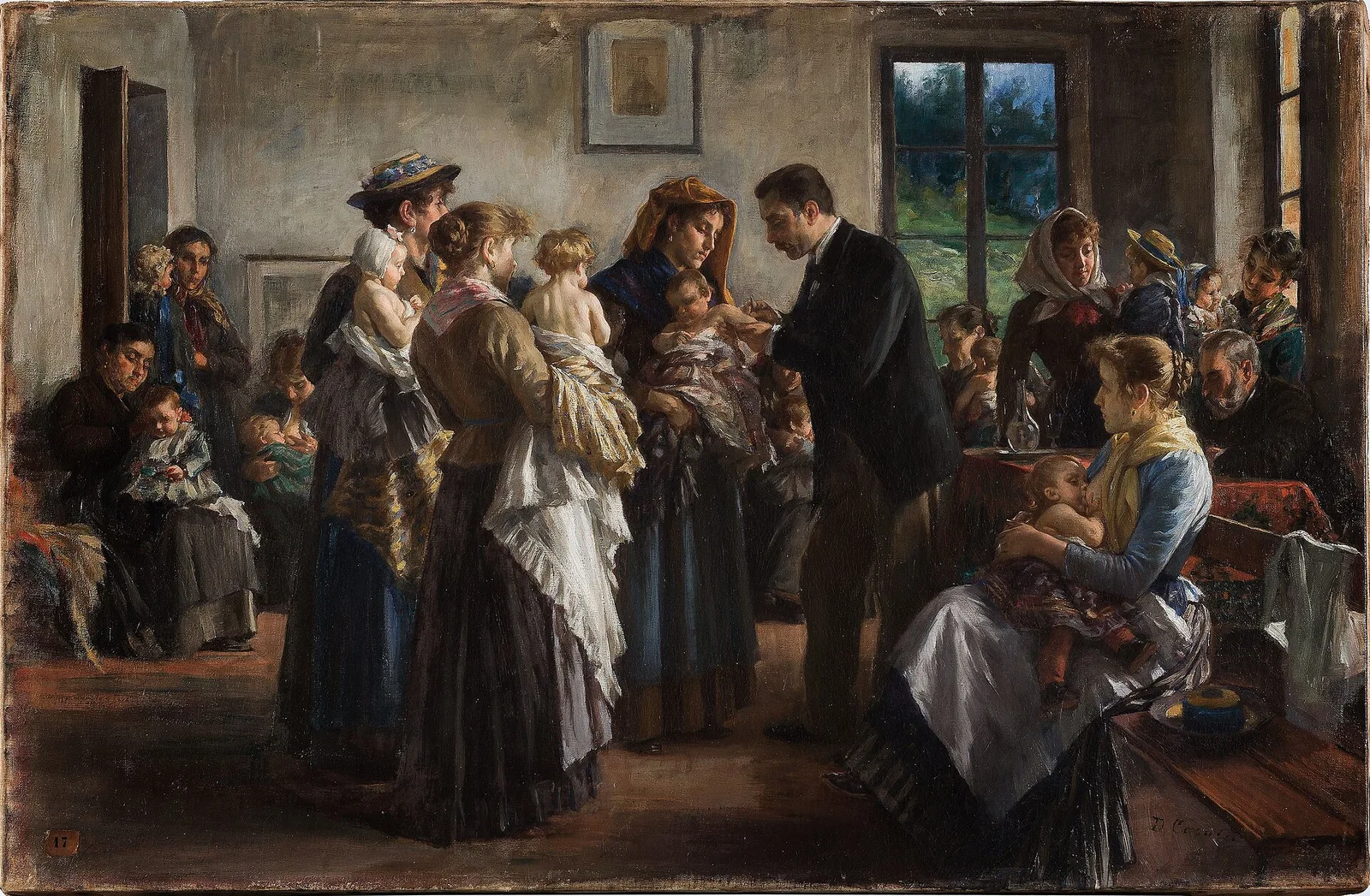
Miongoni mwa yote ambayo tiba ya kisasa imefanikisha, chanjo inabaki mstari wa mbele bila mpinzani: kwa makadirio ya Shirika la Afya Duniani, chanjo huokoa mamilioni ya maisha kila mwaka duniani kote, na imegeuza magonjwa yaliyokuwa yakiwaua watoto au kuwalemaza maisha yao yote kuwa kumbukumbu katika vitabu vya historia ya tiba. Nchini Misri, mpango wa chanjo za lazima umekuwa ukiendeshwa kwa miongo mingi, bila malipo kabisa, kupitia mtandao wa ofisi za afya na vituo vya afya vilivyoenea katika kila mtaa na kila kijiji.
Wazo lenyewe la chanjo ni rahisi na la busara: mfumo wa kinga wa mtoto hutambulishwa kwa kimelea kilichodhoofishwa au kilichouawa — au sehemu yake tu — ili ujifunze kukipinga na ubaki na kumbukumbu ya ulinzi; hivyo, siku ugonjwa halisi utakaposhambulia, utakuta jeshi lililo tayari. Ni mazoezi salama kabla ya vita halisi, ambavyo mwili hupigana bila kulipa gharama ya ugonjwa wenyewe.
Safari ya chanjo ya kila mtoto wa Misri huanzia ofisi ya afya wakati wa kutolewa kwa cheti cha kuzaliwa: hapo hupewa “kadi ya chanjo”, ambamo kila dozi anayopata na tarehe yake huandikwa. Kadi hii ni hati inayopaswa kuhifadhiwa kwa uangalifu sawa na cheti cha kuzaliwa chenyewe: ndiyo rejea wanayoitegemea madaktari, shule itaidai wakati wa kuandikisha mtoto, na inaweza kuhitajika safarini au katika klabu za michezo. Kuipoteza si mwisho wa dunia — unaweza kupata taarifa kutoka ofisi ya afya ambako mtoto amesajiliwa — lakini kuihifadhi hukuokoa taabu kubwa.
Ratiba ya kitaifa ya chanjo nchini Misri inashughulikia magonjwa hatari zaidi ya utotoni. Huanza wakati wa kuzaliwa kwa chanjo za kwanza, miongoni mwazo chanjo ya BCG dhidi ya kifua kikuu — ile sindano ya mkononi inayoacha alama yake maarufu — na chanjo dhidi ya homa ya ini. Kisha, katika miezi ya mwanzo ya maisha, hufuatana dozi baada ya dozi: matone ya polio na chanjo mseto zinazokinga kwa sindano moja dhidi ya magonjwa kadhaa kwa wakati mmoja, kama dondakoo, pepopunda na kifaduro. Baada ya mwaka wa kwanza kukamilika huja chanjo ya virusi mara tatu dhidi ya surua, matubwitubwi na rubela, pamoja na dozi za nyongeza. Rejea sahihi ya tarehe ni kadi yenyewe na daktari wa ofisi ya afya: ndio wanaojua kwanza mabadiliko yoyote yanayofanyika kwenye ratiba.
Historia ya polio peke yake inatosha kuwa ushahidi wa thamani ya chanjo: ugonjwa uliokuwa ukiwaacha maelfu ya watoto na ulemavu wa kudumu haujaripotiwa nchini Misri kwa virusi vyake vya asili tangu katikati ya muongo wa kwanza wa karne hii, kutokana na chanjo za mara kwa mara na kampeni za kitaifa. Ndiyo maana, timu ya kampeni ya kitaifa inapogonga mlango kutoa matone ya polio, jibu sahihi daima ni ndiyo — hata kama mtoto amekwisha pata dozi zake zote. Dozi za ziada ni salama kabisa, na ndizo zinazoifanya kinga ya jamii kuwa ngome imara inayozuia virusi kurudi kutoka nje.
Je, vipi kuhusu madhara yanayowatia wasiwasi akina mama? Yale yanayozoeleka ni hafifu, ya kawaida na hata ya kutia moyo: homa kidogo, wekundu au maumivu mahali pa sindano, pamoja na hasira kidogo na kukosa hamu ya kula kwa siku moja au mbili. Hizi ni ishara kwamba mfumo wa kinga unafanya kazi na unajizoeza. Yanaweza kushughulikiwa kwa vitambaa vya maji na dawa ya kushusha homa kwa kipimo anachokiamua daktari. Madhara makali ni nadra mno; na yakitokea homa kali inayoendelea au mzio mkubwa, kanuni ni kumwona daktari mara moja.
Na katika zama za uvumi, ni lazima kusemwa wazi: madai yaliyounganisha chanjo na tatizo la usonji yalitokana na utafiti mmoja tu ambao ulithibitika kuwa wa kughushi, ukaondolewa katika machapisho, na mwandishi wake akanyang’anywa leseni ya kufanya kazi ya udaktari; kisha tafiti kadhaa kubwa zilizohusisha mamilioni ya watoto zilichunguza uhusiano huo na hazikupata dalili yoyote. Vivyo hivyo, kauli isemayo “ugonjwa wa asili hutoa kinga imara zaidi” ni kamari ya hasara: ni kweli kwamba maambukizi yanaweza kuacha kinga, lakini gharama yake inaweza kuwa madhara ya surua kwenye ubongo au ulemavu wa kudumu wa polio — ilhali chanjo hutoa kinga hiyo bila kulipa gharama hiyo.
Na ikiwa dozi imepitwa kwa sababu ya safari, ugonjwa au dharura isiyoepukika, hakuna haja ya hofu wala ya kuahirisha bila mwisho: ratiba za chanjo zimeundwa ili iwezekane kufidia, na kanuni ya kitabibu ni kwamba dozi zilizopita hukamilishwa kuanzia pale zilipoishia, bila kuanza mfululizo upya tangu mwanzo. Jambo sahihi ni kwenda ofisi ya afya na kadi mapema iwezekanavyo ili daktari aweke mpango wa kufidia.
Kunabaki upande wa mwisho unaovuka mtoto wako hadi watoto wa wengine: kinga ya jamii. Kila mtu anapopata chanjo, kimelea hushindwa kusambaa, na hivyo hutengenezwa mwavuli unaowalinda hata wale wasioweza kupata chanjo — watoto wachanga ambao muda wao haujafika, na watoto wenye magonjwa yanayozuia kuchanjwa. Kwa hiyo kumchanja mtoto wako si kumlinda yeye peke yake, bali ni kuchangia ukingo unaowalinda watoto dhaifu zaidi katika jamii.
Muhtasari wa vitendo kwa wazazi: hifadhi kadi mahali salama na uipige picha kama nakala ya akiba; zingatia tarehe zilizoandikwa ndani yake; muulize daktari wa ofisi ya afya kila kinachokutatiza badala ya kutegemea kurasa za mitandao ya kijamii; andika tarehe ya dozi inayofuata kwenye simu yako mara tu baada ya kila ziara; na karibisha kampeni za kitaifa za chanjo kila zinapogonga mlango. Dakika chache za kujitolea katika miaka ya mwanzo humnunulia mtoto wako ngao itakayoambatana naye maisha yake yote.
Habari Zinazohusiana
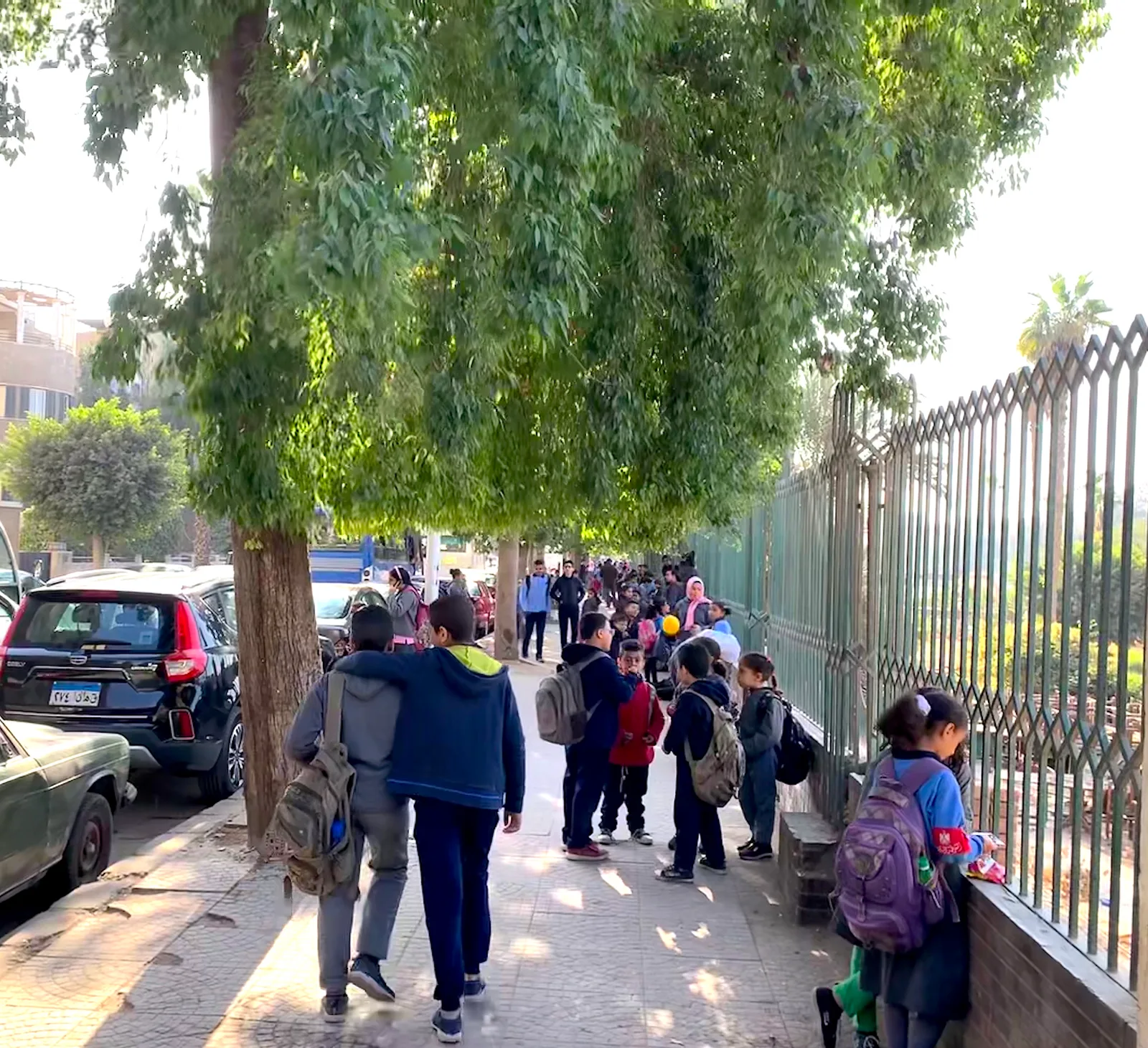
Mkoba Mzito Kuliko Mtoto: Mkoba wa Shule Unapaswa Kuwa na Uzito Gani, na Unawezaje Kulinda Mgongo wa Mtoto Wako?
Wiki ya kwanza ya shule ikianza, swali moja hurudiwa katika kila nyumba: mgongo wa mtoto unaweza kubeba kilo ngapi? Tunaeleza "kanuni ya asilimia 15" ya Chuo cha Marekani cha Madaktari wa Watoto, utafiti wa Misri wa Menouf ulioonyesha kuwa robo tatu ya wanafunzi wanalalamikia maumivu ya mgongo, kisha njia ya kupima kwa mzani wa bafuni na hatua rahisi za kila siku za kupunguza mzigo kabla haujageuka kuwa maumivu ya maisha yote.
15 Septemba 2026 · 7 dakika za kusoma
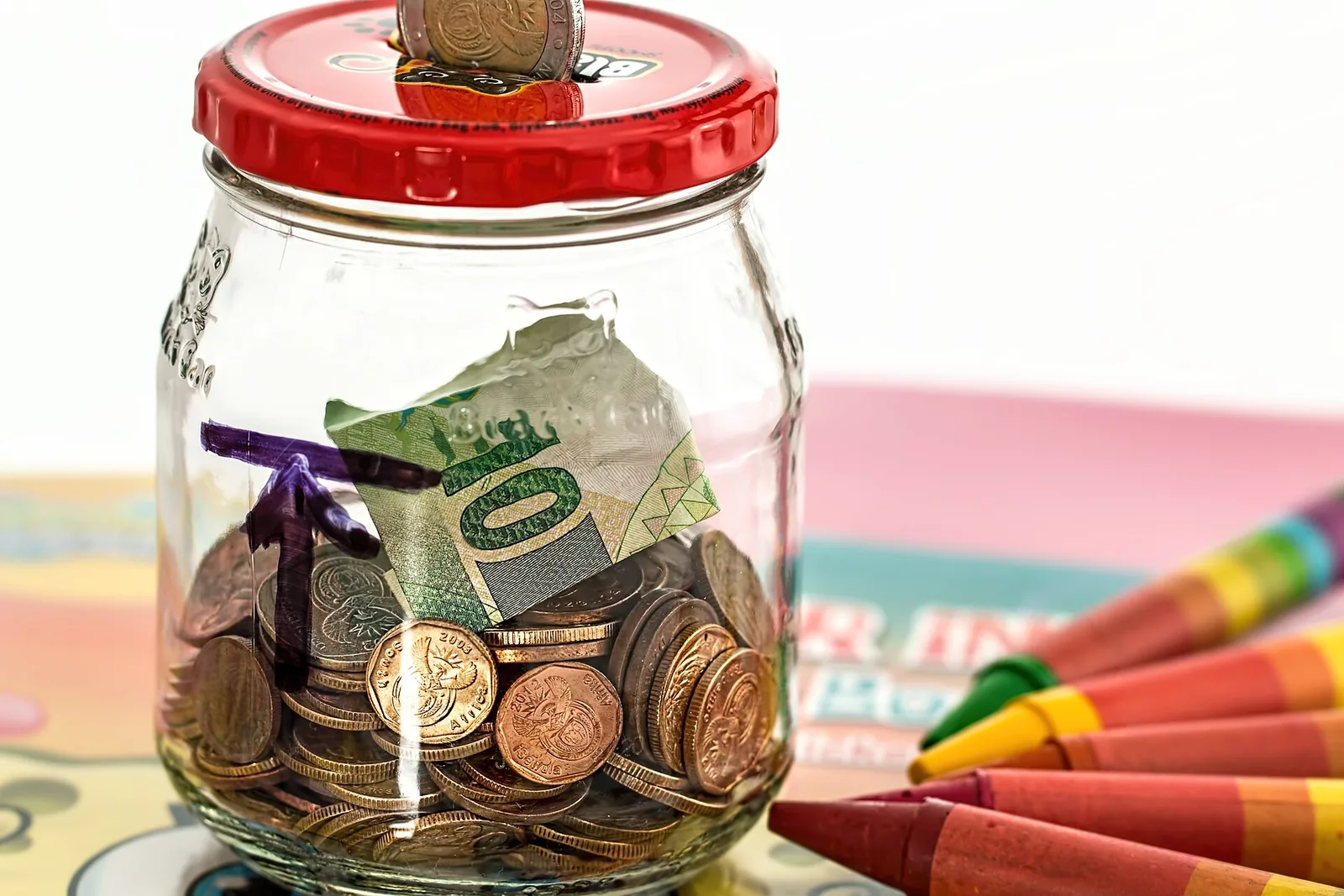
Pesa ya mfukoni ni somo la kwanza la uchumi: Unamfundishaje mtoto wako thamani ya fedha na akiba?
Kabla ya aljebra na jiometri, mtoto wako hupata masomo yake ya kwanza ya uchumi mlangoni pa kibanda cha duka na ndani ya kibubu chake kidogo. Huu ni mwongozo wa vitendo kwa kila rika: lini uanze kumpa pesa ya mfukoni, jinsi ya kuigawa kati ya matumizi, akiba na kutoa, na kwa nini kamwe haifai kuifungamanisha na alama za shule wala kuigeuza kuwa silaha ya adhabu.
3 Septemba 2026 · 7 dakika za kusoma
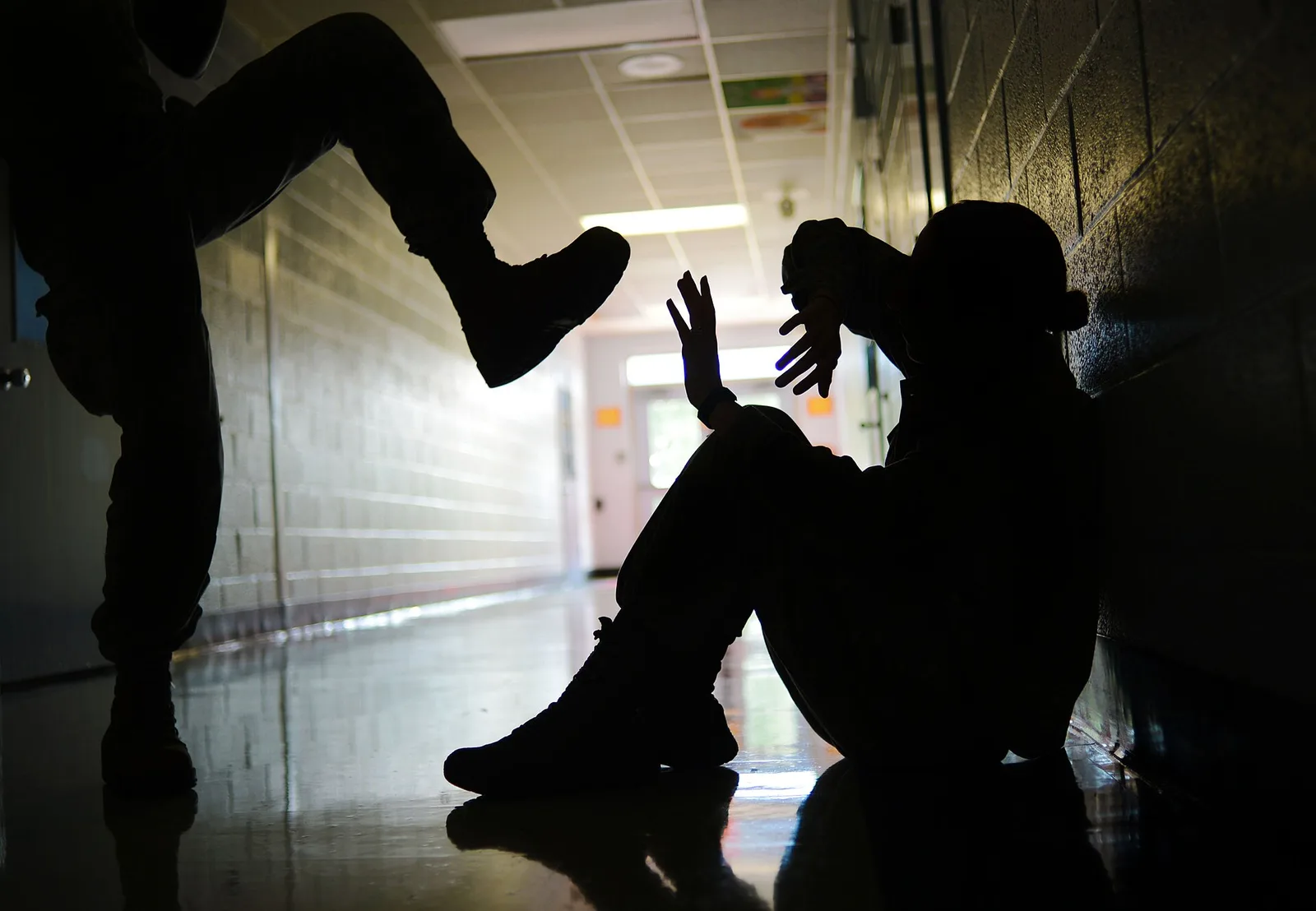
Uonevu miongoni mwa watoto: Jinsi ya kumlinda mwanao awe mwathirika, shahidi au mwonevu
Ni lini ugomvi wa mapumziko hugeuka kuwa uonevu? Mwongozo wa vitendo kwa wazazi: ishara za kimya ambazo mtoto huzificha, mazungumzo salama yanayoufungua moyo wake, hatua zenye kumbukumbu za kuizungumzia shule, na mbadala halisi wa ushauri wa “mrudishie kipigo” — na ufanye nini iwapo mwanao ndiye mwonevu, bila kumfedhehesha wala kukanusha.
27 Agosti 2026 · 8 dakika za kusoma