Faili la Bwawa la GERD Kwa Mujibu wa Nyaraka: Misri, Sudan na Ethiopia Kila Nchi Inataka Nini?
Tangu mwaka 2011, suala la Bwawa Kuu la Ufufuo la Ethiopia (GERD) limepitia mazungumzo ya pande tatu, Umoja wa Afrika na Baraza la Usalama la Umoja wa Mataifa. Mwongozo usioegemea upande wowote kuhusu madai halisi ya Misri, Sudan na Ethiopia — na kwa nini makubaliano yanayofunga kisheria bado hayajapatikana.
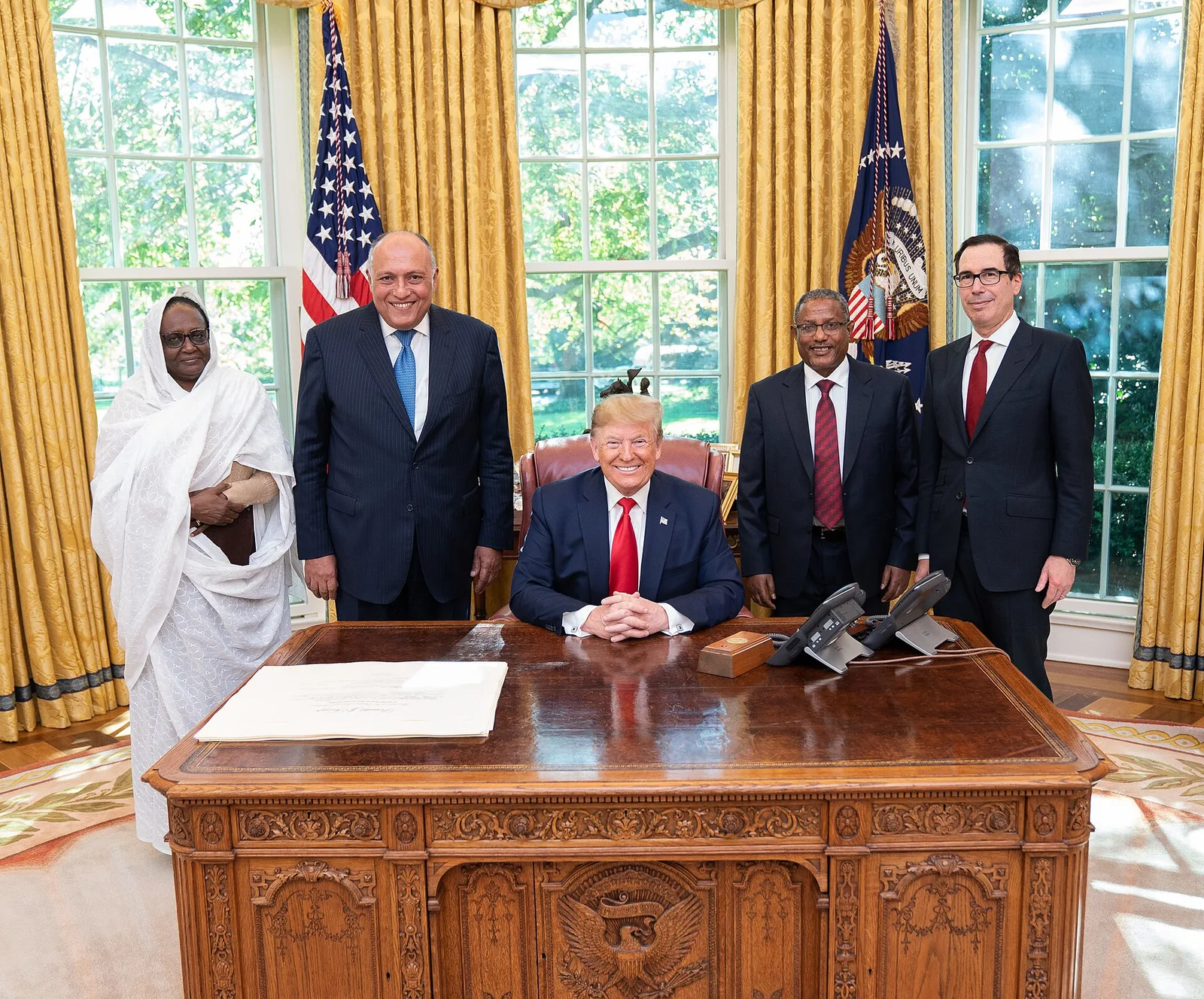
Ni faili chache katika diplomasia ya Afrika zilizozua mazungumzo, upatanishi na habari nyingi kama faili la Bwawa Kuu la Ufufuo la Ethiopia, mradi mkubwa wa umeme wa maji ambao Ethiopia imeujenga kwenye Mto Nile wa Bluu. Tangu kutangazwa kwa kuanza kwa ujenzi mwaka 2011, bwawa hilo limejadiliwa katika kamati za pande tatu, katika mikutano ya wakuu wa nchi na katika Umoja wa Afrika, na hata likafika kwenye Baraza la Usalama la Umoja wa Mataifa. Hata hivyo, mara nyingi faili hili hupunguzwa hadi kuwa kaulimbiu tu. Kulielewa ipasavyo ni kujua kila moja ya nchi hizo tatu — Misri, Sudan na Ethiopia — imesema hasa inataka nini, na wapi misimamo hiyo iliyoandikwa inagongana.
Bwawa liko kwenye Mto Nile wa Bluu katika eneo la Benishangul-Gumuz nchini Ethiopia, umbali wa takriban kilomita kumi na tano kutoka mpaka wa Sudan. Ni mradi mkubwa zaidi wa umeme wa maji barani Afrika, uliobuniwa kuzunguka hifadhi yenye uwezo wa kuhifadhi takriban mita za ujazo bilioni 74 za maji. Eneo lilipo lina umuhimu sawa na ukubwa wake: Mto Nile wa Bluu, unaoanzia katika nyanda za juu za Ethiopia, hutoa sehemu kubwa zaidi ya maji yanayofika hatimaye Sudan na Misri. Kwa hiyo, yanayotokea katika sehemu hii ya mto huhisiwa, moja kwa moja au kwa njia isiyo ya moja kwa moja, katika bonde lote lililo chini ya mkondo.
Msimamo wa Ethiopia, ambao umetangazwa bila kubadilika kwa zaidi ya muongo mmoja, umesimama kwenye nguzo mbili: maendeleo na mamlaka ya nchi. Makumi ya mamilioni ya Waethiopia wanaishi bila umeme, na Addis Ababa inaliwasilisha bwawa kama injini ya ukuaji wa viwanda na ya kusambaza umeme vijijini, likigharimiwa kwa kiasi kikubwa na rasilimali za ndani, ikiwa ni pamoja na kampeni za hatifungani za wananchi. Maafisa wa Ethiopia wanasisitiza kuwa bwawa la umeme wa maji halitumii maji bali huyapitisha kwenye mitambo ya kufua umeme, na wanakataa mikataba ya Mto Nile iliyotiwa saini enzi za ukoloni ambayo Ethiopia haikuwa mwanachama wake. Katika masimulizi yao, mradi huu ni haki ya kitaifa inayotekelezwa kwenye ardhi ya Ethiopia, bila nia — kama wanavyosema — ya kuwadhuru majirani walio chini ya mkondo.
Msimamo wa Misri unaanzia kwenye ukweli wa kijiografia usio wa kawaida: Misri ni miongoni mwa nchi zinazotegemea zaidi chanzo kimoja cha maji duniani, kwani hupata kutoka Mto Nile sehemu kubwa mno ya maji yake safi wakati mvua zake ni chache mno. Kairo inategemea mkataba wa mwaka 1959 uliotiwa saini na Sudan, ambao uliipa Misri mita za ujazo bilioni 55.5 kwa mwaka, na inazungumzia haki za kihistoria zilizojengeka kwa maelfu ya miaka ya makazi kandokando ya mto. Misri inasema haipingi maendeleo ya Ethiopia kimsingi; lakini ambacho imekidai katika kila duru ya mazungumzo ni mkataba wa kisheria wenye nguvu ya kubana unaosimamia ujazaji wa bwawa na uendeshaji wake, hasa katika miaka ya ukame.
Msimamo wa Sudan ulioandikwa ndio wenye tabaka nyingi zaidi kati ya misimamo mitatu. Maafisa wa Sudan wamekiri manufaa yanayoweza kupatikana: Mto Nile wa Bluu wenye mtiririko wa kawaida unaweza kupunguza mafuriko ya msimu yanayoharibu, na bwawa linaweza kutoa umeme. Wakati huohuo, Khartoum imeendelea kuibua wasiwasi kuhusu usalama na uratibu, kwa sababu bwawa la Sudan la Roseires liko umbali mfupi chini ya bwawa la Ethiopia, na uendeshaji wake unategemea kujua kiasi cha maji ambacho bwawa la Ethiopia litaachia na wakati gani. Kwa hiyo Sudan imesimama pamoja na Misri katika kudai mfumo wa kisheria wenye nguvu ya kubana unaogusa uendeshaji na ubadilishanaji endelevu wa taarifa.
Kumbukumbu za mazungumzo zinaanzia miaka ya kwanza ya mradi. Jopo la Kimataifa la Wataalamu, lililojumuisha wajumbe kutoka nchi zote tatu, lilipitia nyaraka za bwawa na mwaka 2013 likapendekeza tafiti za ziada kuhusu athari zake kwa nchi mbili zilizo chini ya mkondo. Hatua muhimu zaidi ilifika Machi 2015, wakati viongozi wa Misri, Sudan na Ethiopia walipotia saini Tamko la Kanuni za Msingi mjini Khartoum. Tamko hilo liliziwajibisha nchi hizo tatu kwa kanuni zinazofahamika katika sheria za kimataifa za maji: ushirikiano, matumizi ya haki na yenye busara, kuepuka kusababisha madhara makubwa, na kukubaliana kuhusu kanuni za ujazaji wa kwanza wa hifadhi na uendeshaji wake wa kila mwaka.
Lakini kugeuza kanuni hizo kuwa mkataba wa uendeshaji kulionekana kuwa kugumu zaidi. Mwishoni mwa mwaka 2019 nchi hizo tatu ziliingia katika mazungumzo yaliyoandaliwa mjini Washington, huku Wizara ya Fedha ya Marekani na Benki ya Dunia zikiwa waangalizi; rasimu ya makubaliano iliandaliwa, lakini Ethiopia haikuhudhuria kikao cha mwisho wala haikutia saini, ikieleza kuwa rasimu hiyo haikuwa na uwiano. Kisha mazungumzo yakahamia njia ya Umoja wa Afrika chini ya wenyeviti waliofuatana. Mwaka 2021 Baraza la Usalama la Umoja wa Mataifa lilishughulikia suala hilo na kutoa taarifa ya mwenyekiti iliyozihimiza pande husika kurejea kwenye mazungumzo yanayoongozwa na Umoja wa Afrika ili kufikia mkataba unaokubalika kwa wote — likiliacha suala hilo, rasmi, mikononi mwa Waafrika.
Kwa upande wa uhalisia, Ethiopia iliendelea peke yake kujaza hifadhi ya maji, ikitekeleza hatua zilizofuatana wakati wa misimu ya mvua tangu mwaka 2020 na kutangaza kukamilika kwa kila hatua mwaka baada ya mwaka. Mitambo ya kwanza ya bwawa ilianza kuzalisha umeme mwaka 2022, Ethiopia ikatangaza kukamilika kwa ujazaji mwaka 2023, kisha mradi ukazinduliwa rasmi Septemba 2025. Misri na Sudan zilipinga kila hatua ya upande mmoja kupitia barua kwa Baraza la Usalama, zikieleza kuwa kujaza na kuendesha bwawa bila mkataba wenye nguvu ya kubana kunakiuka Tamko la Kanuni za Msingi la mwaka 2015. Ethiopia ilikataa tafsiri hiyo na kusisitiza kuwa ujazaji haukusababisha madhara yaliyothibitishwa katika nchi zilizo chini ya mkondo.
Ukiacha kando maneno ya kisiasa, kiini cha mzozo ni cha kisheria zaidi kuliko cha kihaidrolojia. Misri na Sudan zinataka mkataba wenye nguvu ya kubana wenye taratibu bayana za ukame — kanuni zinazoainisha kiasi cha maji ambacho bwawa lazima liachie iwapo ukame wa muda mrefu utatokea wakati bwawa likiendeshwa — pamoja na utaratibu wa lazima wa kutatua migogoro. Ethiopia kwa upande wake inapendelea miongozo inayonyumbulika ambayo inaweza kuirekebisha yenyewe, ikihoji kuwa wajibu wa lazima wa kuachia maji kwa vitendo ni sawa na kutambua mgao maalum wa maji kwa nchi zilizo chini ya mkondo, na kwamba unaweza kubana miradi ya baadaye katika sehemu za juu za mto. Kila duru ya mazungumzo iliyovunjika hatimaye iligonga mgawanyiko huohuo kati ya mkataba na miongozo.
Basi ujazaji unamaanisha nini hasa kwa nchi mbili zilizo chini ya mkondo? Hapa, kwa uaminifu, inawezekana tu kunukuu misimamo iliyoandikwa. Maafisa wa Misri wameonya kuwa ukame unaodumu miaka kadhaa wakati bwawa likiendeshwa, bila kanuni zilizokubaliwa, unaweza kulazimisha upunguzaji mchungu wa maji yanayofika mashambani na mijini Misri. Maafisa wa Ethiopia wanajibu kuwa hatua za ujazaji zilifanyika katika misimu ya mvua na, kwa tathmini yao, hazikusababisha upungufu unaoonekana chini ya mkondo. Mamlaka za Sudan wakati mwingine ziliripoti mtiririko wa maji uliokuwa wa kawaida zaidi, na wakati mwingine zililalamikia mabadiliko yasiyotangazwa yaliyofanya uendeshaji wa mabwawa yao kuwa mgumu. Tathmini huru ya muda mrefu bado inategemea kwa kiasi kikubwa mvua za miaka ijayo.
Mazingira mapana ya kisheria yanaeleza kwa nini ni vigumu kufikia makubaliano. Hakuna mkataba jumuishi unaozibana nchi zote kumi na moja za bonde la Mto Nile. Mkataba wa Mfumo wa Ushirikiano, unaoungwa mkono na nchi za juu za mto, umekataliwa na Misri na Sudan kwa sababu ya lugha inayohusu usalama wa maji na taarifa ya awali. Sheria za kimataifa za maji zinatoa kanuni mbili zilizo katika mvutano wa kudumu: matumizi ya haki na yenye busara ya mto wa pamoja, ambayo nchi za juu ya mto zinasisitiza, na wajibu wa kutosababisha madhara makubwa, ambao nchi zilizo chini ya mkondo zinasisitiza. Kwa msingi wake, faili la bwawa ni mtihani wa jinsi ya kusawazisha kanuni hizi mbili.
Kwa hiyo faili hili linabaki wazi hata baada ya bwawa kuzinduliwa, kwa sababu uendeshaji — si ujenzi — ndipo maslahi ya nchi hizo tatu yatakapokutana mwaka baada ya mwaka. Yaliyoko hatarini si mambo ya kinadharia: usalama wa maji kwa Wamisri zaidi ya milioni mia moja, matarajio ya umeme na maendeleo kwa idadi kama hiyo ya Waethiopia, na usalama pamoja na kilimo cha Sudan katikati yao. Iwe mwisho wake ni mkataba wenye nguvu ya kubana, uratibu usio rasmi au mkwamo unaoendelea, kufuatilia habari hii kwa usahihi kunaanza kwa kujua kila mji mkuu umeweka nini hasa mezani — na hicho ndicho hasa faili hili limejaribu kuonyesha.
Habari Zinazohusiana
Shimo Angani Lililopona kwa Mkataba: Itifaki ya Montreal na Mchango wa Misri katika Kuokoa Tabaka la Ozoni
Tarehe 16 Septemba, dunia huadhimisha Siku ya Kimataifa ya Kuhifadhi Tabaka la Ozoni, kumbukumbu ya mkataba ulioridhiwa na kila nchi duniani na ambao kwa hakika ulifanikiwa. Kuanzia karatasi ya kisayansi ya 1974 hadi kusainiwa Montreal 1987, kuridhiwa mapema na Misri 1988 hadi Marekebisho ya Kigali 2023: hadithi ya mtungi wa gesi ya kupoza mikononi mwa fundi, na sababu wanasayansi wanatarajia anga kupona kufikia 2040.
16 Septemba 2026 · 7 dakika za kusoma
Jumuiya ya Nchi za Kiarabu: Nyumba ya Waarabu Yenye Madirisha Yanayochungulia Uwanja wa Tahrir
Hatua chache kutoka Uwanja wa Tahrir imesimama “Nyumba ya Waarabu”: mojawapo ya jumuiya kongwe za kikanda duniani, iliyozaliwa Cairo kabla hata ya Mkataba wa Umoja wa Mataifa. Mikutano yake ya kilele na Sekretarieti yake hufanya kazi vipi? Kwa nini maazimio yake huwafunga tu wanaoyakubali? Na kisa cha kuhamia Tunis kisha kurudi Cairo ni kipi? Hii ni ziara ndani ya jirani mkongwe tunayempita kila siku bila kumfahamu.
2 Septemba 2026 · 7 dakika za kusoma
Chini ya Dari ya Buluu: Umoja wa Mataifa Unafanya Kazi Vipi, na Nani Ana “Veto” Katika Baraza la Usalama?
Kila mgogoro unapolipuka husikia kwamba Baraza la Usalama limekutana na kwamba nchi fulani imepiga “veto”. Lakini ni nini hasa kinachotokea chini ya dari ya buluu? Ni safari kutoka ukumbi wa Baraza Kuu hadi meza ile yenye umbo la kiatu cha farasi: azimio la Umoja wa Mataifa huzaliwaje, hulazimu lini, hufutwaje kwa neno moja tu, na kiti cha Misri kiko wapi katika picha hii?
26 Agosti 2026 · 8 dakika za kusoma