Mto mmoja, mataifa kumi na moja: Kuelewa diplomasia ya Bonde la Mto Nile
Misri hupata zaidi ya asilimia tisini ya maji yake safi kutoka Mto Nile, huku ikiwa nchi ya mwisho kabisa kwenye mkondo wa mto unaogawanywa na mataifa kumi na moja. Kuanzia mikataba ya 1929 na 1959 hadi Mpango wa Bonde la Nile na Bwawa Kuu la Mwamko la Ethiopia (GERD), hii ndiyo ramani ya sheria, maslahi na mazungumzo katika mojawapo ya masuala makuu ya usalama wa taifa kwa Misri na ulimwengu wa Kiarabu.
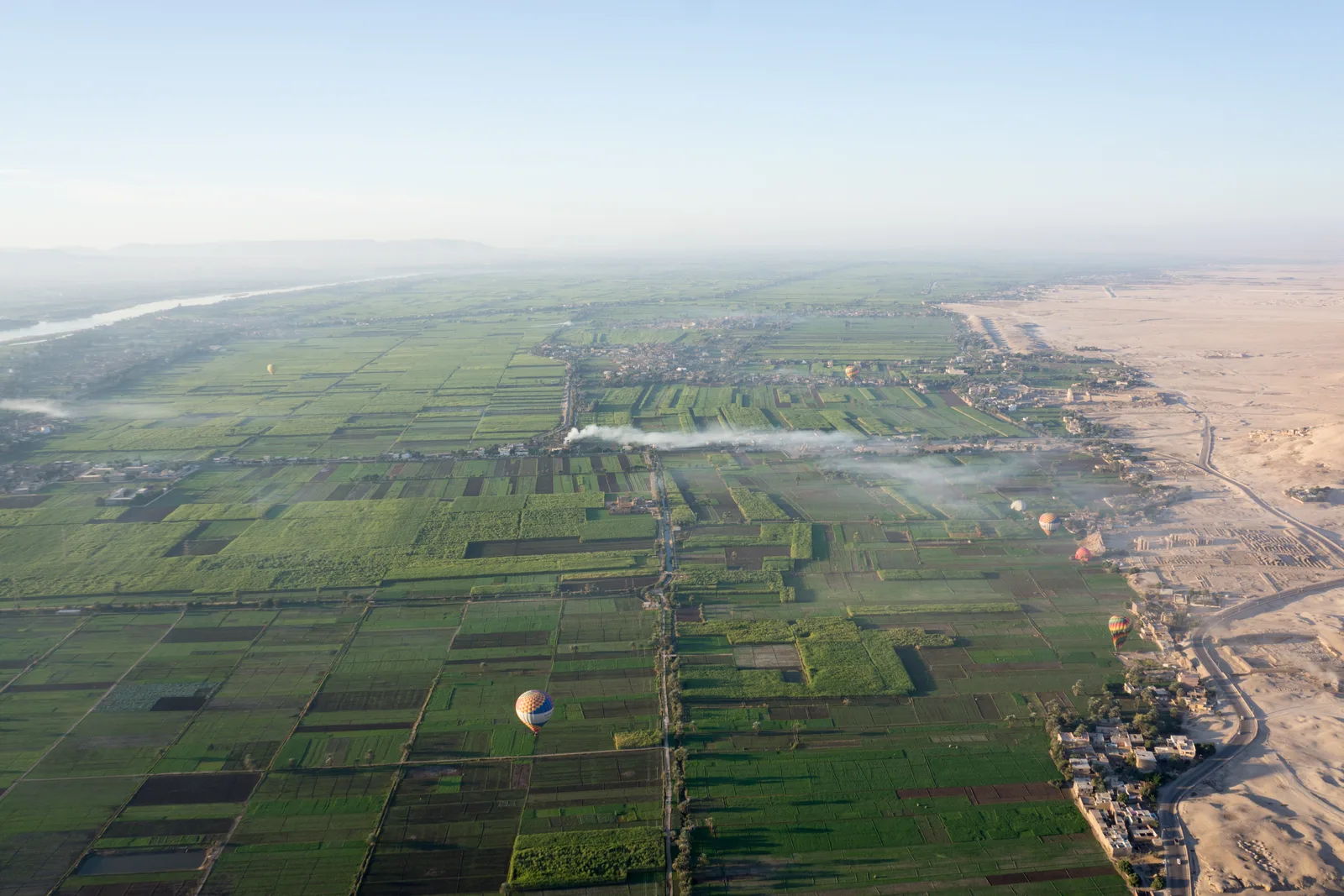
Nile si mto tu unaopita nchini Misri; ni sababu ya kuwepo kwa taifa hilo, kama alivyoeleza mwanahistoria wa Kigiriki Herodoto alipoiita nchi hiyo “zawadi ya Nile”. Leo bonde la mto huo linashirikiwa na nchi kumi na moja, kuanzia maziwa ya ukanda wa ikweta barani Afrika hadi Bahari ya Mediterania, na Misri iko mwisho kabisa wa mkondo, ikitegemea mto huo kwa zaidi ya sehemu tisa kati ya kumi za maji safi yanayojirudia. Ndiyo maana diplomasia ya bonde hili ni suala la kuwepo au kutokuwepo kwa maana halisi ya neno.
Mto huo una urefu wa takribani kilomita 6,650, jambo linaloufanya kuwa mrefu kuliko mito yote duniani au miongoni mwa mirefu zaidi, nao unalishwa na matawi mawili makuu: Nile Nyeupe inayoshuka kutoka maziwa ya uwanda wa juu wa ikweta, na Nile Bluu inayoteremka kutoka nyanda za juu za Ethiopia, ambayo pamoja na mto Atbara huchangia sehemu kubwa zaidi — takriban asilimia 85 — ya maji yanayofika Misri, hasa katika msimu wa mafuriko.
Utegemezi wa Misri kwa mto huu ni wa karibu kabisa: mvua ni chache, jangwa linafunika sehemu kubwa ya nchi, na baada ya idadi ya watu kuvuka milioni mia moja, kiasi cha maji yanayojirudia kwa kila mtu kimeshuka chini sana ya kiwango cha umaskini wa maji kinachotambuliwa kimataifa cha mita za ujazo 1,000 kwa mwaka; katika miaka ya karibuni kimekaribia hata nusu ya kiwango hicho.
Msimamo wa kisheria wa Misri unategemea mikataba ya kihistoria, hasa mkataba wa mwaka 1929 uliosainiwa na Uingereza kwa niaba ya makoloni yake ya Afrika Mashariki, na mkataba wa mwaka 1959 na Sudan uliogawa maji ya mto yanayopimwa Aswan: takriban mita za ujazo bilioni 55.5 kwa Misri na bilioni 18.5 kwa Sudan. Hata hivyo, nchi zilizo juu ya mkondo hazikuwa wahusika katika mikataba hiyo na zinatangaza wazi kuikataa, zikiiona kama urithi wa kikoloni usiozifunga.
Nchi za bonde zimejaribu kujenga mfumo unaozikusanya zote: kwanza kupitia “Mpango wa Bonde la Nile” uliozinduliwa mwaka 1999 kama jukwaa la ushirikiano wa kiufundi na la kujenga imani, kisha kupitia Mkataba wa Mfumo wa Ushirikiano uliosainiwa Entebbe mwaka 2010, ambao nchi kadhaa zilizo juu ya mkondo zilijiunga nao huku Misri na Sudan zikiweka pingamizi kwa vifungu vinavyohusu usalama wa maji na haki za kihistoria. Hadi leo bonde halina mfumo wa kisheria unaozikutanisha nchi zake zote.
Bwawa Kubwa la Ufufuo la Ethiopia liliweka mzozo huu katikati ya siasa za kimataifa. Tangu ujenzi wake uanze mwaka 2011 kwenye Nile Bluu karibu na mpaka wa Sudan, limekua na kuwa mojawapo ya mabwawa makubwa zaidi ya kufua umeme barani Afrika, likiwa na hifadhi ya maji yenye ujazo wa karibu mita za ujazo bilioni 74. Ethiopia inaliona kama injini ya maendeleo itakayoleta umeme katika makumi ya mamilioni ya nyumba zake; Kairo na Khartoum wanaliona kama mradi unaogusa mshipa wa uhai wao ikiwa hautaongozwa na kanuni zinazofunga.
Madai ya Misri na Sudan yanajikita katika mkataba wa kisheria unaofunga utakaosimamia ujazaji wa hifadhi ya bwawa na kanuni za uendeshaji wake, ukiweka taratibu zilizo wazi za kukabiliana na miaka ya ukame wa muda mrefu, mifumo ya kawaida ya kubadilishana takwimu na dhamana za usalama wa ujenzi, ili usimamizi wa mto usigeuke kuwa maamuzi ya upande mmoja yanayochukuliwa juu ya mkondo huku nchi za chini zikibeba matokeo yake.
Njia ya mazungumzo imepitia vituo kadhaa, kikubwa zaidi kikiwa Tamko la Kanuni lililotiwa saini na viongozi wa nchi hizo tatu mjini Khartoum mwaka 2015, kisha mizunguko iliyoandaliwa na Marekani na Benki ya Dunia na baadaye Umoja wa Afrika, bila kufikiwa kwa makubaliano yanayofunga, huku Ethiopia ikiendelea na hatua za kujaza bwawa katika misimu ya mvua iliyofuatana na mitambo ya bwawa ikaanza kuzalisha umeme.
Ndani ya nchi, Misri haisubiri matokeo ya mazungumzo huku imekunja mikono: imepanua usafishaji na utumiaji upya wa maji ya mifereji ya kilimo kupitia vituo vikubwa, kikiongozwa na kituo cha Bahr El-Baqar kinachohesabiwa miongoni mwa vikubwa zaidi duniani, pamoja na kusafisha maji ya bahari kwenye mwambao, kukarabati na kuweka saruji katika mifereji ya umwagiliaji, kupunguza matumizi ya maji shambani na kudhibiti maeneo yanayolimwa mazao yanayotumia maji mengi kama mpunga.
Wataalamu wengi wanakumbusha kuwa mto huu unaweza kuwa daraja la ushirikiano badala ya uwanja wa mgogoro: kuunganisha gridi za umeme, biashara ya nishati na uwekezaji wa pamoja katika uhifadhi wa maji, kilimo na usafiri wa majini kunaweza kulipatia bonde zima faida zinazozidi faida yoyote ya upande mmoja, hasa wakati idadi ya watu katika nchi za bonde inaendelea kuongezeka na shinikizo la mabadiliko ya tabianchi linawagusa wote bila ubaguzi.
Kwa msomaji wa Kimisri na wa Kiarabu, suala hili linabaki kuwa hadithi ya usalama wa taifa kwa daraja la kwanza: maji hapa si rasilimali ya kiuchumi tu, bali ni sharti la uhai wenyewe. Ndiyo maana diplomasia ya bonde la Nile — pamoja na mazungumzo yake, mikutano yake ya kilele na mifumo yake ya kisheria — itaendelea kuwa mojawapo ya nyanja muhimu zaidi za sera za nje za Misri kwa miongo mingi ijayo.
Habari Zinazohusiana
Shimo Angani Lililopona kwa Mkataba: Itifaki ya Montreal na Mchango wa Misri katika Kuokoa Tabaka la Ozoni
Tarehe 16 Septemba, dunia huadhimisha Siku ya Kimataifa ya Kuhifadhi Tabaka la Ozoni, kumbukumbu ya mkataba ulioridhiwa na kila nchi duniani na ambao kwa hakika ulifanikiwa. Kuanzia karatasi ya kisayansi ya 1974 hadi kusainiwa Montreal 1987, kuridhiwa mapema na Misri 1988 hadi Marekebisho ya Kigali 2023: hadithi ya mtungi wa gesi ya kupoza mikononi mwa fundi, na sababu wanasayansi wanatarajia anga kupona kufikia 2040.
16 Septemba 2026 · 7 dakika za kusoma
Jumuiya ya Nchi za Kiarabu: Nyumba ya Waarabu Yenye Madirisha Yanayochungulia Uwanja wa Tahrir
Hatua chache kutoka Uwanja wa Tahrir imesimama “Nyumba ya Waarabu”: mojawapo ya jumuiya kongwe za kikanda duniani, iliyozaliwa Cairo kabla hata ya Mkataba wa Umoja wa Mataifa. Mikutano yake ya kilele na Sekretarieti yake hufanya kazi vipi? Kwa nini maazimio yake huwafunga tu wanaoyakubali? Na kisa cha kuhamia Tunis kisha kurudi Cairo ni kipi? Hii ni ziara ndani ya jirani mkongwe tunayempita kila siku bila kumfahamu.
2 Septemba 2026 · 7 dakika za kusoma
Chini ya Dari ya Buluu: Umoja wa Mataifa Unafanya Kazi Vipi, na Nani Ana “Veto” Katika Baraza la Usalama?
Kila mgogoro unapolipuka husikia kwamba Baraza la Usalama limekutana na kwamba nchi fulani imepiga “veto”. Lakini ni nini hasa kinachotokea chini ya dari ya buluu? Ni safari kutoka ukumbi wa Baraza Kuu hadi meza ile yenye umbo la kiatu cha farasi: azimio la Umoja wa Mataifa huzaliwaje, hulazimu lini, hufutwaje kwa neno moja tu, na kiti cha Misri kiko wapi katika picha hii?
26 Agosti 2026 · 8 dakika za kusoma