Kwenye njia za miguu zilizobomoka: Watembea kwa miguu katika miji ya Misri wadai haki yao barabarani
Kuvuka barabara kuu katika mji wa Misri ni ujuzi ambao mamilioni wameulazimika kuumudu: hatua moja, kusimama, kusoma kwa haraka nia za madereva, kisha kukimbia kwa hesabu. Hii ni hadithi ya watembea kwa miguu ambao ndio wengi kati ya watumiaji wa barabara — lakini wanaopata fungu dogo kabisa la barabara hiyo.
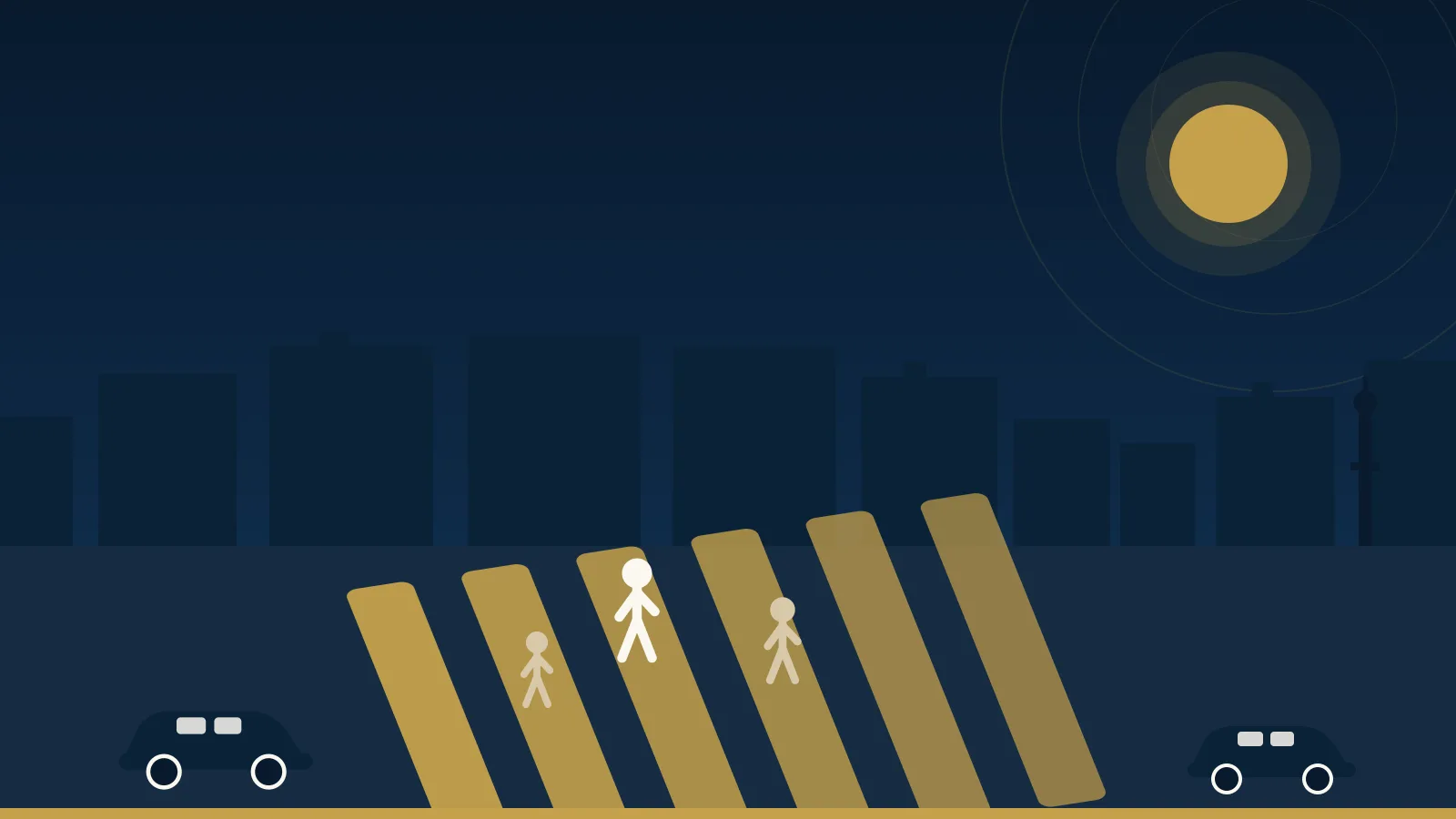
Katika kila mji wa Misri kuna tukio linalojirudia maelfu ya mara kila siku: mwanamume, mwanamke au mwanafunzi amesimama ukingoni mwa barabara pana yenye njia nyingi, akiyachunga magari yanayokuja kwa kasi, akisubiri pengo katika mkondo huo wa chuma, kisha anavuka kwa mstari wa kupinda uliopimwa kwa umakini wa mtu aliyeupata ustadi huo kwa kulazimishwa. Kuvuka barabara nchini Misri si jambo dogo la kupita tu, bali ni ujuzi kamili wa maisha ambao watu huujifunza wakiwa wadogo na kuutumia kila siku kwa hatari yao wenyewe, huku njia salama za kuvukia zikiwa hazipo kwa kiasi kikubwa.
Takwimu kuu za tatizo hili zimejulikana na kuandikwa kwa miaka mingi: ajali za barabarani huua maelfu ya watu nchini Misri kila mwaka na kujeruhi makumi ya maelfu, na ripoti mfululizo za Shirika la Afya Duniani zinaonyesha kuwa watembea kwa miguu ni sehemu kubwa ya waathirika wa barabara katika nchi zinazoendelea, ambako binadamu asiye na kinga hushiriki barabara na magari yanayokwenda kasi bila kizuizi chochote cha kumlinda. Nyuma ya kila tarakimu katika takwimu hizo kuna familia iliyompoteza mlezi wake au mwanawe akiwa njiani kwenda kazini au shuleni.
Hadithi huanzia kwenye kijia cha waenda kwa miguu, eneo ambalo linapaswa kuwa lao pekee. Lakini mzunguko mfupi katika mtaa wowote hufichua uhalisia tofauti: vijia vilivyoinuka kupita kiasi hivi kwamba wazee hushindwa kuvipanda, au vilivyovunjika vikisubiri kuumiza vifundo vya miguu, au vilivyotwaliwa kabisa na magari yaliyoegeshwa, bidhaa za maduka, vibanda na mikahawa ya kando ya barabara, au vinavyokatika ghafla bila mbadala wowote. Matokeo yake yanajulikana kwa kila mtu: mtembeaji hulazimika kushuka hadi kwenye mto wa lami na kushiriki njia moja na magari na pikipiki, katika mpangilio hatari kuliko yote.
Suala la kuvuka ni hadithi ndefu zaidi. Mistari myeupe ya kuvukia ni adimu; na hata pale ilipo, magari mara chache huiheshimu, huku taa za trafiki zilizotengwa kwa ajili ya waenda kwa miguu zikiwa adimu zaidi. Madaraja ya waenda kwa miguu yanabaki kuwa suluhisho rasmi linalotumika zaidi, lakini mara nyingi hujengwa mbali mno kutoka moja hadi jingine na yanahitaji kupanda ngazi kadhaa, jambo ambalo ni kikwazo halisi kwa mzee, mgonjwa au mama aliyembeba mtoto. Ndiyo maana wengi huchagua hatari ya kuvuka barabarani badala ya mzunguko wa kuchosha, kisha hulaumiwa bila mtu kujiuliza kama mbadala uliopo ni wa busara.
Watoto hubeba sehemu chungu ya gharama hii. Safari ya kwenda shuleni kwa miguu, ambayo katika nchi nyingine ni mazoezi mazuri ya afya, hugeuka karibu na shule nyingi kuwa chanzo cha wasiwasi wa kila siku kwa wazazi, kwani milango ya shule hufunguka moja kwa moja kwenye msongamano wa magari ya kasi bila matuta ya kutosha, bila vivuko wala walinzi wa kuvusha wanafunzi. Wazazi wengi huwasindikiza watoto wao hadi umri mkubwa, si kwa kuhofia wapotee bali kwa kuiogopa barabara yenyewe; ni muda na nguvu ambazo familia hulipa kila siku kwa sababu ya kukosekana kwa muundo salama.
Wazee na watu wenye ulemavu ndio wanaotengwa zaidi katika taswira hii yote. Kijia kisichosawazishwa hakipitiki kwa kiti cha magurudumu; kuvuka kunakohitaji mbio za haraka humwacha nje yeyote asiyeweza kukimbia; na mji ambao mtu hawezi kutembea ndani yake kwa kujitegemea humnyang'anya sehemu ya maisha yake ya kila siku na heshima yake. Ingawa kanuni za ujenzi na masharti ya kisasa sasa yanataja mahitaji ya ufikivu, utekelezaji wake katika barabara zilizopo tayari bado ni jambo la nadra badala ya kuwa kanuni.
Chanzo cha tatizo, kama wanavyokubaliana wapangaji miji, ni falsafa ya usanifu ambayo kwa miongo mingi imeegemea upande wa gari badala ya binadamu. Mafanikio ya barabara hupimwa kwa mtiririko rahisi wa magari, si kwa usalama wa wanaoitumia; upanuzi humeza vijia vya waenda kwa miguu ili kuongeza njia za magari; na madaraja na vichuguu hujengwa ili magari yavuke, huku mtembeaji akiambiwa ajitafutie njia. Ni falsafa ambayo miji mingi duniani imeanza kuipitia upya kwa kina, baada ya kuthibitika kuwa barabara zilizo salama zaidi kwa waenda kwa miguu ni salama zaidi kwa kila mtu, wakiwemo madereva wenyewe.
Suluhisho si siri wala anasa. Uzoefu wa kimataifa unaoandikwa na Shirika la Afya Duniani na mashirika ya usalama barabarani unafupishwa katika hatua zinazojulikana: kupunguza mwendokasi ndani ya mitaa ya makazi na kandokando ya shule; matuta na sehemu zilizoinuliwa zilizosanifiwa vyema; vivuko vilivyo wazi vyenye taa zinazowapa waenda kwa miguu muda wa kutosha; vijia vinavyoendelea, vilivyosawazishwa na vyenye miteremko kwa viti vya magurudumu; mwanga wa kutosha; na utekelezaji wa kweli wa sheria za kipaumbele cha waenda kwa miguu. Uzoefu umethibitisha kuwa kupunguza mwendokasi peke yake huokoa maisha, kwa sababu tofauti ya kilomita chache kwa saa wakati wa mgongano ndiyo huamua kati ya jeraha na kunusurika.
Misri haiko nje ya njia hii. Sheria ya usalama barabarani tayari inatambua haki za waenda kwa miguu na wajibu wa madereva kwao, na miradi mipya zaidi ya maendeleo ya mijini, kuanzia njia za matembezi kandokando ya Mto Nile hadi upangaji upya wa baadhi ya viwanja na barabara za miji mipya, inaonyesha uelewa unaokua wa thamani ya kutembea mjini. Wadau wanataka uangalifu huu usambae kutoka miradi mipya hadi barabara ya kawaida katika mtaa wa watu wa kawaida, mahali ambapo Wamisri wengi wanaishi na kutembea kwa hakika, kwani ubora wa mji hupimwa kwa vijia vyake vya kawaida, si kwa sura zake za nje.
Kutembea kuna faida inayovuka usalama. Mji unaofaa kwa kutembea una uchumi hai zaidi, kwa sababu wapita njia ndio wateja wa maduka; hewa yake ni safi zaidi, kwa sababu kila safari ya miguu inamaanisha safari moja pungufu ya injini; wakazi wake wana afya bora, kwa sababu kutembea ni mazoezi ya mwili ya bei nafuu na yanayoweza kufikiwa na kila mtu; na muundo wake wa kijamii ni imara zaidi, kwa sababu barabara salama ni mahali pa kukutana. Ndiyo maana katika maandiko ya upangaji miji suala la waenda kwa miguu si tena jambo dogo la usafiri, bali ni lango kuu la ubora wa maisha, afya ya umma na uchumi wa ndani kwa pamoja.
Kiini cha suala hili kinabaki rahisi: waenda kwa miguu si kundi la pembezoni, bali ni kila mtu; kwani kila dereva hugeuka kuwa mtembeaji mara tu anapofunga mlango wa gari lake. Mamilioni wanaojipenyeza kila siku juu ya vijia vilivyovunjika na kati ya magari ya kasi hawaombi upendeleo, bali haki ya msingi ya kuwa na mji ambao barabara zake zinaweza kuvukwa bila kucheza kamari. Vijia vitakaporudishiwa kazi yake na kuvuka kutakaporejeshewa usalama wake, hilo halitakuwa faida ya waenda kwa miguu peke yao, bali ni ishara ya mji uliokuwa na huruma zaidi na hekima zaidi kwa watu wake wote.
Habari Zinazohusiana
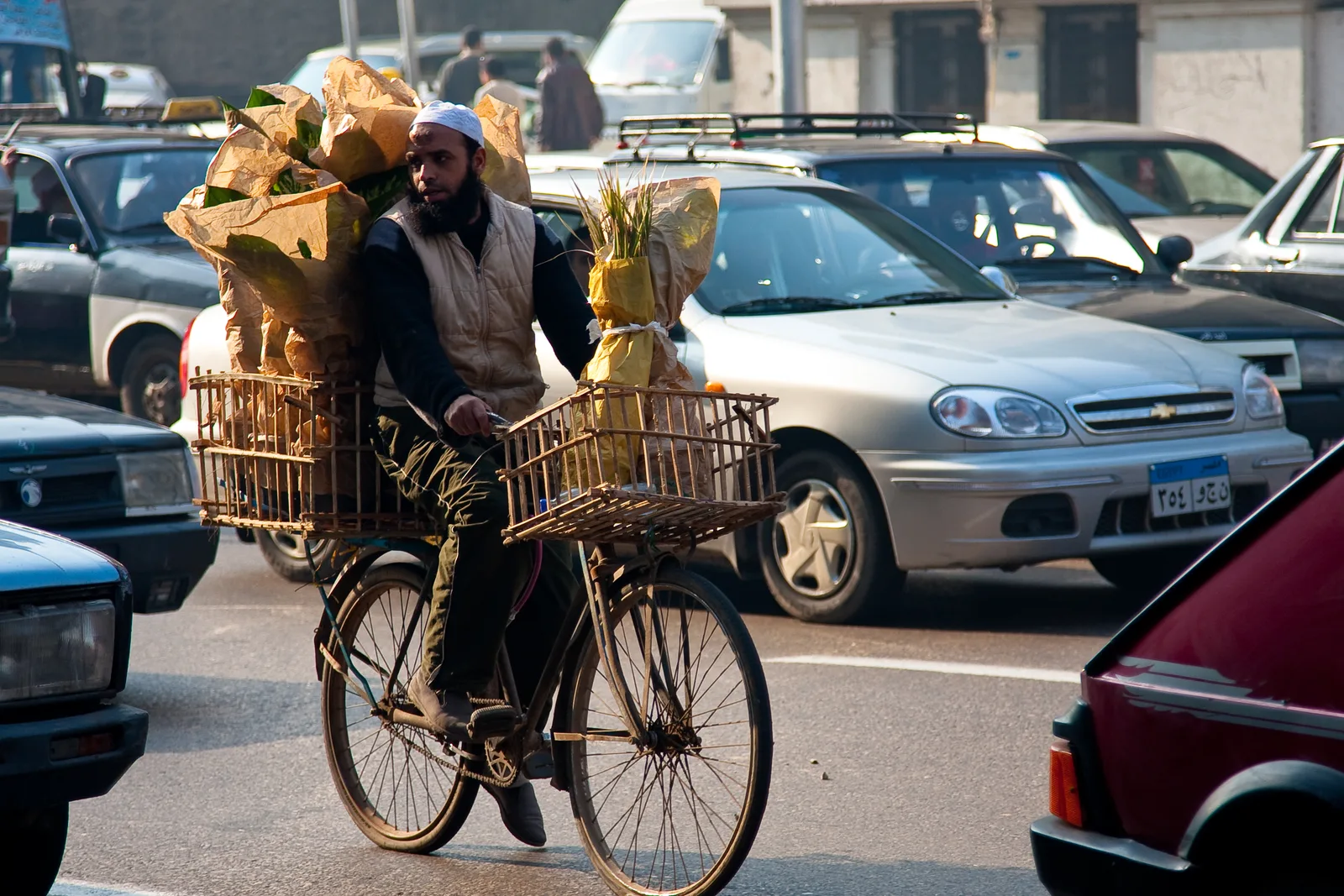
Magurudumu Mawili Katikati ya Msongamano: Baiskeli Inasimama Wapi Mitaani mwa Misri katika Siku Isiyo na Magari?
Tarehe 22 Septemba dunia inaadhimisha Siku Isiyo na Magari, huku mitaani baiskeli ikipenya kati ya mikrobasi na juu ya njia iliyochorwa ambayo gari limeegeshwa. Kutoka Cairo Bike hadi mpango wa "Baiskeli Yako, Afya Yako" hadi mvulana anayebeba sinia la mikate kichwani: ripoti kuhusu yale ambayo mpita njia yeyote anaweza kuyaona, na swali moja: baiskeli ni ya nani Misri, na kwa nini njia salama bado ni ndoto?
22 Septemba 2026 · 8 dakika za kusoma
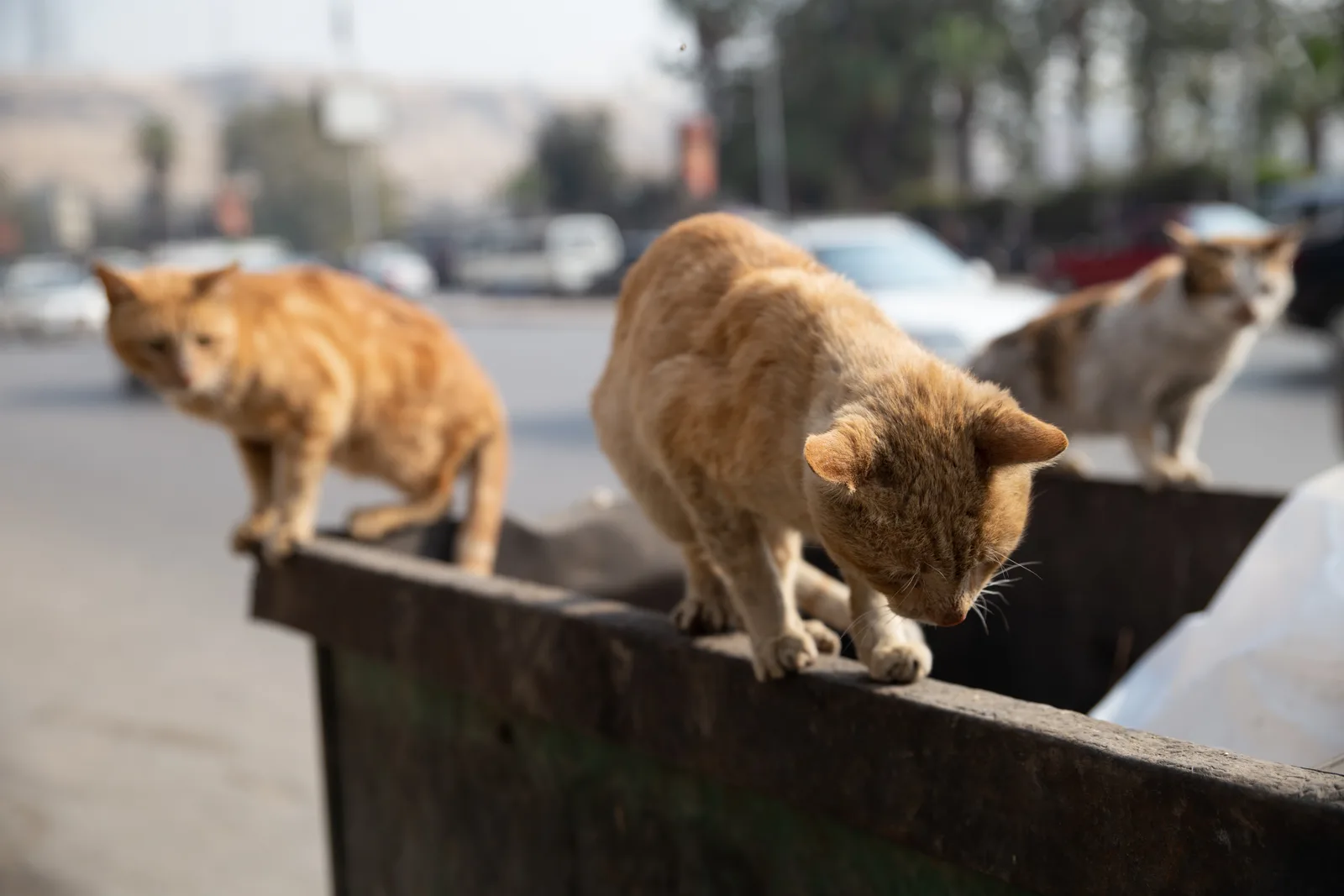
«Keda Ghalat» (Hii Si Sawa): Kudhuru Wanyama ni Kosa la Jinai Chini ya Sheria ya Adhabu ya Misri Tangu 1937
Jirani anaweka bakuli za sumu karibu na ukuta wa shule, na mmiliki wa mkokoteni anampiga punda wake usoni chini ya mzigo mzito kupita kiasi. Wengi hudhani «ni mnyama tu» maana yake hakuna sheria inayomlinda. Ukweli ni kwamba Ibara za 355, 356 na 357 za Sheria ya Adhabu zinaadhibu kuua, kutia sumu na kudhuru wanyama kwa adhabu zinazofikia kifungo jela. Katika usiku wa kuamkia Siku ya Wanyama Duniani, tunaeleza sheria inasema nini.
3 Oktoba 2026 · 6 dakika za kusoma

Oktoba ya waridi: uchunguzi wa bure – kwa nini ugunduzi wa mapema unabadilisha hatima ya mwanamke wa Misri
“Sina maumivu” si sababu ya kuahirisha. Tangu Julai 2019, vituo vya afya nchini Misri vimekuwa vikifungua milango yake bure kwa kila mwanamke mwenye umri wa miaka 18 na zaidi, na kufikia Juni 2026 idadi ya kesi zinazogunduliwa katika hatua za mwisho ilishuka kutoka asilimia 60 hadi 19.5. Tunaeleza yanayotokea kituo cha afya, dalili zinazohitaji ziara, na kwa nini woga unachelewesha uchunguzi huu muhimu.
2 Oktoba 2026 · 7 dakika za kusoma