Kabla ya siku ya kwanza ya shule: Unamwandaaje mtoto wako kufanikiwa?
Kujiandaa kwa shule si kukariri herufi na namba tu, bali ni stadi za kujitegemea, kueleza mahitaji na kuelewana na wengine. Hizi ni hatua za kivitendo ambazo wazazi wanaweza kuzianza nyumbani miezi kadhaa kabla ya siku ya kwanza ya masomo, ili mtoto aingie darasani akiwa na kujiamini badala ya hofu.
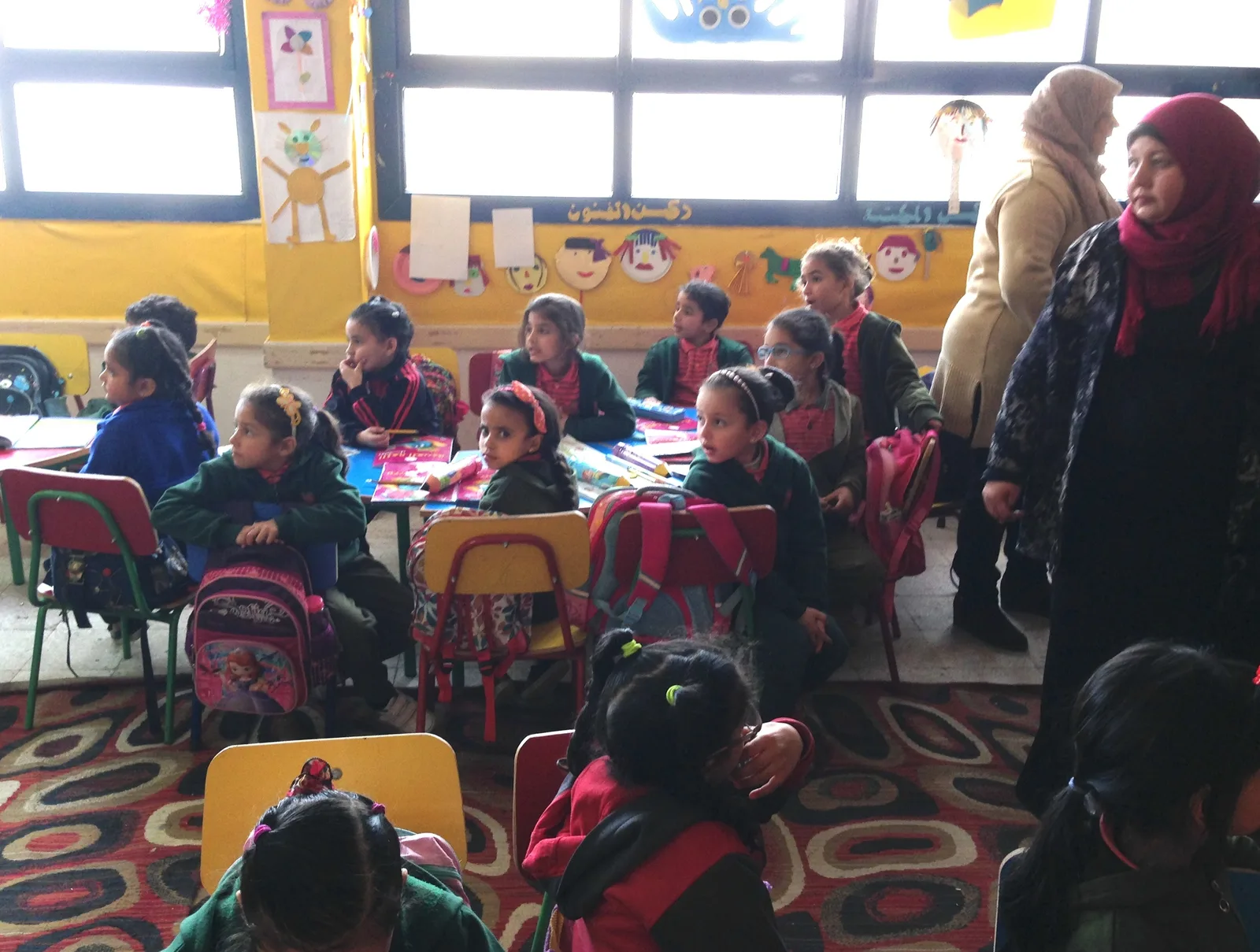
Siku ya mtoto kuanza darasa la kwanza inapokaribia, familia nyingi hujishughulisha na swali moja tu: je, anazijua herufi na namba? Lakini walimu na wataalamu wa malezi ya utotoni wanakubaliana kwamba utayari wa kweli wa kwenda shule ni mpana kuliko hilo: mtoto anayeweza kujihudumia katika mahitaji yake ya msingi, akaeleza anachotaka, akaketi na kusikiliza, na akachangamana na watoto asiowafahamu — mtoto huyo atafanikiwa hata kama bado hajazijua herufi zote.
Utayari huanza na stadi za kujihudumia: kwenda chooni mwenyewe na kunawa mikono, kula bila kusaidiwa na kufungua chombo chake cha chakula na chupa ya maji, kuvaa viatu na koti bila msaada, na kuvitambua vitu vyake na kuvitunza. Ni stadi hizi ndogo ndizo zinazoamua kama siku ya mtoto shuleni itakwenda kwa utulivu au itageuka kuwa mfululizo wa vilio vya kuomba msaada; kuzifanyia mazoezi nyumbani katika miezi inayotangulia shule ni uwekezaji usio na kifani.
Kisha huja utayari wa kihisia na kijamii, ambao ndio mgumu zaidi na muhimu zaidi: kuvumilia saa kadhaa mbali na mama yake bila kuvunjika moyo, kushiriki mchezo na mtoto mwingine na kusubiri zamu yake, na kumwambia mwalimu “nataka kwenda chooni” au “fulani amenipiga” badala ya kulia tu. Mtoto hujifunza haya kwa kuachwa kidogo kidogo kwa bibi au shangazi, kwa kucheza na watoto wa majirani na wa ndugu, na kwa kutiwa moyo aombe anachohitaji kwa maneno akiwa nyumbani kwanza.
Lugha ndiyo msingi ambao juu yake hujengwa kila ujifunzaji unaofuata, na kitu chenye thamani kubwa zaidi ambacho wazazi wanaweza kutoa hapo hakigharimu chochote: maongezi. Tafiti za malezi ya utotoni zinaonyesha kuwa msamiati anaoupata mtoto katika miaka yake ya mwanzo ni miongoni mwa viashiria imara zaidi vya ufaulu wake wa baadaye katika kusoma. Zungumza naye sana, jibu maswali yake kwa subira, msimulie hadithi kabla ya kulala, msomee vitabu vyenye picha hata kurasa chache kwa siku, na mwache yeye mwenyewe “asome” picha kwa namna yake.
Wala usisahau misuli midogo ya mkono, kwa maana kushika kalamu ni stadi ya misuli kabla ya kuwa ya akili. Kuchora na kupaka rangi, kukata karatasi kwa mkasi salama wa watoto, kuumba udongo wa kuchezea, kutunga shanga, na kuunganisha na kutenganisha vipande vya kujengea — yote haya yanaonekana kama burudani isiyo na madhara, kumbe ni mazoezi ya moja kwa moja kwa misuli ya vidole vitakavyoandika hivi karibuni. Yape muda kila siku, na yabaki mchezo, si kazi ya lazima.
Wiki chache kabla ya shule kufunguliwa, huanza mabadiliko muhimu zaidi katika ratiba ya nyumbani: usingizi. Mtoto aliyekesha hadi usiku wa manane wakati wote wa kiangazi hawezi kuamka ghafla saa kumi na mbili asubuhi. Sogeza mbele muda wa kulala kidogo kidogo kila baada ya siku chache hadi ulingane na ratiba ya shule angalau wiki mbili kabla, na uimarishe tabia ya kifungua kinywa hata kama ni chepesi, kwa sababu mtoto mwenye njaa hajifunzi.
Na ijengee shule sura ya kupendeza katika fikira za mtoto: itembeleeni pamoja kwa nje ikiwezekana, nunueni mkoba na vifaa pamoja na umwache achague, na izungumzie shule kama mahali pa marafiki, michezo na hadithi mpya. Na tahadhari kubwa: usiitumie kamwe shule wala mwalimu kama kitisho — “utaona shule itakapoanza” — kwani mtoto anayeingia shuleni hali akiiona kuwa ni adhabu, huingia akiwa tayari ameshindwa.
Mzoeze mtoto wako pia kutekeleza maagizo rahisi yenye hatua zaidi ya moja: “lete kikombe kutoka jikoni na ukiweke mezani”, kwa sababu huo ndio mtindo atakaousikia darasani kila siku. Mpe majukumu madogo nyumbani — kupanga vitu vyake vya kuchezea, kuweka mkate mezani — kwani mtoto anayejihisi anaweza na anafaa huingia darasani na kujiamini kwa namna tofauti.
Na kumbuka daima kwamba mchezo si adui wa maandalizi ya shule, bali ndio kiini chake. Kupitiliza katika mazoezi ya herufi na madaftari katika umri wa kabla ya shule kunaweza kumjengea mtoto chuki ya mapema dhidi ya kujifunza, ilhali mchezo huru, hadithi, nyimbo na kukimbia ndivyo vinavyojenga ubongo utakaojifunza kila kitu baadaye. Katika hatua hii pia ni vyema kupunguza muda wa skrini ili kupisha mchezo halisi na maongezi halisi na binadamu halisi.
Na hatimaye, usitegemee ukamilifu katika wiki za mwanzo: machozi ya asubuhi katika siku za kwanza ni jambo la kawaida na la muda mfupi kwa watoto wengi, nayo hukoma haraka zaidi pale kuagana kunapokuwa kwa uthabiti, kwa upole na kwa ufupi. Fanya uhusiano wako na mwalimu wa darasa kuwa ushirikiano, si ugomvi; muulize kuhusu tabia ya mtoto wako na umsikilize. Na mwisho wa kila siku, mpe mtoto wako sikio la kusikiliza: muulize alicheza nini na alicheka na nani — si tu alichohifadhi kichwani. Kwani mtoto anayehisi kuwa shule inawafurahisha wazazi wake, ataipenda kwanza kwa ajili yao, kisha kwa ajili yake yenyewe.
Habari Zinazohusiana
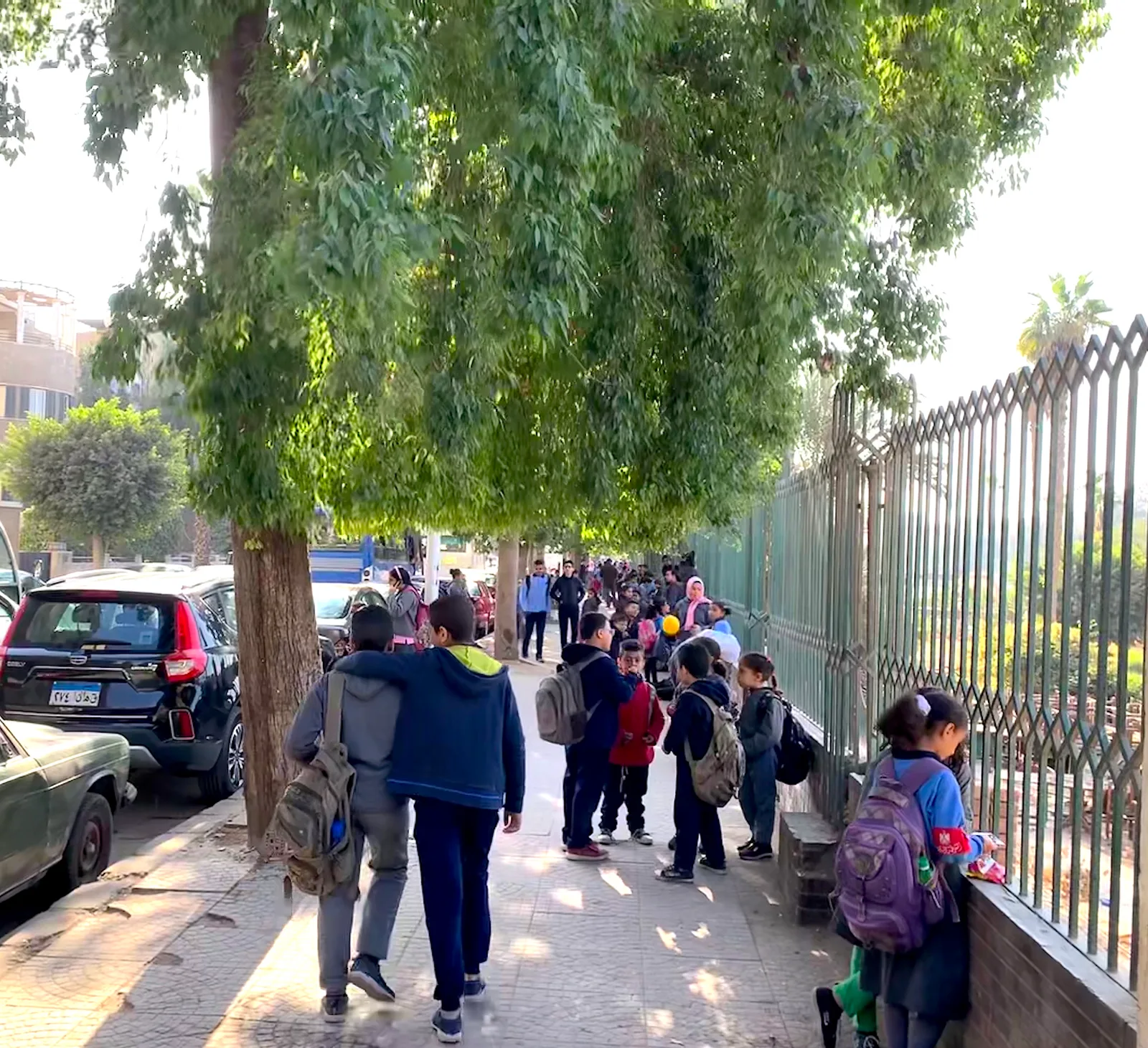
Mkoba Mzito Kuliko Mtoto: Mkoba wa Shule Unapaswa Kuwa na Uzito Gani, na Unawezaje Kulinda Mgongo wa Mtoto Wako?
Wiki ya kwanza ya shule ikianza, swali moja hurudiwa katika kila nyumba: mgongo wa mtoto unaweza kubeba kilo ngapi? Tunaeleza "kanuni ya asilimia 15" ya Chuo cha Marekani cha Madaktari wa Watoto, utafiti wa Misri wa Menouf ulioonyesha kuwa robo tatu ya wanafunzi wanalalamikia maumivu ya mgongo, kisha njia ya kupima kwa mzani wa bafuni na hatua rahisi za kila siku za kupunguza mzigo kabla haujageuka kuwa maumivu ya maisha yote.
15 Septemba 2026 · 7 dakika za kusoma

Pesa ya mfukoni ni somo la kwanza la uchumi: Unamfundishaje mtoto wako thamani ya fedha na akiba?
Kabla ya aljebra na jiometri, mtoto wako hupata masomo yake ya kwanza ya uchumi mlangoni pa kibanda cha duka na ndani ya kibubu chake kidogo. Huu ni mwongozo wa vitendo kwa kila rika: lini uanze kumpa pesa ya mfukoni, jinsi ya kuigawa kati ya matumizi, akiba na kutoa, na kwa nini kamwe haifai kuifungamanisha na alama za shule wala kuigeuza kuwa silaha ya adhabu.
3 Septemba 2026 · 7 dakika za kusoma

Uonevu miongoni mwa watoto: Jinsi ya kumlinda mwanao awe mwathirika, shahidi au mwonevu
Ni lini ugomvi wa mapumziko hugeuka kuwa uonevu? Mwongozo wa vitendo kwa wazazi: ishara za kimya ambazo mtoto huzificha, mazungumzo salama yanayoufungua moyo wake, hatua zenye kumbukumbu za kuizungumzia shule, na mbadala halisi wa ushauri wa “mrudishie kipigo” — na ufanye nini iwapo mwanao ndiye mwonevu, bila kumfedhehesha wala kukanusha.
27 Agosti 2026 · 8 dakika za kusoma