«Niko Huru»: Uhuru Unaoishia kwenye Mapafu ya Jirani Yako
Ndani ya lifti, ofisini, katika mkahawa uliofungwa, ndani ya basi dogo la abiria: anawasha sigara yake katikati ya watu, na yeyote akipinga, jibu liko tayari: «Niko huru». Lakini moshi wa sigara unaovutwa na wengine bila hiari si maoni yanayostahili heshima, bali ni madhara yaliyothibitishwa — yanayovutwa na mtoto, mgonjwa wa mzio na mama mjamzito ambao hawakuchagua. Tena sheria ya Misri imeshaupiga marufuku tangu miaka mingi iliyopita. Hii si sawa.
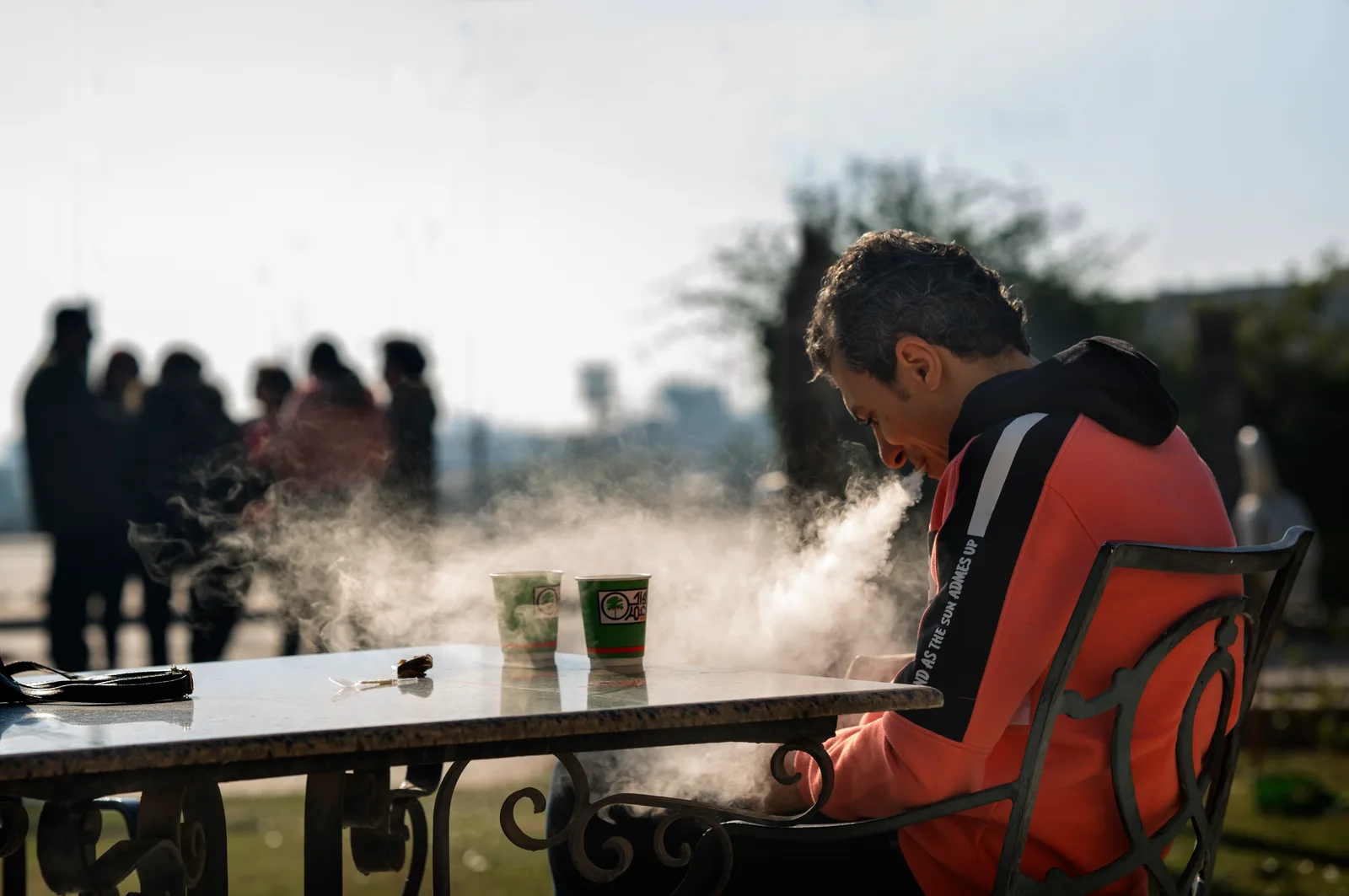
Tukio hili hujirudia karibu katika kila mahali palipofungwa: lifti finyu, ofisi ya serikali, mkahawa uliofunga madirisha yake, gari dogo la abiria lililosongamana, chumba cha kusubiri katika kliniki. Mtu hutoa sigara yake na kuiwasha katikati ya watu kwa uhuru ule ule ambao angeutumia akiwa peke yake jangwani. Na mtu akithubutu kupinga, jibu lililokaririwa huja papo hapo: “Mimi ni huru.”
Hebu tuichukulie kauli hiyo kwa uzito kwa muda mfupi, kwa sababu ndani yake mna hoja potofu inayostahili kuchambuliwa. Ndiyo, uko huru kuvuta sigara; hakuna anayekutaka uache. Lakini moshi unaotoka kwenye sigara yako haubaki ndani ya mipaka ya mwili wako; huingia kwenye mapafu ya kila mtu aliyeko mahali hapo bila kuomba ruhusa. Na uhuru wako, kwa maana yake halisi, unakomea pale unapoanzia mwili wa mtu mwingine. Anayevuta sigara mahali palipofungwa hatumii uhuru wake; anawanyang'anya wengine uhuru wa kupumua hewa safi.
Madhara hapa si suala la ladha wala kuchukizwa na harufu. Kuvuta moshi wa sigara ya mwenzako ni hatari ya kiafya iliyothibitishwa bila mjadala; Shirika la Afya Duniani limekuwa likisisitiza kwa miaka mingi kwamba hakuna kiwango salama cha kuathiriwa na moshi wa tumbaku, na kwamba moshi huo unahusishwa na magonjwa ya moyo, magonjwa ya mfumo wa upumuaji na saratani kwa wasiovuta sigara wenyewe. Moshi ule uliokupa “uhuru” mkahawani unaendelea na kazi yake vifuani mwa wengine hata baada ya wewe kuondoka.
Na uwafikirie wale wasio hata na anasa ya kupinga. Mgonjwa wa mzio au wa pumu, ambaye kikao kimoja tu katika chumba kilichojaa moshi kinaweza kuigeuza siku yake kuwa dharura ya kupumua. Mtoto aliyekuja na baba yake, ambaye hata hajui kuwa ana haki ya kupata hewa safi. Mwanamke mjamzito anayebeba jozi nyingine ndogo ya mapafu inayovuta kila kilichomo hewani. Na mfanyakazi wa mkahawa mwenyewe, anayetumia zamu nzima kila siku ndani ya wingu hilo kwa sababu riziki yake ipo hapo, na ambaye hathubutu kumwomba mteja azime sigara yake.
Na hapa tunafika kwenye ukweli unaoifanya kauli ya “mimi ni huru” kuwa dhaifu zaidi: sheria ya Misri iliamua jambo hili miaka mingi iliyopita. Sheria Na. 52 ya mwaka 1981 kuhusu kuzuia madhara ya uvutaji sigara, baada ya kurekebishwa na Sheria Na. 154 ya mwaka 2007, inakataza uvutaji sigara katika maeneo ya umma yaliyofungwa na kuweka faini kwa anayekiuka. Yaani anayewasha sigara mahali palipofungwa hatumii uhuru; anatenda kosa la wazi la kisheria, zaidi ya kuwa ni kosa la kimaadili.
Lakini katika safu hii tunaweka maadili mbele ya sheria kwa makusudi, kwa sababu tatizo halisi si kukosekana kwa sheria bali kukosekana kwa dhamiri. Anachohitaji mvutaji si hati ya mashtaka kadiri anavyohitaji dakika moja ya ukweli na nafsi yake: unapopuliza moshi wako usoni mwa mtu asiyevuta, hutumii haki; unaulazimisha mwili wa mtu mwingine kupokea kitu alichokikataa. Huku ni kutukana, ni uchokozi na ni kudhuru, kwa maana halisi ya maneno hayo matatu.
Na tuwe wa haki pia kwa wavutaji wengi: wapo wanaoomba ruhusa kabla ya kuwasha, wapo wanaotoka wenyewe kwenda balkonini au barabarani bila kuambiwa na mtu, na wapo wanaozima sigara mara wanapomwona mtoto au kufahamu kuwa kuna mgonjwa mahali hapo. Hao wanathibitisha kila siku kwamba kuvuta sigara ni jambo moja na kukosa kuwajali wengine ni jambo lingine kabisa, na kwamba vita hivi si dhidi ya mvutaji bali dhidi ya kutojali.
Anachotakiwa raia ni nini? Kwa mvutaji: kuheshimu kanuni rahisi, kwamba mahali palipofungwa panapotumiwa na watu wote si mahali pa kuvuta sigara, hata kama hamu ni kubwa kiasi gani, na bila kusubiri mtu akuombe. Kwa asiyevuta: kupinga kwa adabu na kwa uthabiti badala ya ukimya wa upole anaoulipia kwa afya yake; sentensi tulivu kama “Samahani, mahali hapa pamefungwa na wapo miongoni mwetu wanaodhurika” si ukorofi, bali ni kutumia haki.
Na wanachotakiwa wamiliki wa maduka, mikahawa na ofisi ni nini? Watambue kwamba sheria inawapa jukumu la maeneo yao. Alama ya kukataza uvutaji si pambo; ni wajibu unaopaswa kutekelezwa kwa wateja wote bila upendeleo. Na mkahawa unaotekeleza kanuni hiyo haupotezi wateja kama wanavyodhani baadhi, bali unapata kundi zima la watu waliokuwa wakiukwepa.
Na inachotakiwa dola ni nini? Kuihamisha sheria yenye umri wa miongo kadhaa kutoka karatasini kwenda kwenye uhalisia: kuanza kutoza faini katika taasisi za umma na za binafsi, kuiwajibisha taasisi inayolegeza kamba na si mvutaji mmoja mmoja pekee, na kuendesha kampeni za ukaguzi zinazotangazwa ili kuirudishia alama ya “Hairuhusiwi kuvuta sigara” heshima yake iliyopotea.
“Mimi ni huru” ni kauli nzuri ikiwa iko mahali pake panapostahili. Lakini inaposemwa hali moshi wa sigara yako ukijaza kifua cha mtoto au cha mgonjwa mahali palipofungwa, hugeuka kuwa kinyume chake kabisa: tangazo kwamba starehe yako iko juu ya afya ya kila mtu. Na kwa anayeisema mahali kama hapo tunajibu kwa utulivu na kwa uwazi: hapana, hivyo si sahihi.
Habari Zinazohusiana
«Keda Ghalat» (Hii Si Sawa): Kudhuru Wanyama ni Kosa la Jinai Chini ya Sheria ya Adhabu ya Misri Tangu 1937
Jirani anaweka bakuli za sumu karibu na ukuta wa shule, na mmiliki wa mkokoteni anampiga punda wake usoni chini ya mzigo mzito kupita kiasi. Wengi hudhani «ni mnyama tu» maana yake hakuna sheria inayomlinda. Ukweli ni kwamba Ibara za 355, 356 na 357 za Sheria ya Adhabu zinaadhibu kuua, kutia sumu na kudhuru wanyama kwa adhabu zinazofikia kifungo jela. Katika usiku wa kuamkia Siku ya Wanyama Duniani, tunaeleza sheria inasema nini.
3 Oktoba 2026 · 6 dakika za kusoma
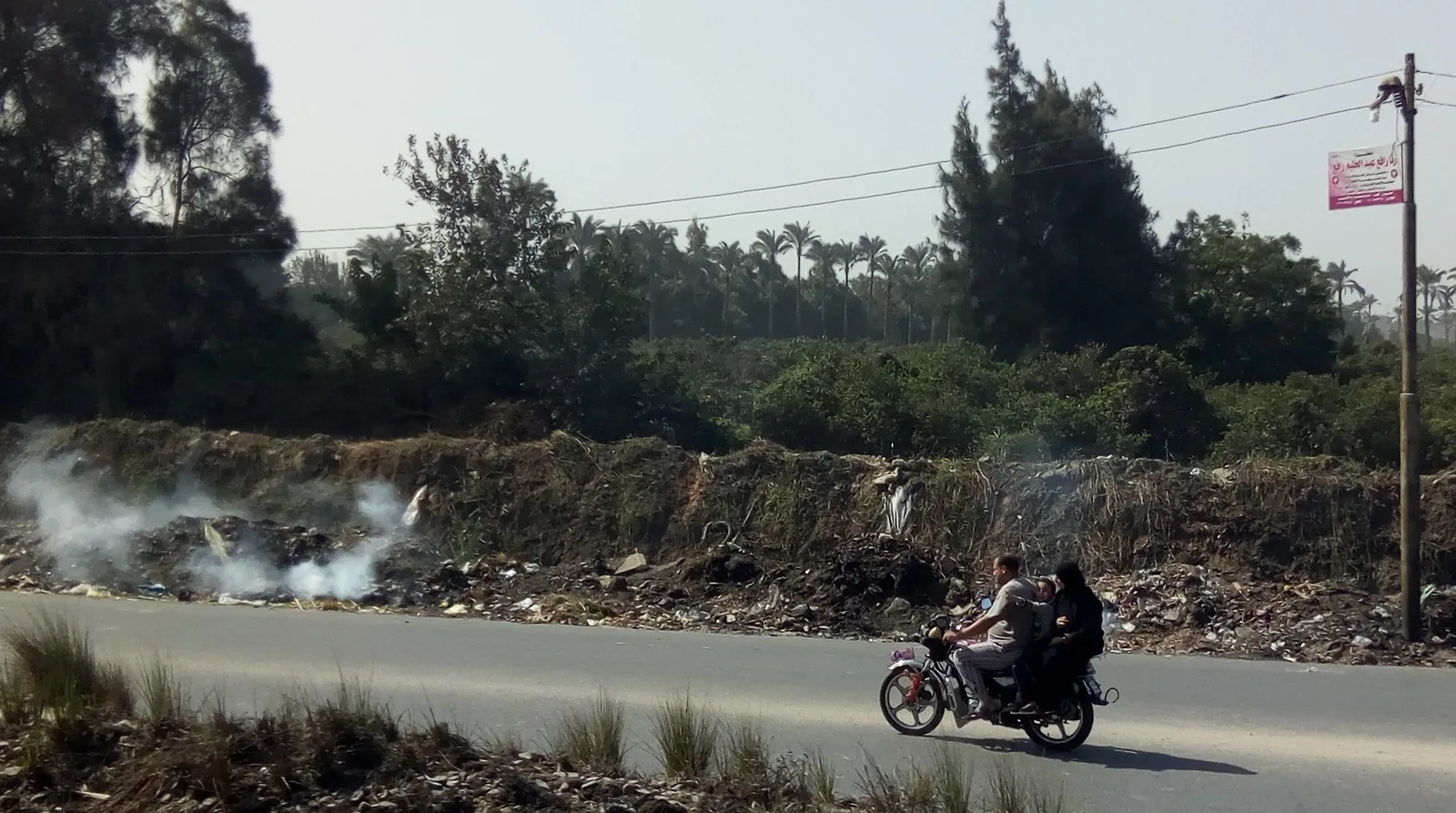
Watu Wanne Juu ya Pikipiki Bila Kofia Ngumu: Kichwa Wazi Ndicho Familia Inaweza Kupoteza Barabarani
Katika wiki ya pili ya shule, tukio lilelile hujirudia: baba akiendesha, mtoto mmoja mbele, mwingine nyuma, mama akishikilia mifuko, hakuna kofia ngumu hata moja. Ripoti za habari, zikinukuu CAPMAS, zaeleza ongezeko la vifo kutoka 190 hadi 897 kati ya 2020 na 2024, huku Cochrane ikionyesha kofia ngumu hupunguza hatari ya kifo kwa asilimia 42. Sheria imekuwa ikiadhibu kichwa wazi tangu 1999, faini iliongezwa 2008. Kwa nini hatuzingatii?
23 Septemba 2026 · 8 dakika za kusoma
"Kuunganisha Waya Ovyo" Si Ujanja: Wizi wa Umeme ni Uhalifu Ambao Mtaa Mzima Hulipa Gharama Yake
Waya ulio wazi ukining'inia kutoka nguzo hadi roshani, kiyoyozi kikifanya kazi huku mita haizunguki, na fuse ikikatika mara ya tatu, ikizima nuru nyumbani kwa jirani aliyelipa ankara yake. Kifungu cha 71 cha Sheria ya Umeme kinaita hili kujimilikisha umeme kinyume cha sheria, huadhibiwa kwa kifungo na faini, huku marekebisho makali zaidi yakisubiri Bunge. Mtaa mzima unapoteza nini kwa muunganisho mmoja? Mbadala sahihi ni upi?
14 Septemba 2026 · 7 dakika za kusoma