Köpeğin kendi evinde özgürdür: Halk plajlarındaki saldırgan köpekler başkalarının hakkına saldırıdır
Her yaz plajlarımızda yinelenen bir sahne: Ağızlıksız koca bir köpek çocukların arasında koşturuyor, sahibi de itirazlara «Bir şey yapmıyor ki» diye karşılık veriyor. «Bu Yanlış» bölümünde açık açık söylüyoruz: Hayvan besleme özgürlüğü, başkalarının güvenliğinin ve huzurunun sınırında biter. Halk plajı bütün yurttaşların malıdır; birilerinin köpeğinin eğitim sahası değildir.
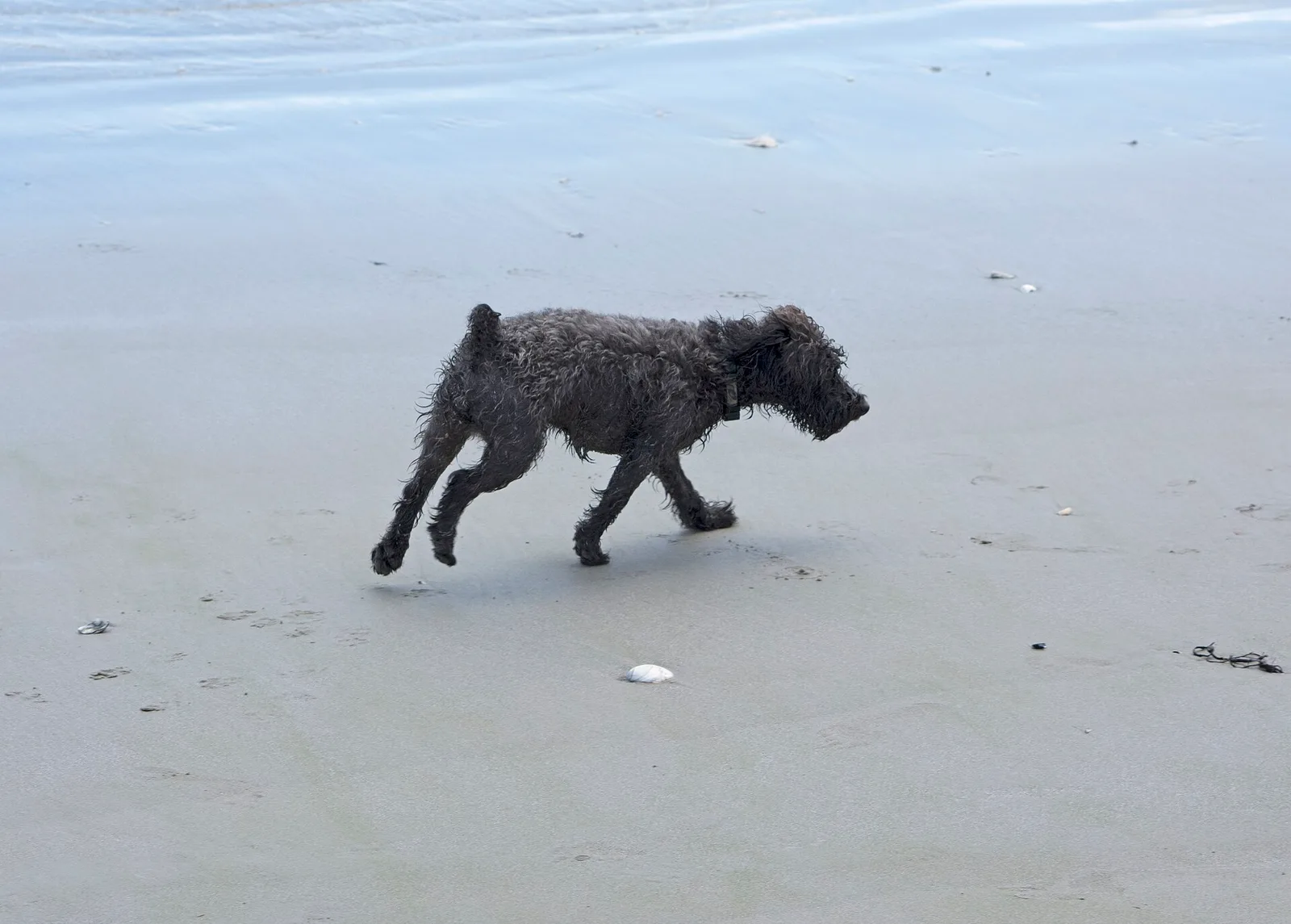
Yaz aylarında halka açık bir plaja gitmiş olan herkesin bildiği bir manzaradır: Bir aile koltuklarını suyun kenarına serer, çocuklar kumdan kaleler yapar, derken saldırganlığıyla bilinen cinslerden iri bir köpek beliriverir; ne tasması vardır ne ağızlığı. Arkasından sahibi gülümseyerek gelir ve herkesi tek bir cümleyle yatıştırır: “Korkmayın, uysaldır.” Oysa irkilip ağlamaya başlayan çocuk uysalla saldırganı ayırt edemez; yavrusunu kucaklayıp koşan anneyi de köpeğin iyi hâl belgesi hiç ilgilendirmez.
Kanundan söz etmeden önce, bu ahlaken yanlış bir davranıştır. Halka açık plaj ortak bir alandır; herkes ya girişinin bedelini ödemiştir ya da onu kamusal bir hak olarak devralmıştır. Orada insanları korkutan bir hayvanı serbest bırakan kişi fiilen şunu söylemektedir: Benim ve köpeğimin rahatı, sizin çocuklarınızın güvenliğinden daha önemli. Bu bölümün adını koymak istediği ihlal tam da budur: Yurttaşın duygularının incitilmesi ve dinlenmeye geldiği yerde huzurunun çiğnenmesi.
Buradaki korku ne lüks ne de abartıdır. Tek bir köpek ısırığı yara, dikiş ve bir dizi kuduz aşısı demek olabilir; üstelik çocuğu yıllarca gölgeleyebilecek bir ruhsal dehşet bırakır: Tek bir köpekten duyduğu korku, bütün hayvanlara ve plajın kendisine duyulan korkuya dönüşür. Köpek kimseyi ısırmasa bile, saldırgan bir cinsin tatilcilerin arasında koşturması onlarca ailenin bütün gününü zehretmeye yeter.
Bir de gözün görmediği yan var: Köpeklerin, insanların yüzdüğü deniz suyunda yıkanması. Köpek canlı bir varlıktır; tüyünde ve dışkısında, bir kısmı insana geçebilen mikroplar ve parazitler taşır. Oynarken deniz suyu yutan çocuklar ise en çok risk altındaki gruptur. Başkalarının çocuklarının yüzdüğü suda köpeğini yıkayan kişi, denizi kendi özel küveti gibi kullanıyor demektir; bu da bencilliğin ta kendisidir.
Hakkı da teslim edelim: Sorun köpek beslemek değildir, hayvanseverler hiç değildir; hayvana bakmak ve ona şefkat göstermek, saygı duyduğumuz ve teşvik ettiğimiz bir değerdir. Sorun, sorumluluğun en basit kurallarını reddeden köpek sahibindedir: Tasma, tehlikeli cinsler için ağızlık, bunun için ayrılmış yerleri tercih etmek ve herhangi bir aileye yaklaşmadan önce sorulacak basit bir soru: Rahatsız olur musunuz?
Mısır hukuku bu meseleyi kuralsız bırakmadı. Medeni Kanun, hayvanın bakımını üstlenen kişiyi hayvanın yol açtığı zarardan sorumlu tutuyor; yasa koyucu ise 2023’te tehlikeli hayvanların ve köpeklerin bulundurulmasını düzenleyen özel bir kanun çıkardı. Bu kanun ruhsat şartı getiriyor, köpeklerin kamusal alanlara götürülmesine ilişkin kurallar koyuyor ve ihlal edeni cezalandırıyor. Yani tatilcilerin arasında saldırgan bir köpeği serbest bırakan kişi yalnızca ahlaki bir hata işlemiş olmuyor, kendisini kanunun kapsamına da sokuyor.
Ancak bu bölümde yalnızca cezaya bel bağlamıyoruz; çünkü mesele hukuki olmadan önce bir kamusal nezaket meselesidir. Düşünün ki her birimiz komşusunu rahatsız eden şeyi ortak alana taşısın: Biri hoparlörün sesini sonuna kadar açar, biri kaldırımda mangal yakar, bir başkası köpeğini çocukların arasına salar. O zaman “kamusal alan” diye bir şey kalmaz; geriye yalnızca, en güçlü ve en pervasız olanın herkesin sırtından kendine yer kaptığı bir orman kalır.
Köpek sahibinden isteneni anlamak için yoruma gerek yok: Zaten kalabalık olan halka açık bir plaja saldırgan cinsten bir köpek götürmeyin; uysal bir köpekle geliyorsanız da onu daima tasmalı tutun, gerektiğinde ağızlık takın; insanların yüzdüğü suda yıkamayın; arkasında bıraktığını temizleyin; size abartılı görünse bile başkalarının korkusuna saygı gösterin; çünkü korku, sizin izninize ihtiyaç duymayan bir haktır.
Devletten ve yerel yönetimlerden istenen de en az o kadar açıktır: Tehlikeli hayvanların bulundurulmasına dair kanunun resmî gazetede yazılı kalmasıyla yetinmeyip plajlarda fiilen uygulanması; plaj girişlerine, hayvan getirme kurallarını açıkça yazan levhalar asılması; köpek sahiplerine, ailelerin yoğunluğundan uzakta alanlar ya da saatler ayrılması; böylece herkes çatışmaya girmeden hakkını alır.
Son söz, “Ben özgürüm, köpeğim de özgür” diyen herkese: Evet, evinizin içinde ve bunun için ayrılmış alanlarda özgürsünüz; ama halka açık bir plajda özgürlüğünüz, elindeki tek güç çığlığı olan bir çocuğun güvenliğinin başladığı yerde biter. Bu yaptığınız yanlış; doğrusu ise sandığınızdan çok daha basit: Tasma, ağızlık, uygun bir yer ve diğer insanlara saygı.
İlgili Haberler
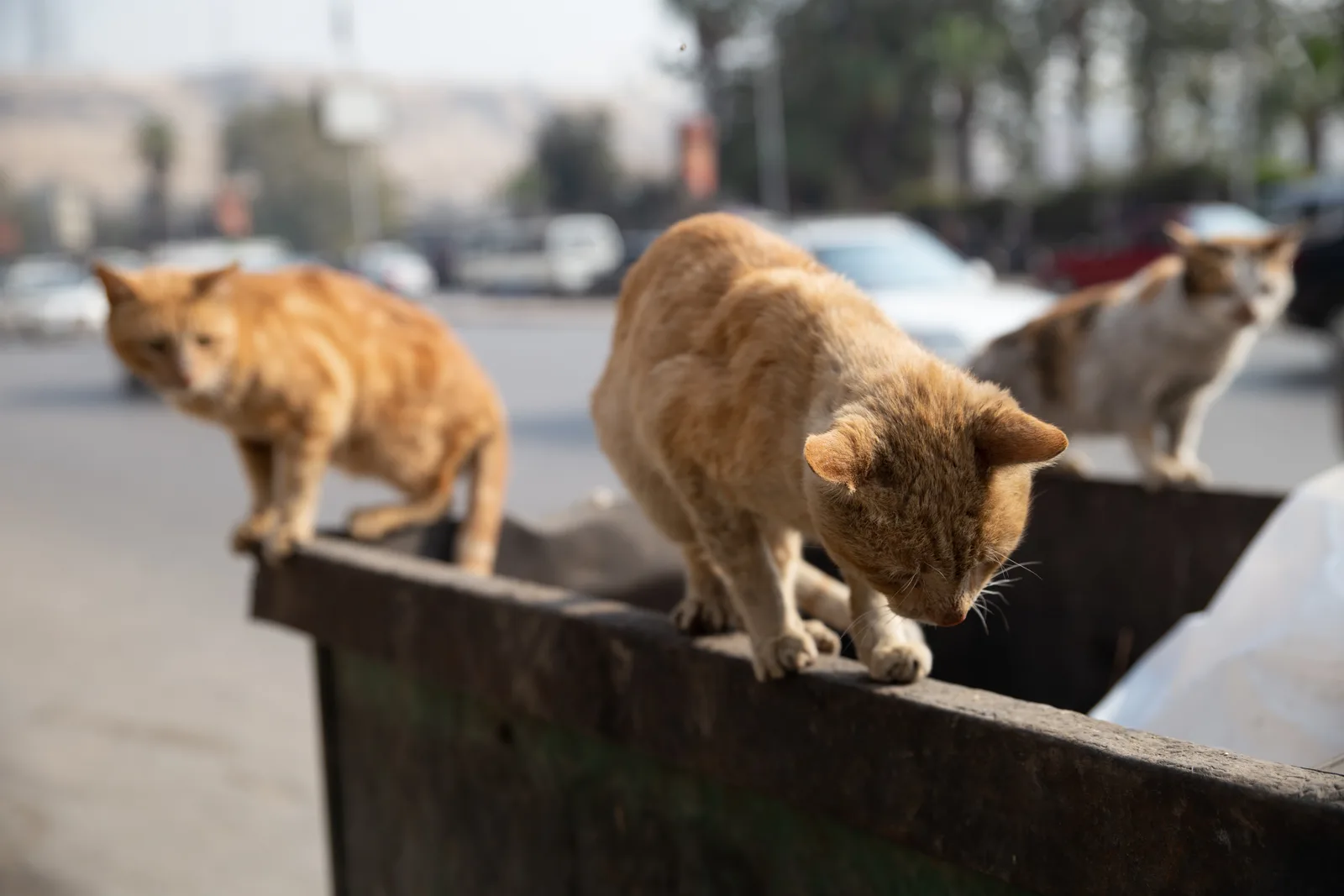
«Keda Ghalat» (Bu Yanlış): Kâsede Zehir, Sırtta Değnek — Hayvana Eziyet, 1937'den Beri Mısır Ceza Kanunu'nda Suç
Bir komşu okul duvarının yanına zehirli kaplar bırakıyor, bir araba sahibi ise eşeğine ağır bir yük çektirmek için yüzüne sopayla vuruyor. Birçok kişi «sadece bir hayvan»ı hiçbir kanunun korumadığını sanıyor. Oysa Ceza Kanunu'nun 355, 356 ve 357. maddeleri, hayvan öldürmeyi, zehirlemeyi ve ona eziyet etmeyi hapis cezasına varan yaptırımlarla cezalandırıyor. Dünya Hayvanlar Günü arifesinde kanunun ne dediğini açıklıyoruz.
3 Ekim 2026 · 6 dk okuma
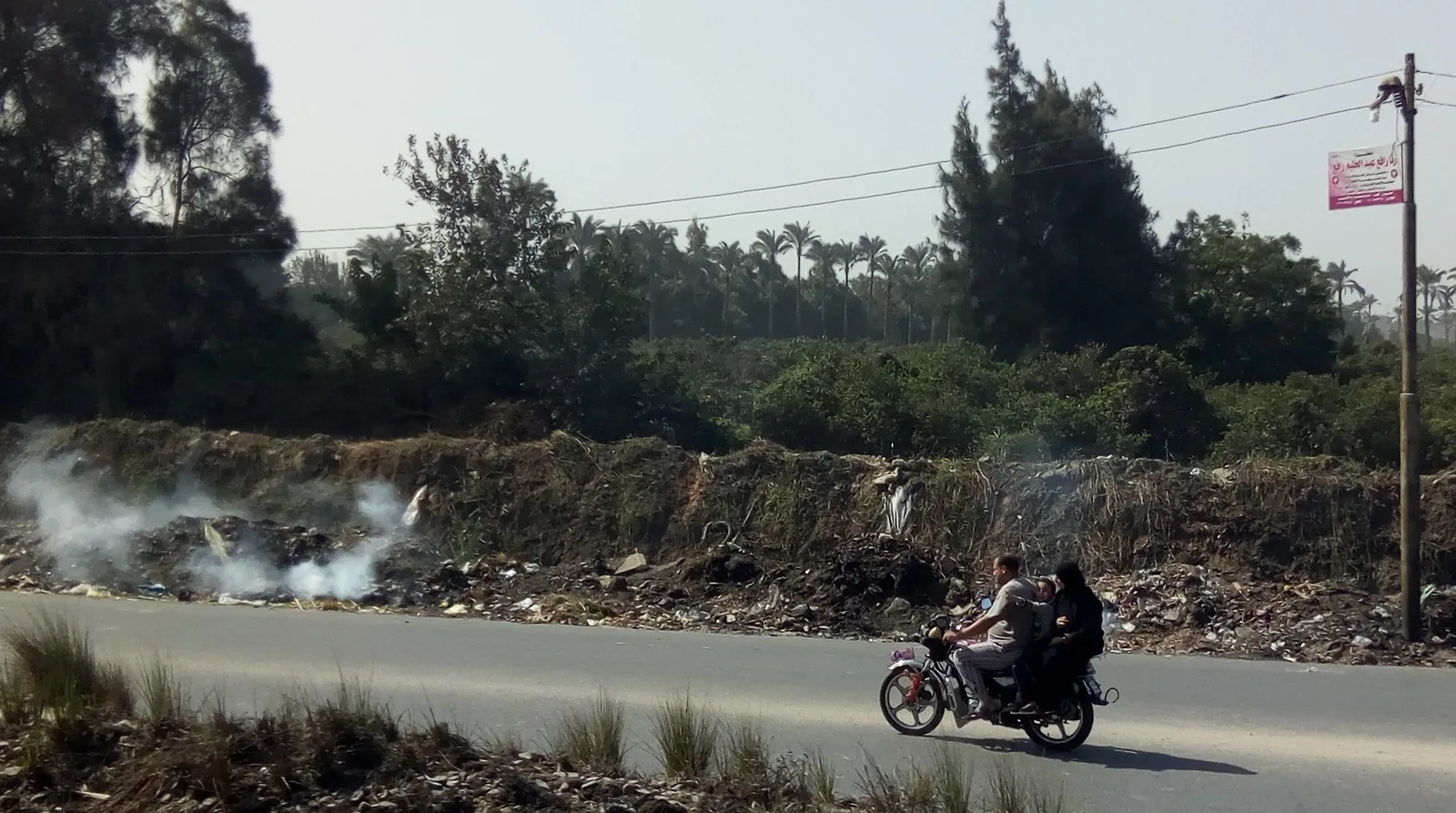
Dört Kişi Bir Motosiklette, Hiçbirinde Kask Yok: Ailenin Yolda Kaybedebileceği En Değerli Şey Açık Baştır
Okulların ikinci haftasında aynı sahne tekrarlanıyor: baba direksiyonda, bir çocuk önünde, biri arkasında, anne çantaları tutuyor; aralarında tek bir kask yok. Basın, CAPMAS'a dayanarak ölümlerin 2020-2024 arasında 190'dan 897'ye çıktığını aktarıyor; Cochrane derlemesi kaskın ölüm riskini %42 azalttığını gösteriyor. Kanun açık başı 1999'dan beri cezalandırıyor, ceza 2008'de artırıldı. Peki neden uymuyoruz?
23 Eylül 2026 · 8 dk okuma
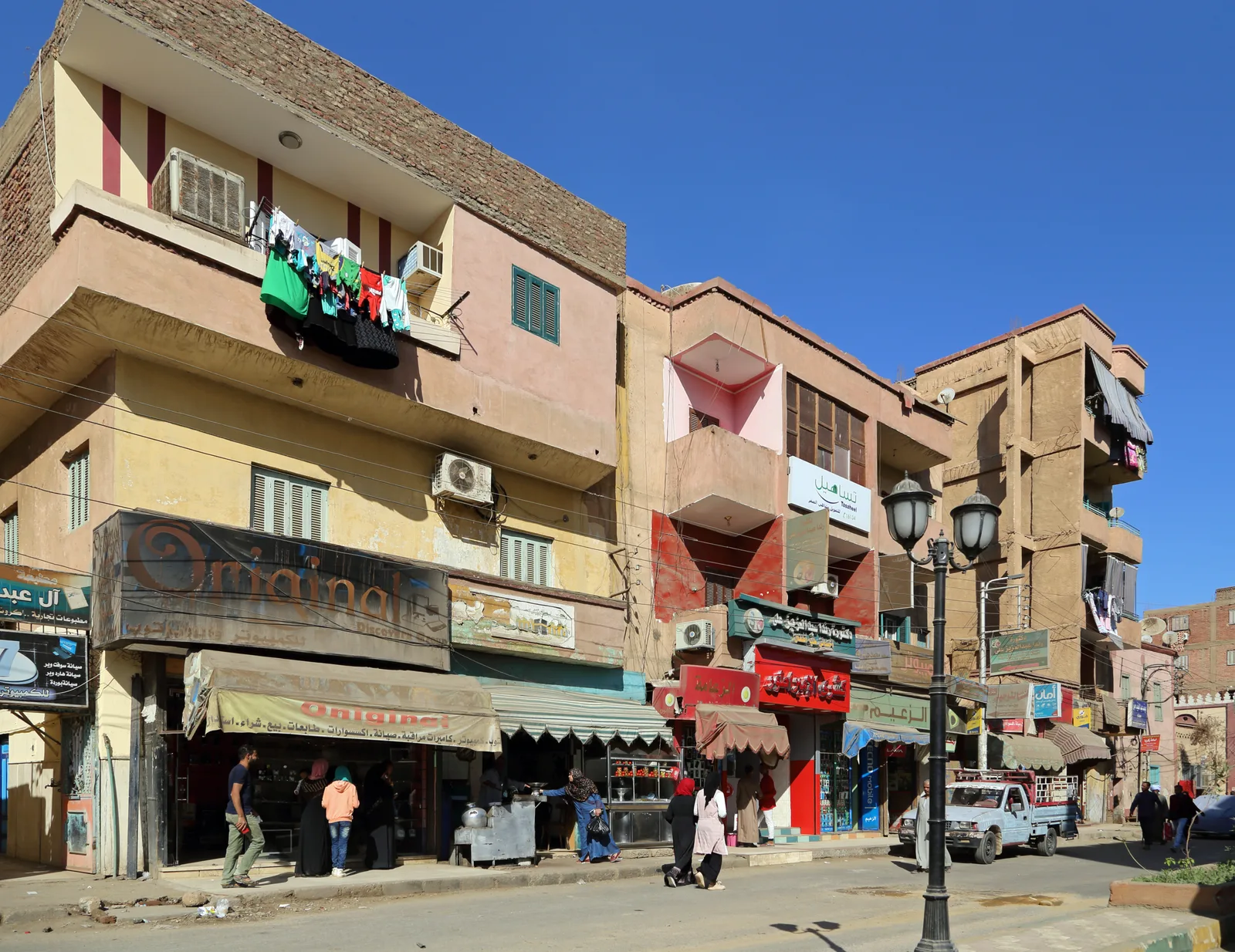
"Kabloya Atlatma" Kurnazlık Değildir: Elektrik Hırsızlığı Bedelini Tüm Mahallenin Ödediği Bir Suçtur
Aydınlatma direğinden balkona sarkan çıplak bir kablo, sayacı hiç dönmeyen bir sayaç üzerinden çalışan klima ve üçüncü kez atan sigorta, faturasını ödeyen komşunun evini karanlığa gömüyor. Elektrik Kanunu'nun 71. maddesi bunu elektrik akımına haksız el koyma sayıyor ve hapis ile para cezasıyla cezalandırıyor; daha ağır bir değişiklik ise Temsilciler Meclisi'ni bekliyor. Bir kaçak bağlantıdan bütün sokak ne kaybeder? Doğru alternatif nedir?
14 Eylül 2026 · 7 dk okuma