Yatak odanızın altında bir kafe: Bodrum katlar nargileye ve şafağa kadar süren âleme dönüşünce
Havalandırma boşluklarından apartman dairelerine sızan duman; şafak sökene kadar süren gürültü ve kahkahalar; sabah sınavı olan ve bir türlü uyuyamayan bir çocuk. Konut apartmanlarının bodrum ve alt katlarını bütün gece açık nargile kafelerine çevirmek, apartman sakinlerinin sağlığına ve huzuruna yönelik günlük bir saldırıdır. Bu yanlış; barınma hakkı her ticari faaliyetten önce gelir.
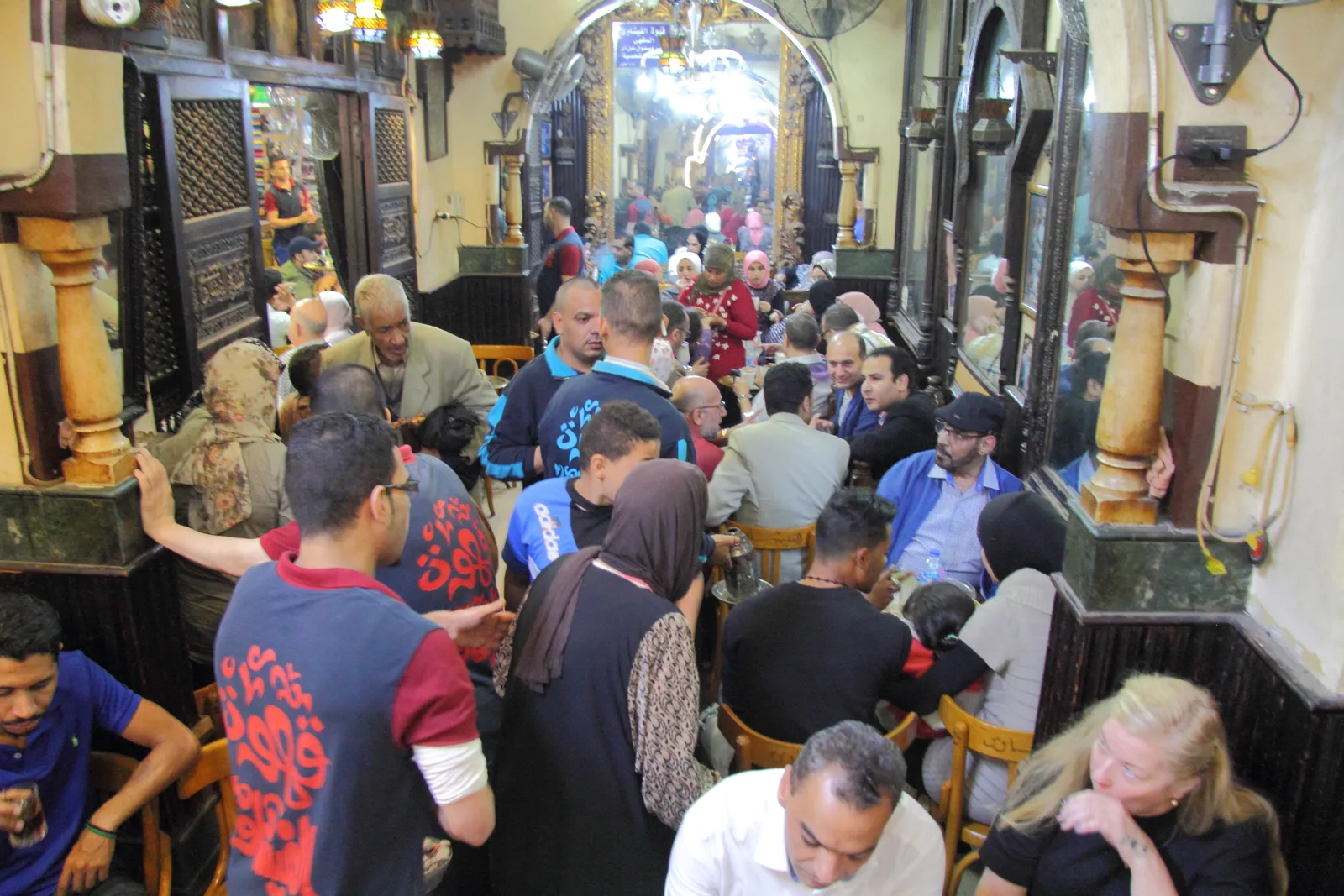
Şehirlerimizdeki sayısız binada aynı sahne tekrarlanıyor: bir zamanlar garaj, depo ya da konut olarak ayrılmış bir bodrum veya zemin kat birileri tarafından kiralanıyor ve bir gecede kahvehaneye dönüşüyor: kaldırıma taşan plastik sandalyeler, maçlar için dev bir ekran ve közü ikindiden şafak sonrasına kadar hiç sönmeyen onlarca nargile. Hemen üst katlarda ise aileler, evlerinin kimseye danışılmadan kurulmuş, hiç bitmeyen bir gece âleminin üzerinde kaldığını birdenbire fark ediyor.
Bu köşenin her zaman başlaması gereken yerden başlayalım: bu, idari bir ihlal olmadan önce ahlaki bir saldırıdır. Ev, insanın son kalesidir; kapısını yorgunluğunun üzerine kapatıp uyuması gereken yerdir. Nargile ve melaslı tütün dumanı havalandırma boşluklarından ve aydınlıklardan yatak odalarına sızdığında, kahkahalar, taraftar gürültüsü ve masa şakırtısı sabahın üçüne kadar daire duvarlarını deldiğinde, kahvehanenin sahipleri ticari bir iş yürütmüyor; koca bir apartmanın uykusuna el koyuyorlar.
Buradaki zarar geçici bir rahatsızlık değildir. Dairelere sızan pasif duman herkese, en çok da çocuklara, göğüs ve alerji hastalarına ve yaşlılara zarar verir; tıp bu konuyu onlarca yıl önce karara bağladı. Kronik uykusuzluk da yitirilmiş bir konfor değil, doğrudan bir sağlık zararıdır: öğrenci okula bitkin gider ve başarısı düşer; çalışan sabah arabasını yarım dikkatle kullanır; hasta bir anne bir saatlik sükûnet bulamaz.
Bir de kaldırım ile sokak var. Kapısının önünde birkaç sandalyeyle başlayan kahvehane kısa sürede bütün kaldırımı yutar; yayalar yola inmek zorunda kalır, apartman girişi bir bekleme salonuna döner ve sakinler kendi evlerine masalarla dumanların arasından, sanki kendi evlerinde istenmeyen misafirlermiş gibi yol açarak ulaşır.
Mısır hukuku burada seyirci kalmıyor; sorun uygulamadadır. 2008 tarihli ve 119 sayılı İnşaat Kanunu ile şartname kuralları, bağımsız bölümlerin kullanımını ve kullanım değişikliğini düzenler; bir konutun ya da bodrumun ticari faaliyete çevrilmesi malikin mutlak hakkı değil, kendi koşulları ve izinleri olan bir işlemdir. 2019 tarihli ve 154 sayılı Umumi Mahaller Kanunu ruhsat şartı getirir ve işletme koşullarını belirler; 1981 tarihli ve 52 sayılı Sigara Zararlarıyla Mücadele Kanunu ve değişiklikleri kapalı kamusal alanlarda sigara içilmesini yasaklar; 1994 tarihli ve 4 sayılı Çevre Kanunu ise geceleyin aşılamayacak gürültü sınırları koyar. Hukuki araçlar mevcut; eksik olan, bunların kullanılmasıdır.
İnsaflı da olalım: kahvehanelere karşı değiliz, onlar Mısır toplumsal hayatının köklü bir parçasıdır; ekmeğini kazanmak için iş kuran bir gence de karşı değiliz. Karşı olduğumuz tek ve çok belirli bir şey var: faaliyetin ona uygun olmayan bir yerde ve sakinlerin huzurunu kârının bedeli haline getiren bir biçimde kurulması. Kahvehanenin yeri, belirlenen koşullarla ticari bölgeler ve caddelerdir; üzerinde çocukların uyuduğu bir apartmanın karnı değil.
Sorumluluk yalnızca kiracıya da ait değildir. Bodrumun neye dönüşeceğini bile bile kiraya veren malik, zararın tam ortağıdır: yıllarca yan yana yaşadığı komşularının huzurunu bir kira artışına satmıştır. Uygun olmayan bir yerdeki faaliyete ruhsat veren ya da göz yuman ruhsat makamları da hiç de daha az sorumlu olmayan üçüncü ortaktır.
Vatandaştan beklenen: kahvehane sahibi kendine tek bir soru sormalıdır — çocuklarıyla birlikte kendi kahvehanesinin üstünde oturmayı kabul eder miydi? Cevap hayırsa, bilsin ki insanlara kendisine reva görmediğini yapıyor. Malikten beklenen, getirisi ne kadar cazip olursa olsun konutları ve bodrumları sakinlere zarar veren faaliyetlere kiralamamasıdır. Zarar gören sakinlerden beklenen ise teslim olmamaktır: belediyeye ve ruhsat makamlarına belgeli toplu şikâyette bulunmak bir haktır; sakin ve düzenli bir talep, günlük kavgadan çok daha fazlasını sağlar.
Devletten beklenen ise şudur: konutların ve bodrumların kullanım değişikliği üzerindeki denetimin mevsimlik değil gerçek olması; her umumi mahallin ruhsatının, yerinin ve sakinler üzerindeki etkisinin ciddi biçimde incelenmesine bağlanması; gece gürültü sınırlarının ve kapanış saatlerinin sözde değil fiilen uygulanması; ve sakinlerin şikâyetinin, ofisler arasında dolaşıp evrakın rafa kalkmasıyla biten bir çile yolculuğu değil, sonuç veren kolay bir yol olması.
Bu köşenin terazisinde kural basittir: uyku ve temiz hava hakkı, gece eğlenme ve kâr etme hakkının önünde gelir. Kahvehane açmak isteyen, gereken yerde ve gerektiği gibi açsın. Ama konut binalarının, sakinlerine dayatılan gece kulüplerine dönüşmesi — işte bu yanlıştır: yarın sınava girecek çocuğun hakkına, sessizliğe muhtaç hastanın hakkına ve “ev” fikrinin kendisine karşı yanlıştır.
İlgili Haberler
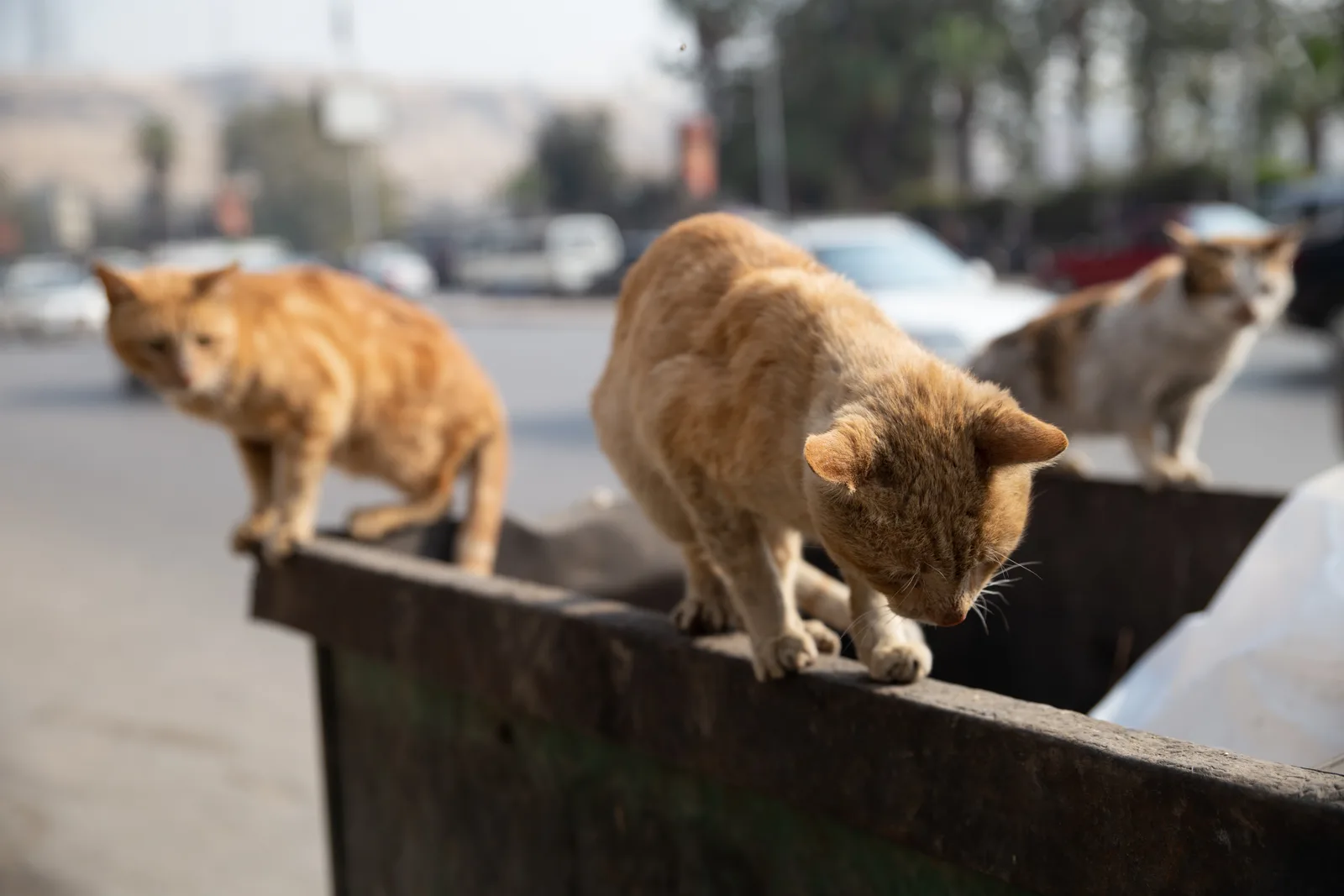
«Keda Ghalat» (Bu Yanlış): Kâsede Zehir, Sırtta Değnek — Hayvana Eziyet, 1937'den Beri Mısır Ceza Kanunu'nda Suç
Bir komşu okul duvarının yanına zehirli kaplar bırakıyor, bir araba sahibi ise eşeğine ağır bir yük çektirmek için yüzüne sopayla vuruyor. Birçok kişi «sadece bir hayvan»ı hiçbir kanunun korumadığını sanıyor. Oysa Ceza Kanunu'nun 355, 356 ve 357. maddeleri, hayvan öldürmeyi, zehirlemeyi ve ona eziyet etmeyi hapis cezasına varan yaptırımlarla cezalandırıyor. Dünya Hayvanlar Günü arifesinde kanunun ne dediğini açıklıyoruz.
3 Ekim 2026 · 6 dk okuma
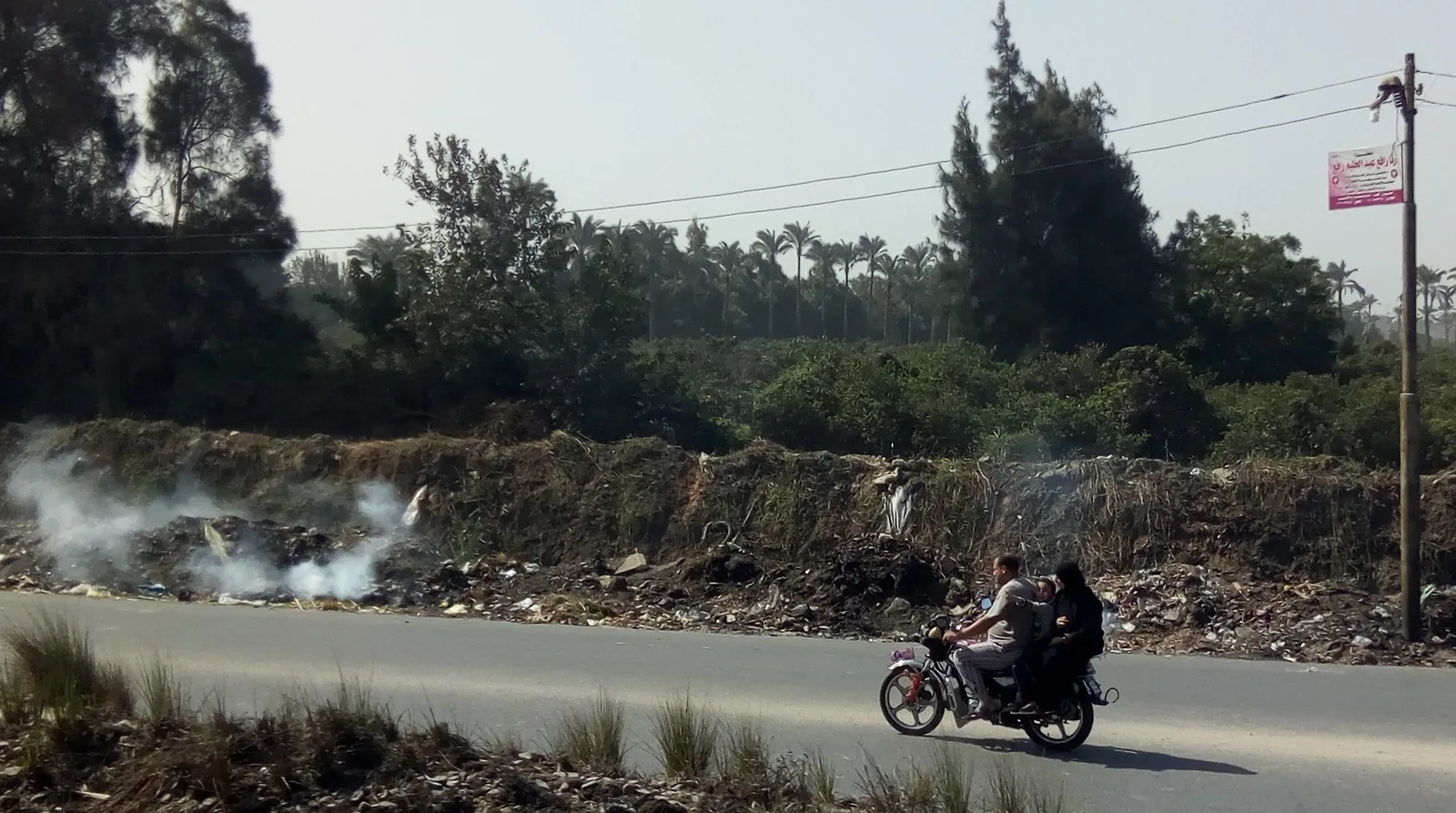
Dört Kişi Bir Motosiklette, Hiçbirinde Kask Yok: Ailenin Yolda Kaybedebileceği En Değerli Şey Açık Baştır
Okulların ikinci haftasında aynı sahne tekrarlanıyor: baba direksiyonda, bir çocuk önünde, biri arkasında, anne çantaları tutuyor; aralarında tek bir kask yok. Basın, CAPMAS'a dayanarak ölümlerin 2020-2024 arasında 190'dan 897'ye çıktığını aktarıyor; Cochrane derlemesi kaskın ölüm riskini %42 azalttığını gösteriyor. Kanun açık başı 1999'dan beri cezalandırıyor, ceza 2008'de artırıldı. Peki neden uymuyoruz?
23 Eylül 2026 · 8 dk okuma
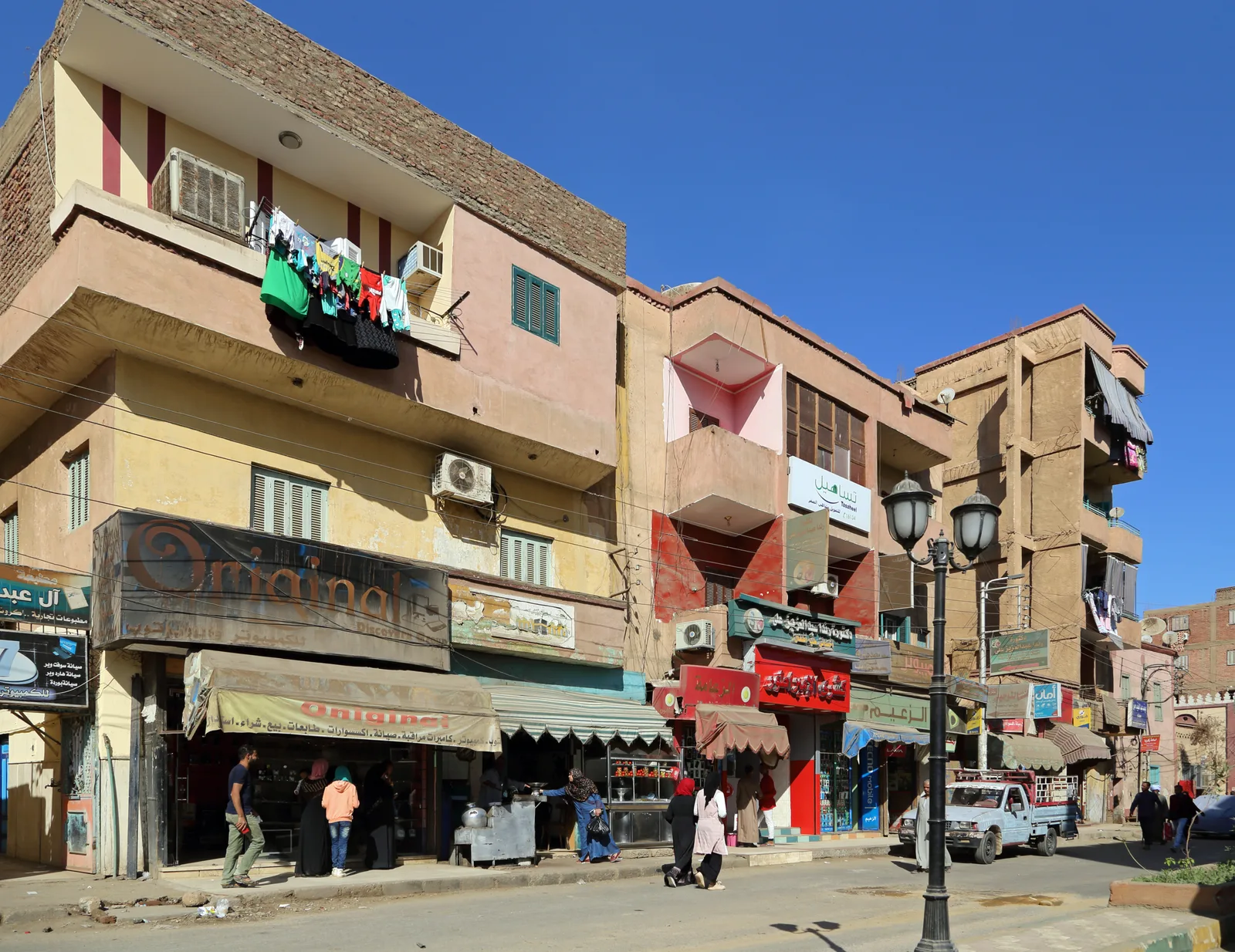
"Kabloya Atlatma" Kurnazlık Değildir: Elektrik Hırsızlığı Bedelini Tüm Mahallenin Ödediği Bir Suçtur
Aydınlatma direğinden balkona sarkan çıplak bir kablo, sayacı hiç dönmeyen bir sayaç üzerinden çalışan klima ve üçüncü kez atan sigorta, faturasını ödeyen komşunun evini karanlığa gömüyor. Elektrik Kanunu'nun 71. maddesi bunu elektrik akımına haksız el koyma sayıyor ve hapis ile para cezasıyla cezalandırıyor; daha ağır bir değişiklik ise Temsilciler Meclisi'ni bekliyor. Bir kaçak bağlantıdan bütün sokak ne kaybeder? Doğru alternatif nedir?
14 Eylül 2026 · 7 dk okuma