Ekmek kuyruğunda: Sabrın ekmekle birlikte yoğrulduğu günlük Mısır ritüeli
Şafaktan önce, her Mısır fırınının önünde kendi kendini yöneten küçük bir parlamento toplanır: baladi ekmeği kuyruğu. Bu günlük ritüelin sokak düzeyinden bir portresi — yazılı olmayan kuralları, akıllı kartları, kaba eşitliği ve fırın önündeki kuyruğun neden her zaman ülkenin hâlini gösteren bir barometre olduğu.
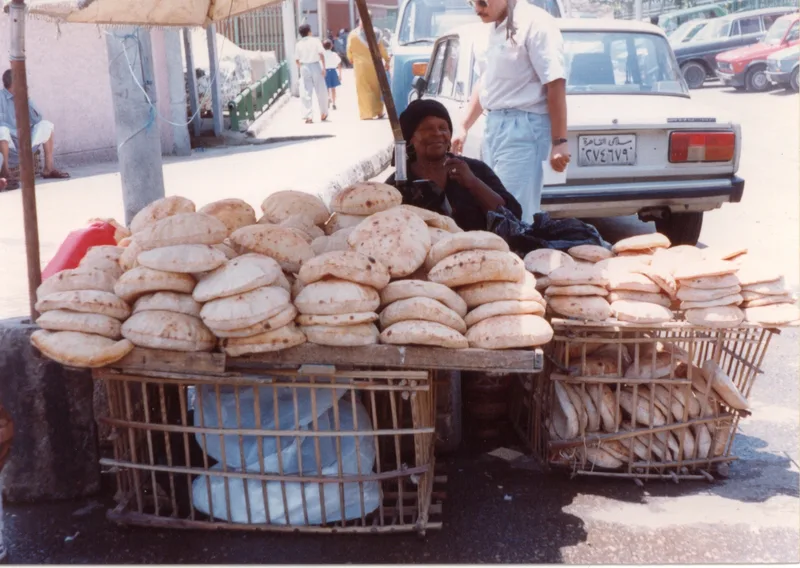
Gün dumanla başlar. İlk ezanın yankısı daha dinmeden mahalle fırınının bacası çoktan solumaya başlamıştır; pişen hamurun kokusu, henüz uykuda olan sokaklara yayılır. Madenî kepenk gürültüyle kalktığında sıra çoktan oluşmuştur: galabiyeli erkekler, bez torbalı kadınlar, annesinin elinde ailenin akıllı kartıyla aşağı yolladığı uykulu bir çocuk. Ekmek sırası — Mısır gündelik hayatının en eski, en sıradan ve en çok şey anlatan kurumlarından biri — toplanmıştır.
Bunca ilginin nesnesi yassı, yuvarlak bir somundur: kaba undan koyu pişmiş, kabarcıklı ve uğuldayan fırından sıcak çıkan aiş baladi. Mısır Arapçasında ekmeğin adı «aiş»tir — kelimenin tam anlamıyla «hayat» — ve dil abartmıyor. Sübvansiyonlu baladi ekmeği kuşaklar boyu Mısır sofrasının çıpası olmuş, fiyatı devletçe onlarca yıl kuruşla ölçülen bir düzeyde korunmuştur ki sokağın en yoksul hanesi de her gün sofrasına ekmek koyabilsin.
Sıranın kendi yazısız anayasası vardır. Bir omza konan el, sahibi kısa bir işe koşarken yerini tutar. Yaşlı bir adam tartışmasız öne alınır. Kucağında çocuk taşıyan bir kadına ekmeği ilk verilir ve herkes sıranın hep böyle olduğunu varsayar. Biri kaynak yapmaya kalkışır; sıra patlar, tartışır, pazarlık eder ve bir dakika içinde kendini toparlar — her sabah başkansız ve tutanaksız toplanan, kendi kendini yöneten küçük bir meclis.
Teknoloji de bu ritüele katıldı. Yıllardır sübvansiyon akıllı kartlar üzerinden yürüyor: hanede kayıtlı her birey, o haneye günde belirli sayıda sübvansiyonlu ekmek hakkı kazandırıyor; kart, ekmekten önce pencereden uzanıyor. Okuyucunun hafif «bip» sesi artık sıranın fon müziğinin parçası — tahta küreğin fırın tabanını kazıma sesinin ve arkadan hep aynı bağırışın yanında: «Ekmek var mı, yok mu?»
İçeride koreografi kusursuzdur. Bir işçi hamur bezelerini uzun tahta küreğe dizip alevlere savurur; bir başkası kabarıp kabarcıklanan somunları tam çıkarken yakalar; üçüncüsü onları pencerede hiçbir kasiyerin yetişemeyeceği bir hızla sayar, uzatılan tepsilere ve açılmış gazetelere fırlatır. Yazın fırın ağzındaki sıcak amansızdır ve orada çalışan adamlar bunu ramazan oruçlarında da ağustos öğledensonralarında da aynı şekilde yaparlar.
Ardından en Mısırlı manzaralardan biri gelir: ekmeğin yola çıkışı. Sıcak somunlar torbaya konamaz — buğulanıp yumuşarlar — bu yüzden açık havada yolculuk ederler: hurma yaprağı sedyelerde ve tel tepsilerde yassı taşınarak, başların üstünde, bisiklet gidonlarında, araba tavanlarında, sokağın sunabildiği her temiz yüzeye soğusun diye serilerek. Sabah yedide bir fırının önündeki kaldırım, soğuyan ekmekle telaşsız sohbetten örülmüş bir mozaiktir.
Asıl mesele sohbettir; en azından yarısı. Sıra, sokağın not karşılaştırdığı yerdir: sebze arabasındaki fiyatlar, perşembeki düğün, hastanedeki komşu, sınav sonuçları, dünkü maç. Müdavimler birbirinin ne aldığını da derdini de bilir. Yalnız yaşayan yaşlılar için sabah fırına gitmek, günün başlıca toplumsal olayı olabilir: belirli bir saatte tanıdık yüzlerle garantili bir karşılaşma.
Sıranın öğrettiği şey, bir tür ham eşitliktir. Doktorun ailesi de kapıcının ailesi de aynı pencereden, aynı fiyata, aynı ekmeği alır. Katmanlaşmış bir şehirde bunun geçerli olduğu pek az yer kaldı. Başka türlü asla karşılaşmayacak insanlar omuz omuza durur, aynı mütevazı işin bağladığı kişiler olarak; ve çıkan ekmek hepsi için aynıdır: sıcak, kusurlu, kepekle tozlanmış ve tümüyle demokratik.
Sabahın ortasında ilk yoğunluk geçmiştir; öğle öncesi ikinci bir pişirim daha kısa bir sıra toplayacaktır. Çocuk, ekmekleri kolunun üstüne dizmiş, kartı cebinde, koşarak eve döner; bir köşesi çoktan koparılıp yenmiştir — Mısır'da her çocuğun eve giderken aldığı vergi. Yarın, şafaktan önce baca yeniden soluyacak ve kaldırımın meclisi yeniden toplanacak. Toplandığı sürece, ülkenin gündelik hayatındaki temel bir şey ayakta duruyor demektir.
İlgili Haberler
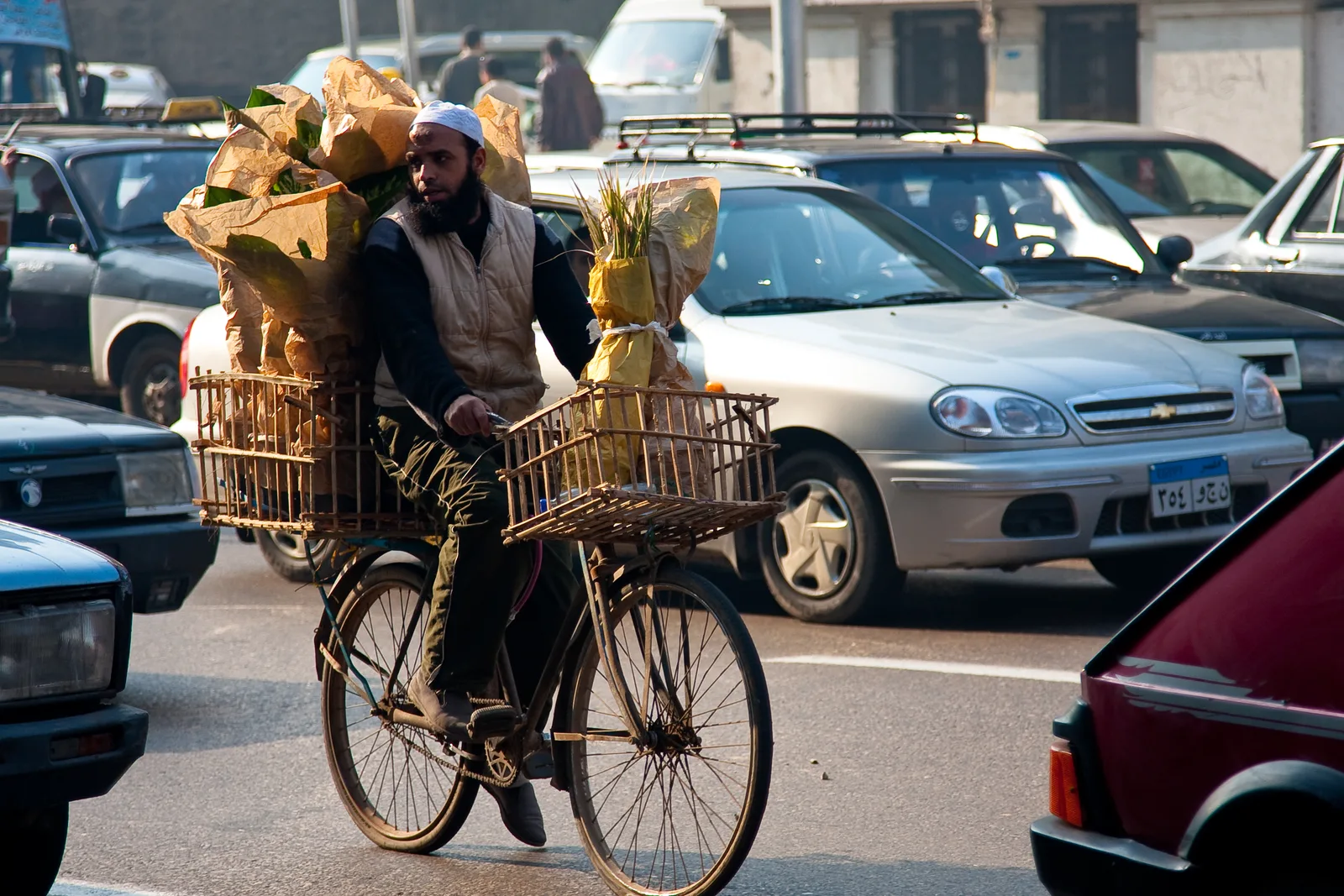
Kalabalığın Ortasında İki Teker: Arabasız Gün'de Bisiklet Mısır Sokaklarının Neresinde Duruyor?
22 Eylül'de dünya Arabasız Gün'ü kutlarken, bizim sokaklarımızda bisiklet minibüslerin arasından ve üzerine araba park edilmiş çizili bir şeridin üstünden geçip gidiyor. Cairo Bike'tan "Bisikletin Sağlığın" programına, ara sokakta başının üstünde ekmek tepsisi taşıyan çocuğa kadar: Herhangi bir yoldan geçenin gördükleri üzerine bir röportaj ve tek bir soru: Mısır'da bisiklet kimin için ve güvenli şerit neden hâlâ bir hayal?
22 Eylül 2026 · 8 dk okuma
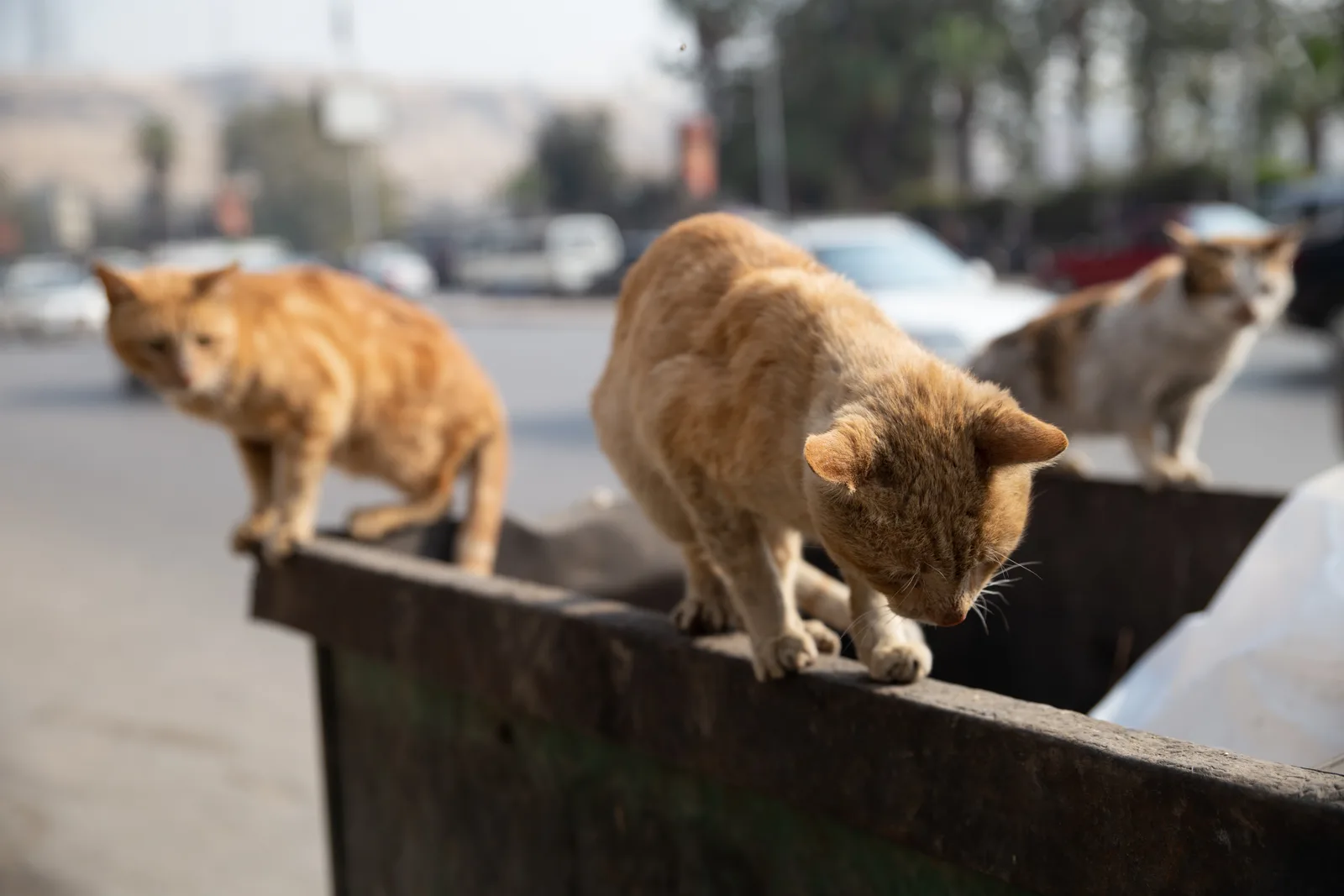
«Keda Ghalat» (Bu Yanlış): Kâsede Zehir, Sırtta Değnek — Hayvana Eziyet, 1937'den Beri Mısır Ceza Kanunu'nda Suç
Bir komşu okul duvarının yanına zehirli kaplar bırakıyor, bir araba sahibi ise eşeğine ağır bir yük çektirmek için yüzüne sopayla vuruyor. Birçok kişi «sadece bir hayvan»ı hiçbir kanunun korumadığını sanıyor. Oysa Ceza Kanunu'nun 355, 356 ve 357. maddeleri, hayvan öldürmeyi, zehirlemeyi ve ona eziyet etmeyi hapis cezasına varan yaptırımlarla cezalandırıyor. Dünya Hayvanlar Günü arifesinde kanunun ne dediğini açıklıyoruz.
3 Ekim 2026 · 6 dk okuma
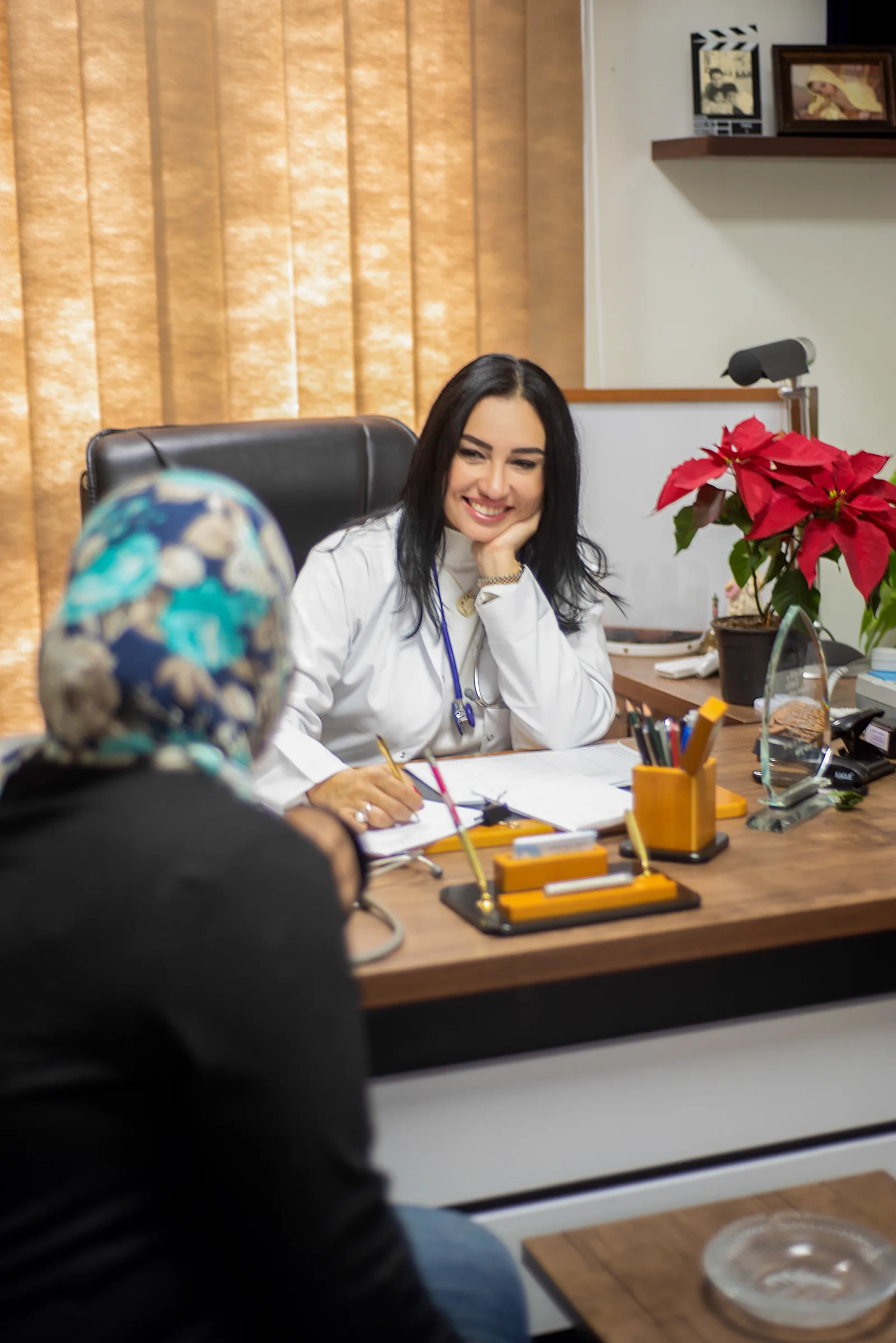
Pembe Ekim: en yakın sağlık ocağında ücretsiz muayene… erken teşhis Mısırlı kadının kaderini neden değiştiriyor?
“Hiçbir yerim ağrımıyor” ertelemek için bir gerekçe değil. Temmuz 2019'dan bu yana Mısır'daki sağlık ocakları 18 yaş ve üzeri her kadına ücretsiz kapılarını açıyor; Haziran 2026'ya gelindiğinde geç evrede yakalanan vaka oranı %60'tan %19,5'e geriledi. Sağlık ocağında neler yaşandığını, hangi belirtilerin ziyareti gerektirdiğini ve korkunun bu önemli muayeneyi neden geciktirdiğini anlatıyoruz.
2 Ekim 2026 · 7 dk okuma