Kuyruktan ekrana: Vatandaş, devlet dairesi ve Dijital Mısır
Şafak vakti kuyruklarından 'yarın gel' gişesine, devlet dairesi yolculuğu Mısırlıların ortak ulusal deneyimi olageldi. Bugün belgelenmiş bir dijital dönüşüm hamlesi — Dijital Mısır portalı, belgelerin eve teslimi ve elektronik ödeme — vatandaşla gişe arasındaki ilişkiyi sessiz sedasız yeniden yazıyor.
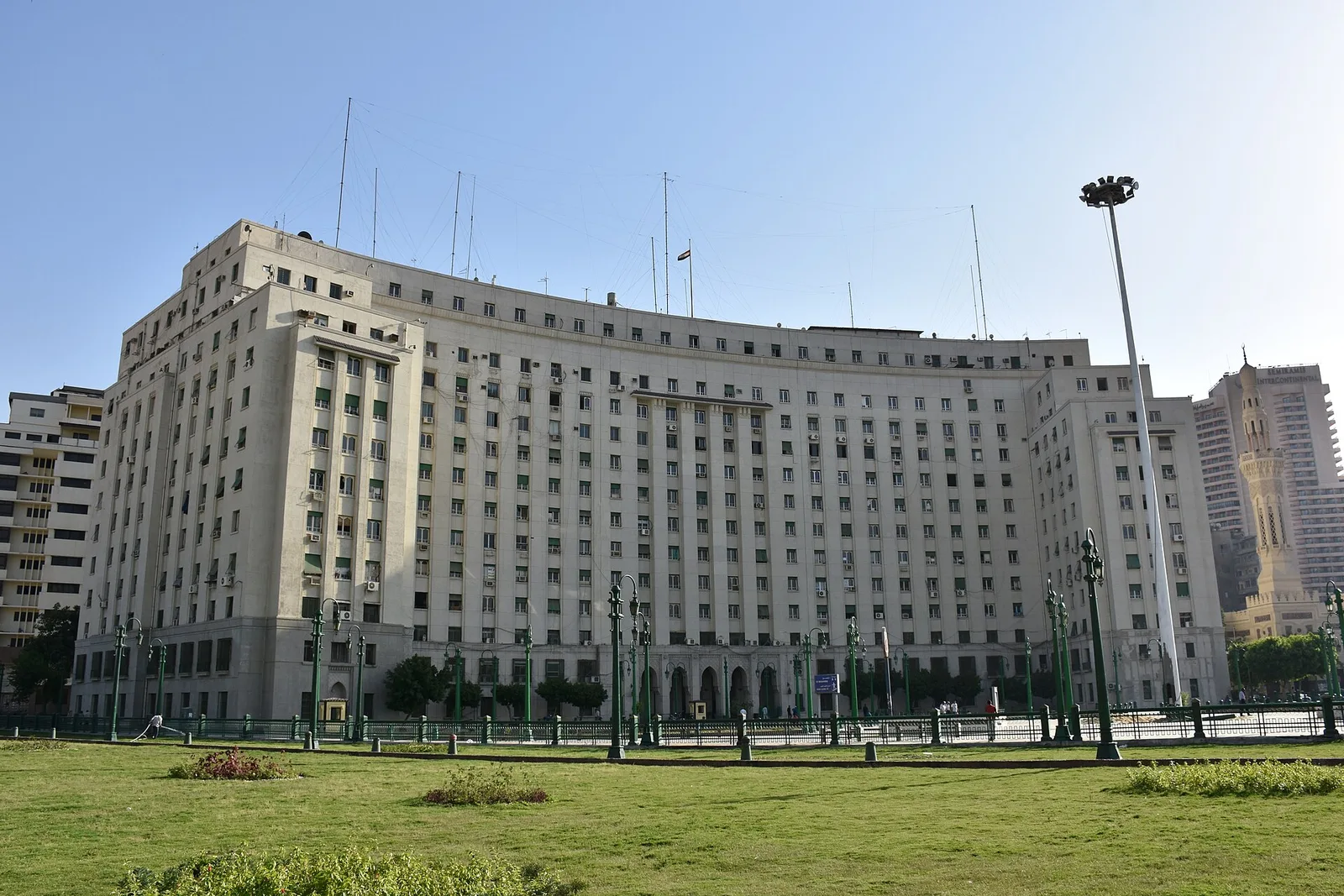
Bu sahne neredeyse her Mısır evinde tanıdıktır. Güneş doğmadan kalkar, bir dosya dolusu fotokopiyi toplar ve kalabalığı geçme umuduyla devlet dairesine yola çıkarsınız. Çıkarılacak bir doğum belgesi, yenilenecek bir kimlik kartı, onaylatılacak bir imza, mühürlenecek bir emeklilik evrakı vardır. Kuşaklar boyunca bu yolculuk — kuyruk, gişe, mühür ve “yarın gelin” sözü — Mısır kamu hayatının en ortak deneyimlerinden biri oldu; zengini de yoksulu da, şehirlisi de köylüsü de aynı yolu yürüdü.
Geleneksel güzergâh, vatandaşların ezbere bildiği bir senaryoyu izler. Daireye bitişik olarak her zaman çalışan fotokopiciden başlar, çünkü dosya asla tamamlanmaz. Damga pulu gişesinden, ardından her kâğıdı tek tek inceleyen memurdan geçer ve eksik tek bir belge yüzünden aniden sona ererek bütün yolculuğu başka bir güne, en baştan bırakabilir. Evrakın kendine ait bir sözlüğü vardır: dosya, mühür, şube müdürünün imzası ve artık her şeyin beklediği o ifade: “onay bekliyor”.
Bu düzen tesadüfen ortaya çıkmadı. Mısır, yeryüzündeki en eski kesintisiz idari aygıtlardan birine sahiptir ve bugünkü biçimi 19. ve 20. yüzyıllarda, ayrı dairelerde tutulan kâğıt kayıtlar etrafında şekillendi. Nüfus müdürlükleri doğum ve ölümleri tutar, noterlik ve tapu daireleri sözleşmeleri ve vekâletnameleri kaydeder, trafik müdürlükleri ehliyetleri saklar, tedarik büroları da erzak kartlarını yönetir. Her kurum tarihsel olarak kendi defterini tuttuğu için, devletin bizzat kaydettiği olguları kanıtlamak üzere mühürlü kâğıtları bir binadan diğerine taşıyan haberci, vatandaşın kendisi oldu.
Bu yolculuğun bedeli her zaman sabırdan fazlasıyla ölçüldü. Bir işçi, bir kartı yenilemek için bir günlük yevmiyesini kaybeder. Bir köylü, dakikalar içinde çıktısı alınan bir kâğıt için ilçe merkezine, bazen birden fazla kez gider. Yaşlılar ve engelliler, kendileri düşünülerek tasarlanmamış binalarla karşılaşır. Kuyruklar uzadıkça ve işlemler bulanıklaştıkça da “içeriden birini tanıyan” aracıların pazarı doğar; bu yükün en ağırı, ödeme gücü en düşük olanların sırtına biner.
Mısır’ın dijital dönüşüm seferberliğinin değiştirmeye çalıştığı manzara işte budur. Haberleşme ve Bilgi Teknolojileri Bakanlığı çatısı altında yürütülen resmî devlet kapısı “Dijital Mısır” portalı, giderek büyüyen bir gündelik hizmet paketini tek bir internet sitesinde ve tek bir uygulamada topluyor. Doğum belgesi gibi nüfus kayıt belgeleri internet üzerinden istenip eve teslim edilebiliyor. Noter onayı hizmetleri, erzak kartı işlemleri, bazı adli talepler ve trafik hizmetleri tamamen ya da kısmen elektronik kanala taşındı.
Portalı kullanmanın mantığı basittir. Kimlik numaranız ve cep telefonunuzla bir hesap açar, hizmeti seçer, bilgileri doldurur, kartla ya da elektronik cüzdanla çevrimiçi ödeme yapar, ardından belgeyi posta yoluyla alır ya da belirlenen bir noktadan teslim alırsınız. İnternet erişimi olmayanlar ya da çevrimiçi işlem yapmaya güvenmeyenler için aynı hizmetler postanelerde ve devlet hizmet merkezlerinde sunuluyor; orada bir görevli elektronik başvuruyu vatandaş adına tamamlıyor. Gişe yerinde duruyor, ama arkasındaki evrak değişti.
Bunların hiçbiri daha eski bir temel olmadan mümkün olmazdı: ulusal kimlik numarası. Mısır nüfus kayıtlarını modernleştirip makine okumalı kimlik kartları çıkardığından beri her vatandaş, farklı kurumlardaki kayıtlarını birbirine bağlayan tek bir numara taşıyor. Dijital hizmetler işte bu ipe asılıdır. Veri tabanları birbiriyle konuşabildiğinde, devletin, zaten elinde tuttuğu olguların kanıtını vatandaştan istemesine gerek kalmaz; asıl devrim de herhangi bir internet sitesinden çok buradadır.
Fark, küçük ve somut ayrıntılarda görünür. Doğum belgesi bir zamanlar doğum yerinin nüfus müdürlüğüne gitmeyi gerektirirdi; Asvan’da doğup İskenderiye’de yaşayan biri için zorlu bir yolculuk. Bugün ise telefondan istenip postayla eve gelebiliyor. Vekâletname için bütün bir sabahı kuyrukta harcamak yerine randevu alınabiliyor. İnternete taşınan her hizmet teknolojiyle değil, insanların ömründen geri kazanılan saatlerle ölçülür.
Dürüst tablo sınırları da içerir. Her Mısırlının akıllı telefonu, güvenilir bir internet bağlantısı ya da çevrimiçi bir formu doldurabilecek dijital özgüveni yok; özellikle yaşlılar yeni kanalı eski kuyruktan daha zor bulabiliyor. Bazı işlemler hâlâ haklı olarak fiziksel varlık gerektiriyor: parmak izi, fotoğraf, ıslak imza. Ayrıca hiçbir elektronik sistem, arkasındaki veriden daha iyi olamaz; bir kayıttaki hatayı düzeltmek için yine bir insan gerekir. Dijitalleşme yolculuğu kısalttı, ama henüz ortadan kaldırmadı.
Vatandaş için yeni düzeni daha iyi işletecek birkaç alışkanlık var. Her hizmetin resmî ücreti portalın kendisinde yayımlanıyor; fazla ödeme yapmaya karşı en sağlam korunma budur. Her elektronik başvuru, belge elinize ulaşana kadar saklamanız gereken bir referans numarası üretir. Neredeyse her köyde bulunan postane, insan yüzü görmeyi tercih edenler için yedek gişedir. Bir hizmet çevrimiçi sunuluyorsa, önce oradan istemek çoğu zaman bütün yolculuğu gereksiz kılar.
Devlet dairesinin önündeki kuyruk bir gecede yok olmayacak; bir yüzyılda kurulan alışkanlıklar ve düzenler on yılda erimez. Ama yolun yönü açık ve belgeli: internette daha çok hizmet, kapıya daha çok teslimat, koltuk altında dosyayla daha az yolculuk. Asıl derin değişim ilişkinin kendisinde — gişeye yalvaran vatandaştan, hizmeti talep eden ve gelmesini bekleyen vatandaşa. Bir kez kök salan bu beklenti de kolay kolay kaybolmaz.
İlgili Haberler
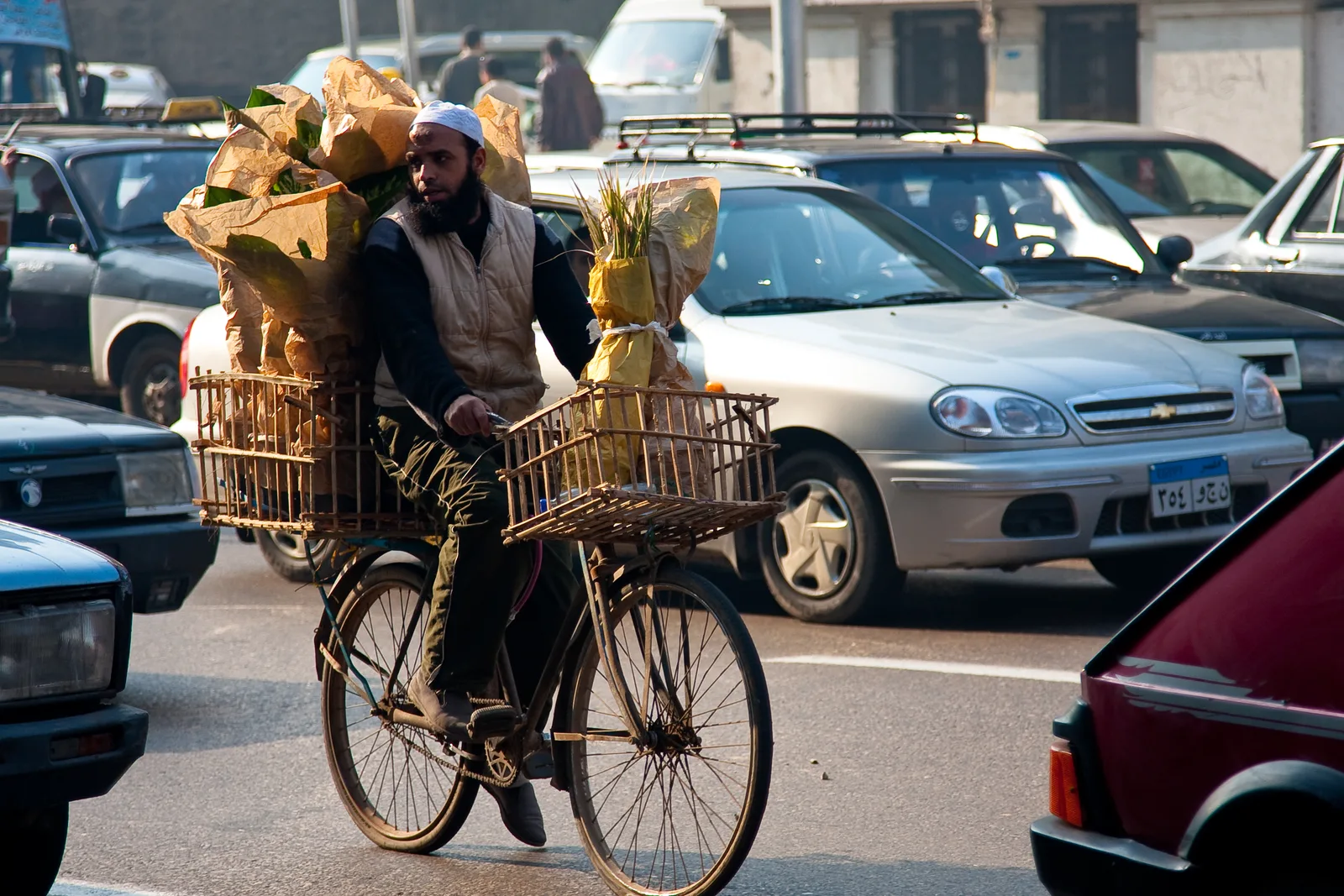
Kalabalığın Ortasında İki Teker: Arabasız Gün'de Bisiklet Mısır Sokaklarının Neresinde Duruyor?
22 Eylül'de dünya Arabasız Gün'ü kutlarken, bizim sokaklarımızda bisiklet minibüslerin arasından ve üzerine araba park edilmiş çizili bir şeridin üstünden geçip gidiyor. Cairo Bike'tan "Bisikletin Sağlığın" programına, ara sokakta başının üstünde ekmek tepsisi taşıyan çocuğa kadar: Herhangi bir yoldan geçenin gördükleri üzerine bir röportaj ve tek bir soru: Mısır'da bisiklet kimin için ve güvenli şerit neden hâlâ bir hayal?
22 Eylül 2026 · 8 dk okuma
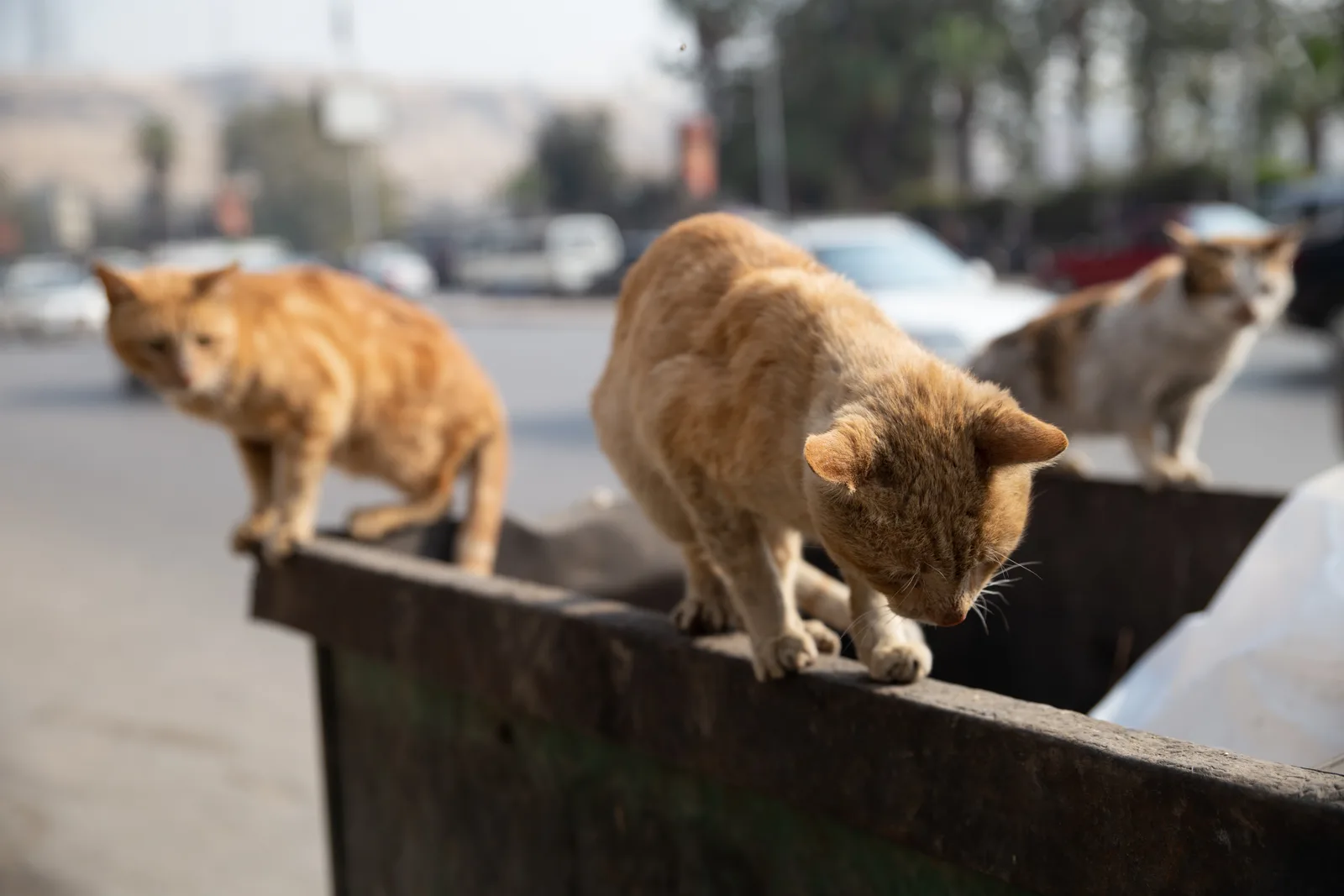
«Keda Ghalat» (Bu Yanlış): Kâsede Zehir, Sırtta Değnek — Hayvana Eziyet, 1937'den Beri Mısır Ceza Kanunu'nda Suç
Bir komşu okul duvarının yanına zehirli kaplar bırakıyor, bir araba sahibi ise eşeğine ağır bir yük çektirmek için yüzüne sopayla vuruyor. Birçok kişi «sadece bir hayvan»ı hiçbir kanunun korumadığını sanıyor. Oysa Ceza Kanunu'nun 355, 356 ve 357. maddeleri, hayvan öldürmeyi, zehirlemeyi ve ona eziyet etmeyi hapis cezasına varan yaptırımlarla cezalandırıyor. Dünya Hayvanlar Günü arifesinde kanunun ne dediğini açıklıyoruz.
3 Ekim 2026 · 6 dk okuma
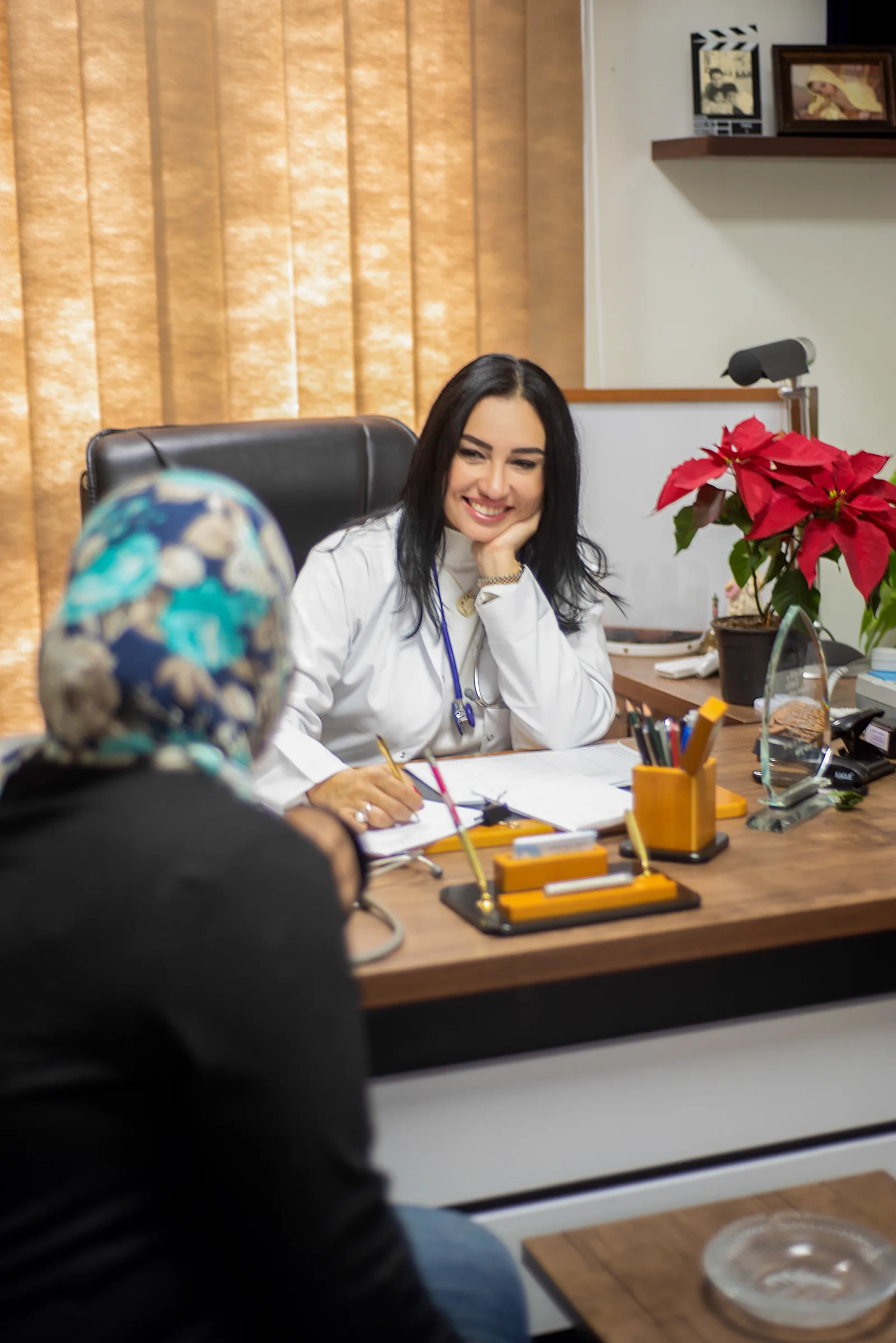
Pembe Ekim: en yakın sağlık ocağında ücretsiz muayene… erken teşhis Mısırlı kadının kaderini neden değiştiriyor?
“Hiçbir yerim ağrımıyor” ertelemek için bir gerekçe değil. Temmuz 2019'dan bu yana Mısır'daki sağlık ocakları 18 yaş ve üzeri her kadına ücretsiz kapılarını açıyor; Haziran 2026'ya gelindiğinde geç evrede yakalanan vaka oranı %60'tan %19,5'e geriledi. Sağlık ocağında neler yaşandığını, hangi belirtilerin ziyareti gerektirdiğini ve korkunun bu önemli muayeneyi neden geciktirdiğini anlatıyoruz.
2 Ekim 2026 · 7 dk okuma