Arabaların arasından karşıya geçmek: Bedelini yayanın da sürücünün de ödediği kumar
Üst geçide ya da yaya geçidine birkaç metre kala, yaya asfalt nehrine dalıyor; arabaların arasında koşarken elini, sanki fren yerine geçermiş gibi hızla gelenlere doğru kaldırıyor. Öyle alıştığımız bir günlük sahne ki gerçeğini unuttuk: Bu, yayanın canı ve direksiyonu kırıp masumlara çarpabilecek sürücünün sinirleri üzerine oynanan bir kumardır. Bu yanlış — iki tarafın da, devletin de yanlışı.
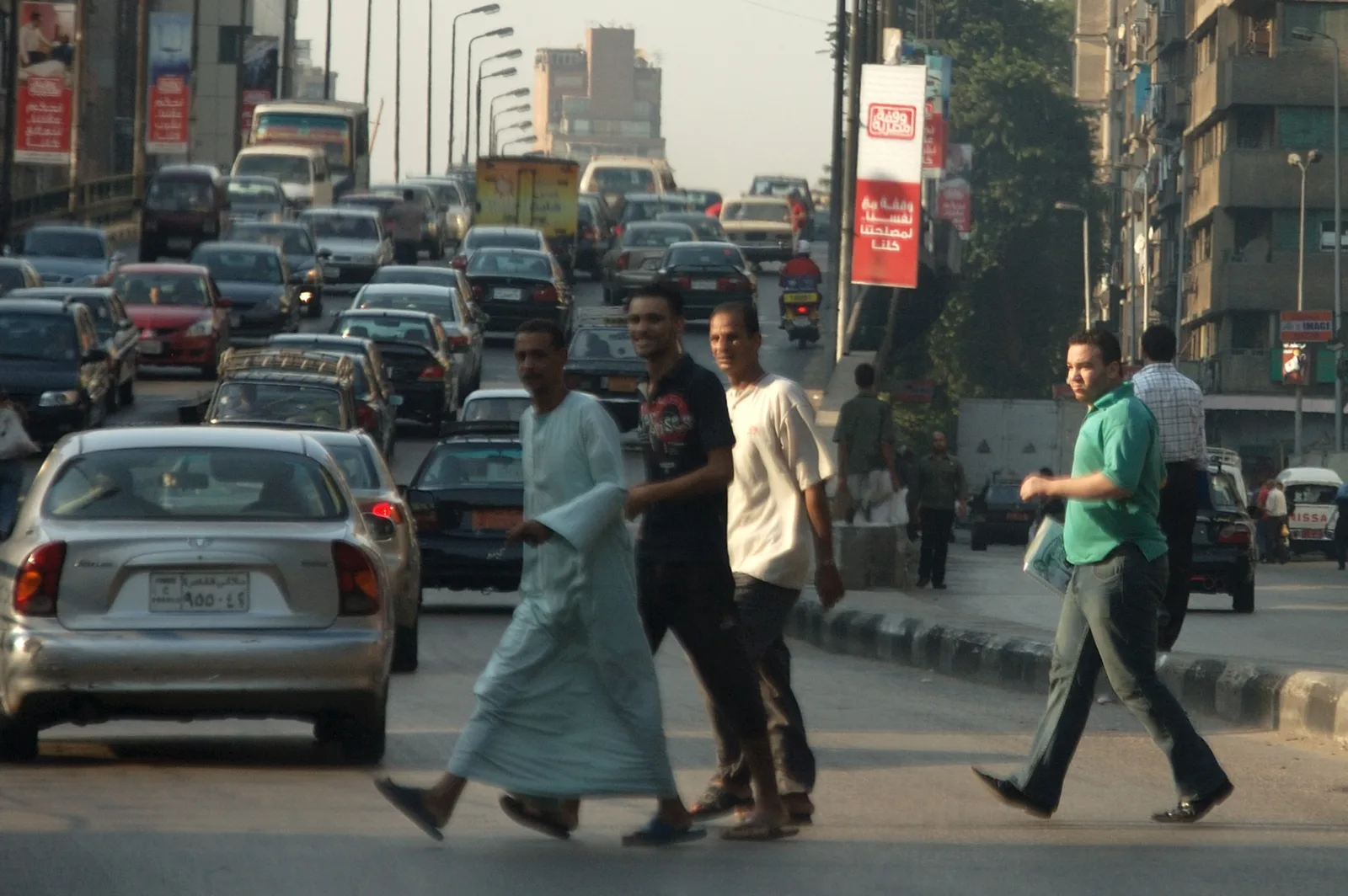
Sahne o kadar tanıdık ki artık dönüp bakmıyoruz bile: otomobillerin hızla aktığı bir otoyol ya da ana cadde, birkaç metre ötede bir yaya üst geçidi veya çizgili bir geçit; yine de yaya en kısa düz hattı seçiyor. Asfalt nehrine iniyor, bir arabadan sıyrılıyor, bir başkasının önünde donup kalıyor, avucunu sanki avuç bir fren pedalıymış gibi hızla gelen araçlara kaldırıyor, sonra koşarak karşı kıyıya geçiyor; onu görenlerin yüreği ağzına geliyor.
Bu davranışı adıyla analım: kumar. Yayanın, iki dakika kazanmak ya da üst geçidin basamaklarını çıkma zahmetinden kurtulmak uğruna canını masaya sürdüğü bir bahis. Üstelik elinde kâğıtların ancak yarısı var; öteki yarısı hiç tanımadığı bir sürücünün elinde. Dikkatli miydi? Frenleri sağlam mı? Yol ıslak mı? Tam da o anda güneş gözlerini alıyor mu? Sonu iyi biten her gelişigüzel geçiş bir beceri kanıtı değil, yalnızca bu sefer tutmuş bir zar atışıdır.
Bu sahnenin unutulan mağduru ise sürücüdür. Hep karşıdan karşıya geçenin tehlikesinden söz eder, yolun ortasında önünde birdenbire bir insan silueti beliren sürücünün saniyenin küçücük bir bölümünde imkânsız bir seçimle baş başa kaldığını unuturuz: ya çarpacaktır, ya sert fren yapıp arkadaki aracın altında kalacaktır, ya da direksiyonu kırıp başka bir araca veya kaldırımdaki başka bir yayaya çarpacaktır. Düşünün: kurallara uygun hızla ve tümüyle dikkatli bir biçimde araç kullanıyorsunuz, park hâlindeki iki otomobilin arasından biri önünüze fırlıyor. Sizin ne suçunuz var? Bir başkası tekerleklerinizin önünde canıyla kumar oynadı diye, işlemediğiniz bir suçun yükünü ömür boyu vicdanınızda taşımanızın neresi adalettir?
İşte hukuktan önce bizi ilgilendiren ahlaki sorumluluk tam da buradadır: arabaların arasından geçen kişi yalnızca kendini tehlikeye atmıyor — bu tek başına da kınanmak için yeterlidir — yoldaki her sürücüye seçmediği bir riski dayatıyor ve hiçbir kabahati olmayan o insanın omuzlarına ruhsal ve hukuki bir felaket ihtimali yüklüyor. Kendi bedeninizi tehlikeye atma özgürlüğünüz, bir başkasını bu kumarın zorunlu ortağı hâline getirdiğiniz anda sona erer.
Daha da tehlikelisi, gelişigüzel geçişin örnek alınarak miras bırakılan bir alışkanlık olmasıdır. Babasının elini tutarak arabaların arasından yolu yaran çocuk tek bir ders öğrenir: cadde böyle geçilir. Ondan sonra okulda verilecek bin trafik eğitimi dersi, velinin tekrarladığı tek bir sahnenin karşısında işe yaramaz. Yanında çocukla gelişigüzel geçen kişi hatayı iki kez işler: bir kez bugün, bir kez de o çocuğun yarın tek başına yapacağı her geçişte.
Hakkını teslim etmek gerekir: Mısır trafik kanunu bu sahneyi düzenlemesiz bırakmış değildir; bulunduğu yerlerde geçiş için ayrılmış alanları kullanmayı yayalara zorunlu kılar, bu alanlarda yayalara öncelik vermeyi de sürücülere. Hukuk kuralı vardır; ama o da pek çoğu gibi kendisini hatırlatacak birine ve uygulayacak birine muhtaçtır.
Bütün sorumluluğu yalnızca yayanın omuzlarına yüklersek okura karşı dürüst olmayız. Açıkça söyleyelim: pek çok yerde güvenli geçiş noktası ya hiç yoktur, ya dayanılmayacak kadar uzaktadır, ya da basamakları çürümüş, karanlık bir üst geçittir; geceleri hiçbir kadının güvenemediği, hiçbir yaşlının ya da engellinin çıkamadığı bir üst geçit. Bir yol, yayalar yokmuş gibi tasarlanıyorsa, yayaların da arabalar yokmuş gibi karşıdan karşıya geçmesine şaşırmayın. Geçiş güvenliği ortak bir sorumluluktur: yaya var olanı kullanmalı, devlet de var olanı insani ve kullanılabilir kılmalıdır.
Peki yurttaştan ne isteniyor? İstisnası olmayan tek bir kural: nerede ayrılmış bir geçit varsa oradan geçin, size kaç fazladan adıma mal olursa olsun; çünkü gelişigüzel geçerek “kazandığınız” o bir dakika, ömrünüzün son dakikası ya da masum bir sürücünün kâbusunun ilk dakikası olabilir. Güvenli bir yolun bulunmadığı bir yerden geçmek zorunda kalırsanız durun, iki yana bakın, düz bir hat üzerinde, koşmadan ve elinizde telefon olmadan geçin; bir çocuğu da asla bu kumara ortak etmeyin.
Peki devletten ne isteniyor? Ana yollarda makul aralıklarla güvenli geçiş noktaları: net ve aydınlatılmış yer işaretlemeleri, gerçekten çalışan yaya sinyalizasyonu, temiz, aydınlatılmış ve basamakları bakımlı üst geçitler, yaşlılar ile engelliler için üst geçidi bir ceza olmaktan çıkarıp gerçekten kullanılabilir bir seçeneğe dönüştürecek rampalar. Ardından trafik kurallarının her iki tarafa da uygulanması: yaya geçidinde durmayan sürücüye de, güvenli yol birkaç metre ötedeyken kendini yola atan yayaya da.
Bir caddenin iki kıyısı arasında canlar vardır: yayanın canı, sürücünün sinirleri ve öğrenmekte olan bir çocuğun gözü. Yola dalarak kazanılan o birkaç metre, bunların hiçbirine değmez. Üst geçit tam tepesindeyken arabaların arasından sıyrılan yayaya da, ana bir yolu insanca bir geçitten yoksun bırakan yetkiliye de aynı kararlılıkla ve hep birlikte söylüyoruz: böylesi yanlış.
İlgili Haberler
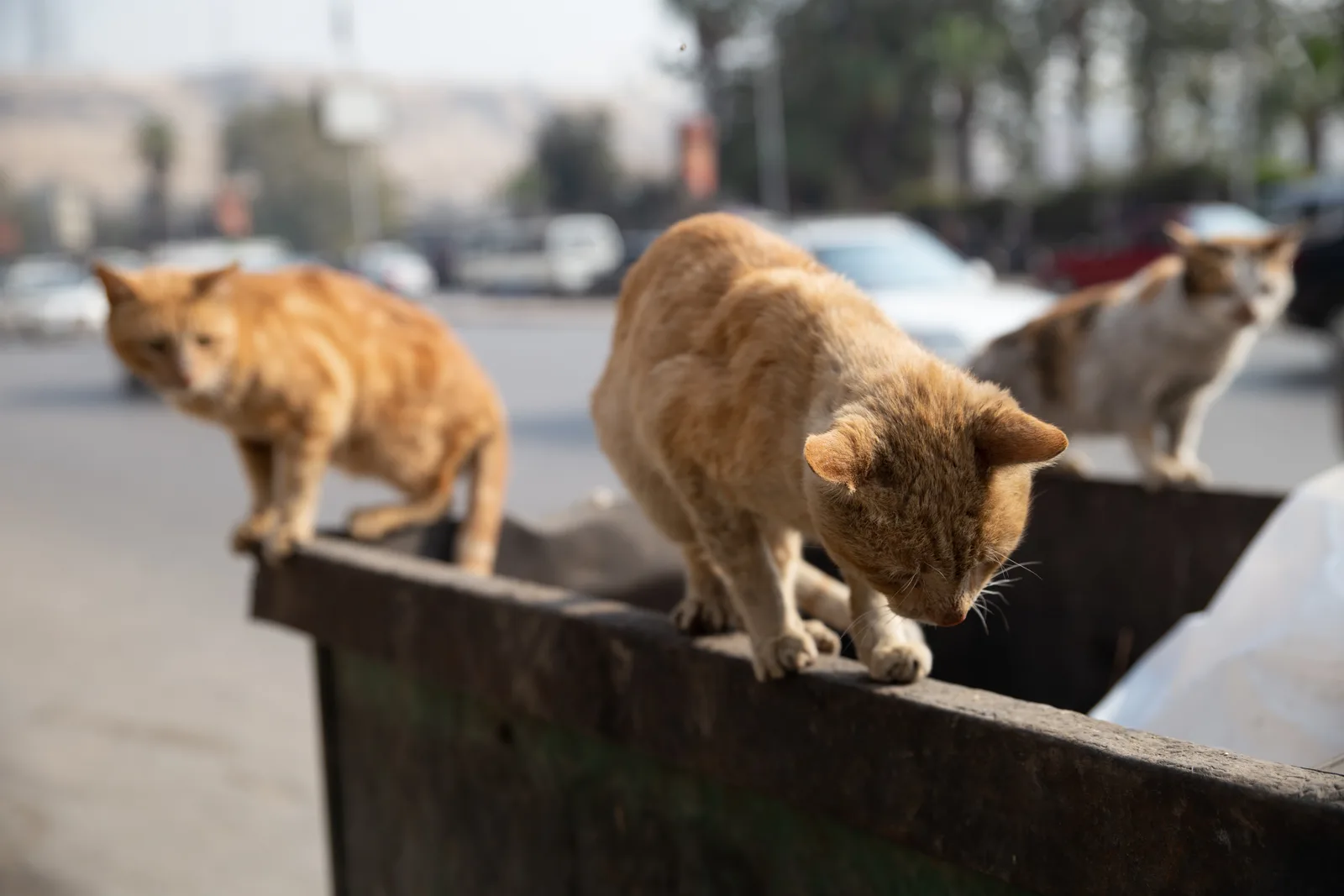
«Keda Ghalat» (Bu Yanlış): Kâsede Zehir, Sırtta Değnek — Hayvana Eziyet, 1937'den Beri Mısır Ceza Kanunu'nda Suç
Bir komşu okul duvarının yanına zehirli kaplar bırakıyor, bir araba sahibi ise eşeğine ağır bir yük çektirmek için yüzüne sopayla vuruyor. Birçok kişi «sadece bir hayvan»ı hiçbir kanunun korumadığını sanıyor. Oysa Ceza Kanunu'nun 355, 356 ve 357. maddeleri, hayvan öldürmeyi, zehirlemeyi ve ona eziyet etmeyi hapis cezasına varan yaptırımlarla cezalandırıyor. Dünya Hayvanlar Günü arifesinde kanunun ne dediğini açıklıyoruz.
3 Ekim 2026 · 6 dk okuma
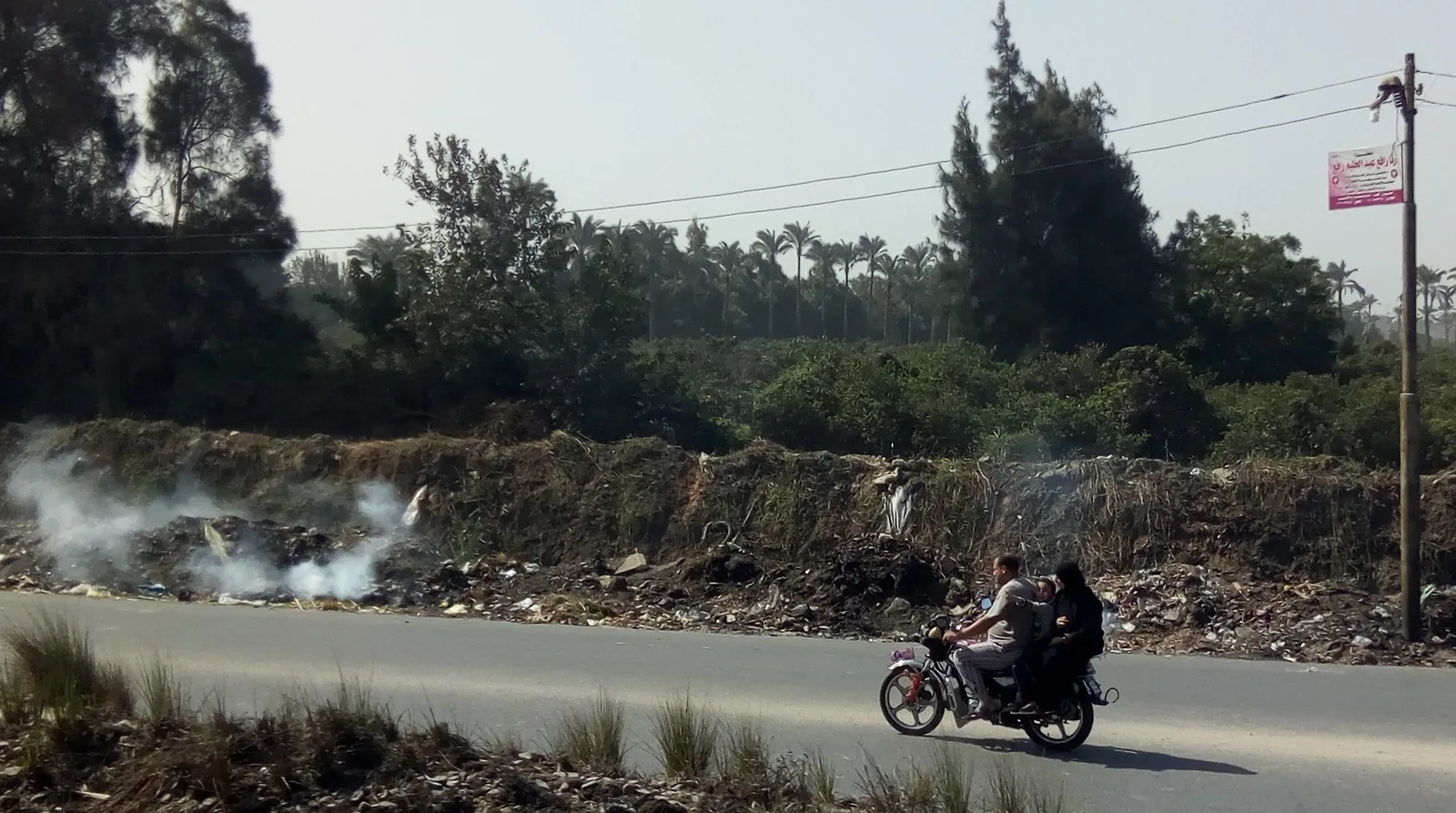
Dört Kişi Bir Motosiklette, Hiçbirinde Kask Yok: Ailenin Yolda Kaybedebileceği En Değerli Şey Açık Baştır
Okulların ikinci haftasında aynı sahne tekrarlanıyor: baba direksiyonda, bir çocuk önünde, biri arkasında, anne çantaları tutuyor; aralarında tek bir kask yok. Basın, CAPMAS'a dayanarak ölümlerin 2020-2024 arasında 190'dan 897'ye çıktığını aktarıyor; Cochrane derlemesi kaskın ölüm riskini %42 azalttığını gösteriyor. Kanun açık başı 1999'dan beri cezalandırıyor, ceza 2008'de artırıldı. Peki neden uymuyoruz?
23 Eylül 2026 · 8 dk okuma
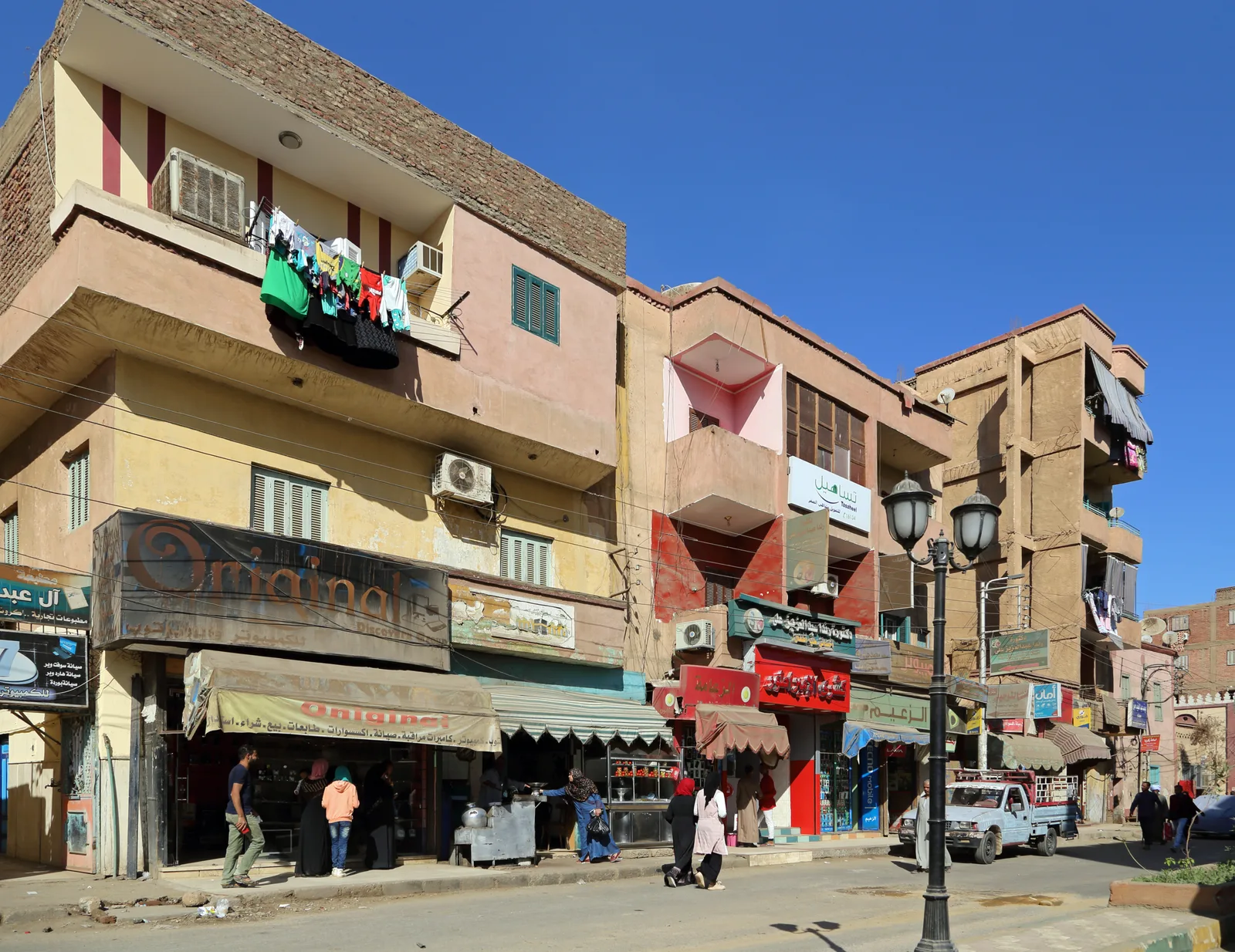
"Kabloya Atlatma" Kurnazlık Değildir: Elektrik Hırsızlığı Bedelini Tüm Mahallenin Ödediği Bir Suçtur
Aydınlatma direğinden balkona sarkan çıplak bir kablo, sayacı hiç dönmeyen bir sayaç üzerinden çalışan klima ve üçüncü kez atan sigorta, faturasını ödeyen komşunun evini karanlığa gömüyor. Elektrik Kanunu'nun 71. maddesi bunu elektrik akımına haksız el koyma sayıyor ve hapis ile para cezasıyla cezalandırıyor; daha ağır bir değişiklik ise Temsilciler Meclisi'ni bekliyor. Bir kaçak bağlantıdan bütün sokak ne kaybeder? Doğru alternatif nedir?
14 Eylül 2026 · 7 dk okuma