«Böyle olmaz»: Bir muz kabuğu masum bir cana mal oldu
Sonu ağır, kısa bir hikâye: Bir el araba camından muz kabuğu fırlatır; sınavına koşan bir öğrenci oraya hiç varamaz. Bu bölümde hikâyeyi anlatıyor, dinin ve yasanın ne dediğini soruyor ve "önemsiz" dediğimiz ama öldüren bir alışkanlığı nasıl değiştireceğimizi arıyoruz.
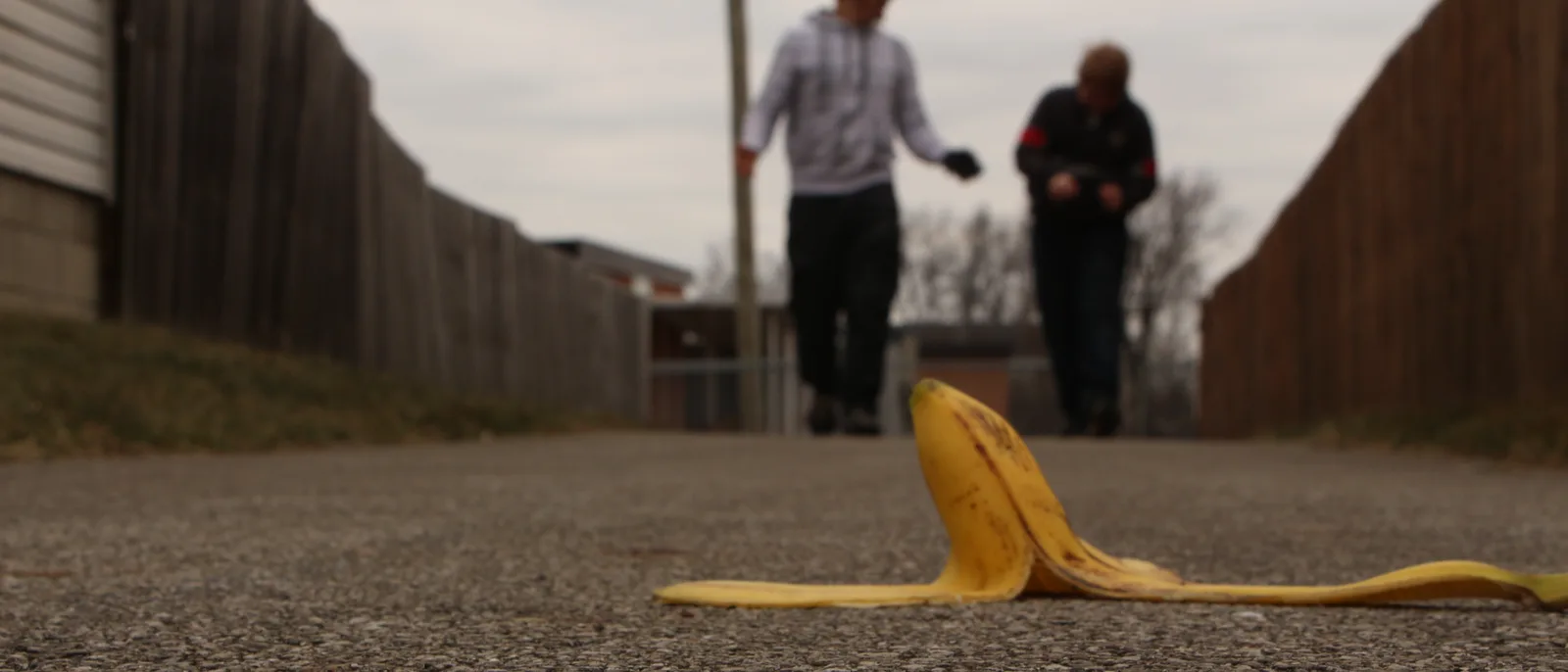
Sıradan görünebilecek bir hikâye; ama sonu hiç de sıradan değil. Lüks bir otomobil kalabalık bir caddede süzülüyor; sürücü bir muz soyuyor, ağır ağır yiyor, sonra kolunu camdan uzatıp kabuğu, selam verir gibi rahat bir hareketle asfalta atıyor ve yoluna devam ediyor. Dönüp bakmadı; bu küçük sarı parçanın birkaç dakika sonra bir ölüm aletine dönüşebileceği bir an olsun aklından geçmedi.
Birkaç dakika sonra aynı yerden bir öğrenci geçiyor; sırtında çantası, kafasında hayalleriyle, sınava geç kalmaktan korktuğu için koşuyor. Ayağı kabuğa basıyor, dengesini yitiriyor, kayıyor ve sert bir biçimde düşüyor; başı kaldırım taşının kenarına çarpıyor. Ağır iç kanama, çevredekilerin çığlıkları, her zamanki gibi geç kalan bir ambulans… ve ardından ölüm haberi.
Bunu bir kaza tutanağı olarak değil, bir uyarı hikâyesi olarak anlatıyoruz; çünkü ayrıntıları, şu ya da bu biçimde, kaldırımlarımızda her gün yineleniyor: atan bir el, kayan bir ayak, çarpan bir baş. Ve sonuç değişmiyor: Bir çocuk öğrenmeye gittiği için öldü; bir adam ise öğrenmediği için kabuğu attı.
Bu türden her olayın ardından biri çıkıp şöyle der: “Bu kadarcık şeyden mi olurmuş?” Evet, tam da o kadarcık şeyden. Umursamazlık, eylemin büyüklüğüyle değil, sonucunun büyüklüğüyle ölçülür: On kez kimseye zarar vermeyen kabuk, on birincide hedefini bulur; bulduğunda da hiçbir şey eskisi gibi olmaz.
Yol, çöp kutusu değildir. “Küçük alışkanlıklar” dediğimiz, gerçekteyse öldüren davranışları hafife alıyoruz: hızla giden bir otomobilin camından atılan muz kabuğu, cips paketi ya da su şişesi; balkondan yoldan geçenlerin başına boşaltılan çöpler; asfalta dökülen ve onu gözle görülmeyen bir kayak pistine çeviren yağ ya da sabunlu su. Hepsi bir saniye bile sürmeyen bir el hareketiyle başlıyor; kimileriyse koca bir ömürle bitiyor.
Peki din ne diyor? Yoldan eziyet veren şeyi kaldırmak sadakadır; öyleyse eziyeti kendi eliyle yola bırakan için ne demeli? Peygamber efendimiz şöyle buyurdu: “Lanete yol açan iki şeyden sakının.” Sordular: “Ey Allah’ın Resulü, nedir onlar?” Buyurdu ki: “İnsanların geçtiği yola ya da gölgelendikleri yere abdest bozmaktır.” (Müslim rivayet etmiştir.) İnsanların yoluna abdest bozmak onların lanetini getiriyorsa, yollarına kaydırıp öldüren bir şey atan için durum nedir?
Başka bir hadiste ise şöyle buyrulur: “İman yetmiş küsur şubedir… en aşağısı yoldan eziyet veren şeyi kaldırmaktır.” (Müslim rivayet etmiştir.) Demek ki yolu temizlemek imanın bir parçasıdır; insanların yoluna eziyet bırakmaksa hem imandan hem insanlıktan eksilmektir. Kayan her ayaktan, yere çarpan her baştan ve sizin umursamazlığınız yüzünden ağlayan her anneden Allah katında siz sorumlusunuz.
Peki ya kanun? Bu davranış ne “kişisel özgürlük” ne de “küçük bir günah”; açık hükümle cezalandırılan bir suçtur. 2020 tarihli ve 202 sayılı Atık Yönetiminin Düzenlenmesi Kanunu, 38. maddesinde atıkların kendileri için ayrılmış yerler dışına atılmasını yasaklar; 71. maddesi ise tehlikesiz atığı uygun olmayan yere atan herkes için en az 10.000, en çok 100.000 Mısır lirası para cezası öngörür. Tekrarı hâlinde ceza, hapis ve para cezasının birlikte uygulanmasına dönüşür; ayrıca ihlalde kullanılan araca el konulur.
İhmal bir insanın yaralanmasına ya da ölümüne yol açtığındaysa hukuki nitelendirme kökten değişir: Bir temizlik kabahatinden, Ceza Kanunu’nun 238 ve 244. maddeleri uyarınca taksirle öldürme ya da taksirle yaralama suçuna geçilir; cezası hapistir ve buna, mağdurun ailesinin talep etme hakkına sahip olduğu tazminat eklenir. Kabuk ile düşme arasındaki bağı kurmak elbette savcılığın ve mahkemenin her olayda ayrı ayrı takdir edeceği bir konudur; ancak ilke sabittir: İhmaliyle bir insanın ölümüne sebep olan, bu ölümden sorumludur. Camdan bir kabuk atmıyorsunuz; kendi mahkûmiyetinizin delilini atıyorsunuz.
İnsanları nasıl bilinçlendiririz? Tek başına vaaz yetmez, tek başına para cezası da yetmez; gereken bir davranış değişikliğidir ve bu, hepimizin sorumluluğudur. Beş basit adımla başlar.
Birincisi, kendinizden ve evinizden başlayın: Arabada küçük bir çöp poşeti ve çocuklarınızın ezbere bileceği bir kural — cebiniz sokaktan temizdir. İnsan neyle büyürse onunla yaşlanır.
İkincisi, söz sorumluluktur: Hatipler, öğretmenler ve içerik üreticileri, bu hikâyeyi anlatın; bir öğrenciyi öldüren muz kabuğunun hikâyesini. Hikâyeler kalplere, rakamların ve yönetmeliklerin ulaşamadığı kadar ulaşır.
Üçüncüsü, çözüm okuldadır: Ayda bir ders saati “yol ahlakı” anlatılması, yere bir kâğıt bile atmayan bir kuşak yetiştirmeye yeter. Asıl sınav salonda değil, sokaktadır.
Dördüncüsü, toplumsal caydırıcılık: Arabasının camından çöp atana gülmeyin, ona kınayan bir bakış atın. Kendinizi tehlikeye atmadan yapabiliyorsanız ihlali belgeleyin ve resmî şikâyet kanallarıyla iletin. Toplum önünde utanmak, kanunların en güçlüsüdür.
Beşincisi, örnek olun: Arabanıza, dükkânınızın önüne ve evinizin kapısına küçük birer çöp kutusu koyun. İnsanlar sözü değil, davranışı taklit eder.
Ey kabuğu atıp unutan: Unutmayan bir anne var, kurumayan bir gözyaşı var ve sınav salonunda boş kalan bir sıra var. Camdan herhangi bir şey atmadan önce şunu düşünün: Bu kabuğun, bir insanın hayalini bitiren sebep olmasına razı olur muydunuz? Sokak yalnızca sizin değil; geleceğine yürüyen bir çocuğun, namaza giden bir yaşlının ve kucağında bebeğiyle yürüyen bir annenindir. Elinizi temizlemeden önce kalbinizi temizleyin; kalbi temiz olan, insanların yolunu kirletmeye razı olmaz.
“Vatandaşın Sesi”, “Bu yanlış” köşesinde kimseyi rencide etmeden yanlışa adını koymayı sürdürüyor; mesele kişiler değil, davranıştır. Gördüklerinizi bizimle paylaşın — kendinizi tehlikeye atmadan ve kimseyi teşhir etmeden — platformumuzdaki “Sesiniz” formunda yer alan “Vatandaşın Merceği” hizmeti aracılığıyla; böylece birlikte, ilgili makamların önüne konacak belgeli bir dosya oluşturalım.
İlgili Haberler
«Keda Ghalat» (Bu Yanlış): Kâsede Zehir, Sırtta Değnek — Hayvana Eziyet, 1937'den Beri Mısır Ceza Kanunu'nda Suç
Bir komşu okul duvarının yanına zehirli kaplar bırakıyor, bir araba sahibi ise eşeğine ağır bir yük çektirmek için yüzüne sopayla vuruyor. Birçok kişi «sadece bir hayvan»ı hiçbir kanunun korumadığını sanıyor. Oysa Ceza Kanunu'nun 355, 356 ve 357. maddeleri, hayvan öldürmeyi, zehirlemeyi ve ona eziyet etmeyi hapis cezasına varan yaptırımlarla cezalandırıyor. Dünya Hayvanlar Günü arifesinde kanunun ne dediğini açıklıyoruz.
3 Ekim 2026 · 6 dk okuma
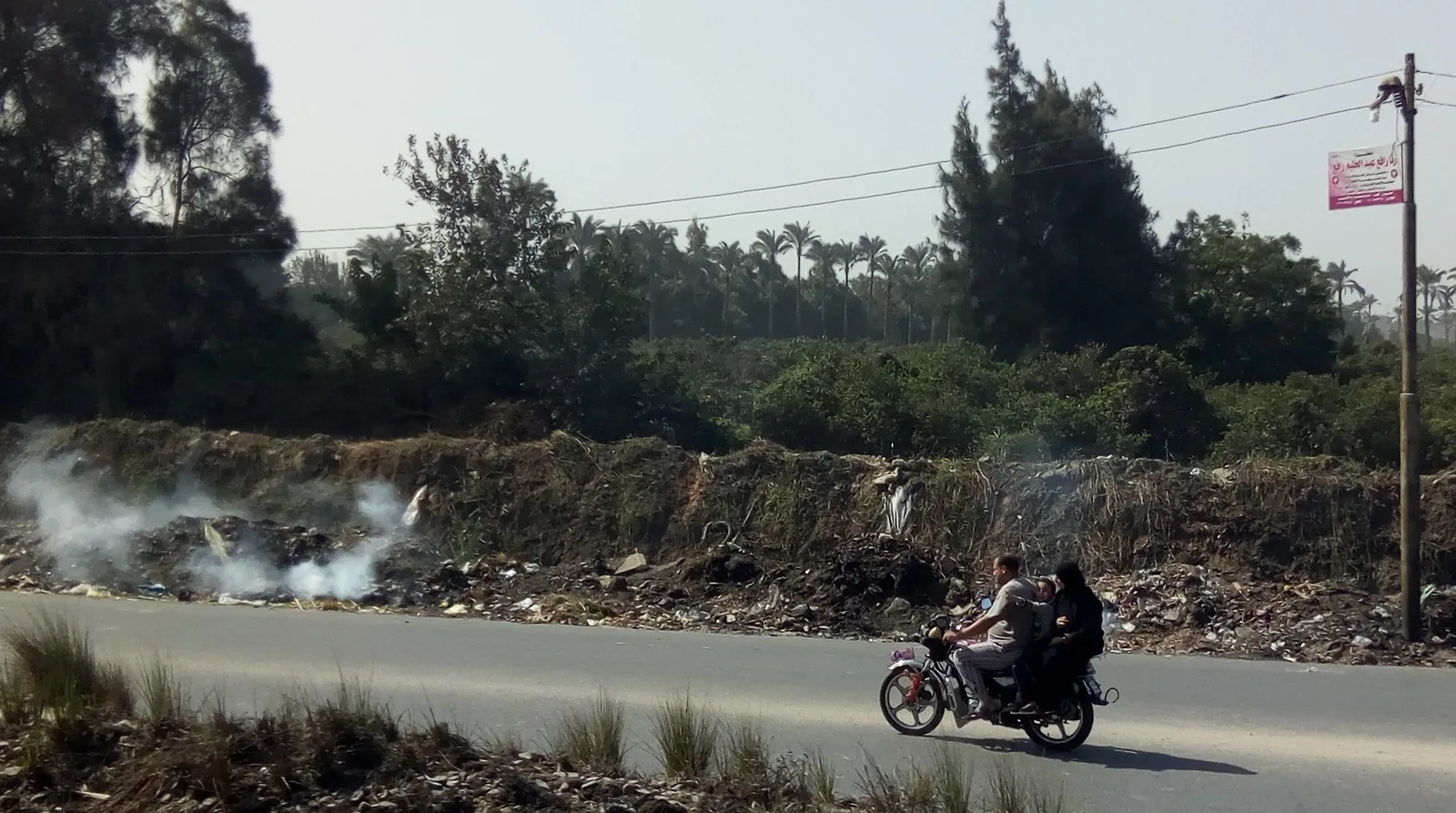
Dört Kişi Bir Motosiklette, Hiçbirinde Kask Yok: Ailenin Yolda Kaybedebileceği En Değerli Şey Açık Baştır
Okulların ikinci haftasında aynı sahne tekrarlanıyor: baba direksiyonda, bir çocuk önünde, biri arkasında, anne çantaları tutuyor; aralarında tek bir kask yok. Basın, CAPMAS'a dayanarak ölümlerin 2020-2024 arasında 190'dan 897'ye çıktığını aktarıyor; Cochrane derlemesi kaskın ölüm riskini %42 azalttığını gösteriyor. Kanun açık başı 1999'dan beri cezalandırıyor, ceza 2008'de artırıldı. Peki neden uymuyoruz?
23 Eylül 2026 · 8 dk okuma
"Kabloya Atlatma" Kurnazlık Değildir: Elektrik Hırsızlığı Bedelini Tüm Mahallenin Ödediği Bir Suçtur
Aydınlatma direğinden balkona sarkan çıplak bir kablo, sayacı hiç dönmeyen bir sayaç üzerinden çalışan klima ve üçüncü kez atan sigorta, faturasını ödeyen komşunun evini karanlığa gömüyor. Elektrik Kanunu'nun 71. maddesi bunu elektrik akımına haksız el koyma sayıyor ve hapis ile para cezasıyla cezalandırıyor; daha ağır bir değişiklik ise Temsilciler Meclisi'ni bekliyor. Bir kaçak bağlantıdan bütün sokak ne kaybeder? Doğru alternatif nedir?
14 Eylül 2026 · 7 dk okuma