«Bu Yanlış»: Yanlışın adını koyan bir bölüm
Bu bölümde kimseyi idare etmeyeceğiz, susmayacağız. Kötü alışkanlıklara ve göreneklere dönüşmüş davranışların adını tek tek koyacak, yüksek sesle söyleyeceğiz: Bu yanlış. Çünkü bu davranışlar yasaya aykırı olmadan önce, yurttaşa karşı işlenmiş birer ahlak suçudur: hakaret, tahrik ve zarar. Bu metin, bölümün kuruluş bildirgesi ve okurlarına verdiğimiz sözdür.
Her Mısır sabahı, artık göremeyecek kadar alıştığımız sahneler getiriyor: hızla giden bir arabanın camından fırlayan çöp poşeti; kapalı bir ofiste, hiç sigara içmeyenlerin ciğerine dolan duman bulutu; bir kulübenin işgal ettiği kaldırım yüzünden arabaların arasına, yolun ortasına inmek zorunda kalan yayalar. Başımızı sallayıp geçmeye alıştık. Bu bölüm, tam da bu sahnelerin önünde durup yüksek sesle “Bu yanlış” demek için doğdu.
Bu bölümün inancı basit ve nettir: Bu davranışların bir kısmı kanunun cezalandırdığı birer suçtur, bir kısmına ise hiçbir hukuk metni değmez. Ama bizi önce ilgilendiren şudur: Hepsi yurttaşa karşı işlenen birer ahlaki suçtur; içlerinde hakaret, tahrik ve insanın duygularına, sağlığına, güvenliğine ve onuruna verilen zarar vardır. Önce ahlaki mahkûmiyet; hukuki mahkûmiyet ise suçu tanımlayan bir madde bulunan her yerde.
Peki neden yüksek sesle adını koyuyoruz? Çünkü hatayı alışkanlığa, alışkanlığı geleneğe, geleneği de artık kimseyi rahatsız etmeyen gündelik bir manzaraya çeviren şey suskunluk oldu. Kötü davranış yorumsuz geçiştirildiğinde herkes onun kabul edilebilir olduğunu öğrenir. İnanıyoruz ki bu alışkanlıkların Mısır manzarasından silinmesinin ilk adımı, onları açıkça dile getirmek ve sahibinin, insanların kendisini gördüğünü ve yargıladığını bilmesidir.
Çöpünü arabasının camından atan kişiyi düşünün; lüks bir araba olsa bile. Arkasında, asfaltın üzerinde bir tuzak bırakıyor. Okuluna giderken yolun kenarından yürüyen bir öğrenciyi gözünüzün önüne getirin: atılan şeyin üzerinde kayıyor ve bir çöp kutusunu beklemeye üşenen birinin birkaç saniyesinin bedelini belki canıyla ödüyor. Üstelik bu davranıştan hiçbir sonuç doğmasa bile, ahlaksız, medeniyet dışı ve rahatsız edici olmayı sürdürür.
Kapalı bir mekânda sigara içen ve itiraz edene “Ben özgürüm” diye karşılık veren kişiyi düşünün. Onun özgürlüğü, yanındakinin ciğerinde biter. Etrafında alerjisi olanlar, çocuklar ve hamileler zorla pasif içiciliğe maruz kalıyor; üstelik yürürlükte bir kanun da var: 1981 tarihli 52 sayılı Sigara Zararlarından Korunma Kanunu, 2007 tarihli 154 sayılı kanunla değiştirilmesinden bu yana kapalı kamusal alanlarda sigara içilmesini yasaklıyor.
Nil’i kirletenleri düşünün. Tarihin şafağından beri Mısır’a hayat veren bu damarı kimileri bir çöplük gibi kullanıyor; sanki atıklarını döktükleri su, kendilerinden sonra milyonlarca Mısırlının içeceği suyun ta kendisi değilmiş gibi.
Ya da saldırgan köpekleriyle sahillere inip çocukları korkutan, ailelerin gününü zehir eden, sonra da insanların yüzdüğü deniz suyunda köpeklerini yıkayıp kim bilir hangi mikropları yayanlar. Ya da freni güven vermeyen, lastikleri sağlam olmayan hurda bir arabayla çılgınca hız yapıp umumi yolu yurttaşların hayatı için bir tehlike alanına çevirenler.
Ya da apartmanların zemin katlarını kiraya verip buraların kahvehaneye dönüşmesine yol açanlar: sigara ve nargile kokusu yukarı çıkıyor, mekânlar bütün gece açık kalıyor, gürültü okul çağındaki çocukları uykusuz, anne babalarını huzursuz bırakıyor. Binanın sakinleri, uyumayan bir kahvehanenin üstünde yaşamayı seçmediler.
Ya da yaya geçitlerini hiç umursamadan hızla giden arabaların arasından karşıya geçen, hem kendi hayatını hem sürücülerinkini tehlikeye atan kişi. Ya da kaldırımlara kulübe kurup yayaları yolun ortasına iten uygulama: belediyeden ruhsat almış olsa bile yayanın hakkına tecavüz olmayı sürdürür. Bir de kendini sokağın sahibi ilan eden ruhsatsız “sayis”, yani kabadayı otopark bekçisi: umumi yola arabasını bırakan herkesten haraç alıyor.
Ya da yanmakta olan sigara izmaritini camdan ya da kaldırıma atan, küçücük bir korun yangınların ve felaketlerin başlangıcı olduğunu fark etmeyen kişi. Ve nihayet, Mısır Ceza Kanunu’nun açıkça suç saydığı kadın sünneti âdeti: buna rağmen hâlâ sürüyor, kaçınılmaz bir kader gibi gizlice kuşaktan kuşağa aktarılıyor.
Şu açık olsun: Merceğimiz herkes için aynıdır. Lüks bir arabadan çöp atan kişi, bu bölümün önünde başka herhangi bir kabahatlinin durduğu yerde durur; incelik bir davranıştır, araba markası değil. Bu bölüm ne yoksulluğu ne zenginliği yargılar; yargıladığı şey fiilin kendisidir. Tepeden bakan bir vaaz kürsüsüne de dönüşmeyeceğiz: Biz de bu sokağın parçasıyız ve kimimizin bir zamanlar, kendine gelmeden önce ortak olduğu alışkanlıkları yazıyoruz.
Bu bölüm daha geniş bir platformun parçasıdır. Bildiğimiz kadarıyla bu platform, dördüncü nesil savaşların yaydığı söylentilere uzmanlar ve bilim insanlarıyla birlikte sistemli, bilimsel bir yöntemle karşı koyan ve Mısır’a zarar vermeyi amaçlayan yalanları yurttaşın gözü önüne seren ilk haber platformu olmakla gurur duyuyor. Platform ayrıca, kalkınmadaki her kazanımı yutan nüfus artışı dosyasını da açıyor; uygulanabilir çözümler öneriyor, sorunla yüzleşen ya da bu artışı insan kaynağına dönüştüren ülkelerin deneyimlerini aktarıyor.
Size sözümüz şudur: Davranışı adlandıracağız, kişiyi değil; ahlaki suç ile hukuki suçu her zaman ayıracağız; hiçbir olayı, hiçbir rakamı, hiçbir ismi uydurmayacağız. Her yazıyı tek bir soruyla bitireceğiz: Ne yapılmalı? Yurttaş kendinden başlayacak, nazik ama kararlı biçimde itiraz edecek; devlet ise yenilerini çıkarmadan önce yürürlükteki kanunları uygulayacak. Bu alışkanlıklar Mısır manzarasından silinene kadar söylemeyi sürdüreceğiz: “Bu yanlış.”
İlgili Haberler
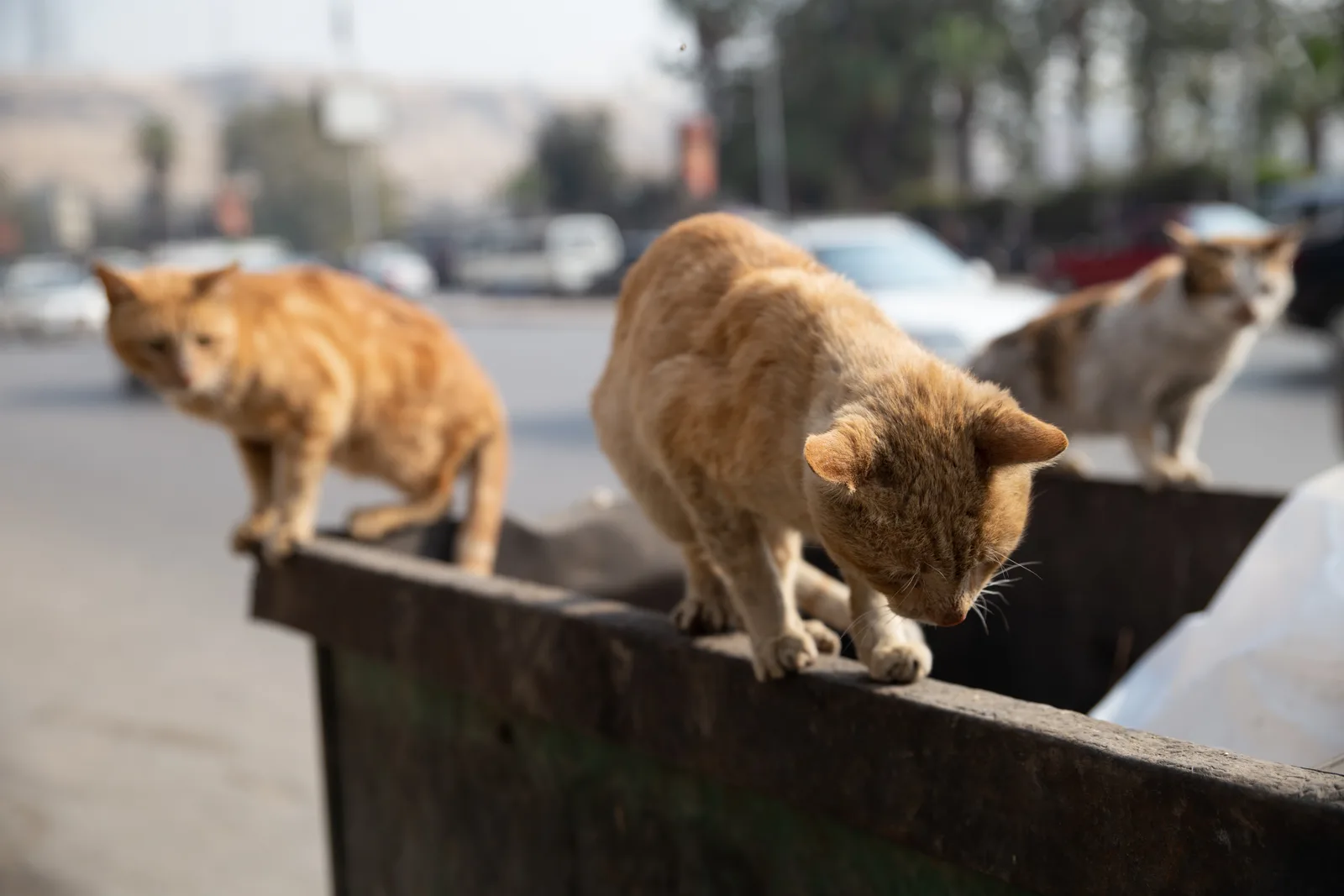
«Keda Ghalat» (Bu Yanlış): Kâsede Zehir, Sırtta Değnek — Hayvana Eziyet, 1937'den Beri Mısır Ceza Kanunu'nda Suç
Bir komşu okul duvarının yanına zehirli kaplar bırakıyor, bir araba sahibi ise eşeğine ağır bir yük çektirmek için yüzüne sopayla vuruyor. Birçok kişi «sadece bir hayvan»ı hiçbir kanunun korumadığını sanıyor. Oysa Ceza Kanunu'nun 355, 356 ve 357. maddeleri, hayvan öldürmeyi, zehirlemeyi ve ona eziyet etmeyi hapis cezasına varan yaptırımlarla cezalandırıyor. Dünya Hayvanlar Günü arifesinde kanunun ne dediğini açıklıyoruz.
3 Ekim 2026 · 6 dk okuma
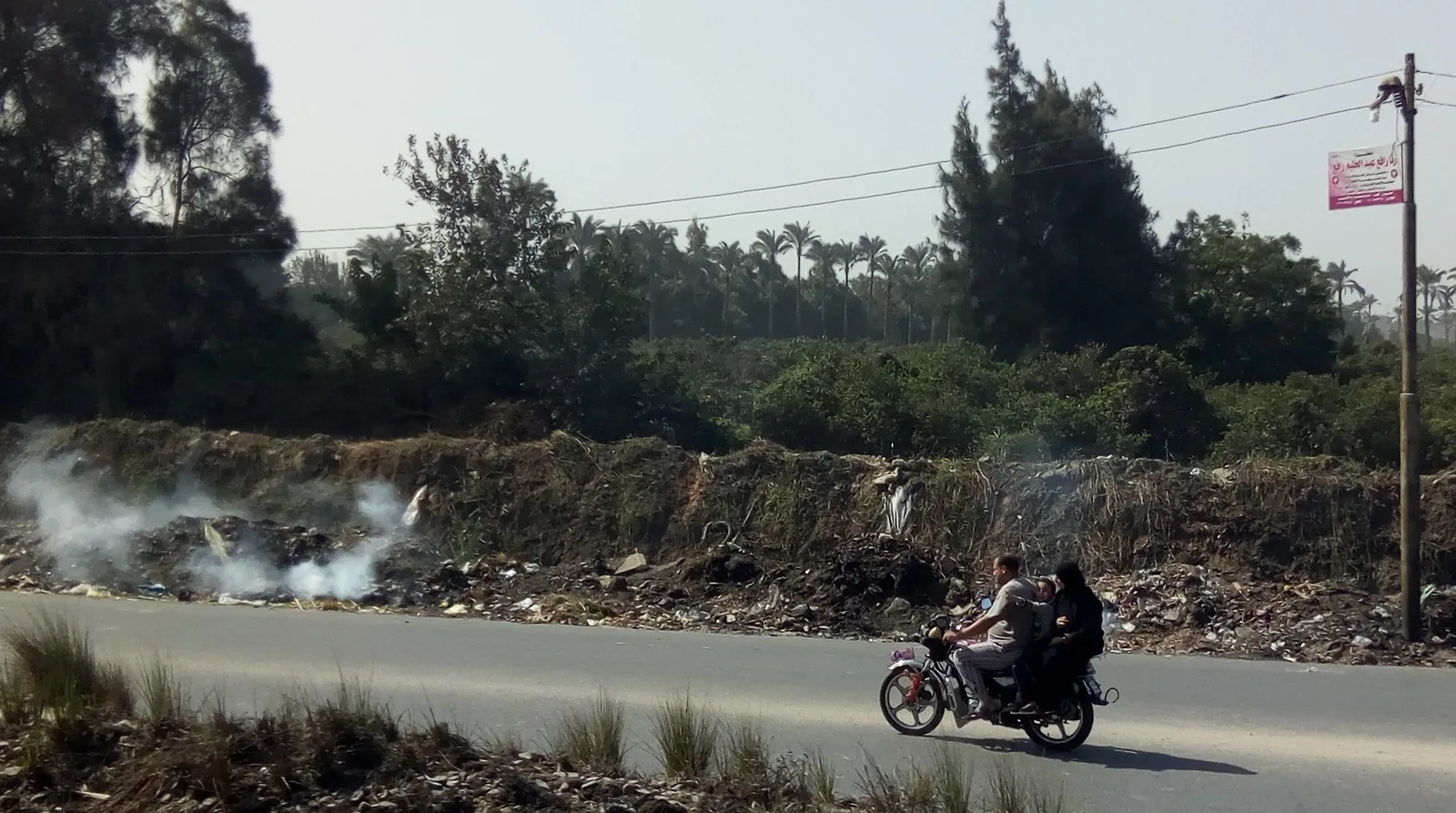
Dört Kişi Bir Motosiklette, Hiçbirinde Kask Yok: Ailenin Yolda Kaybedebileceği En Değerli Şey Açık Baştır
Okulların ikinci haftasında aynı sahne tekrarlanıyor: baba direksiyonda, bir çocuk önünde, biri arkasında, anne çantaları tutuyor; aralarında tek bir kask yok. Basın, CAPMAS'a dayanarak ölümlerin 2020-2024 arasında 190'dan 897'ye çıktığını aktarıyor; Cochrane derlemesi kaskın ölüm riskini %42 azalttığını gösteriyor. Kanun açık başı 1999'dan beri cezalandırıyor, ceza 2008'de artırıldı. Peki neden uymuyoruz?
23 Eylül 2026 · 8 dk okuma
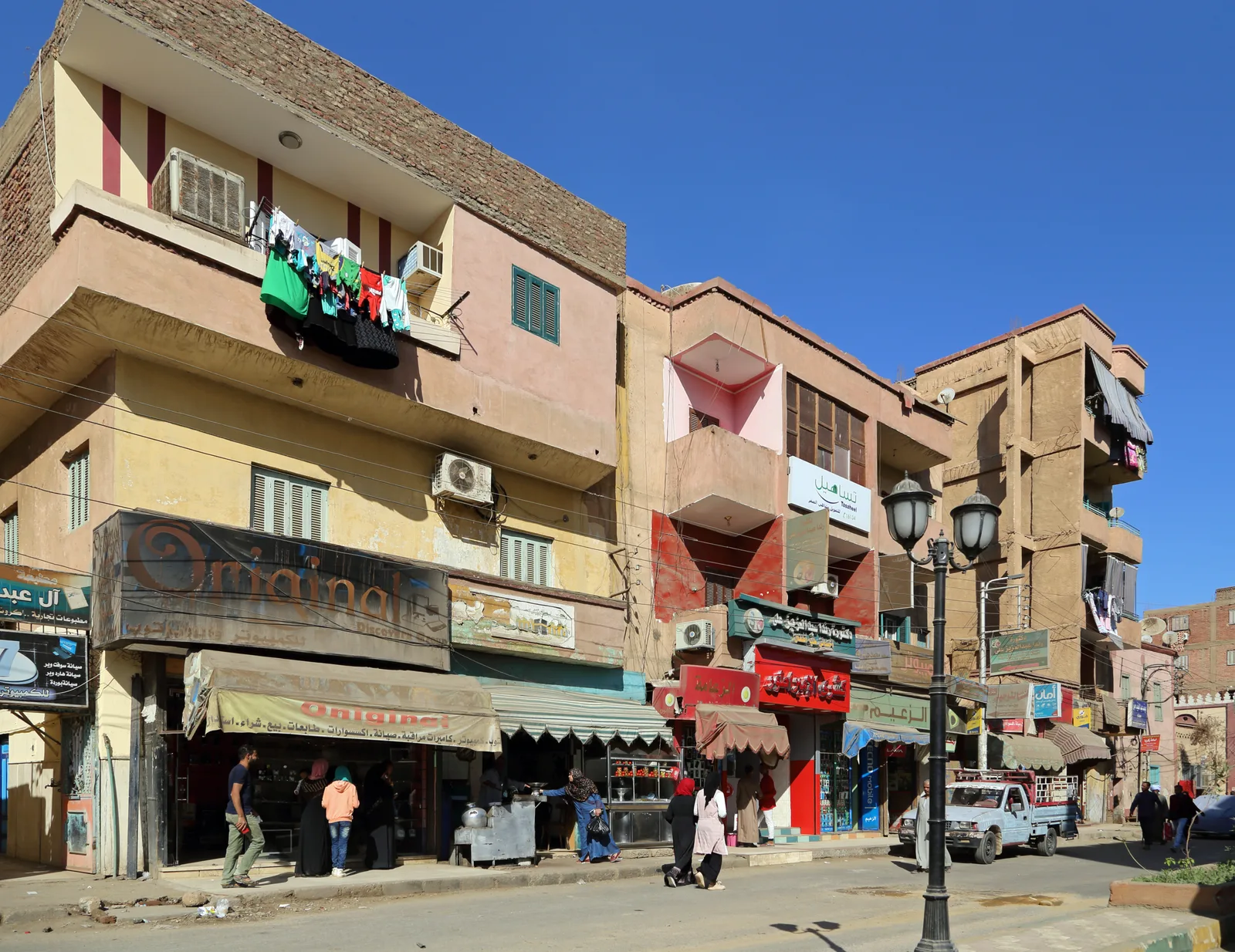
"Kabloya Atlatma" Kurnazlık Değildir: Elektrik Hırsızlığı Bedelini Tüm Mahallenin Ödediği Bir Suçtur
Aydınlatma direğinden balkona sarkan çıplak bir kablo, sayacı hiç dönmeyen bir sayaç üzerinden çalışan klima ve üçüncü kez atan sigorta, faturasını ödeyen komşunun evini karanlığa gömüyor. Elektrik Kanunu'nun 71. maddesi bunu elektrik akımına haksız el koyma sayıyor ve hapis ile para cezasıyla cezalandırıyor; daha ağır bir değişiklik ise Temsilciler Meclisi'ni bekliyor. Bir kaçak bağlantıdan bütün sokak ne kaybeder? Doğru alternatif nedir?
14 Eylül 2026 · 7 dk okuma