Sönmemiş izmarit: Küçük bir kor, felakete yeter
Tek bir parmak hareketi: Sigara daha sönmeden camdan fırlatılır ya da kaldırıma atılır, sahibi çekip gider. Oysa kor, «küçük» olduğunu bilmez. Kuru otların üstünde, bir çöp yığınının yanında ya da yakıt sızıntısının dibinde tek bir kıvılcım, felaketi başlatmaya yeter. Saniyelik bir ihmal, koca ailelerin rızkını kül edebilir. Bu yanlış.
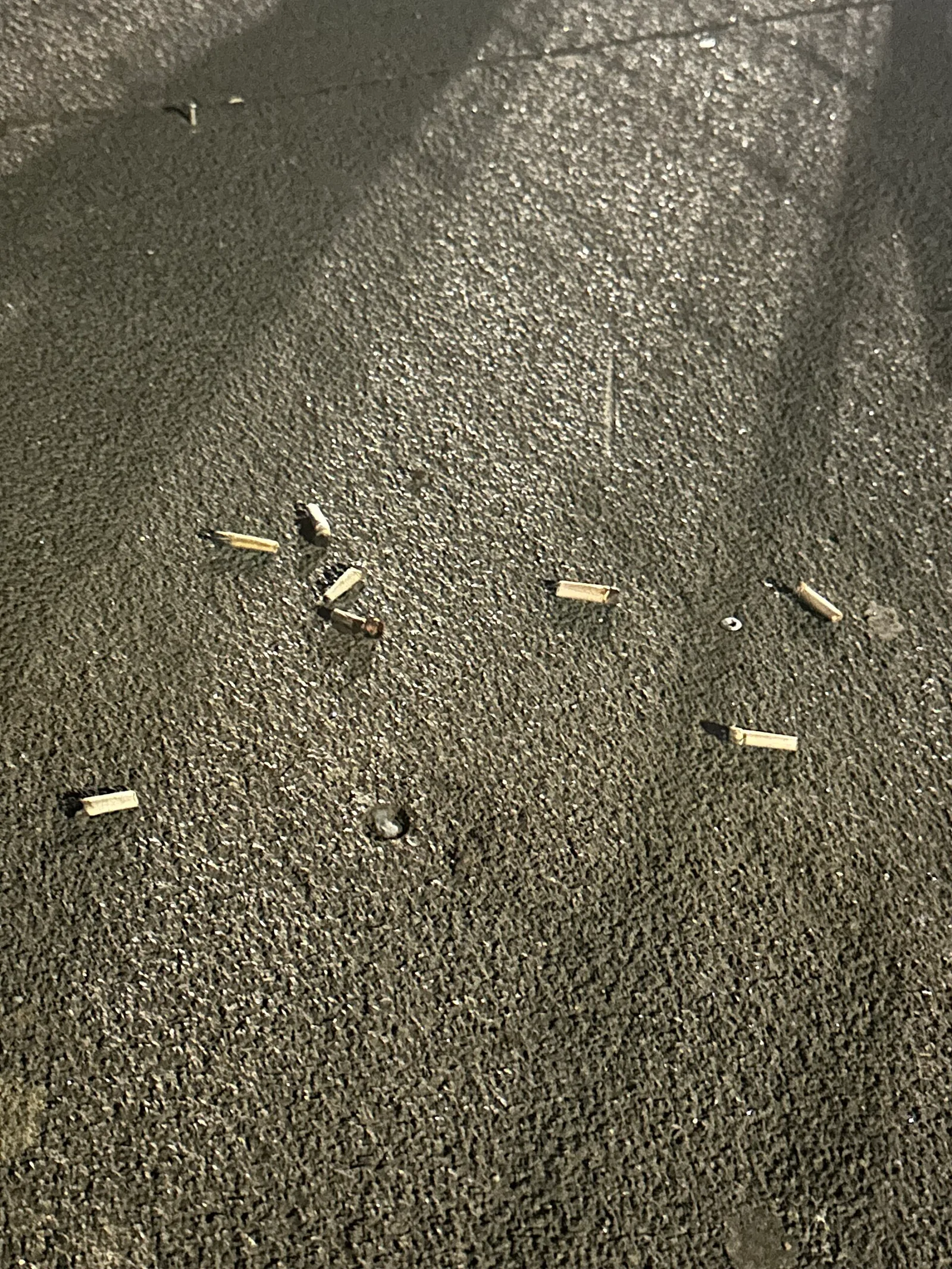
Sahibinin üzerinde hiç düşünmediği tek bir parmak hareketidir: sigaradan son bir nefes, ardından araba camından bir fırlatış ya da kaldırıma bir atış; izmarit hâlâ yanmakta, kıvılcımlar savrulmaktadır. Sigarayı içen yoluna devam eder, kor ise yerde tek başına kalır ve çevresindeki her şeyin kaderini belirler.
Kor, “küçük” olduğunu bilmez. Ateşin yalnızca üç şeye ihtiyacı vardır ve üçü de sokaklarımızda kolayca bulunur: korun sağladığı ısı, yanıcı bir madde ve biraz hava. Bir tarla yolunun kenarındaki kuru otlar, kâğıt ve kartondan oluşan bir çöp yığını, plastik atıklar, bir akaryakıt istasyonunun ya da tamirhanenin yanında birikmiş yakıt lekesi. Hepsi bir kıvılcım bekler; kıvılcım ise geçmekte olan bir arabanın camından ekspres postayla gelir.
Kaç yangın tam da böyle başladı: sahibinin söndürme zahmetine katlanmadığı bir korla. Belirli olaylar uydurmaya gerek yok; dünyanın her yerinde sivil savunma raporları, dikkatsizce atılan sigara izmaritlerini çiftlik, depo ve ev yangınlarının yinelenen nedenleri arasında sayıyor. Örüntü biliniyor ve belgelenmiş durumda: bir kor, kuru bir madde, bir rüzgâr ve ardından, onu çıkaranın isteseydi bile söndüremeyeceği bir yangın.
Sahneyi en yalın hâliyle düşünün: otoyolda araba camından fırlatılan yanan bir izmarit, rüzgârla arkadaki motosiklet sürücüsünün yüzüne gelir ya da bir kamyonetin üzerindeki saman yüküne düşer. Ya da balkondan atılan bir izmarit, zemin kattaki bir dükkânın bez tentesine, asılı çamaşırların üzerine veya komşunun tutuşacak bir şeyler bulunan balkonuna iner. Bu insanların hiçbiri, bir başkasının tutuşturduğu kumarın tarafı olmayı seçmedi.
İşte her şeyden önce bizi ilgilendiren ahlaki suçlamanın özü budur: ortak bir alana yanan bir kor atan kişi, üç saniye kazanmak uğruna başkalarının canıyla, geçimiyle ve malıyla kumar oynuyordur; o üç saniye, sigarayı atmadan önce söndürmek için gereken süredir. Hiçbir şey tutuşmasa bile eylem, insanlara karşı bir umursamazlık ve bir meydan okuma olarak kalır; verdiği mesaj şudur: sizin güvenliğiniz benim için bir parmak hareketi kadar bile değerli değil.
Sönmüş izmarit bile büsbütün masum sayılmaz; o da bir atıktır ve genel yola atılması, 1967 tarihli 38 sayılı kamu temizliği kanunu ve değişiklikleriyle cezalandırılır. Üstelik dünya sokaklarında en yaygın ve en geç çözünen çöp türlerinden biridir. Ama özellikle yanan izmarit, eylemi kirlilik kategorisinden yakın tehlike kategorisine taşır.
İşin tuhafı, buradaki çözüm en ucuz ve en kolay çözümlerden biridir. Sigarayı içen kişinin tek yapması gereken, izmariti bir çöp kutusuna atmadan önce tamamen söndürmektir: sert bir yüzeye bastırarak ya da bir damla suya batırarak. Arabasında sigara içenin arabasında tam da bu iş için yapılmış bir küllük vardır; balkonunda oturana küçük bir tabak yeter. İstenen, sigarayı bırakmanız değildir; istenen yalnızca sigaranızın yakıcı bir mermiye dönüşmemesidir.
Peki yurttaştan ne isteniyor? Önce söndürün, sonra atın; her zaman ve istisnasız, kor kendiliğinden sönmek üzereymiş gibi görünse bile. Ailenizdeki sigara içenlere, bırakmaya ikna edemeseniz bile, tam olarak bu hareketin kırmızı çizgi olduğunu öğretin. Camdan kor fırlatan birini gören de bunu söylesin: “Böyle olmaz.”
Peki devletten ve umuma açık yerlerden ne isteniyor? Binaların, kahvehanelerin ve ulaşım duraklarının girişlerine metal izmarit kutuları ve kumlu söndürücüler; öyle ki sigara içen kişi uygun yer bulunmadığı bahanesine sığınamasın. Yanan izmaritle yangın arasındaki bağı doğrudan kuran bilinçlendirme kampanyaları; çünkü birçok kişi bunu umursamazlıktan değil, sonuçlarını gerçekten bilmediği için yapıyor. Sonra da ısrar edenlere mevcut para cezalarının uygulanması.
Sigaranın koru, bir elin taşıyabileceği en küçük şeydir; ama koca bir sokağın gördüğü en büyük kaybın ilk ipi olabilir. İkisinin arasında yalnızca üç saniyelik bir dikkat vardır. Bu üç saniyeyi komşularından ve yoldan geçenlerden esirgeyene tereddüt etmeden söylüyoruz: “Böyle olmaz.”
İlgili Haberler
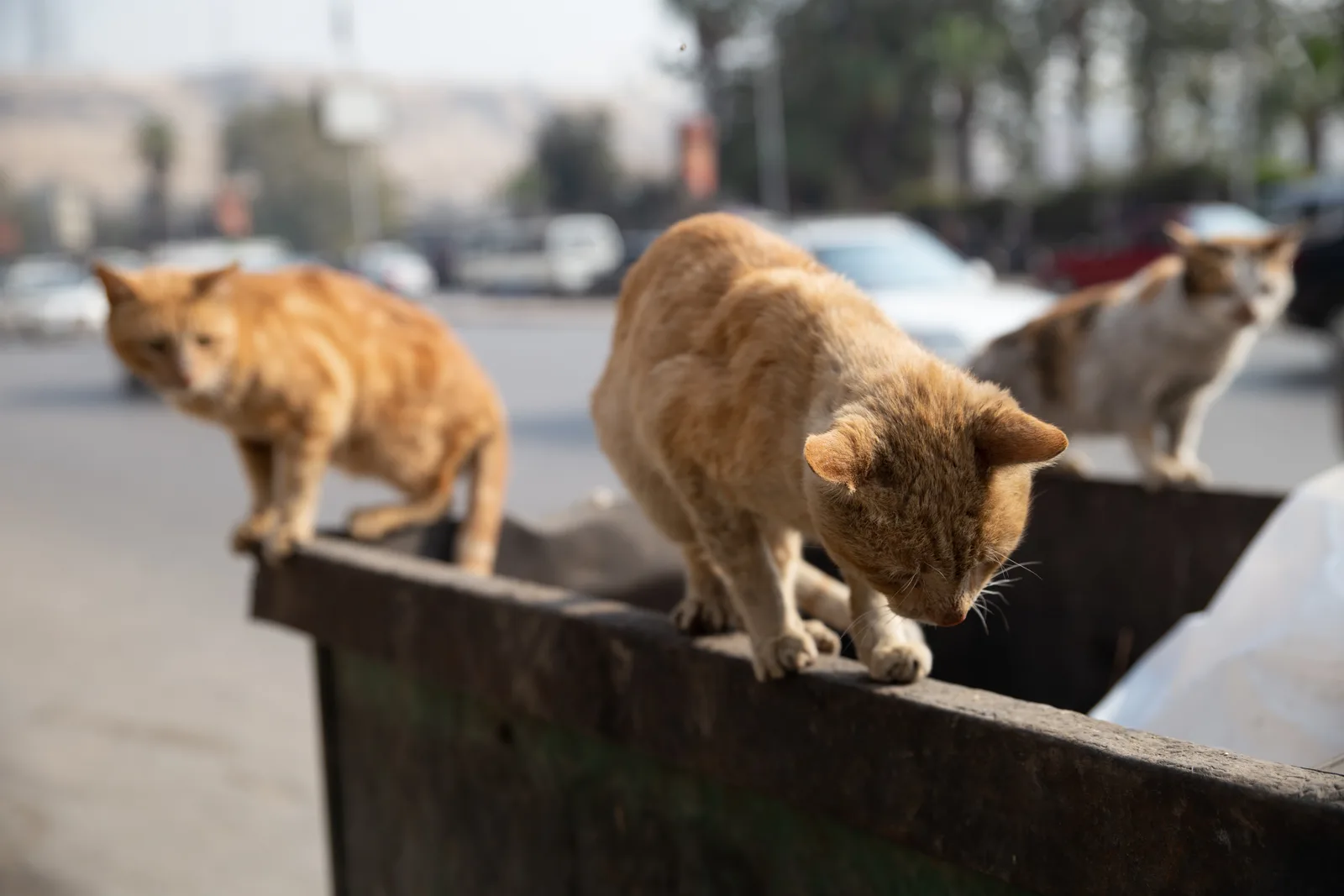
«Keda Ghalat» (Bu Yanlış): Kâsede Zehir, Sırtta Değnek — Hayvana Eziyet, 1937'den Beri Mısır Ceza Kanunu'nda Suç
Bir komşu okul duvarının yanına zehirli kaplar bırakıyor, bir araba sahibi ise eşeğine ağır bir yük çektirmek için yüzüne sopayla vuruyor. Birçok kişi «sadece bir hayvan»ı hiçbir kanunun korumadığını sanıyor. Oysa Ceza Kanunu'nun 355, 356 ve 357. maddeleri, hayvan öldürmeyi, zehirlemeyi ve ona eziyet etmeyi hapis cezasına varan yaptırımlarla cezalandırıyor. Dünya Hayvanlar Günü arifesinde kanunun ne dediğini açıklıyoruz.
3 Ekim 2026 · 6 dk okuma
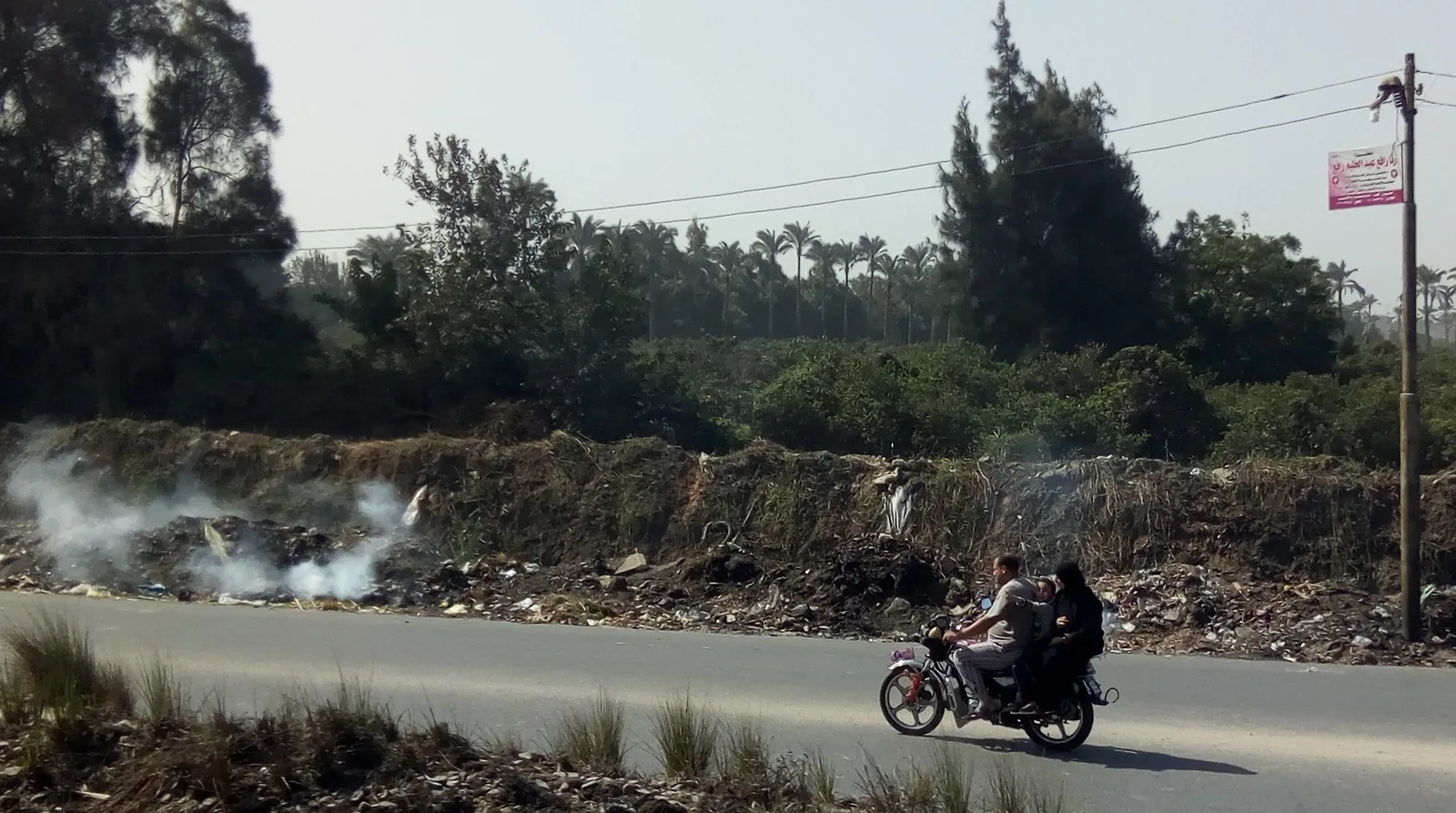
Dört Kişi Bir Motosiklette, Hiçbirinde Kask Yok: Ailenin Yolda Kaybedebileceği En Değerli Şey Açık Baştır
Okulların ikinci haftasında aynı sahne tekrarlanıyor: baba direksiyonda, bir çocuk önünde, biri arkasında, anne çantaları tutuyor; aralarında tek bir kask yok. Basın, CAPMAS'a dayanarak ölümlerin 2020-2024 arasında 190'dan 897'ye çıktığını aktarıyor; Cochrane derlemesi kaskın ölüm riskini %42 azalttığını gösteriyor. Kanun açık başı 1999'dan beri cezalandırıyor, ceza 2008'de artırıldı. Peki neden uymuyoruz?
23 Eylül 2026 · 8 dk okuma
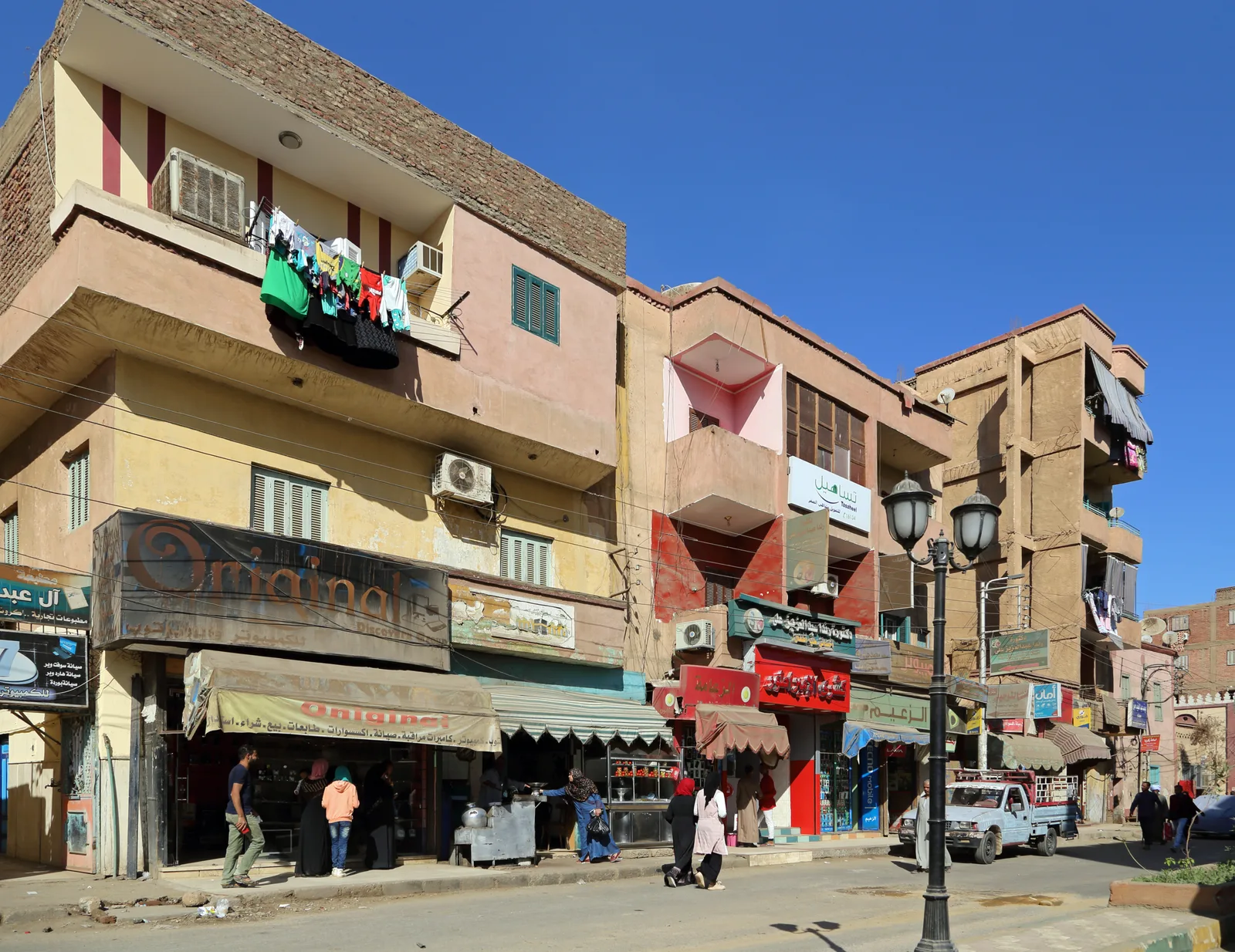
"Kabloya Atlatma" Kurnazlık Değildir: Elektrik Hırsızlığı Bedelini Tüm Mahallenin Ödediği Bir Suçtur
Aydınlatma direğinden balkona sarkan çıplak bir kablo, sayacı hiç dönmeyen bir sayaç üzerinden çalışan klima ve üçüncü kez atan sigorta, faturasını ödeyen komşunun evini karanlığa gömüyor. Elektrik Kanunu'nun 71. maddesi bunu elektrik akımına haksız el koyma sayıyor ve hapis ile para cezasıyla cezalandırıyor; daha ağır bir değişiklik ise Temsilciler Meclisi'ni bekliyor. Bir kaçak bağlantıdan bütün sokak ne kaybeder? Doğru alternatif nedir?
14 Eylül 2026 · 7 dk okuma