Araba camından savrulan çöp: Saniyelik tembellik bir cana mal olabilir
Cam iner, bir el uzanır, poşet asfalta düşer, araba yoluna devam eder. Sokaklarımızda her gün yinelenen bir sahne — mütevazı arabalarda da lüks arabalarda da. Bu, bir kabahat olmadan önce, yolda yürüyen herkese gönderilmiş bir aşağılama mesajı ve üzerinde kayan bir yayanın bedelini canıyla ödeyebileceği bir tuzaktır. Bu yanlış.
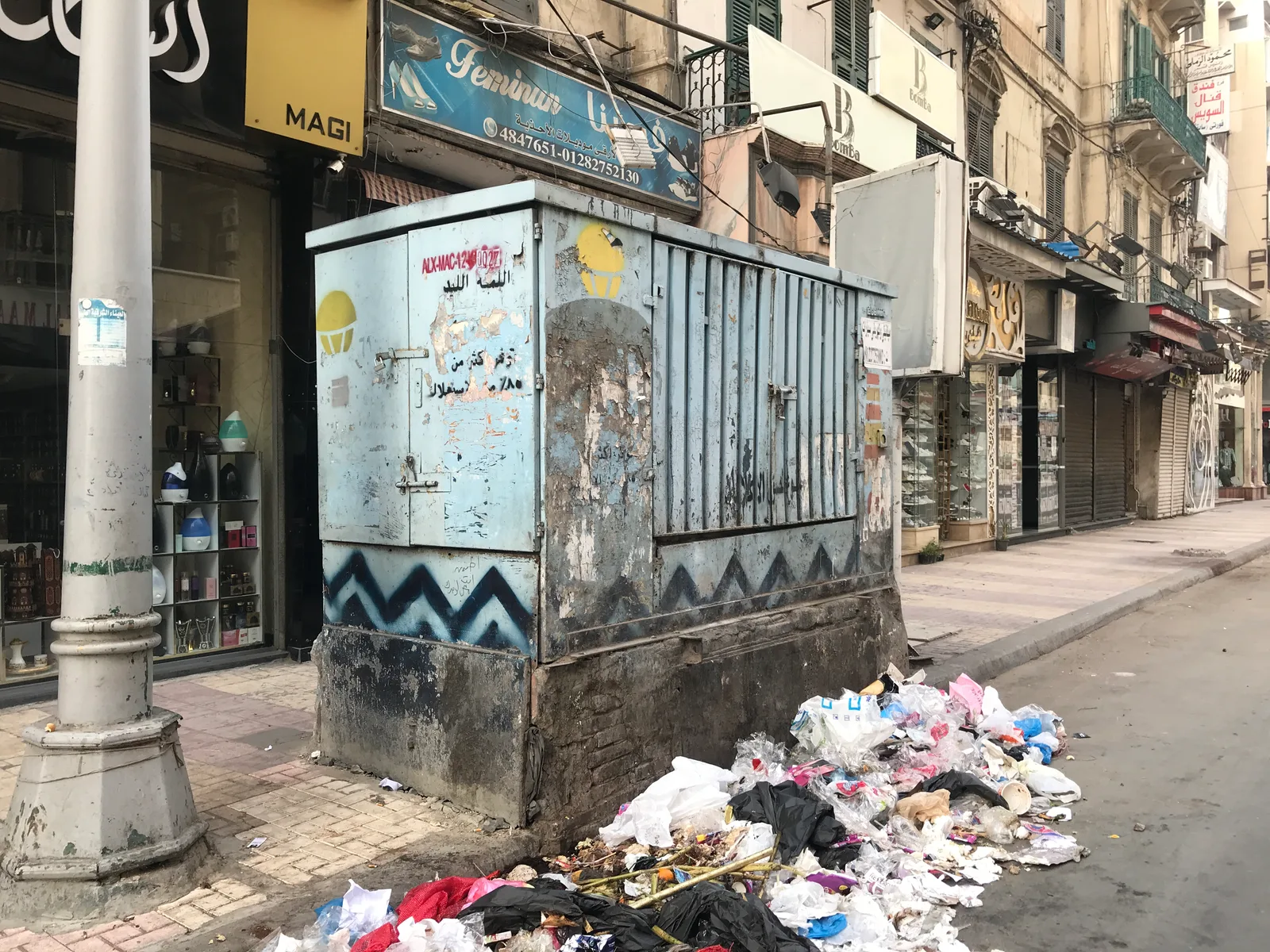
Bu manzarayı uzun uzun anlatmaya gerek yok, çünkü her gün görüyoruz: yolda giden bir araba, inen bir cam, dışarı uzanan bir el; poşet, şişe ya da yemek artıkları asfaltın üstüne düşüyor ve araba hiçbir şey olmamış gibi yoluna devam ediyor. O elin sahibine göre sokak kocaman bir çöp kutusudur, temizlik işçileri de onun attıklarını toplamak için vardır.
Daha ilk satırdan açıkça söyleyelim: arabanın lüksü mazeret değildir. Camları füme, fiyatı bir daireye denk bir arabanın penceresinden poşet atıldığını kaç kez gördük? İncelik bir marka ya da bir model yılı değildir; incelik bir davranıştır. Çöpünü arabasının camından atan kişi, ne kullanıyor olursa olsun, kendini en açık biçimde tanıtmış olur.
Buradaki kusur, hukuki olmadan önce ahlakidir. Sokak, onu kullanan herkesin ortak malıdır: yürüyenin, arabadakinin, satıcının, okuldan dönen çocuğun. Çöpünü oraya atan kişi aslında hepsine şunu söylemektedir: benim rahatım hepinizden önemli, arabamın içinin temizliği de sizin yolunuzun kirlenmesine değer. Bu bir hakaret, bir kışkırtma ve bir zarardır; bu davranıştan başka hiçbir sonuç doğmasa bile.
Asıl felaket ise, bu davranışın çirkinlikten çok daha ağır sonuçlar doğurabilmesidir. Sabah okuluna giden bir öğrenciyi düşünün: kaldırım dolu olduğu için yolun kenarından yürüyor ve ayağı, dakikalar önce geçen bir arabanın camından atılmış bir meyve kabuğuna ya da ıslak bir poşete basıyor. Kayıyor, dengesini kaybediyor, araçların şeridine düşüyor. Tek bir saniyede, bir poşeti en yakın çöp kutusuna kadar arabasında tutmaya katlanamayan birinin tembelliği, koca bir aileyi yıkan bir faciaya dönüşüyor.
Bu davranışa hüküm vermek için faciayı beklemeye gerek yok. En iyi ihtimalle bile, kimse kaymasa ve kimse zarar görmese de, arabadan çöp atmak ahlak dışı, medeniyet dışı ve gören herkesi rahatsız eden bir davranış olarak kalır. Çirkinlik, yalnızca sonucunda değil, davranışın kendisindedir.
Üstelik tek bir poşet asla tek başına kalmaz. Yol kenarındaki ilk poşet, ikincisine ve üçüncüsüne açık bir davettir; ta ki yol kenarı küçük bir çöplüğe dönüşene kadar. Poşetler sürücülerin yüzüne savrulur, yağmur suyu ızgaralarını tıkar ve sonunda sulama ve tahliye kanallarında birikir. Kötü alışkanlık kendi ortamını kendisi kurar: kirli yer, daha çok kirletmeye davetiye çıkarır.
Kanunun da burada söyleyecek bir sözü var; biz onu bilerek ikinci sıraya koyuyoruz. Kamuya açık yola çöp atmak, 1967 tarihli ve 38 sayılı kamu temizliği kanunu ile değişiklikleri uyarınca cezalandırılan bir suçtur. Metin onlarca yıldır yürürlükte; eksik olan, camı açmaya davranan kişiye iki kez düşündürecek kararlı uygulamadır.
Sık sık duyduğumuz hazır bir itiraz da var: “Peki temizlik işçileri ne iş yapıyor?” Cevabı basit: sokağı süpüren birinin varlığı, orayı kirletme ruhsatı değildir; tıpkı doktorların varlığının insanlara zarar verme daveti olmadığı gibi. Temizlik işçisi, emeğinin boş yere katlanmasını değil saygı görmesini; camlarımızın arkasından yürüyen bir süpürge gibi görülmeyi değil, onurunun korunmasını hak eder.
Vatandaştan istenen nedir? Basitliği neredeyse gülünç bir şey: arabanın içinde küçük bir poşet ve çöpleri en yakın kutuya varana kadar orada biriktirmek. Hepsi bu. Bu davranışı gördüğünüzde de nazikçe ama kararlılıkla söyleyin, hatta bir bakışla olsun: “Bu yanlış.” İnsanların kendisini gördüğünü ve bu davranışı hoş karşılamadığını bilen kişi, yaptığı hiç yorum almadan geçip giden kişiden çok daha hızlı değişir.
Peki devletten istenen nedir? Yollara ve meydanlara akıllıca dağıtılmış yeterli sayıda çöp kutusu; kanunda zaten yazılı olan para cezalarının gerçekten işletilmesi ve cezanın, hız cezası gibi araç sahibine ulaşması; mevcut trafik gözetleme kameralarından bu davranışı tespit etmek için mümkün olan her yerde yararlanılması. Uygulanmayan kanun, bir öğüde dönüşür.
Yol, üzerinde yürüyenlerin aynasıdır. Poşet camdan uçtuğunda asfalta düşen yalnızca poşet değildir; onunla birlikte şehrin ve şehir halkının görüntüsünden bir parça da düşer. “Bu yanlış” diyoruz ve camdan poşetle uzanan el manzarası geçmişte kalana kadar bunu söylemeye devam edeceğiz.
İlgili Haberler
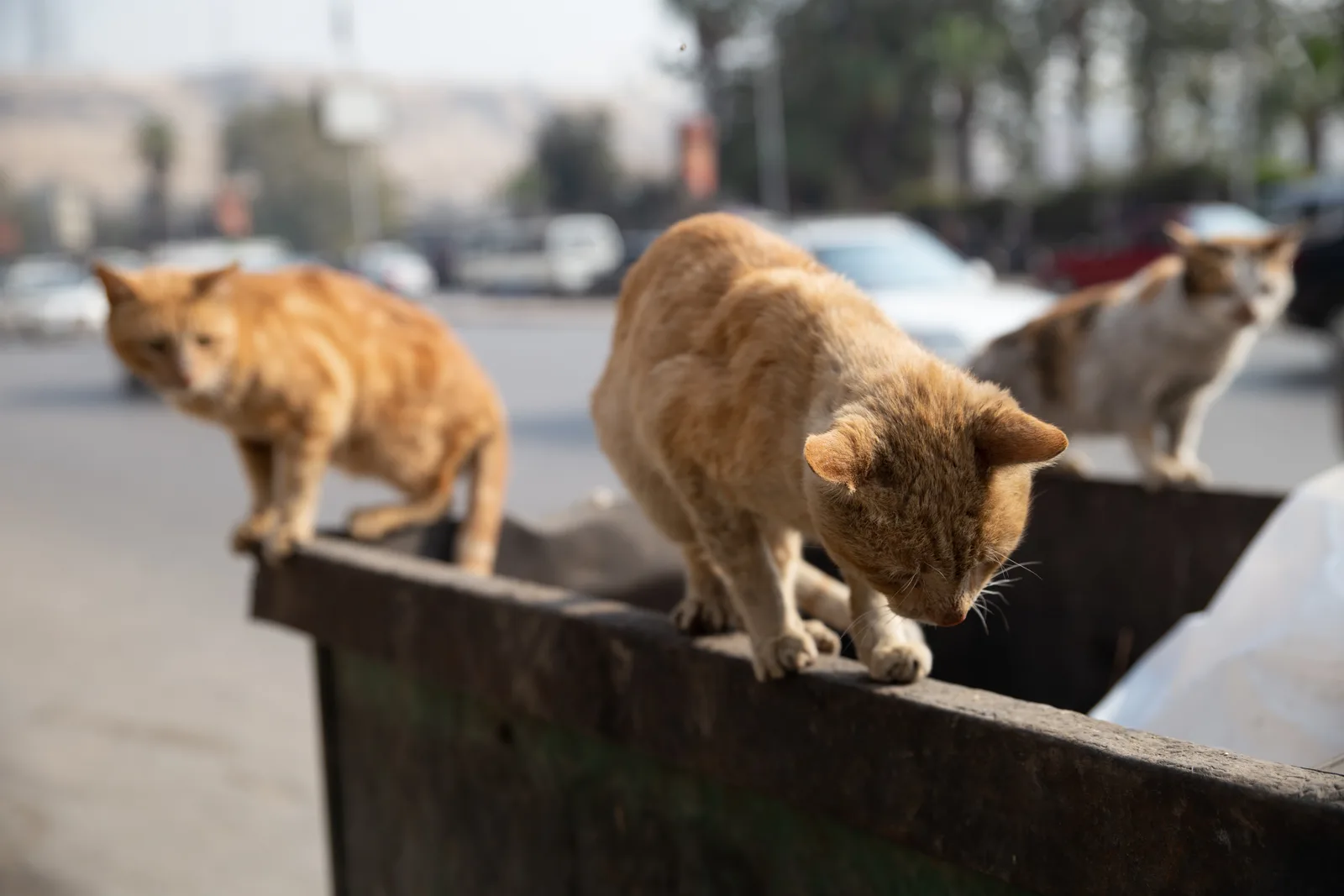
«Keda Ghalat» (Bu Yanlış): Kâsede Zehir, Sırtta Değnek — Hayvana Eziyet, 1937'den Beri Mısır Ceza Kanunu'nda Suç
Bir komşu okul duvarının yanına zehirli kaplar bırakıyor, bir araba sahibi ise eşeğine ağır bir yük çektirmek için yüzüne sopayla vuruyor. Birçok kişi «sadece bir hayvan»ı hiçbir kanunun korumadığını sanıyor. Oysa Ceza Kanunu'nun 355, 356 ve 357. maddeleri, hayvan öldürmeyi, zehirlemeyi ve ona eziyet etmeyi hapis cezasına varan yaptırımlarla cezalandırıyor. Dünya Hayvanlar Günü arifesinde kanunun ne dediğini açıklıyoruz.
3 Ekim 2026 · 6 dk okuma
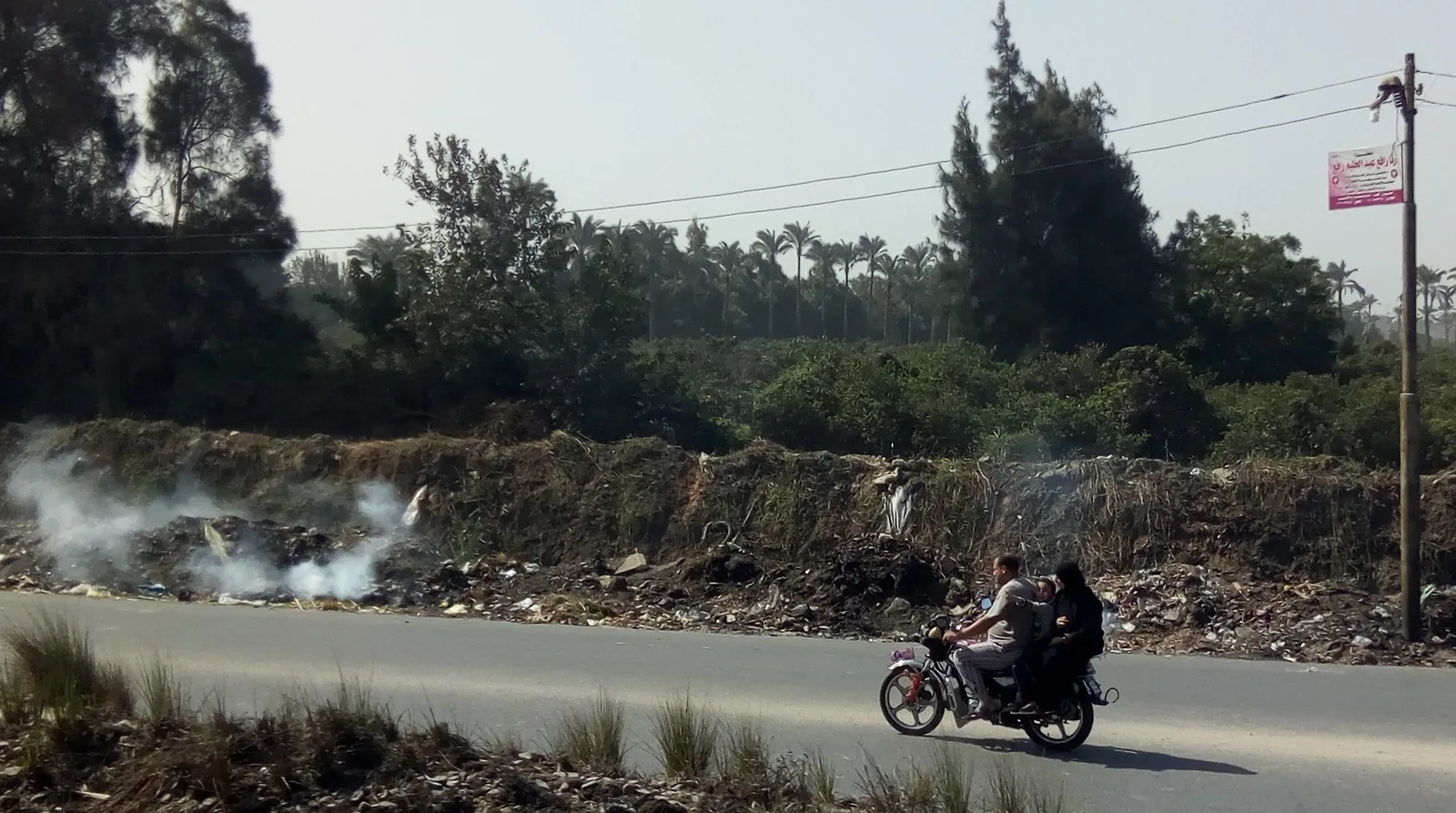
Dört Kişi Bir Motosiklette, Hiçbirinde Kask Yok: Ailenin Yolda Kaybedebileceği En Değerli Şey Açık Baştır
Okulların ikinci haftasında aynı sahne tekrarlanıyor: baba direksiyonda, bir çocuk önünde, biri arkasında, anne çantaları tutuyor; aralarında tek bir kask yok. Basın, CAPMAS'a dayanarak ölümlerin 2020-2024 arasında 190'dan 897'ye çıktığını aktarıyor; Cochrane derlemesi kaskın ölüm riskini %42 azalttığını gösteriyor. Kanun açık başı 1999'dan beri cezalandırıyor, ceza 2008'de artırıldı. Peki neden uymuyoruz?
23 Eylül 2026 · 8 dk okuma
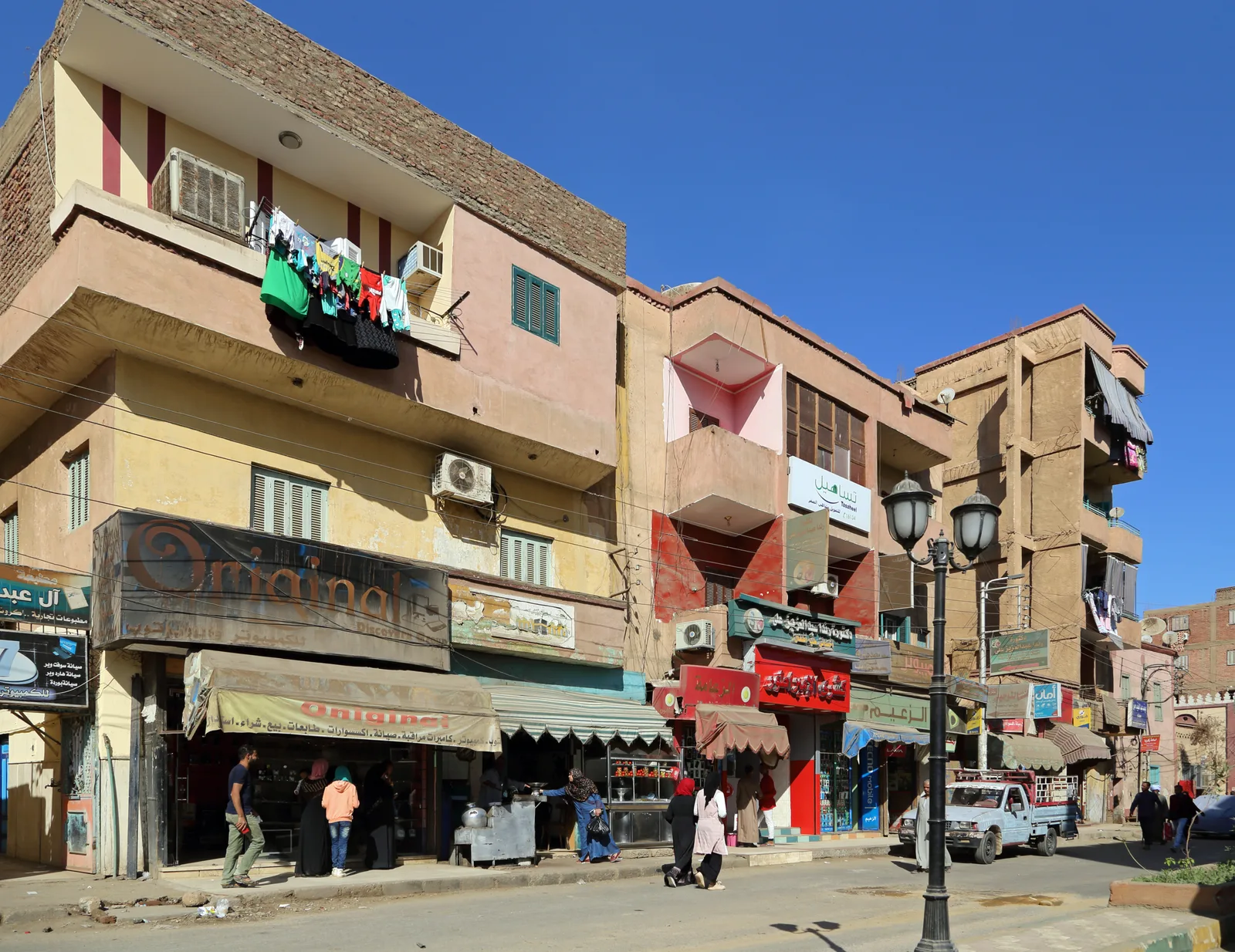
"Kabloya Atlatma" Kurnazlık Değildir: Elektrik Hırsızlığı Bedelini Tüm Mahallenin Ödediği Bir Suçtur
Aydınlatma direğinden balkona sarkan çıplak bir kablo, sayacı hiç dönmeyen bir sayaç üzerinden çalışan klima ve üçüncü kez atan sigorta, faturasını ödeyen komşunun evini karanlığa gömüyor. Elektrik Kanunu'nun 71. maddesi bunu elektrik akımına haksız el koyma sayıyor ve hapis ile para cezasıyla cezalandırıyor; daha ağır bir değişiklik ise Temsilciler Meclisi'ni bekliyor. Bir kaçak bağlantıdan bütün sokak ne kaybeder? Doğru alternatif nedir?
14 Eylül 2026 · 7 dk okuma