Tek nehir, on bir ülke: Nil Havzası diplomasisinin özeti
Mısır, tatlı suyunun onda dokuzundan fazlasını on bir ülkenin paylaştığı bir nehirden karşılıyor ve akışın en sonunda yer alıyor. 1929 ve 1959 anlaşmalarından Nil Havzası Girişimi'ne ve Hedasi Barajı'na, Mısır'ın ve Arap dünyasının en kritik ulusal güvenlik dosyalarından birinin ardındaki çıkar, hukuk ve müzakere haritasını çıkarıyoruz.
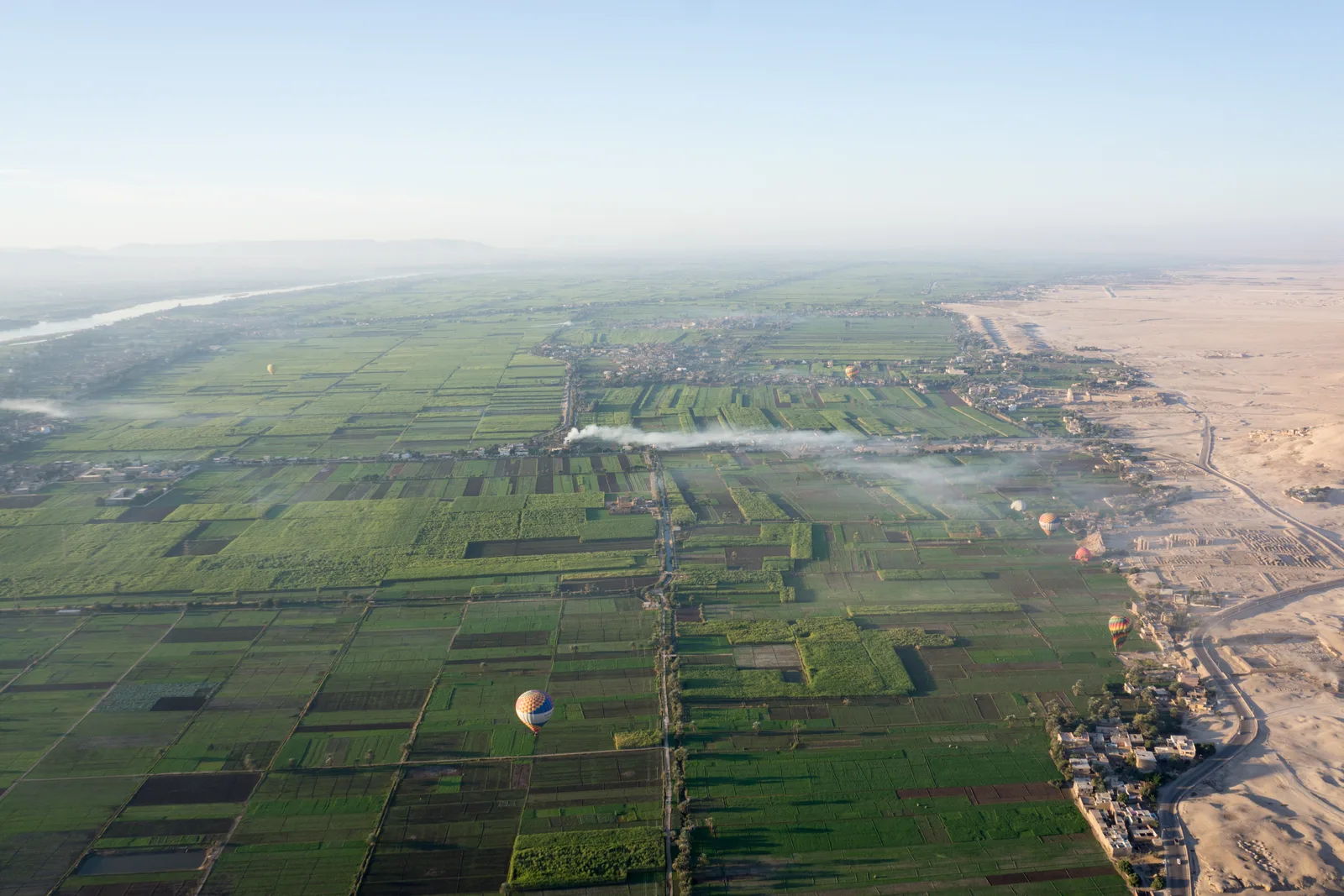
Nil yalnızca Mısır’dan geçen bir ırmak değil; ülkenin varlık sebebidir. Nitekim Yunan tarihçi Herodotos, Mısır’ı “Nil’in armağanı” diye tanımlamıştı. Bugün ırmağın havzasını, Afrika’nın ekvator gölleriyle Akdeniz arasında uzanan on bir ülke paylaşıyor; Mısır ise akışın en sonunda duruyor ve yenilenebilir tatlı su kaynaklarının onda dokuzundan fazlası için bu ırmağa bağlı. Havza diplomasisini kelimenin tam anlamıyla varoluşsal bir mesele hâline getiren de budur.
Yaklaşık 6.650 kilometre uzunluğundaki Nil, dünyanın en uzun ırmağı ya da en uzunlarından biri sayılıyor ve iki ana kolla besleniyor: ekvator platosundaki göllerden inen Beyaz Nil ile Etiyopya yaylalarından dökülen Mavi Nil. Mavi Nil, Atbara ırmağıyla birlikte Mısır’a ulaşan suyun aslan payını — yaklaşık yüzde 85’ini — özellikle taşkın mevsiminde sağlıyor.
Mısır’ın ırmağa bağımlılığı neredeyse mutlaktır: yağış azdır, çöl ülkenin büyük bölümünü kaplar ve nüfus yüz milyonu aşarken kişi başına düşen yenilenebilir su miktarı, uluslararası kabul gören yılda bin metreküplük su yoksulluğu sınırının epeyce altına inmiş, son yıllarda bu sınırın yarısına dahi yaklaşmıştır.
Mısır’ın hukuki dayanağı tarihsel anlaşmalardır; başta Büyük Britanya’nın Doğu Afrika’daki sömürgeleri adına 1929’da imzaladığı sözleşme ile Sudan’la 1959’da yapılan ve ırmağın Asvan’da ölçülen debisini paylaştıran anlaşma gelir: Mısır’a yaklaşık 55,5 milyar metreküp, Sudan’a 18,5 milyar metreküp. Ne var ki kaynak ülkeleri bu metinlerin tarafı olmadı; onları kendilerini bağlamayan bir sömürge mirası sayarak reddettiklerini açıkça ilan ediyorlar.
Havza ülkeleri hepsini bir araya getirecek bir çerçeve kurmayı denedi: önce 1999’da teknik iş birliği ve güven inşası için başlatılan “Nil Havzası Girişimi”, ardından 2010’da Entebbe’de imzalanan İş Birliği Çerçeve Anlaşması. Birçok kaynak ülkesi bu anlaşmaya katılırken Mısır ve Sudan, su güvenliği ile tarihsel haklara ilişkin maddelere çekince koydu; havza bugüne dek bütün ülkelerini toplayan bir hukuki çerçeveden yoksun kaldı.
Büyük Etiyopya Rönesans Barajı, anlaşmazlığı uluslararası siyasetin merkezine yerleştirdi. 2011’de Sudan sınırına yakın bir noktada Mavi Nil üzerinde inşasına başlanan baraj, kapasitesi 74 milyar metreküpe yaklaşan rezervuarıyla Afrika’nın en büyük hidroelektrik tesislerinden biri hâline geldi. Etiyopya barajı kalkınmanın lokomotifi ve on milyonlarca evini elektriğe kavuşturacak bir proje olarak görüyor; Kahire ile Hartum ise bağlayıcı kurallara bağlanmadığı sürece onu can damarlarına dokunan bir girişim sayıyor.
Mısır ile Sudan’ın talepleri, rezervuarın doldurulmasını ve barajın işletme kurallarını düzenleyen, uzun süreli kuraklık yıllarına dair açık protokoller getiren, düzenli veri paylaşım mekanizmaları ve yapısal güvenlik güvenceleri içeren bağlayıcı bir hukuki anlaşmada toplanıyor; böylece ırmağın yönetimi, yukarı havzada tek taraflı alınıp sonuçlarına aşağı havza ülkelerinin katlandığı kararlara dönüşmeyecek.
Müzakere süreci birkaç durakta ilerledi; en önemlisi üç ülkenin liderlerinin 2015’te Hartum’da imzaladığı İlkeler Deklarasyonu’ydu. Ardından ABD ile Dünya Bankası’nın, sonra da Afrika Birliği’nin himayesinde turlar yapıldı, ancak bağlayıcı bir anlaşmaya varılamadı. Etiyopya bu arada birbirini izleyen yağış mevsimlerinde doldurma aşamalarını sürdürdü ve barajın türbinleri fiilen elektrik üretmeye başladı.
İçeride Mısır, müzakerelerin sonucunu eli kolu bağlı beklemiyor: tarımsal drenaj sularının arıtılıp yeniden kullanılmasını, başta dünyanın en büyükleri arasında sayılan Bahr el-Bakar tesisi olmak üzere dev tesislerle genişletti; kıyılarda deniz suyunun arıtılmasına yöneldi, kanalları onarıp kaplamayla donattı, tarla sulamasında tasarrufu yaygınlaştırdı ve pirinç gibi çok su isteyen ürünlerin ekim alanlarını sınırladı.
Pek çok uzman, ırmağın bir çatışma sahası değil bir iş birliği köprüsü olabileceğini hatırlatıyor: elektrik şebekelerinin birbirine bağlanması, enerji ticareti ve depolama, tarım ile su yolu taşımacılığında ortak yatırımlar, havzanın tamamına herhangi bir tek taraflı kazancı aşan yararlar sağlayabilir; üstelik havza ülkelerinde nüfus durmadan artarken iklim değişikliğinin baskısı istisnasız herkesin üzerinde.
Mısırlı ve Arap okur için bu dosya, tam anlamıyla bir ulusal güvenlik meselesi olmayı sürdürüyor: su burada yalnızca ekonomik bir kaynak değil, hayatın kendisinin şartıdır. Bu yüzden Nil Havzası diplomasisi — müzakereleri, zirveleri ve hukuki çerçeveleriyle — önümüzdeki on yıllar boyunca Mısır dış politikasının en önemli cephelerinden biri olmayı sürdürecek.
İlgili Haberler
Bir Anlaşmayla Kapanan Gökyüzü Deliği: Montreal Protokolü ve Mısır'ın Ozon Tabakasını Kurtarma Öyküsündeki Payı
16 Eylül'de dünya, tüm ülkeler tarafından onaylanan ve gerçekten işe yarayan ilk anlaşmalardan birinin yıldönümü olan Uluslararası Ozon Tabakasının Korunması Günü'nü kutluyor. 1974'teki bilimsel makaleden 1987'de Montreal'deki imzaya, Mısır'ın 1988'deki erken onayından 2023'teki Kigali Değişikliği'ne: bir teknisyenin elindeki soğutucu gaz tüpünün ve gökyüzünün 2040 civarında iyileşmesinin beklenme sebebinin öyküsü.
16 Eylül 2026 · 7 dk okuma
Arap Birliği: Pencereleri Tahrir Meydanı'na bakan Arapların evi
Tahrir Meydanı'ndan birkaç adım ötede “Arapların Evi” duruyor: Dünyanın en eski bölgesel örgütlerinden biri; Kahire'de, Birleşmiş Milletler Antlaşması'ndan bile önce doğdu. Zirveleri ve genel sekreterliği nasıl işliyor? Kararları neden yalnızca kabul edeni bağlıyor? Tunus'a taşınma ve geri dönüş hikâyesi nedir? Her gün önünden geçtiğimiz ama neredeyse hiç tanımadığımız eski bir komşunun içinde bir tur.
2 Eylül 2026 · 7 dk okuma
Mavi çatının altında: Birleşmiş Milletler nasıl işliyor, Güvenlik Konseyi'nde “veto” kimin elinde?
Bir kriz patlak verdiğinde hep aynı cümleyi duyarsınız: Güvenlik Konseyi toplandı, bir devlet “veto” kullandı. Peki mavi çatının altında gerçekte ne oluyor? Genel Kurul salonundan at nalı biçimli masaya uzanan bir yolculuk: BM kararı nasıl doğar, ne zaman bağlayıcı olur, tek bir kelime onu nasıl düşürür ve bu tabloda Mısır'ın yeri neresi?
26 Ağustos 2026 · 8 dk okuma