Nil çöplük değildir: Atardamarı zehirleyen, bütün bedeni hançerler
Mısır'ın tarihin şafağından beri üzerinde yükseldiği nehre kimileri açık kanalizasyon muamelesi yapıyor: Köprülerden poşetler fırlatılıyor, atıklar suya boşaltılıyor, çöpler kıyılarda bırakılıyor. Nil'e bir şey atan kişi bir «manzarayı» kirletmiyor; nehrin akışı boyunca kendisinden sonra gelen milyonlarca Mısırlının içme suyunu kirletiyor. Üstelik yasa bunu açıkça suç sayıyor. Bu yanlış.
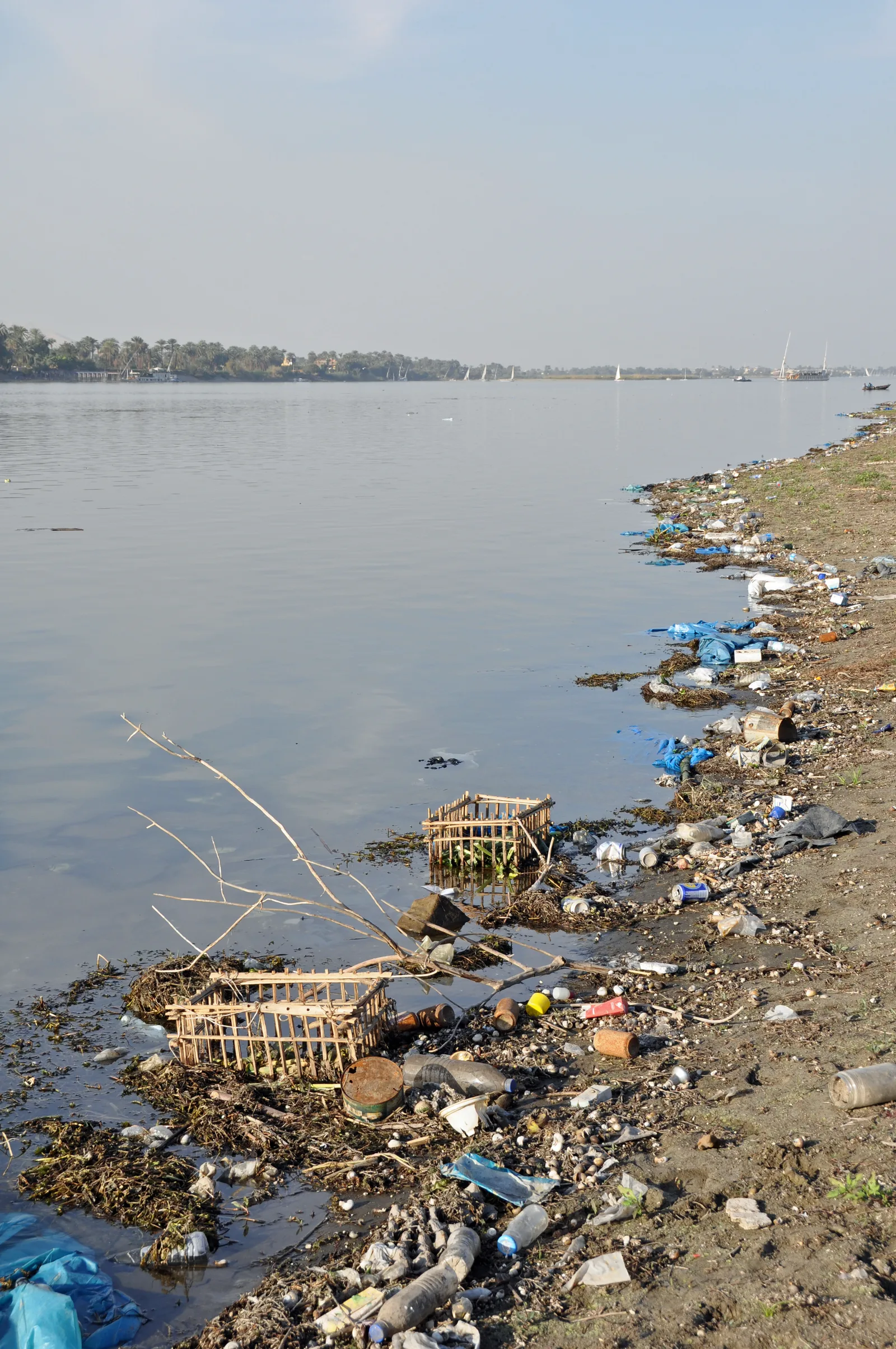
Her şeyden önce, bu nehrin ne olduğunu hatırlayalım. Nil bir turistik simge ya da gün batımı fotoğraflarının fonu değildir; Mısır'ın var olmasının nedenidir. İki yakasında dünyanın en eski uygarlıklarından biri kuruldu; Mısırlılar binlerce yıldır ondan içiyor, onunla sulayıp onunla yaşıyor. Yunan tarihçi Herodot çok eskiden Mısır'ın Nil'in armağanı olduğunu yazmıştı ve bu söz bugün de harfi harfine geçerli: büyük bölümü çöl olan bir ülke, ortasından akan tek bir su damarı ve her şeyin buna dayanması.
Şimdi bir de kimilerimizin bu damara nasıl davrandığına bakın. Bir saniye bile sürmeyen bir el hareketiyle köprüden atılan çöp poşeti. Gecenin karanlığında kıyıya boşaltılan atıklar. Kıyıda geçirilen bir gezinti gününün ardından, su alıp götürsün diye bırakılan şişeler ve plastik poşetler. Nehir yatağına ya da ona bağlı kanallara ve tahliye hendeklerine sızan lağım suları. Herkes kendi kendine, yaptığının küçücük, nehrin ise koca bir nehir olduğunu söylüyor; sonuç, milyonlarca “küçük iş”in aynı suda toplanmasıdır.
Nil'i kirletmeyi başka herhangi bir çöp atma davranışından ayıran gerçek şudur: Nehir akar. Bir noktada suya attığınız şey orada kalmaz; sizden sonrakilere gider. İçme suyu tesisleri aynı yataktan su çeker, tarım arazileri onunla sulanır, balıkçı ağını ona atar. Nil'i kirleten kişi bir “genel görüntü”ye zarar vermiş olmaz; fiilen, tanımadığı bir insanın evindeki su bardağına ve o suyla yetiştirilecek yemek tabağına elini uzatmış olur.
İşte bu yüzden buradaki suç, hukuki olmadan önce ahlakidir. Nil'e atık atmak, nehrin sizden aşağısında yaşayan her Mısırlıya yönelik sessiz bir saldırıdır; saldırganın kurbanlarını görmediği, kurbanların da saldırganı görmediği, ama hiç şüphesiz gerçek olan bir saldırı. Üstelik bu, kıyının çöplüğe dönüştüğünü gören herkese yönelik bir hakaret ve bir meydan okumadır: Bu nehir hepimizin; onu çirkinleştirme hakkını size kim verdi?
Plastik ise apayrı bir düşman. Atılması bir saniye süren poşet, su ortamında uzun yıllar kalır; gitgide daha küçük parçalara ayrılır ve sofralarımıza gelen balıklar tarafından yutulur. Bugünün kirliliği bugün bitmiyor; nehirde çocuklarımıza bıraktığımız zehirli bir emanete dönüşüyor.
Kanunun burada açık ve eskiye dayanan bir sözü var. Nil Nehri'nin ve su yollarının kirlilikten korunmasına dair 1982 tarihli 48 sayılı Kanun, katı ya da sıvı atıkların nehre, kollarına, kanallara ve tahliye hendeklerine boşaltılmasını, ruhsat ve belirli standartlar dışında yasaklıyor; 1994 tarihli 4 sayılı Çevre Kanunu ve değişiklikleri ise korumayı sıkılaştırıp cezalar öngörüyor. Metinler onlarca yıldır var; gereken, bunların metin olmaktan çıkıp nehri bir kanalizasyon sanmaya kalkışan herkesin göreceği bir gerçeğe dönüşmesidir.
Hakkını da verelim: Kirliliğin her biçimi bireylerin işi değil. Arıtılmamış lağım suları, sanayi ve tarım atıkları tek bir vatandaşın davranışından çok daha büyük dosyalardır; bunların sorumluluğu öncelikle devlet kurumlarına ve işletmelere aittir. Mısır'ın atık su arıtma ve kanal kaplama projelerine verdiği önem, üzerine inşa edilmeyi hak eden doğru adımlardır. Ama bu, bireyi aklamaz; köprüden attığınız poşetin altında hiçbir resmî kurumun imzası yoktur. Herkes kendi elinden sorumludur.
Vatandaştan istenen nedir? Elinizden çıkan hiçbir şeyin Nil'e ya da ona bağlı bir kanala veya tahliye hendeğine ulaşmaması: Ne poşet, ne şişe, ne piknik artığı, ne kesim atığı. Kıyıya oturduysanız, orayı bulduğunuz gibi ya da daha temiz bırakın. Atığını suya atan birini görürseniz, görmezden gelip geçmeyin: Sakin ama kararlı bir söz; fiil ağırsa yetkili makamlara bildirim. Böyle olmaz.
Tekne sahiplerinden ve Nil üzerindeki işletmelerden istenen nedir? Her teknede atık kutusu bulundurmak ve bunları suya değil karaya indirmeye bağlı kalmak. Nil, herkesten önce sizin geçim kaynağınız; nehir üzerindeki işin, kendisiyle yaşadığı nehri öldürmesi akıl kârı değildir.
Peki devletten istenen nedir? 1982 tarihli 48 sayılı ve 1994 tarihli 4 sayılı kanunların, birey olsun işletme olsun kirletenlere gerçekten uygulanması; atık su arıtma projelerinin sürdürülüp genişletilmesi; kordon boylarında ve kıyılarda doğru davranışı yanlışından daha kolay kılacak sayıda çöp kutusu; nehri temizleme girişimlerine destek ve bu girişimlerdeki gönüllülerin korunması.
Koca bir millet tek bir damardan yaşıyor. Bu, süslü bir cümle değil; Mısır'ın tam da coğrafi tarifidir. Bu damarı bir poşetle, bir lağım borusuyla ya da bir kamyon dolusu atıkla bıçaklayan, bütün bedeni bıçaklamış olur; o bedenin başında da kendi çocukları vardır. Nil bize her şeyi verdikten sonra, korunmayı bizden hak ediyor. Onu yüzüstü bırakanlara, nehrin kendi sesi olsaydı o sesle söylüyoruz: Böyle olmaz.
İlgili Haberler
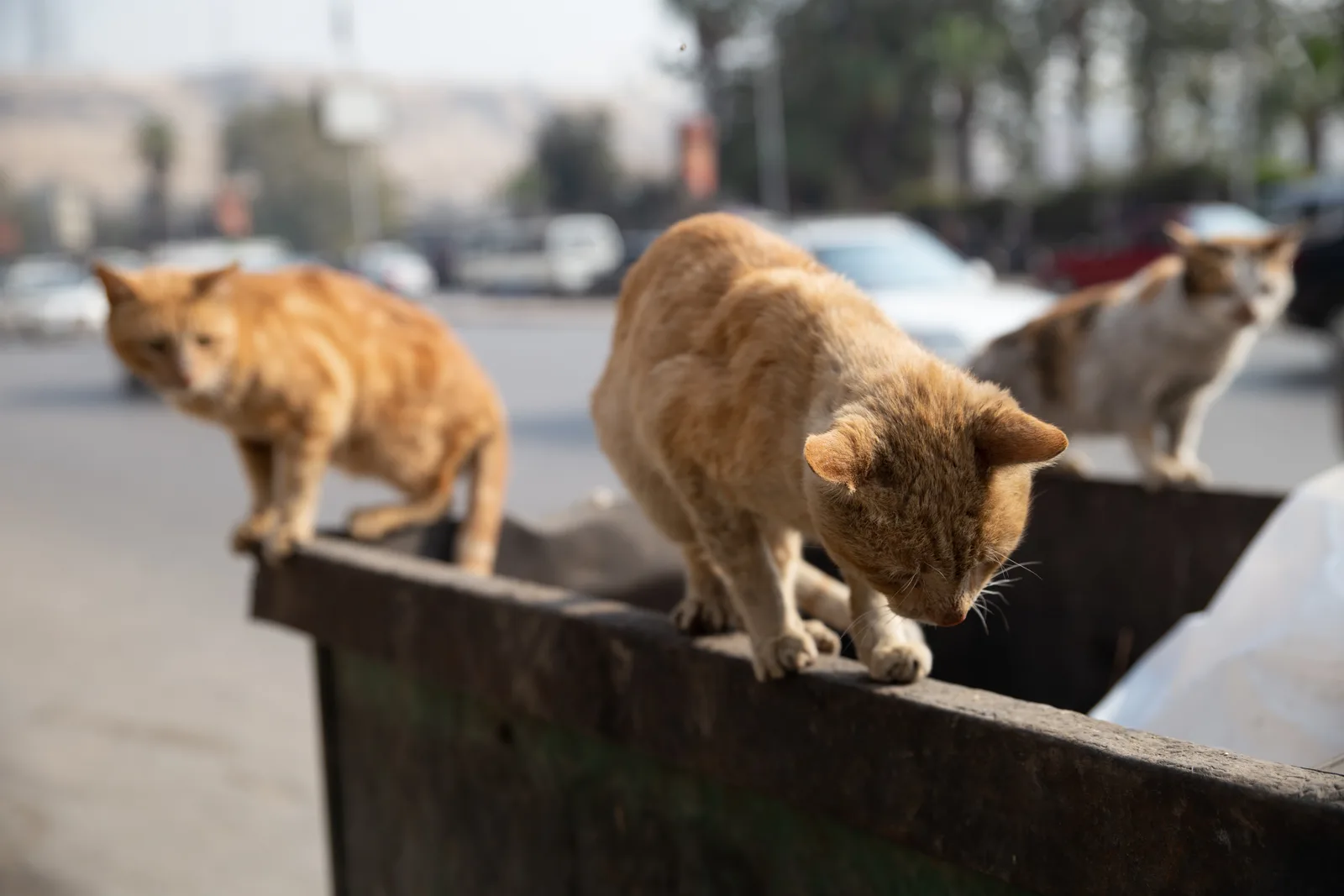
«Keda Ghalat» (Bu Yanlış): Kâsede Zehir, Sırtta Değnek — Hayvana Eziyet, 1937'den Beri Mısır Ceza Kanunu'nda Suç
Bir komşu okul duvarının yanına zehirli kaplar bırakıyor, bir araba sahibi ise eşeğine ağır bir yük çektirmek için yüzüne sopayla vuruyor. Birçok kişi «sadece bir hayvan»ı hiçbir kanunun korumadığını sanıyor. Oysa Ceza Kanunu'nun 355, 356 ve 357. maddeleri, hayvan öldürmeyi, zehirlemeyi ve ona eziyet etmeyi hapis cezasına varan yaptırımlarla cezalandırıyor. Dünya Hayvanlar Günü arifesinde kanunun ne dediğini açıklıyoruz.
3 Ekim 2026 · 6 dk okuma
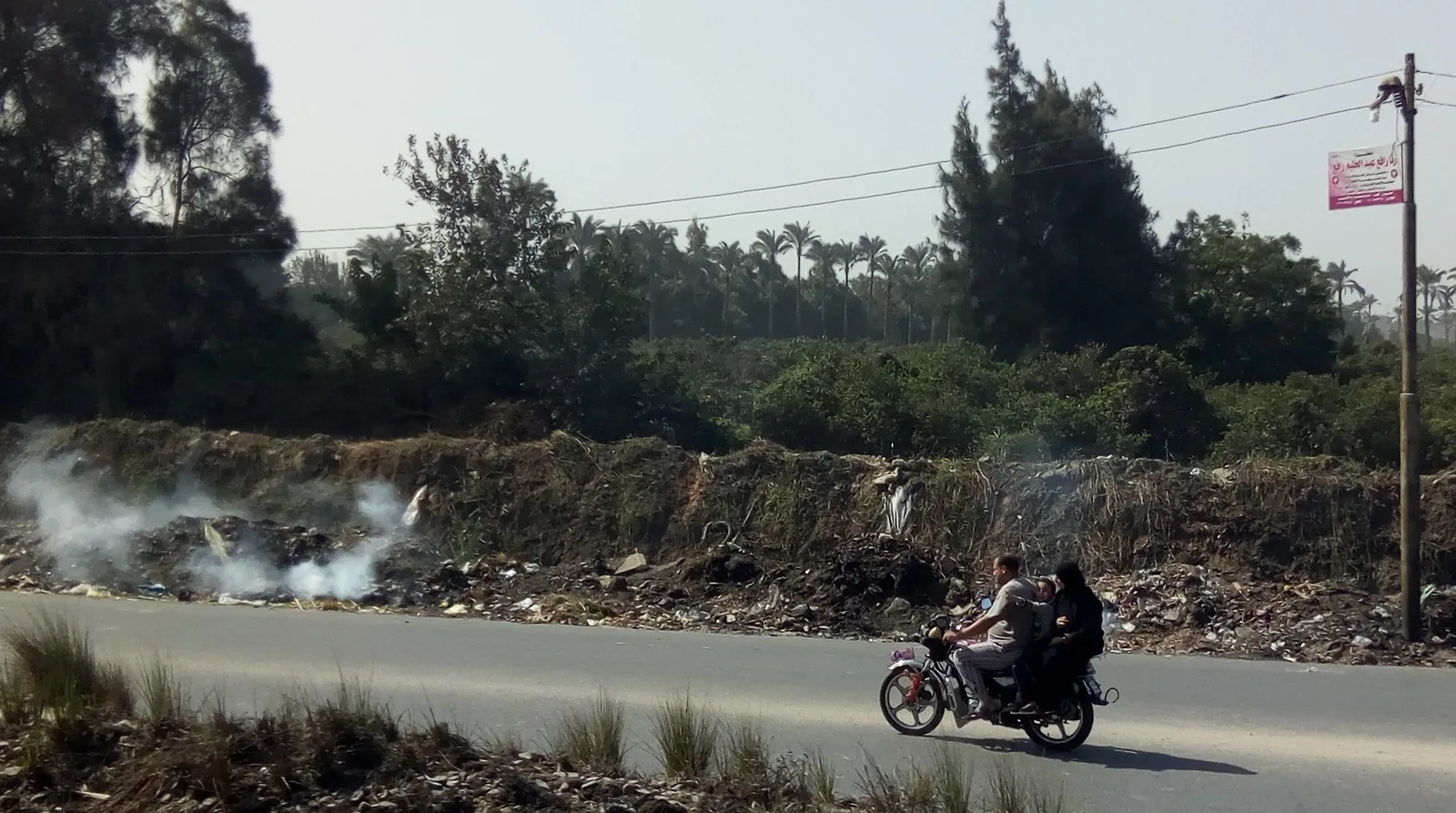
Dört Kişi Bir Motosiklette, Hiçbirinde Kask Yok: Ailenin Yolda Kaybedebileceği En Değerli Şey Açık Baştır
Okulların ikinci haftasında aynı sahne tekrarlanıyor: baba direksiyonda, bir çocuk önünde, biri arkasında, anne çantaları tutuyor; aralarında tek bir kask yok. Basın, CAPMAS'a dayanarak ölümlerin 2020-2024 arasında 190'dan 897'ye çıktığını aktarıyor; Cochrane derlemesi kaskın ölüm riskini %42 azalttığını gösteriyor. Kanun açık başı 1999'dan beri cezalandırıyor, ceza 2008'de artırıldı. Peki neden uymuyoruz?
23 Eylül 2026 · 8 dk okuma
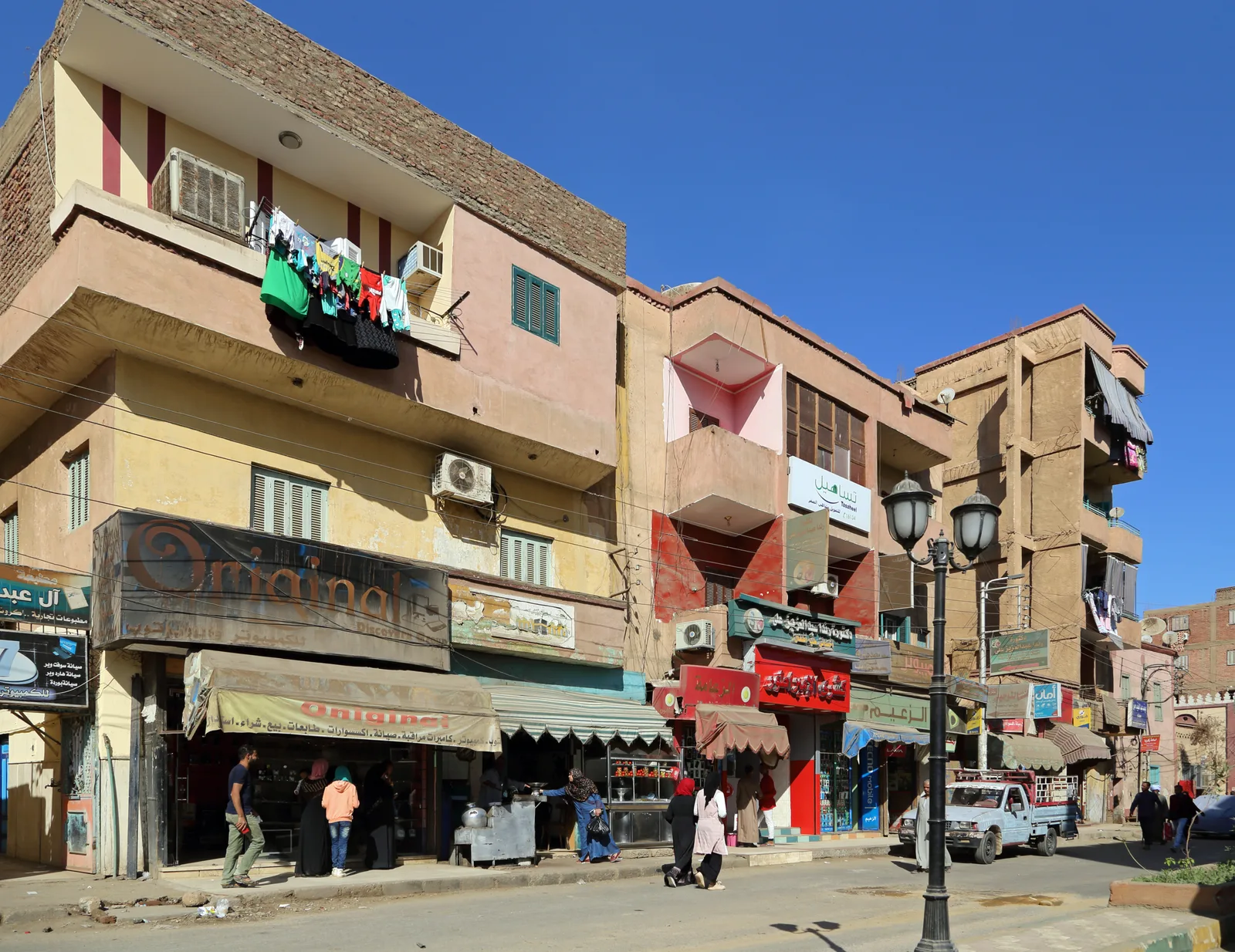
"Kabloya Atlatma" Kurnazlık Değildir: Elektrik Hırsızlığı Bedelini Tüm Mahallenin Ödediği Bir Suçtur
Aydınlatma direğinden balkona sarkan çıplak bir kablo, sayacı hiç dönmeyen bir sayaç üzerinden çalışan klima ve üçüncü kez atan sigorta, faturasını ödeyen komşunun evini karanlığa gömüyor. Elektrik Kanunu'nun 71. maddesi bunu elektrik akımına haksız el koyma sayıyor ve hapis ile para cezasıyla cezalandırıyor; daha ağır bir değişiklik ise Temsilciler Meclisi'ni bekliyor. Bir kaçak bağlantıdan bütün sokak ne kaybeder? Doğru alternatif nedir?
14 Eylül 2026 · 7 dk okuma