Kırık kaldırımlarda: Mısır şehirlerinde yayalar yoldaki haklarını arıyor
Bir Mısır şehrinde ana caddeden karşıya geçmek, milyonların mecburiyetten ustalaştığı bir beceri: bir adım, bir duraklama, sürücülerin niyetini hızla okuma ve ardından hesaplı bir koşu. Bu, yol kullanıcılarının çoğunluğunu oluşturduğu hâlde yoldan en küçük payı alan yayaların hikâyesi.
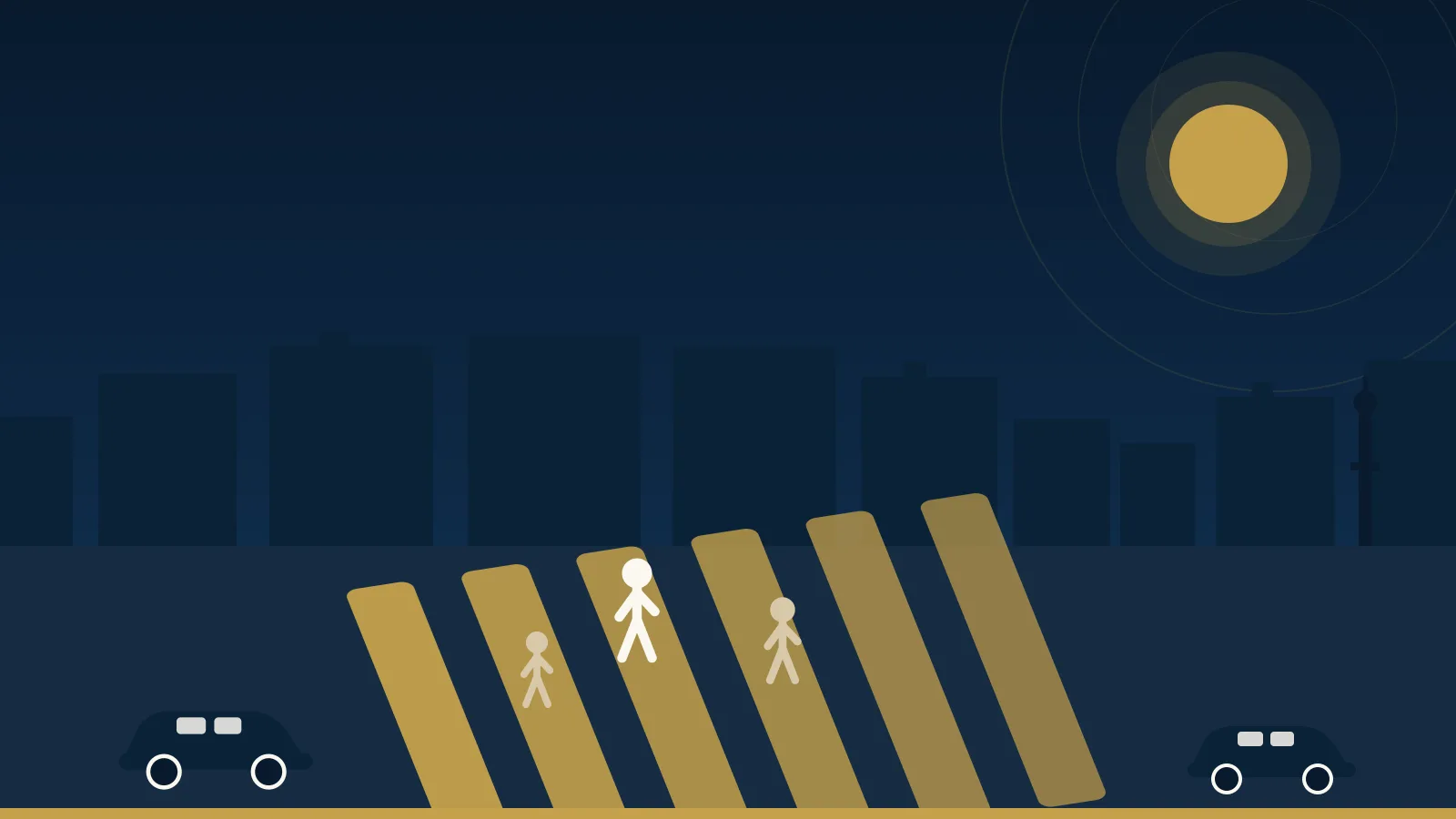
Her Mısır kentinde günde binlerce kez yinelenen bir sahne vardır: bir adam, bir kadın ya da bir öğrenci, çok şeritli geniş bir caddenin kenarında durur; üzerine doğru gelen arabaları kollar, madenî selin içinde bir gedik bekler, sonra zorunlu deneyimle ustalaşmış birinin titizliğiyle hesaplanmış zikzaklı bir güzergâhtan karşıya geçer. Mısır'da caddeyi geçmek gelip geçici bir eylem değil, insanların çocuk yaşta öğrenip her gün kendi sorumluluğuna güvenerek uyguladığı eksiksiz bir yaşam becerisidir; hem de güvenli geçiş imkânlarının neredeyse tümüyle bulunmadığı bir ortamda.
Sorunun büyük rakamları yıllardır biliniyor ve belgeleniyor: Mısır'da trafik kazaları her yıl binlerce can alıyor, on binlerce kişiyi de yaralıyor. Dünya Sağlık Örgütü'nün ardışık raporları, gelişmekte olan ülkelerde yayaların yol kurbanları içinde büyük bir oran tuttuğunu gösteriyor; korumasız insan, kendisini ayıran hiçbir düzenleme olmadan yolu hızlı araçlarla paylaşıyor. Bu istatistiklerdeki her rakamın arkasında, işe ya da okula giderken geçimini sağlayan kişisini veya evladını yitirmiş bir aile var.
Hikâye kaldırımdan başlıyor; yani yalnızca yayalara ait olması gereken alandan. Ama herhangi bir mahallede atılacak kısa bir tur, bambaşka bir gerçeği ortaya koyuyor: yaşlıların çıkamayacağı kadar yüksek bordürler, ayak bileklerini bekleyen kırık zeminler, park etmiş arabalar, dükkân malları, büfeler ve kaldırım kahveleriyle bütünüyle işgal edilmiş bölümler ya da hiçbir alternatif bırakmadan aniden kesilen kaldırımlar. Herkesin bildiği sonuç şu: yürüyen kişi mecburen asfalt nehrine iniyor ve şeridi arabalarla, motosikletlerle paylaşıyor; hem de olabilecek en tehlikeli düzen içinde.
Karşıdan karşıya geçmek ise daha uzun bir hikâye. Yaya geçidi çizgileri az bulunuyor; bulunduğu yerde de araçlar bu çizgilere pek uymuyor, yayalara ayrılmış trafik ışıkları ise daha da seyrek. Yaya üstgeçitleri en yaygın resmî çözüm olmayı sürdürüyor; ancak çoğu kez birbirinden çok uzağa yapılıyor ve onlarca basamak çıkmayı gerektiriyor. Bu da yaşlı, hasta ya da kucağında çocuk taşıyan bir anne için gerçek bir engel. Bu yüzden birçok kişi yorucu dolambacı göze almak yerine yüzeyden geçmenin riskini seçiyor; kimileri de eldeki seçeneğin ne kadar makul olduğunu hiç sormadan onları suçluyor.
Bedelin acı veren bir bölümünü çocuklar ödüyor. Başka ülkelerde sevilen sağlıklı bir alışkanlık olan okula yürüyerek gitme yolculuğu, birçok okulun yakınında ailelerin günlük kaygı kaynağına dönüşüyor: okul kapıları, yeterli hız kesici, geçit ya da geçiş görevlisi olmadan doğrudan hızlı trafiğe açılıyor. Birçok aile çocuklarına ileri yaşlara kadar eşlik ediyor; kaybolurlar diye değil, sokağın kendisinden korktukları için. Bu da güvenli tasarımın yokluğu yüzünden ailelerin her gün ödediği bir zaman ve emek bedeli.
Yaşlılar ve engelliler ise bu tablonun tümünden en çok dışlananlar. Düzeltilmemiş bir kaldırım tekerlekli sandalye için geçilmez; hızlı bir koşu gerektiren bir geçiş, bunu yapamayanı devre dışı bırakır; insanın bağımsız biçimde yürüyerek dolaşamadığı bir kent ise gündelik hayatının ve onurunun bir bölümünü elinden alır. Modern yapı yönetmelikleri ve şartnameler artık erişilebilirlik ölçütlerini içerse de, bunların hâlihazırdaki sokakta uygulanması kural değil istisna olmayı sürdürüyor.
Şehir plancılarının büyük ölçüde birleştiği üzere sorunun kökü, onlarca yıl boyunca insanın aleyhine otomobilden yana tavır almış bir tasarım felsefesidir. Bir caddenin başarısı, kullananların güvenliğiyle değil araç akışının rahatlığıyla ölçülüyor; genişletmeler ek şeritler uğruna kaldırımları yutuyor; köprüler ve tüneller arabaların geçişi için tasarlanırken yayadan kendi çaresine bakması bekleniyor. Dünyada birçok kent, yayalar için daha güvenli caddelerin sürücüler dâhil herkes için daha güvenli olduğu kanıtlandıktan sonra bu felsefeyi kökten gözden geçirmeye başladı.
Çözümler ne bir sır ne de bir lüks. Dünya Sağlık Örgütü'nün ve yol güvenliği kurumlarının belgelediği küresel deneyim, bilinen önlemlerde özetleniyor: konut mahallelerinde ve okul çevrelerinde hızların düşürülmesi; iyi tasarlanmış hız kesiciler ve yükseltilmiş geçişler; yayalara yeterli süre tanıyan ışıklı, açıkça işaretlenmiş geçitler; tekerlekli sandalye rampalarıyla donatılmış kesintisiz ve düzgün kaldırımlar; iyi aydınlatma; ve yaya önceliği kurallarının gerçekten uygulanması. Deneyimler yalnızca hızın düşürülmesinin bile can kurtardığını kanıtladı; çünkü çarpışma anındaki birkaç kilometrelik fark, yaralanmayla hayatta kalma arasındaki farkı yaratıyor.
Mısır bu yolun dışında değil. Trafik kanunu esasen yayalara haklar, sürücülere de onlara karşı yükümlülükler tanıyor; Nil kıyısı yürüyüş yollarından bazı meydanların ve yeni kentlerdeki caddelerin yeniden düzenlenmesine uzanan en güncel kentsel gelişim projeleri, kentte yürümenin değerine dair artan bir bilinci gösteriyor. İlgililer, bu özenin yeni projelerden çıkıp Mısırlıların çoğunun gerçekten yaşadığı ve yürüdüğü halk mahallesindeki sıradan caddeye kadar uzanmasını istiyor; çünkü bir kentin niteliği cephelerine değil, sıradan kaldırımlarına bakılarak ölçülür.
Yürümenin getirisi güvenliğin ötesine geçiyor. Yürünebilir kent ekonomik olarak daha canlıdır, çünkü yoldan geçenler dükkânların müşterisidir; havası daha temizdir, çünkü her yürüyüş bir motorlu yolculuğun eksilmesi demektir; halkı daha sağlıklıdır, çünkü yürümek en ucuz ve herkese en açık bedensel etkinliktir; toplumsal dokusu daha güçlüdür, çünkü güvenli sokak bir buluşma alanıdır. İşte bu yüzden planlama yazınında yaya meselesi artık ikincil bir trafik konusu değil; yaşam kalitesine, halk sağlığına ve yerel ekonomiye açılan başlıca kapılardan biridir.
Meselenin özü basit kalıyor: yayalar marjinal bir kesim değil, herkestir; çünkü her sürücü arabasının kapısını kapattığı anda yayaya dönüşür. Her gün kırık kaldırımların üzerinde ve hızlı arabaların arasında yolunu açan milyonlar bir ayrıcalık değil, asli bir hak istiyor: sokakları kumar oynamadan geçilebilen bir kentte yaşama hakkı. Kaldırımlar işlevine, geçişler de güvenliğine kavuştuğunda bu yalnızca yayaların kazancı olmayacak; kentin bütün insanlarına karşı daha merhametli ve daha akıllı hâle geldiğinin işareti olacak.
İlgili Haberler
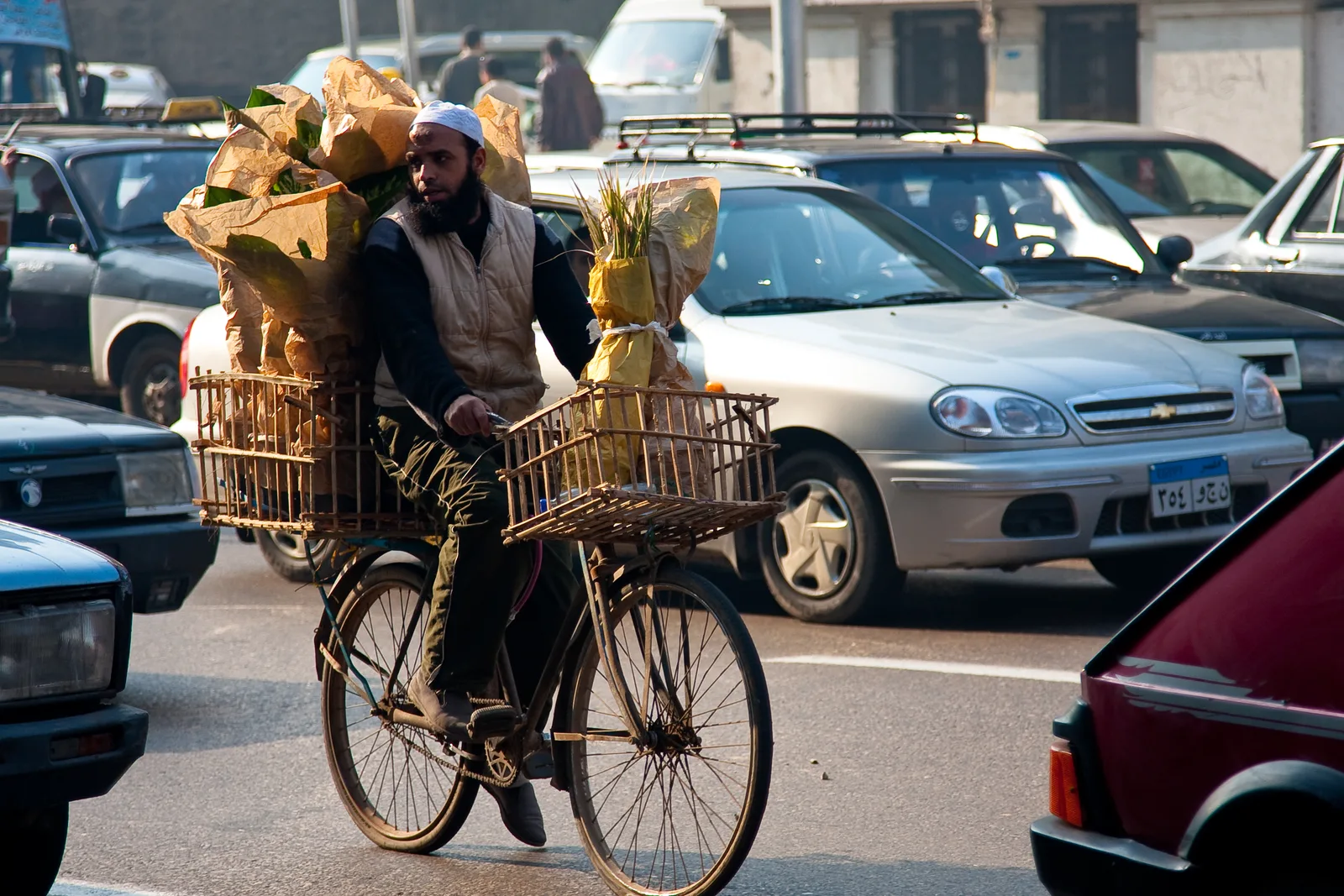
Kalabalığın Ortasında İki Teker: Arabasız Gün'de Bisiklet Mısır Sokaklarının Neresinde Duruyor?
22 Eylül'de dünya Arabasız Gün'ü kutlarken, bizim sokaklarımızda bisiklet minibüslerin arasından ve üzerine araba park edilmiş çizili bir şeridin üstünden geçip gidiyor. Cairo Bike'tan "Bisikletin Sağlığın" programına, ara sokakta başının üstünde ekmek tepsisi taşıyan çocuğa kadar: Herhangi bir yoldan geçenin gördükleri üzerine bir röportaj ve tek bir soru: Mısır'da bisiklet kimin için ve güvenli şerit neden hâlâ bir hayal?
22 Eylül 2026 · 8 dk okuma
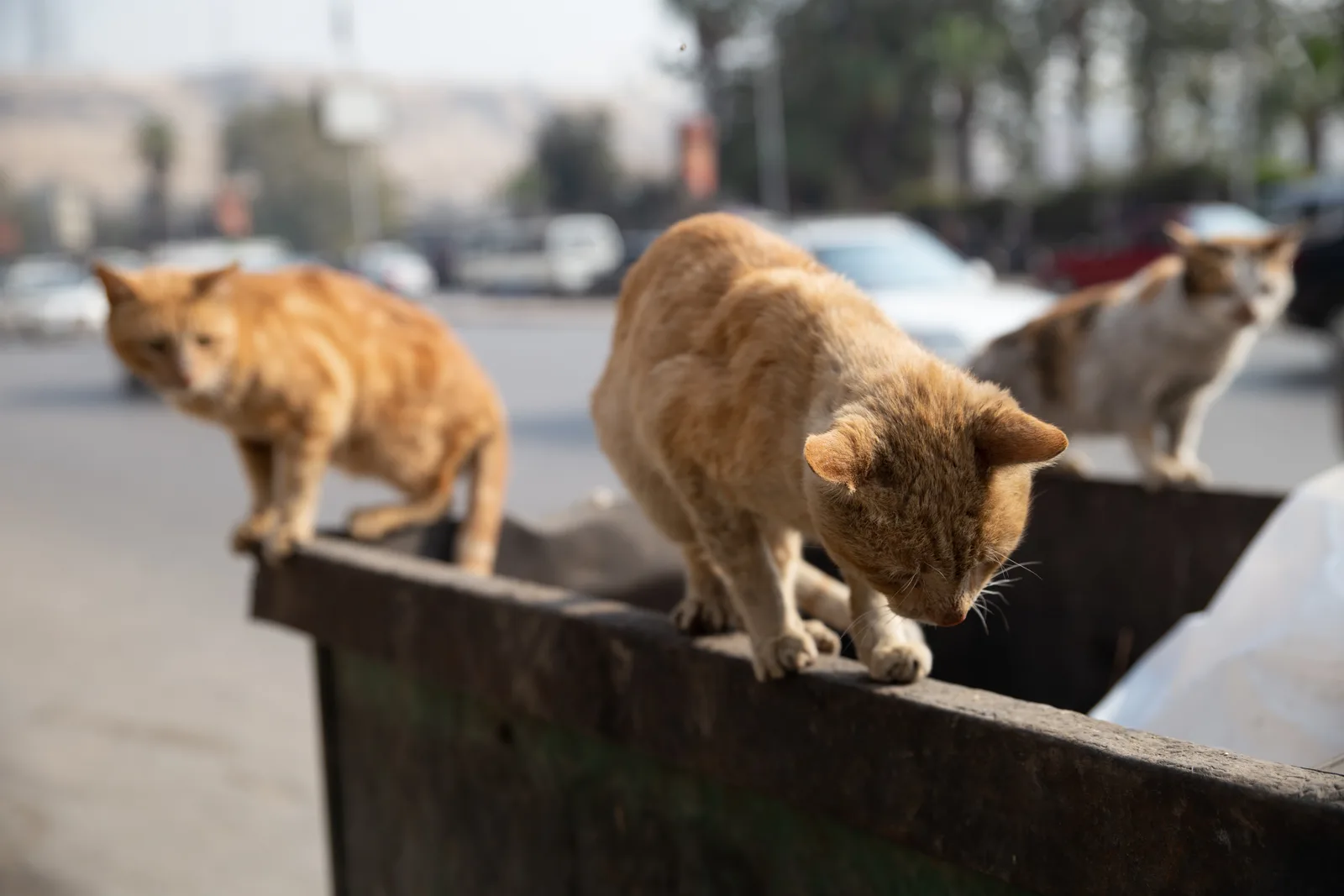
«Keda Ghalat» (Bu Yanlış): Kâsede Zehir, Sırtta Değnek — Hayvana Eziyet, 1937'den Beri Mısır Ceza Kanunu'nda Suç
Bir komşu okul duvarının yanına zehirli kaplar bırakıyor, bir araba sahibi ise eşeğine ağır bir yük çektirmek için yüzüne sopayla vuruyor. Birçok kişi «sadece bir hayvan»ı hiçbir kanunun korumadığını sanıyor. Oysa Ceza Kanunu'nun 355, 356 ve 357. maddeleri, hayvan öldürmeyi, zehirlemeyi ve ona eziyet etmeyi hapis cezasına varan yaptırımlarla cezalandırıyor. Dünya Hayvanlar Günü arifesinde kanunun ne dediğini açıklıyoruz.
3 Ekim 2026 · 6 dk okuma

Pembe Ekim: en yakın sağlık ocağında ücretsiz muayene… erken teşhis Mısırlı kadının kaderini neden değiştiriyor?
“Hiçbir yerim ağrımıyor” ertelemek için bir gerekçe değil. Temmuz 2019'dan bu yana Mısır'daki sağlık ocakları 18 yaş ve üzeri her kadına ücretsiz kapılarını açıyor; Haziran 2026'ya gelindiğinde geç evrede yakalanan vaka oranı %60'tan %19,5'e geriledi. Sağlık ocağında neler yaşandığını, hangi belirtilerin ziyareti gerektirdiğini ve korkunun bu önemli muayeneyi neden geciktirdiğini anlatıyoruz.
2 Ekim 2026 · 7 dk okuma