«Ben özgürüm»: Komşunun ciğerinde biten özgürlük
Asansörde, ofiste, kapalı kafede, minibüste: Sigarasını herkesin ortasında yakıyor; biri itiraz edecek olsa hazır cevap geliyor: «Ben özgürüm.» Oysa pasif içicilik saygı duyulacak bir görüş değil, belgelenmiş bir zarardır — bunu hiç seçmemiş bir çocuğun, bir alerji hastasının, bir hamile kadının soluduğu bir zarar. Üstelik Mısır yasaları bunu yıllardır zaten yasaklıyor. Bu yanlış.
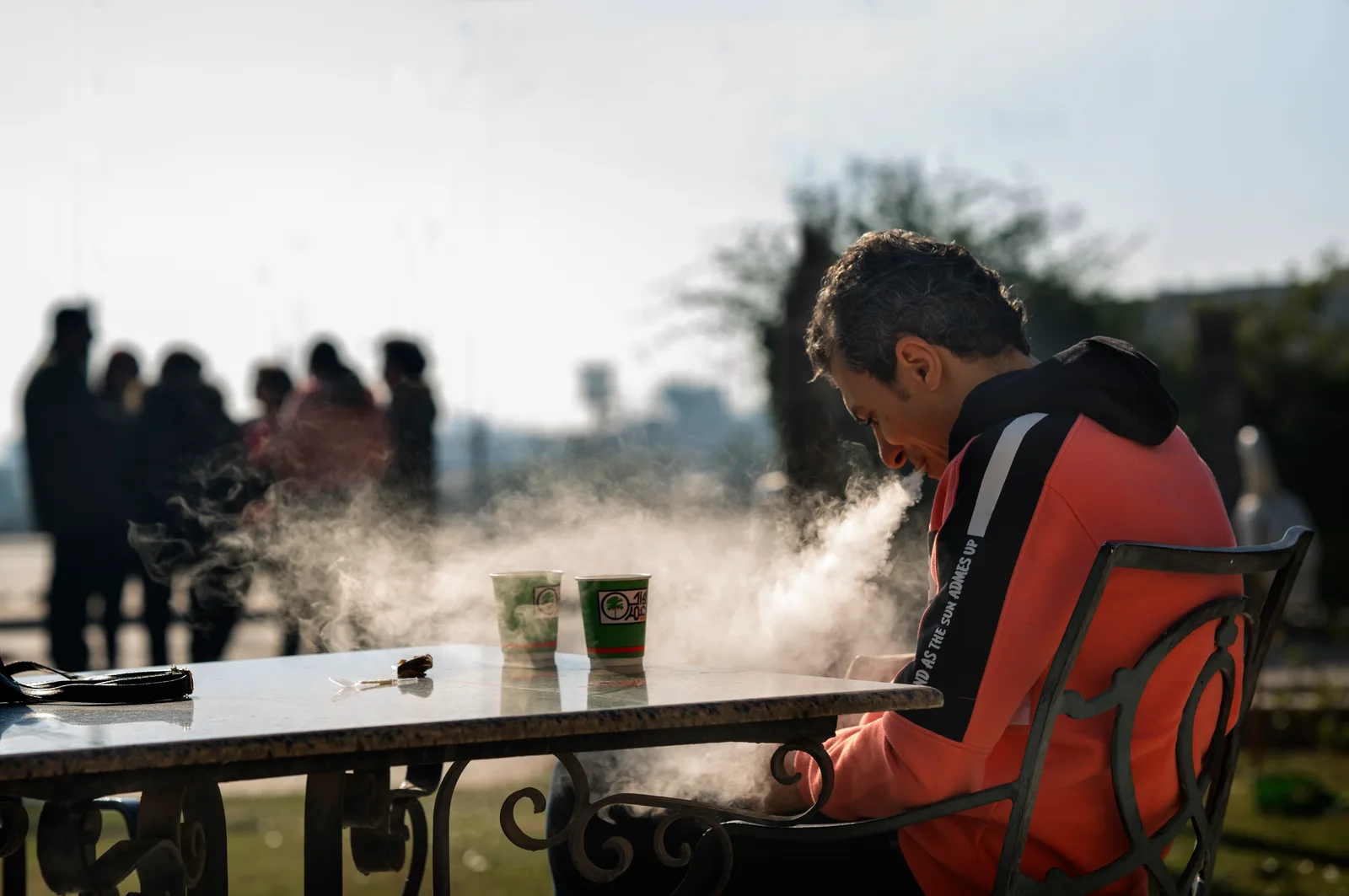
Aynı sahne neredeyse her kapalı mekânda tekrarlanıyor: dar bir asansör, bir devlet dairesi, camları sımsıkı kapalı bir kahvehane, tıklım tıklım bir minibüs, bir muayenehanenin bekleme salonu. Biri sigarasını çıkarıp insanların ortasında yakıveriyor; sanki ıssız bir çölde tek başınaymış gibi rahat. Biri itiraz etmeye cesaret ederse de ezbere bilinen cevap hazırdır: “Ben özgürüm.”
Bu cümleyi bir an için ciddiye alalım, çünkü içinde sökülmeye değer bir safsata var. Evet, sigara içmekte özgürsünüz; kimse burada sizden bırakmanızı istemiyor. Ama sigaranızdan çıkan duman bedeninizin sınırları içinde kalmıyor; oradaki herkesin ciğerlerine izin almadan giriyor. Ve özgürlüğünüz, tanımı gereği, bir başkasının bedeninin başladığı yerde biter. Kapalı bir mekânda sigara içen kişi özgürlüğünü kullanmıyor; başkalarının temiz hava soluma özgürlüğüne el koyuyor.
Buradaki zarar bir zevk meselesi ya da kokudan duyulan bir rahatsızlık değil. Pasif içicilik, tartışmaya yer bırakmayacak biçimde belgelenmiş bir sağlık zararıdır; Dünya Sağlık Örgütü yıllardır tütün dumanına maruz kalmanın güvenli bir düzeyi bulunmadığını, bu dumanın sigara içmeyenlerin kendilerinde kalp hastalıklarıyla, solunum yolu hastalıklarıyla ve kanser türleriyle ilişkili olduğunu vurguluyor. Kahvehanede kendinizi “özgür” kıldığınız o duman, siz çıkıp gittikten sonra da başkalarının göğsünde çalışmayı sürdürüyor.
Bir de itiraz etme lüksü bile olmayanları düşünün. Dumanla dolu bir odada geçirilen tek bir oturuşun gününü bir solunum kriziyle çevirebileceği alerji ya da astım hastasını. Babasıyla gelen ve temiz havanın hakkı olduğunu henüz bilmeyen çocuğu. Havada ne varsa onu birlikte soluyan ikinci bir çift minicik ciğeri taşıyan hamile kadını. Ve geçimi orada olduğu için her gün koca bir vardiyayı bu bulutun içinde geçiren, müşteriden sigarasını söndürmesini istemeye cesaret edemeyen kahvehane çalışanının kendisini.
Ve “ben özgürüm” cümlesini daha da kırılgan kılan gerçeğe geliyoruz: Mısır hukuku bu meseleyi yıllar önce çözdü. Sigaranın zararlarından korunmaya dair 1981 tarihli 52 sayılı kanun, 2007 tarihli 154 sayılı kanunla değiştirilmiş hâliyle, kapalı umumi mekânlarda sigara içilmesini yasaklıyor ve ihlal edene para cezası öngörüyor. Yani kapalı bir yerde sigarasını yakan kişi bir özgürlük kullanmıyor; ahlaki bir kusur işlemenin yanı sıra açık bir hukuk ihlali de işliyor.
Ama bu köşede ahlakı bilerek hukukun önüne koyuyoruz, çünkü asıl sorun metnin yokluğu değil, vicdanın yokluğu. Sigara içenin ihtiyacı olan şey bir tutanaktan çok, kendisiyle dürüst olacağı bir andır: Dumanınızı sigara içmeyen birinin yüzüne üflediğinizde bir hak kullanmıyorsunuz; bir başka insanın bedenine, onun reddettiği bir şeyi dayatıyorsunuz. Bu, üç kelimenin de tam anlamıyla hakarettir, kışkırtmadır ve zarardır.
Pek çok sigara içene de hakkını verelim: Yakmadan önce izin isteyenler var; kimse söylemeden balkona ya da sokağa çıkanlar var; bir çocuk gördüğünde veya mekânda bir hasta bulunduğunu öğrendiğinde sigarasını hemen söndürenler var. Onlar her gün, sigara içmenin başka, başkalarını düşünmemenin bambaşka bir şey olduğunu kanıtlıyor; bu mücadele sigara içene karşı değil, umursamazlığa karşı.
Peki yurttaştan ne isteniyor? Sigara içenden: Basit bir kurala saygı göstermesi. Ortak kullanılan kapalı bir mekân, özlem ne kadar güçlü olursa olsun, sigara içilecek bir yer değildir ve bunun kimse tarafından hatırlatılması gerekmez. Sigara içmeyenden: Sağlığıyla bedelini ödediği nazik sessizlik yerine kibar ama kararlı biçimde itiraz etmesi; “Affedersiniz, burası kapalı bir yer ve aramızda bundan zarar görenler var” gibi sakin bir cümle kabalık değil, bir hakkın kullanılmasıdır.
Peki dükkân, kahvehane ve iş yeri sahiplerinden ne isteniyor? Kanunun mekânlarının sorumluluğunu kendilerine yüklediğini kavramaları. Sigara içme yasağı levhası bir dekor değildir; bütün müşterilere ayrım gözetmeden uygulanması gereken bir yükümlülüktür. Bu kuralı uygulayan kahvehane, bazılarının sandığı gibi müşterisini kaybetmez; tam tersine, oraya gitmekten kaçınan koca bir kesimi kazanır.
Peki devletten ne isteniyor? Onlarca yıllık bir kanunu kâğıttan gerçeğe taşıması: Kamu ve özel işletmelerde cezaları fiilen işletmesi, yalnızca tek tek sigara içenleri değil, gevşek davranan işletmeyi de hesaba çekmesi ve “sigara içilmez” levhasına yitirdiği ağırlığı geri kazandıracak, önceden duyurulmuş denetim kampanyaları yürütmesi.
“Ben özgürüm”, yerinde söylendiğinde güzel bir cümledir. Ama kapalı bir mekânda, sigaranızın dumanı bir çocuğun ya da bir hastanın göğsünü doldururken söylendiğinde tam tersine dönüşür: Rahatınızın herkesin sağlığından üstün olduğunun ilanına. Bunu böyle bir yerde söyleyene sakin ve net biçimde cevabımız şudur: Hayır, bu doğru değil.
İlgili Haberler
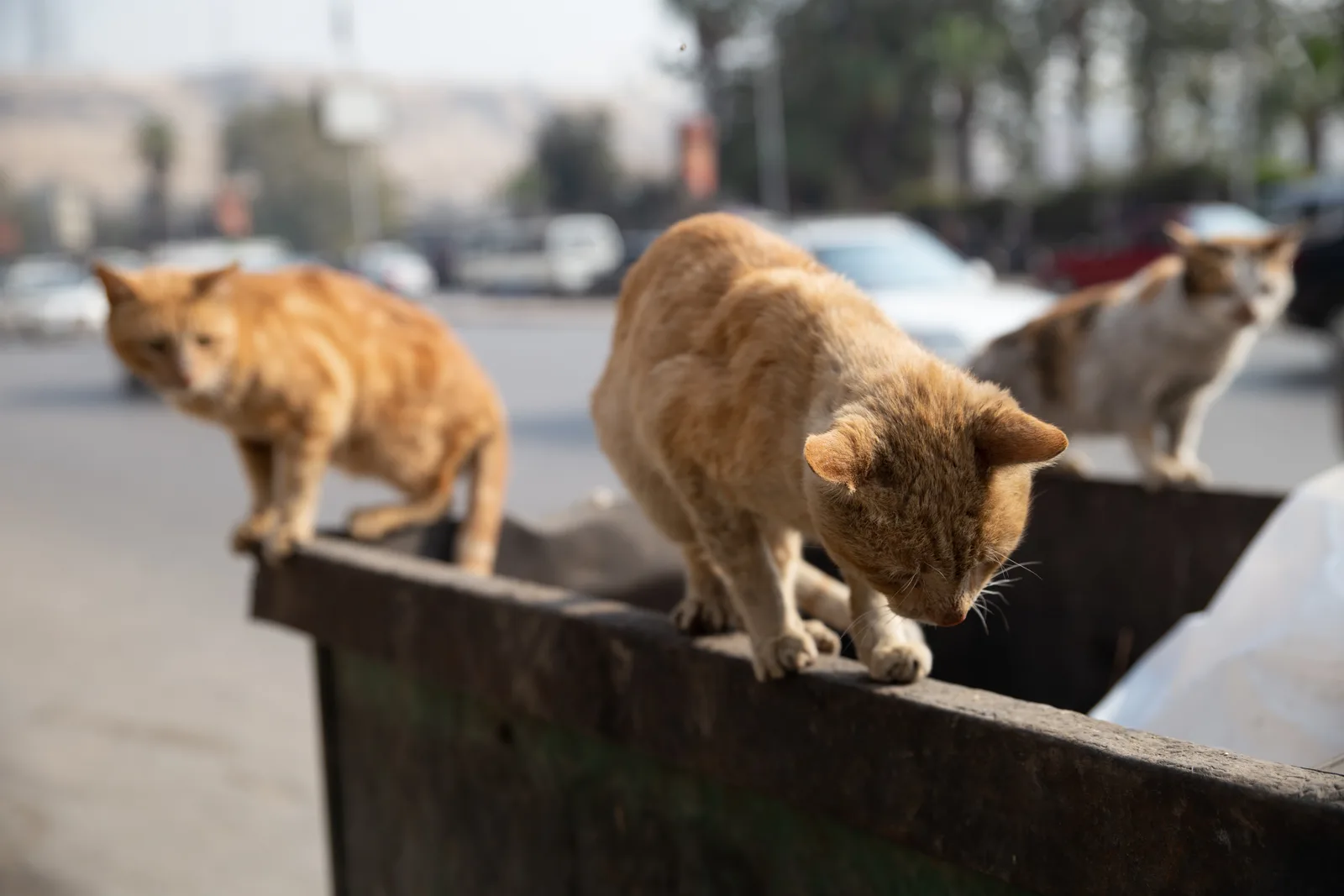
«Keda Ghalat» (Bu Yanlış): Kâsede Zehir, Sırtta Değnek — Hayvana Eziyet, 1937'den Beri Mısır Ceza Kanunu'nda Suç
Bir komşu okul duvarının yanına zehirli kaplar bırakıyor, bir araba sahibi ise eşeğine ağır bir yük çektirmek için yüzüne sopayla vuruyor. Birçok kişi «sadece bir hayvan»ı hiçbir kanunun korumadığını sanıyor. Oysa Ceza Kanunu'nun 355, 356 ve 357. maddeleri, hayvan öldürmeyi, zehirlemeyi ve ona eziyet etmeyi hapis cezasına varan yaptırımlarla cezalandırıyor. Dünya Hayvanlar Günü arifesinde kanunun ne dediğini açıklıyoruz.
3 Ekim 2026 · 6 dk okuma
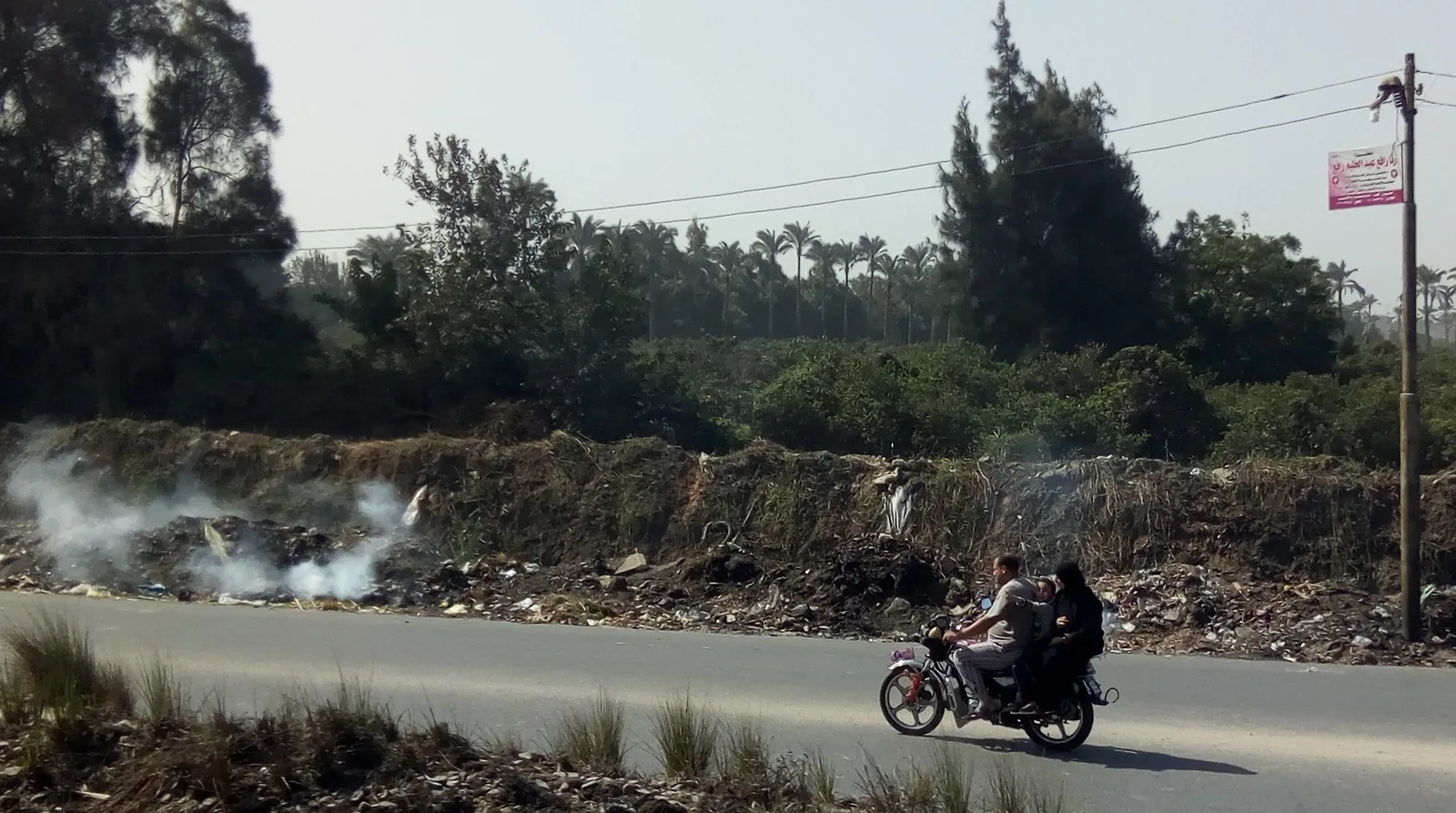
Dört Kişi Bir Motosiklette, Hiçbirinde Kask Yok: Ailenin Yolda Kaybedebileceği En Değerli Şey Açık Baştır
Okulların ikinci haftasında aynı sahne tekrarlanıyor: baba direksiyonda, bir çocuk önünde, biri arkasında, anne çantaları tutuyor; aralarında tek bir kask yok. Basın, CAPMAS'a dayanarak ölümlerin 2020-2024 arasında 190'dan 897'ye çıktığını aktarıyor; Cochrane derlemesi kaskın ölüm riskini %42 azalttığını gösteriyor. Kanun açık başı 1999'dan beri cezalandırıyor, ceza 2008'de artırıldı. Peki neden uymuyoruz?
23 Eylül 2026 · 8 dk okuma
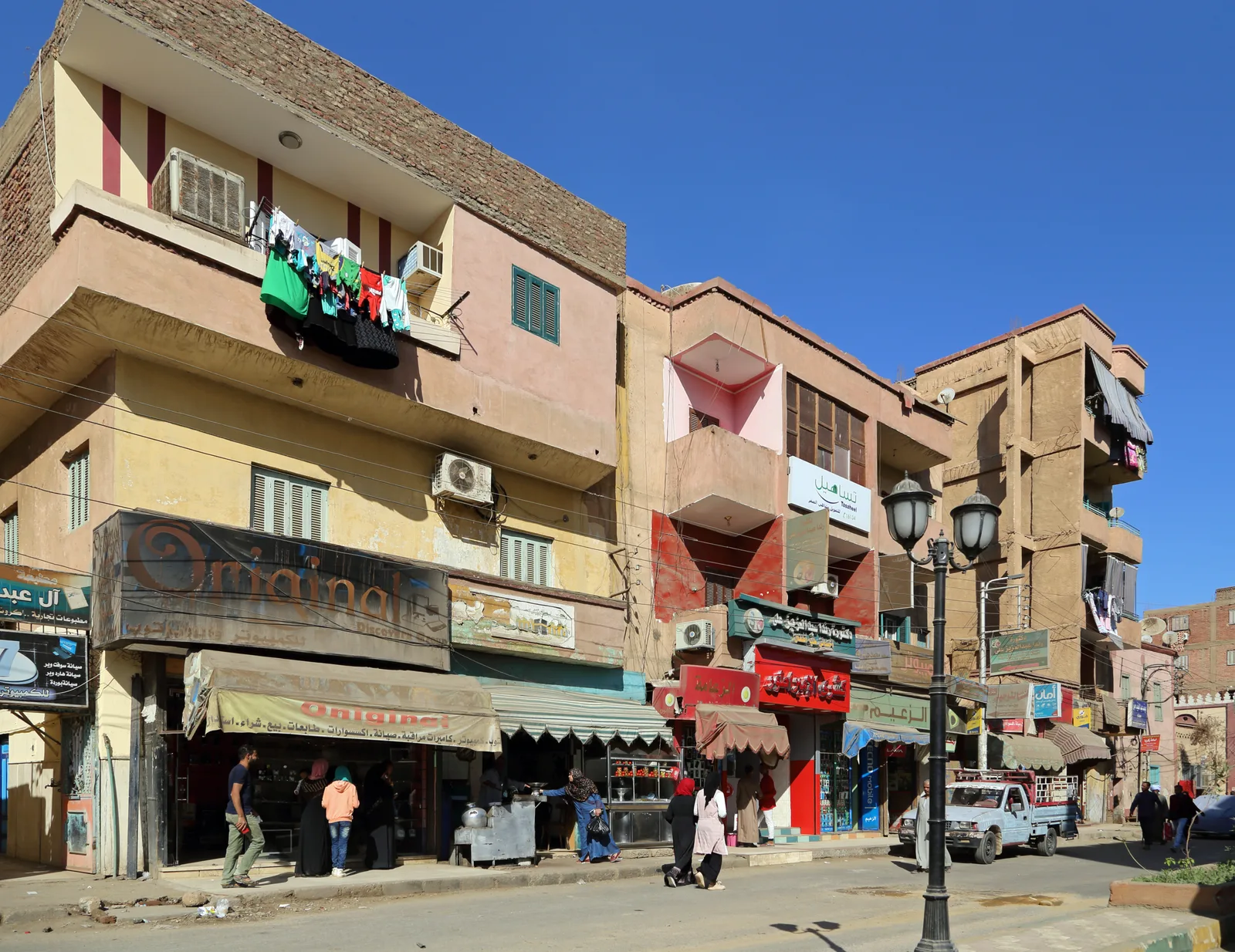
"Kabloya Atlatma" Kurnazlık Değildir: Elektrik Hırsızlığı Bedelini Tüm Mahallenin Ödediği Bir Suçtur
Aydınlatma direğinden balkona sarkan çıplak bir kablo, sayacı hiç dönmeyen bir sayaç üzerinden çalışan klima ve üçüncü kez atan sigorta, faturasını ödeyen komşunun evini karanlığa gömüyor. Elektrik Kanunu'nun 71. maddesi bunu elektrik akımına haksız el koyma sayıyor ve hapis ile para cezasıyla cezalandırıyor; daha ağır bir değişiklik ise Temsilciler Meclisi'ni bekliyor. Bir kaçak bağlantıdan bütün sokak ne kaybeder? Doğru alternatif nedir?
14 Eylül 2026 · 7 dk okuma