Süveyş Kanalı: Dünya ticaretinin kalbindeki Mısır su yolu
193 kilometre uzunluğundaki ince bir su şeridi, dünya deniz ticaretinin yaklaşık onda birini taşıyor. 1869'daki kazıdan 1956'daki millileştirmeye, 2015 genişletmesinden Ever Given'ın karaya oturmasına; Mısır'ı dünya ekonomisinin damarlarında vazgeçilmez bir düğüm noktası yapan geçidin hikâyesini anlatıyoruz.
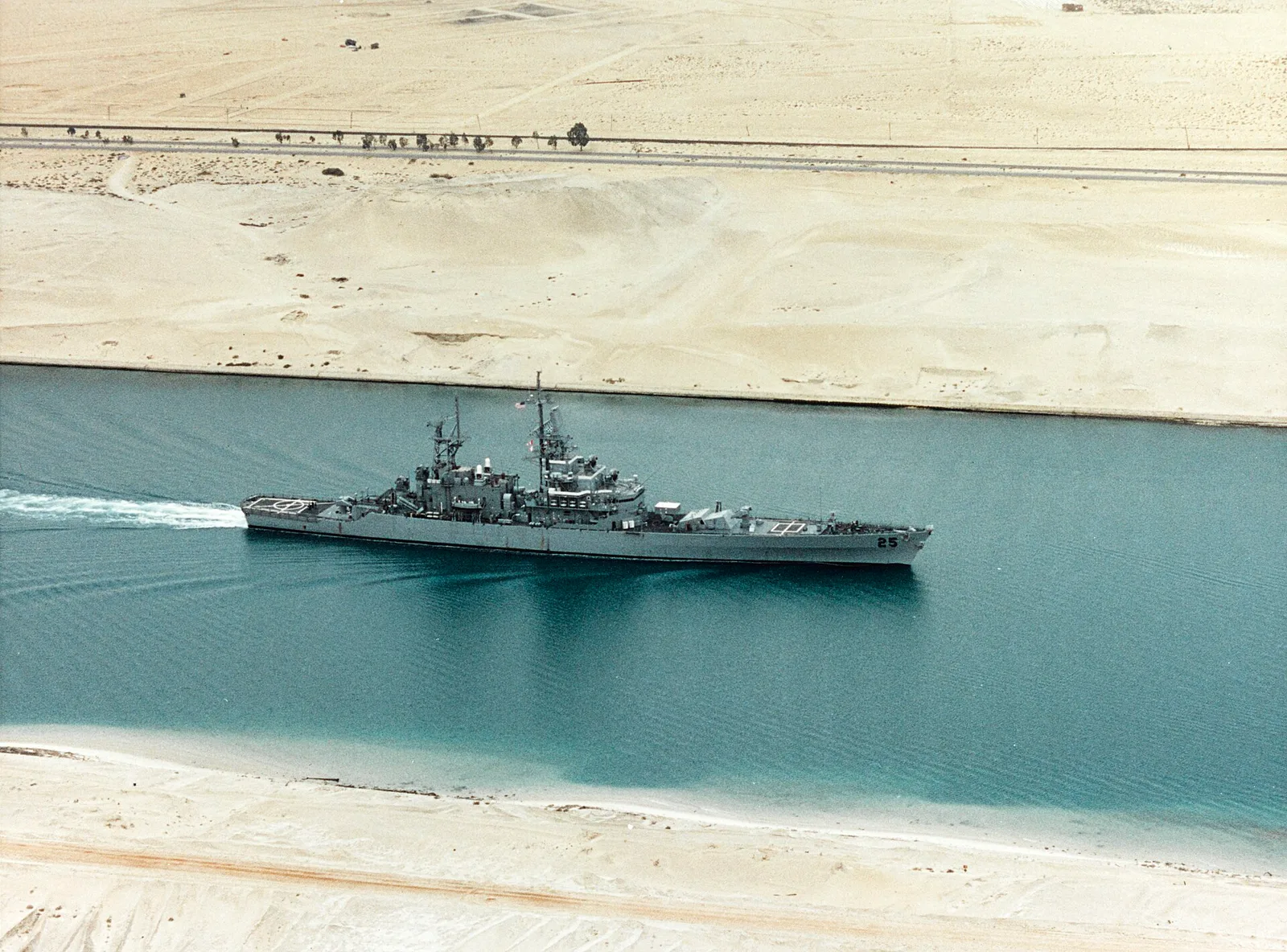
Haritada, çölü yaklaşık 193 kilometre boyunca yaran ince mavi bir çizgiden ibarettir; ama dünya ekonomisinde insan eliyle kazılmış en önemli kestirme yollardan biridir. Süveyş Kanalı, Akdeniz’i Kızıldeniz’e bağlayarak gemileri Afrika’nın çevresini dolaşan uzun yolculuktan kurtarır; kaynakların genellikle tahmin ettiğine göre deniz yoluyla taşınan dünya ticaretinin yaklaşık onda biri, hatta daha fazlası buradan geçer. Mısır için ise aynı anda hem stratejik bir varlık, hem başlıca döviz kaynağı hem de ulusal egemenliğin simgesidir.
Kanal, Fransız Ferdinand de Lesseps’in yönettiği yaklaşık on yıllık kazı çalışmalarının ardından 1869’da açıldı; işin en ağır yükünü, çok zor koşullarda çalışan on binlerce Mısırlı işçi taşıdı. Dünya, kanalın açılışını on dokuzuncu yüzyılın en görkemli uluslararası olaylarından biri olarak kutladı ve o günden itibaren dünya denizciliğinin haritaları sonsuza dek değişti.
Panama Kanalı’ndan farklı olarak Süveyş, havuz sistemi bulunmayan ve deniz seviyesinde uzanan bir geçittir; bu da geçişi kolaylaştırır. Gemiler dakikası dakikasına planlanmış konvoylar hâlinde ilerler ve iki giriş arasındaki tam yolculuk, yöne ve trafik yoğunluğuna göre on saat ile on küsur saat arasında sürer.
Temmuz 1956’da Cumhurbaşkanı Cemal Abdünnasır, Süveyş Kanalı Şirketi’ni millileştirdi. Bu karar Üçlü Saldırı’nın — Süveyş Krizi’nin — kıvılcımı oldu ve modern Mısır tarihinin ulusal bilinçte en canlı anlarından birine dönüştü; o tarihten beri Mısırlıların gözünde kanal, Mısır Süveyş Kanalı İdaresi tarafından işletilen tümüyle ulusal bir mülktür.
İsrail’le yaşanan savaşların ardından kanal, 1967 ile 1975 arasında tam sekiz yıl boyunca deniz trafiğine kapalı kaldı. Göllerinde mahsur kalan gemiler yıllarca demirli bekledi ve üzerlerini kaplayan çöl kumu yüzünden “Sarı Filo” adıyla anıldı; su yolu 1975’te yeniden açıldı ve trafik kademeli olarak geri döndü.
2015’te Yeni Süveyş Kanalı adıyla bilinen büyük bir genişletme projesi hizmete girdi: yaklaşık 35 kilometrelik paralel bir kol açıldı, asıl güzergâhın diğer kesimleri derinleştirildi. Böylece kanalın bir bölümünde çift yönlü geçiş mümkün oldu, bekleme ve geçiş süreleri kısaldı. Proje yurt içinde finanse edildi; vatandaşların yoğun ilgi gösterdiği yatırım sertifikaları ihraç edildi.
Olağan dönemlerde kanaldan her gün onlarca gemi geçer; hareketli yıllarda bu sayı yirmi bine yaklaşır ya da bunu aşar. Geçiş ücretleri yılda milyarlarca dolar getirir; en iyi yıllarda gelirler dokuz milyar dolar eşiğine yaklaştı, hatta bu eşiği aştı. Turizm ve yurt dışındaki Mısırlıların gönderdiği havalelerle birlikte kanal, ülkenin döviz kaynaklarının başında gelmeyi sürdürüyor.
Mart 2021’de dev konteyner gemisi “Ever Given”in karaya oturması, bu geçidin önemini bütün dünyaya yeniden hatırlattı. Gemi kanalı altı gün boyunca tıkadı, iki girişte yüzlerce gemi birikti, analistler aksayan ticaretin değerini günde milyarlarca dolar olarak hesapladı ve dünyanın ekranları yol yeniden açılana dek kurtarma çalışmalarını saat saat izledi.
Kanalın konumu jeopolitikten de bağımsız değildir. Ümit Burnu’nu dolaşan alternatif rota yolculuğa bir hafta ya da daha fazlasını ekler ve yüksek yakıt maliyeti getirir; yine de Kızıldeniz’deki güvenlik gerilimleri dönemlerinde büyük denizcilik şirketleri geçici olarak Afrika’nın çevresinden dolaşmayı seçti; geçiş sayıları ve gelirler böylece düştü. Bu da kanal gelirinin, bölgenin ve dünyanın hâline tutulan bir ayna olduğunu hatırlatıyor.
Mısır bugün yalnızca bir geçit olmakla yetinmiyor. Süveyş Kanalı Ekonomik Bölgesi, Ayn Sohna ve Doğu Port Said başta olmak üzere limanları, sanayi ve lojistik alanlarını bir araya getiriyor; amaç, kanalın iki yakasını sanayinin, denizcilik hizmetlerinin, gemi ikmalinin ve aktarmacılığın küresel bir merkezine dönüştürmek; gemilerin geçiş ücretini ödeyip yoluna devam ettiği sıradan bir koridor olmaktan çıkarmak.
Kanal, Mısırlıların belleğinde bir ekonomi projesinden çok daha fazlasıdır: okul müfredatlarında, millileştirmenin hatırasında ve ulusal dönemin şarkılarında yaşar. Eski dünyanın kıtalarının buluştuğu, dünya ekonomisinin döngüsünün bir bölümünün her sabah tümüyle Mısır sularından geçtiği bu eşsiz konumun günlük tanığıdır.
İlgili Haberler
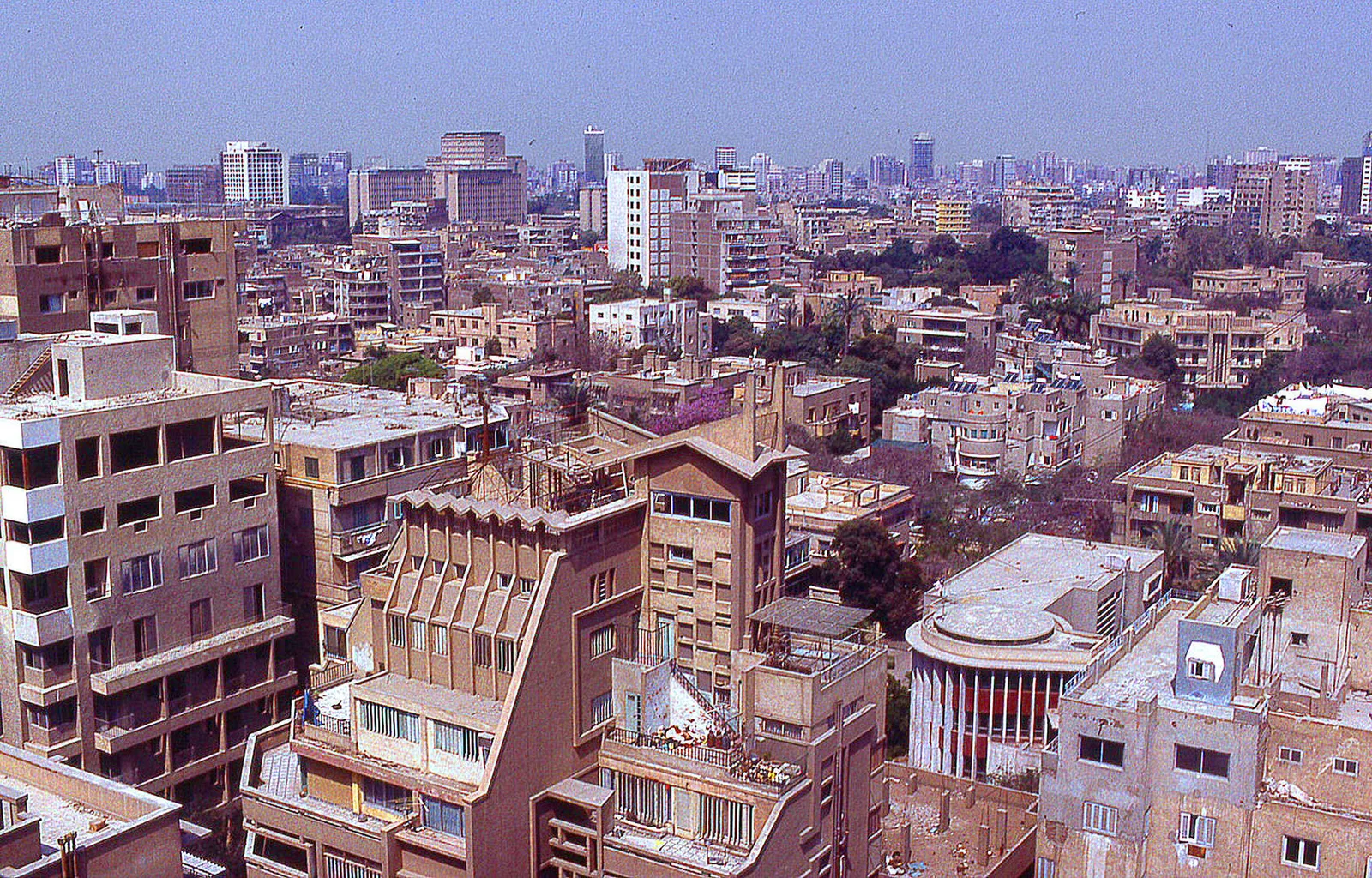
Bir Anlaşmayla Kapanan Gökyüzü Deliği: Montreal Protokolü ve Mısır'ın Ozon Tabakasını Kurtarma Öyküsündeki Payı
16 Eylül'de dünya, tüm ülkeler tarafından onaylanan ve gerçekten işe yarayan ilk anlaşmalardan birinin yıldönümü olan Uluslararası Ozon Tabakasının Korunması Günü'nü kutluyor. 1974'teki bilimsel makaleden 1987'de Montreal'deki imzaya, Mısır'ın 1988'deki erken onayından 2023'teki Kigali Değişikliği'ne: bir teknisyenin elindeki soğutucu gaz tüpünün ve gökyüzünün 2040 civarında iyileşmesinin beklenme sebebinin öyküsü.
16 Eylül 2026 · 7 dk okuma
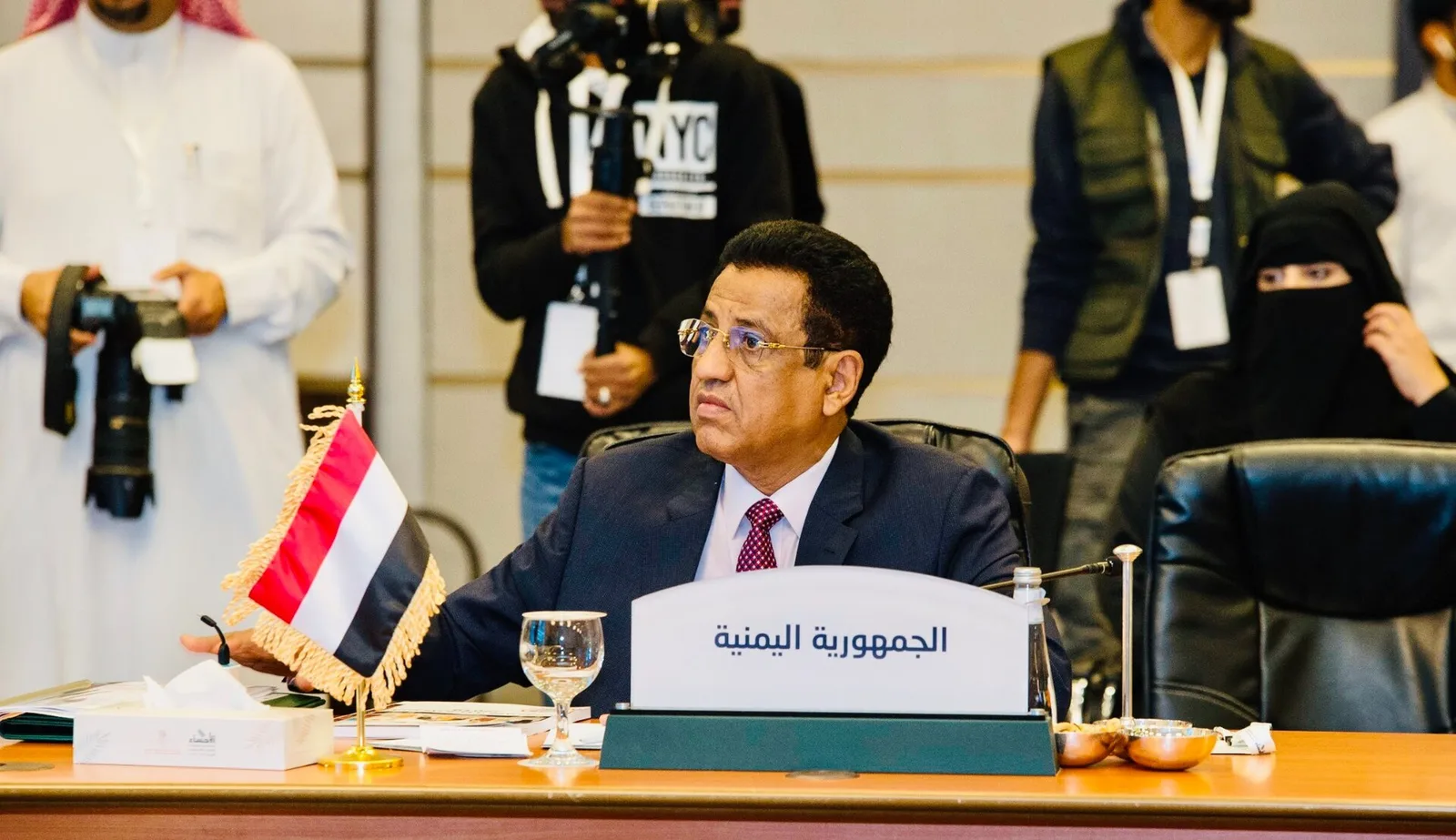
Arap Birliği: Pencereleri Tahrir Meydanı'na bakan Arapların evi
Tahrir Meydanı'ndan birkaç adım ötede “Arapların Evi” duruyor: Dünyanın en eski bölgesel örgütlerinden biri; Kahire'de, Birleşmiş Milletler Antlaşması'ndan bile önce doğdu. Zirveleri ve genel sekreterliği nasıl işliyor? Kararları neden yalnızca kabul edeni bağlıyor? Tunus'a taşınma ve geri dönüş hikâyesi nedir? Her gün önünden geçtiğimiz ama neredeyse hiç tanımadığımız eski bir komşunun içinde bir tur.
2 Eylül 2026 · 7 dk okuma
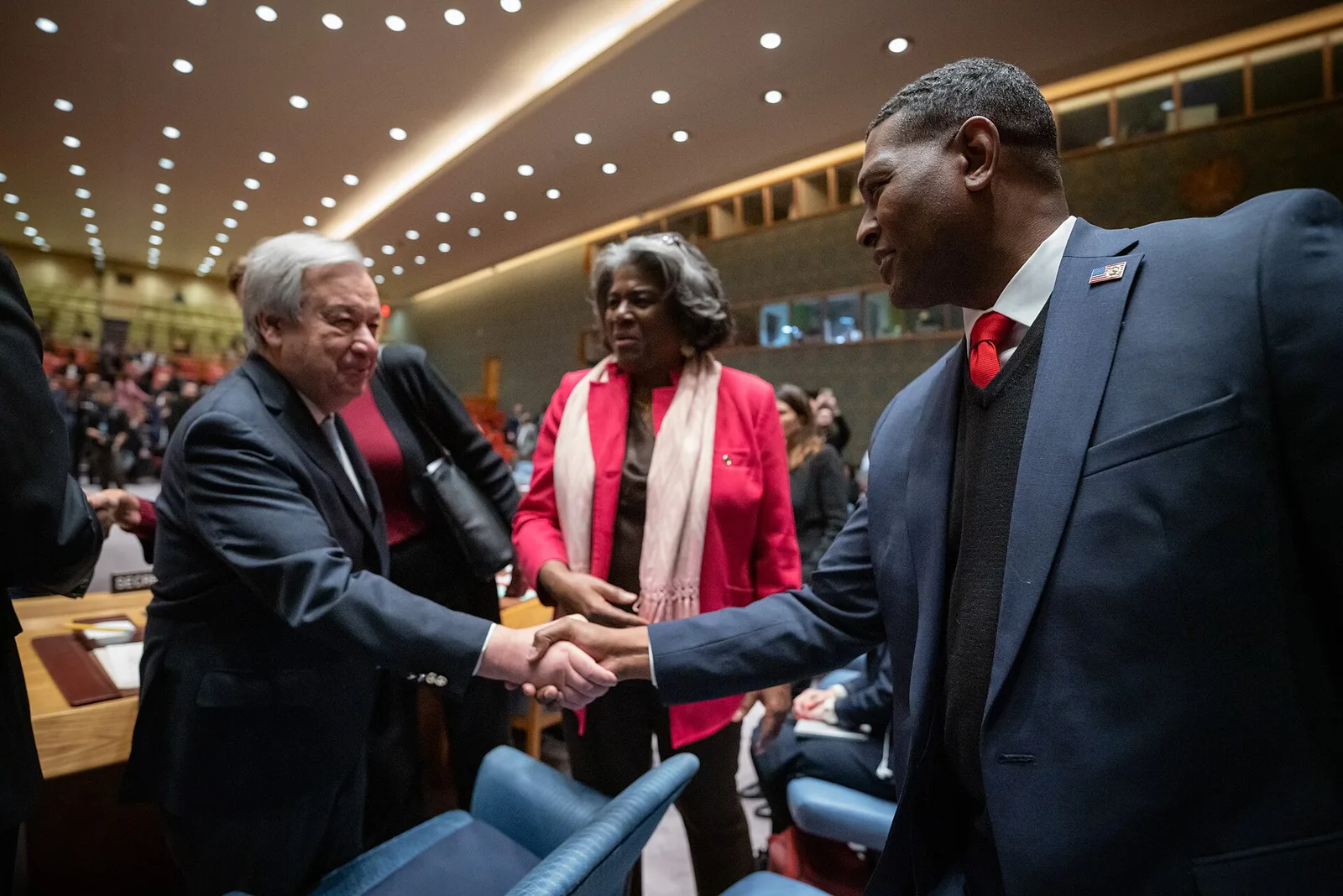
Mavi çatının altında: Birleşmiş Milletler nasıl işliyor, Güvenlik Konseyi'nde “veto” kimin elinde?
Bir kriz patlak verdiğinde hep aynı cümleyi duyarsınız: Güvenlik Konseyi toplandı, bir devlet “veto” kullandı. Peki mavi çatının altında gerçekte ne oluyor? Genel Kurul salonundan at nalı biçimli masaya uzanan bir yolculuk: BM kararı nasıl doğar, ne zaman bağlayıcı olur, tek bir kelime onu nasıl düşürür ve bu tabloda Mısır'ın yeri neresi?
26 Ağustos 2026 · 8 dk okuma